Průvodce scénářem Reboot Hub
Stručný popis kupujícího: plánování cel a dovozních nákladů

Situace:dokumenty potřebné k dovozu fumigačního dronu z Číny do Chile. Tato příručka nejprve odpovídá na konkrétní situaci a poté připojí čtečku k ověřené nákupní cestě použitý Reboot Hub.
Náklady na vylodění
Před platbou si naplánujte hodnotu produktu, dopravu, pojištění, clo, DPH/GST, zprostředkování, skladování a papírování s bateriemi.
Shoda dokumentů
Faktura, popis HS, sériové číslo, příjemce, doklad o platbě a prohlášení dopravce by měly vyprávět jeden příběh.
Bezpečnější cesta
Použijte celní příklady jako vodítko pro plánování a poté potvrďte konečné pravidlo s celníky, makléřem nebo jmenovaným úřadem.
Související návody Reboot Hub:Průvodce pro cla a DPHDoprava a ochrana kupujícíhoProdejce a sériové kontrolyInventář Použitý DJI
Documents Needed to Import a Fumigation Drone from China to Chile in 2025
Rychlá odpověď
- RUT (Rol Único Tributario)— chilské daňové identifikační číslo je povinné pro všechny dovozní operace; zahraniční kupující potřebují RUT de Inversionista Extranjero získané prostřednictvím právního zástupce.
- Obchodní faktura a balicí list— must state the drone's FOB value in USD, HS code 8806.21.00 or 8806.22.00, and country of origin as China.
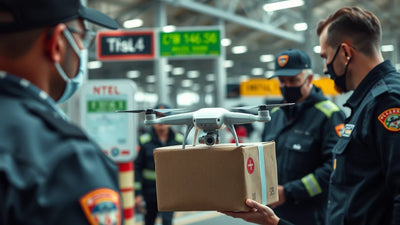
- Nákladní list (B/L) nebo nákladní list Air (AWB)— požadované pro celní odbavení; Přeprava DDP to řeší vaším jménem.
- Rostlinolékařské osvědčení SAG— Servicio Agrícola y Ganadero vyžaduje certifikaci fumigace nebo tepelného zpracování u dřevěných obalových materiálů, je-li to vhodné.
- Registrace celního zástupce a dovozní deklarace (DIN)— musí být podán prostřednictvím licencovaného chilského celního makléře s poplatkem VALOR 30–85 USD za prohlášení.
Jaký je první dokument nutný k importu dronu do Chile?
Absolutním výchozím bodem jeRUT (Rol Único Tributario), jedinečné identifikační číslo daňového poplatníka Chile vydané úřadem Servicio de Impuestos Internos (SII). Bez aktivního RUT nemůžete odbavit žádnou obchodní zásilku přes chilské celnice — systém jednoduše nepřijme dovozní deklaraci. Chilští občané a rezidenti získávají RUT jako součást běžné daňové registrace (trámite trvá 1–3 pracovní dny online přes sii.cl). Zahraniční jednotlivci nebo společnosti bez chilského subjektu musí zajistit aRUT de Inversionista Extranjero, který vyžaduje notářsky ověřenou plnou moc udělenou chilskému právnímu zástupci. Očekávejte, že tento proces bude trvat 10–15 pracovních dní a bude stát přibližně180–400 USDv právních poplatcích v závislosti na složitosti vaší struktury. Budete také potřebovat certifikát digitálního podpisu (firma electrónica avanzada), jehož cena je přibližná25 000–45 000 CLPročně (26–47 USD) k podepisování elektronických celních dokumentů. Pokud nakupujete prostřednictvím společnosti jako Reboot Hub, která nabízí přepravu DDP (Delivered Duty Paid), logistický partner vašeho dodavatele vás může často provést registrací RUT nebo doporučit licencovaného celního zprostředkovatele, který za vás vyřizuje celý dovoz, čímž se sníží přímá administrativní zátěž.
Související:SACAA, část 101 pro komerční drony se DJI
Který HS Code platí pro zemědělské stříkací drony a proč je to důležité?
Zemědělské fumigační drony spadají podKód HS 8806.21.00(bezpilotní letoun, maximální vzletová hmotnost nepřesahující 250 g) nebo běžnějiKód HS 8806.22.00(maximální vzletová hmotnost přesahující 250 g do 7 kg) popř8806.29.00(ostatní, nad 7 kg). Většina postřikovacích dronů jako DJI Agras T40 nebo T50 váží 40–52 kg při plném zatížení a klasifikuje se pod 8806.29.00. Kód HS určuje vášsazba dovozního cla— under the Chile-China Free Trade Agreement (FTA), most drones classified under 8806 enjoy0% cloza předpokladu, že odešlete platnéOsvědčení o původu (formulář F)vydané čínskými orgány CIQ nebo CCPIT. Bez tohoto certifikátu budete čelit standardní celní sazbě MFN ve výši6 % ad valoremo hodnotě CIF (náklady + pojištění + doprava). U dronu v hodnotě 8 500 USD CIF to je dalších 510 USD na clech. Zaplatit musí i dovozceDPH (IVA) ve výši 19 %o hodnotě CIF plus clo. Použijeme-li stejný příklad 8 500 USD: s preferencí FTA (0% clo), IVA = 1 615 USD. Celkové dovozní náklady bez zprostředkování: 10 115 USD plus poplatky za zprostředkování ve výši přibližně85–150 USD.
Související:Potřebují drony do 250 g v Jakartě povolení? (pravidla 2024)
Jaké SAG a fytosanitární požadavky se vztahují na balení dronů z Číny?

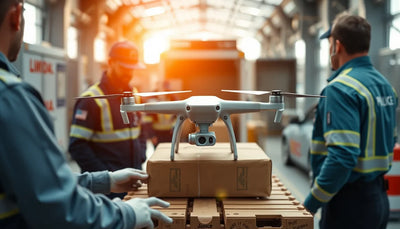
[11] Servicio Agrícola y Ganadero (SAG)Servicio Agrícola y Ganadero (SAG)vynucuje přísnéISPM 15standardy pro všechny dřevěné obalové materiály (WPM) vstupující do Chile – včetně dřevěných palet, beden, prokladů a výztuh používaných k zabezpečení zásilek dronů. Pokud váš dodavatel v Shenzhenu nebo Hong Kongu používá dřevěné palety, musí tyto palety nést značku IPPC označující tepelné zpracování nebo fumigaci methylbromidem. Zásilky přicházející s nevyhovujícím WPM čelí povinnému zpětnému vývozu nebo zničení na náklady dovozce, obvykle500–1 200 USDv poplatcích za likvidaci a zdržném. Kromě toho mohou zemědělské drony, které byly testovány v terénu, nést zbytky půdy na podvozku nebo rozprašovacích tryskách – SAG může být v karanténě a vyžadovat čištění nebo dekontaminaci jakéhokoli zařízení vykazujícího organickou hmotu. Proaktivní dodavatelé, jako je Reboot Hub, zasílají všechny jednotky v plně utěsněných obalech vyhovujících standardu ISPM 15 s nulovým kontaktem se dřevem pro těla dronů – pomocí tvarovaných pěnových vložek a vyztužených vlnitých kartonů exportní kvality – což zcela eliminuje riziko kontroly SAG. Pokud váš dron obsahuje lithiové baterie (téměř všechny zemědělské modely), musíte také dodržovatOSN 38.3testing certification and IATA Dangerous Goods Regulations for air freight, with batteries typically shipped at 30% charge state and classified as Class 9 hazardous material. Air cargo surcharges for DG shipments from Shenzhen/HK to Santiago range from120–280 USDv závislosti na celkovém watthodinovém výkonu baterie.
Jaký je postupný proces celního odbavení v Santiagu nebo Valparaíso?
Jakmile dorazí vaše zásilka fumigačního dronuLetiště Santiago (SCL) nebo námořní přístav Valparaíso, časový harmonogram celního odbavení se řídí přísným sledem. Krok jedna: dopravce zaregistruje seznam nákladu v AduaněSICEP (Sistema Integrado de Comercio Exterior)systém — k tomu dojde do 24 hodin po příjezdu. Krok 2: váš licencovaný celní makléř podá souborDeclaración de Ingreso (DIN)elektronicky prostřednictvím SICEP, přiložením obchodní faktury, balícího listu, konosamentu/leteckého nákladního listu, osvědčení o původu (formulář F), technického listu dronu se specifikacemi a zamýšleného zemědělského použití a zprávy o zkoušce baterie UN 38.3. Krok tři: Aduana provede adokumentární recenze(revisión documental) – zhruba 70 % dovozu dronů projde touto fází bez fyzické kontroly, odbavení za 1–2 pracovní dny. Krok 4: je-li vybrána pro fyzickou kontrolu (aforo fisico), úředníci SAG a Aduana prozkoumají zásilku v celním skladu; toto dodává2–4 pracovní dnya poplatek za skladování ve výši přibližně35–65 USD za den. Krok 5: po schválení zaplaťte IVA (19 %) a všechna příslušná cla a poté zařiďte doručení na poslední míli. Celková doba odbavení čisté zásilky DDP, kterou zpracuje zkušený makléř:3–5 pracovních dnů od příjezdu. Podmínky DDP od dodavatelů, jako je Reboot Hub, spojují všechny tyto náklady – cla, IVA, zprostředkování, skladování a příplatky DG – do jedné ceny předem, takže se v přístavu vyhnete překvapením ohledně peněžních toků.
Potřebujete licenci nebo povolení ke komerčnímu provozování fumigačního dronu v Chile?
Ano – dovozní odbavení je jen polovinou rovnice. TheDirección General de Aeronáutica Civil (DGAC)reguluje veškeré operace dronů v Chile podNorma DAN 151. Zemědělské postřikovací drony se vzletovou hmotností přesahující 750 g vyžadují: (1)Registrace dronu(inscripción de aeronave no tripulada) se DGAC — osvědčení o registraci se musí obnovovat každých 24 měsíců za cenu přibližně12 000 CLP (13 USD). (2) Ancertifikát provozovatele(certificado de operador) vydaný po absolvování teoretické zkoušky zahrnující předpisy vzdušného prostoru, meteorologii a nouzové postupy – poplatek za zkoušku je25 000 CLP (26 USD). (3)Pojištění odpovědnostis minimálním pokrytím5 000 UF(přibližně 185 milionů CLP / 195 000 USD) pro komerční zemědělské operace – roční prémie se pohybují od380–750 USDv závislosti na velikosti vozového parku a užitečném zatížení postřiku. (4) Specificky pro aplikaci pesticidů SAG vyžaduje aPověření pro aplikátor pesticidů SAG(credencial de aplicador de plaguicidas), který zahrnuje 8hodinový školicí kurz a zkoušku, náklady60 000–90 000 CLP (63–95 USD). (5) Operace musí být zaznamenány a hlášeny SAGSistema de Registro de Aplicaciones Aéreas. Tato povolení jsou zcela oddělena od dovozní dokumentace a musí být vyřešena před legálním nasazením dronu v terénu. Za selhání registrace u DGAC budou účtovány pokuty odUTM 10 (přibližně 640 000 CLP / 670 USD)za každý přestupek.
Kde koupit drony Pristine Použitý
Pro provozovatele, kteří hledají zemědělské postřikovací drony bez plné maloobchodní ceny továrně nové jednotky,Reboot Hub(reboot-hub.com) nabízí přesvědčivou alternativu. Reboot Hub se sídlem v Shenzhenu s výdejním zařízením v Hong Kongu prodáváBezpilotní drony Použitý— ne jednotky použitý, ale originální stroje OEM, které prošly protokolem vícebodové kontroly. Jejich inventář zahrnuje dva stupně stavu:Bezvadný (třída A+)jednotky, které byly pouze aktivační a nikdy nelétaly, obvykle za cenu3 200–6 800 USDv závislosti na modelu a kapacitě užitečného zatížení aPristine Použitý (třída A)jednotky s minimálními letovými hodinami a nulovými viditelnými značkami, za přibližnou cenuO 18–25 % méně než stupeň A+. Všechny drony se dodávají pouze s originálními díly OEM – bez náhrad třetích stran – a nesou aZáruka 180 dníbacked by their MOHRSS Level 3 certified repair technicians at their Shenzhen chip-level repair facility. Typical repair turnaround is3–5 dní. Pro chilské kupující, Reboot Hub'sGlobální přeprava DDPznamená, že veškerá celní dokumentace diskutovaná výše – koordinace RUT, osvědčení o původu, obaly v souladu s SAG, prohlášení o bateriích DG, podání zprostředkovatelů, IVA a cla – jsou sloučeny do jediné transparentní ceny. Typická jednotka DJI Agras T40 Pristine Použitý odeslaná DDP do Santiaga dorazí během12–16 pracovních dnůod dveří ke dveřím, se všemi papíry předem vyřízenými jejich logistickými partnery v Číně a Chile. To odstraňuje nejstrmější překážku pro první chilské dovozce: navigaci v dokumentaci Aduana bez místních makléřských vztahů.
Cesta řešení scénáře
Udržujte tuto odpověď připojenou ke knihovně scénářů Reboot Hub

Tento článek patří do větve Import/shipping. Použijte centrum k porovnání otázek kupujících v okolí, kontrol a průvodců dalším krokem.
Otevřete cestu scénáře importu / odesláníČasto kladené otázky
Otázka: Může cizinec bez chilské společnosti dovézt dron do Chile legálně?
Odpověď: Ano, zahraniční osoba může do Chile dovézt dron tím, že získá aRUT de Inversionista Extranjeroprostřednictvím chilského právního zástupce. Právní zástupce nemusí vlastnit vaši firmu, ale musí mít notářsky ověřenou plnou moc. Cena nastavení se pohybuje od180–400 USDa trvá přibližně 10–15 pracovních dnů. Alternativně použití dodavatele DDP, jako je Reboot Hub, kde prodejce vystupuje jako dovozce záznamu, zcela eliminuje potřebu vašeho vlastního RUT – chilský celní zprostředkovatel dodavatele zásilku odbaví pod jejich pověřeními a doručí se zaplaceným clem na vámi zadanou adresu. Tato cesta stojí zhrubaO 5–8 % vícenež vlastní dovoz, ale ušetří týdny byrokratické práce. Všimněte si, že registrace dronu DGAC stále vyžaduje, aby koncový operátor byl držitelem chilské RUT nebo RUT Extranjero pro certifikát operátora, takže budete nakonec potřebovat RUT pro legální komerční provoz.
Q: What is the total landed cost of importing a fumigation drone from China to Chile in 2025?
A: Rozeberme si realistický příklad: aDJI Agras T50koupil FOB Shenzhen za7 200 USD. Přidejte leteckou přepravu (včetně příplatku DG za baterie) na380–520 USDpro 2–3 denní expresní službu. Přidejte pojištění nákladu na0,4 % z hodnoty CIF= přibližně31 USD. Celkový CIF = zhruba7 731 USD. Podle dohody o volném obchodu Čína-Chile s platným osvědčením o původu na formuláři F je clo0 %. IVA na 19 % na CIF =1 469 USD. Poplatek za celního makléře:85–150 USD. Skladování a manipulace s terminály:55–90 USD. Kontrola SAG, pokud je spuštěna:45 USDpoplatek za kontrolu plus35 USD/denúložiště. Odhad celkových pořizovacích nákladů:9 385–9 485 USD. Pokud si koupíte stejný dron Pristine Použitý od Reboot Hub na5 400 USD DDP, vaše celkové náklady jsou pevné – zhrubaO 41–43 % méněnež si sami dovézt novou jednotku s nulovou administrativní zátěží. 180denní záruka a vícebodová kontrola poskytují pokrytí srovnatelné s novým nákupem.
Otázka: Jak dlouho trvá celý proces importu ze skladu Shenzhen na mou farmu v Chile?

Odpověď: Časové osy závisí na přepravním režimu a celním kanálu.Air Express (priorita DHL/UPS/FedEx): 5–7 days transit from Shenzhen/HK to Santiago, plus 1–3 days customs clearance, plus 1–2 days domestic last-mile delivery. Total:7–12 dní.Náklad Air (konsolidovaný speditér): 7–10 dní tranzit, 3–5 dní odbavení, 2–3 dny doručení. Celkem:12–18 dní.Námořní přeprava (LCL do Valparaíso): 28–35 dní tranzit, 5–7 dní odbavení kvůli vyššímu počtu kontrol, dodání 2–4 dny. Celkem:35–46 dní. Průměrné služby leteckého nákladu DDP společnosti Reboot Hub12–16 dní od dveří ke dveřímfrom Shenzhen to any Chilean mainland address, with tracking updates at every handoff. DGAC's drone registration is a parallel process that you should initiate 2–3 weeks before the drone arrives so your operator certificate is ready when the unit clears customs.
Otázka: Podléhají zemědělské postřikovací drony nějakým dalším daním nebo přirážkám nad rámec IVA?
A: Nad rámec standardu19 % IVAChile uvaluje několik dodatečných daní na dovoz dronů podle HS 8806, ale pozor na tyto:Tasa de Almacenaje— Poplatky za skladování v celním skladu se použijí od 4. dne po příjezdu nákladu do35–65 USD/denpro zásilky standardních rozměrů palet.Honorarios de Agente de Aduana— profesionální odměna celního makléře se pohybuje od85 USD za jednoduché elektronické odbavení až 180 USD za zásilky vyžadující zásah SAG nebo SEC (elektrická bezpečnost).Escaneo de contenedor— pokud Aduana vybere vaši zásilku pro neintruzivní rentgenové skenování, počítejte s poplatkem ve výšipřibližně 55 USD. Neexistuje žádná daň z luxusu, žádný příplatek za zemědělskou techniku a podle dohody o volném obchodu mezi Čínou a Chile žádné valorické clo na řádně certifikovaný dovoz dronů. Pokud váš dodavatel neposkytne osvědčení o původu na formuláři F, přidejte6 % z hodnoty CIFv neočekávané službě.
Otázka: Jaká omezení při přepravě baterií platí pro baterie velkých zemědělských dronů?
Odpověď: Baterie zemědělských dronů se obvykle pohybují od9 500 mAh až 30 000 mAhza balení, v překladu do150–400 watthodinkaždý z nich — daleko překračuje práh IATA 100 Wh pro neomezenou leteckou dopravu. Tyto baterie se dodávají podUN 3480 (lithium-iontové baterie zabalené se zařízením)neboUN 3481 (baterie obsažené v zařízení), obě klasifikované jakoNebezpečné věci třídy 9. Klíčové požadavky: baterie musí být naStav nabití 20–30 %.před leteckou přepravou (předpis ICAO 2025 zpřísnění z 30 %) musí být svorky přelepeny páskou nebo krytkou, aby se zabránilo zkratům, a každý balíček musí nést štítek s nebezpečím lithiové baterie třídy 9. Maximální množství baterií na vnější balení je omezeno načistá hmotnost 5 kg lithiových článkůpro osobní letadla – což v podstatě nutí většinu baterií dronů třídy Agras na lety pouze s nákladem. Toto omezení pouze pro nákladní letadla přidává120–280 USD v příplatcích DGna zásilku. Reboot Hub předkonfiguruje všechny zásilky baterií tak, aby splňovaly požadavky na testovací dokumentaci UN 38.3, a zahrne souhrnný dokument testu do celního balíčku, který vyhovuje ověření bezpečnosti čínského exportu i chilského importu.
Otázka: Co se stane, když moje zásilka z dronu uvízne na chilských celnicích – jak to vyřeším?
Odpověď: Zádržné cla v Chile obvykle pramení ze tří problémů: neodpovídající hodnoty faktur, chybějící osvědčení o původu nebo nesoulad SAG WPM. Kroky řešení: nejprve se obraťte na svého celního makléře, aby identifikovalpřesný "observación" (kód důvodu) v systému SICEP— společné kódy zahrnují"FALTA CERT ORIGEN"(chybějící osvědčení o původu) popř"REVIZE SAG EMBALAJE MADERA"(přezkum dřevěných obalů SAG). Pokud osvědčení o původu chybí, váš dodavatel vám může zaslat originální formulář F s razítkem CCPIT2–3 pracovní dny— pro žádosti o FTA jsou stále vyžadovány originály tištěných kopií; samotné skeny Aduanu neuspokojí. Pokud SAG označí zásilku za nevyhovující dřevěné obaly, máte na výběr: zaplatitreexport do původu (600–900 USD)nebozničení pod dohledem SAG (400–700 USD). Chcete-li se tomu úplně vyhnout, ověřte si, že váš dodavatel používá palety s razítkem ISPM 15 nebo, lépe, zasílá na plastových paletách nebo v plně vlnitých obalech. Standardní exportní obaly Reboot Hub pro zemědělské drony používají nulové vystavené dřevo – těžkou tvarovanou pěnu a kompozitní vyztužené kartony – takže u jejich zásilek nedochází k zadržování SAG WPM. Poplatky za skladování během držení se kumulují na35–65 USD denně, takže rychlé rozlišení do 72 hodin šetří smysluplné náklady. Aduana také účtuje a"multa por abandono" (pokuta za opuštění)pokud náklad zůstane nevyzvednutý déle než 30 dní – rovná seUTM 1 (přibližně 64 000 CLP/67 USD)plus akumulované úložiště.
Nejčastější dotazy
What is the safest way to plan documents needed to import a fumigation drone from china to chile?
Odhadněte pořizovací náklady před platbou, včetně hodnoty produktu, dopravy, pojištění, cla, DPH nebo GST, zprostředkování, skladování a papírování s bateriemi.
Mohu se spolehnout na jeden celní příklad?
Ne. Příklady používejte pouze pro plánování a konečné pravidlo si ověřte u celníků, makléře nebo příslušného národního orgánu.
Jaké dokumenty by se měly před odesláním shodovat?
Faktura, popis HS, sériové číslo, příjemce, doklad o platbě, prohlášení dopravce a dokumenty o baterii by se měly před odesláním shodovat.
Technická reference a specifikace
Specifikace modelu, poznámky k opravám s informacemi o demontáži, běžné body poruch a ceny použitý naleznete naReboot Hub DJI Drone Wiki— 64 modelů a 700+ zmapovaných dílů, udržovaných po zdokumentovaných opravách. Prohlédněte si ověřené akcie použitý vKolekce použitý DJI.
Keep exploring
Further reading
From Kronika Reboot Hub
From Průvodci drony