DJI Drone CE Rozsah režimu příliš krátký? Řešení bez hackování, která fungují
Stručný popis akce kupujícího Reboot Hub
Co je třeba udělat, než začnete podle této příručky jednat
Kontext stránky:DJI Drone CE Rozsah režimu příliš krátký? Řešení bez hackování, která fungují. Použijte článek jako kontrolní seznam rizik a poté před nákupem přejděte na ověřenou cestu nákupu, záruky nebo kontroly prodejce.
Ověřte důkazy
Porovnejte sériové číslo, fakturu, stav aktivace, stav baterie, párování ovladače a živý test, než se peníze pohnou.
Považujte platformy za rizikové signály
Používejte seznamy třetích stran pro cenový kontext, nikoli jako důkaz, že jednotka je bezpečná nebo provozuschopná.
Přejít na stránku akce
Porovnejte riziko s kontrolním standardem Reboot Hub's, záručním postupem a ověřeným inventářem použitý.
Další kroky Reboot Hub:Vodítka zámku regionu China DJIProdejce a sériové kontrolySrovnání DJI 2026Ověřený inventář použitý DJIReboot Hub nákupní centrum rizik
Rychlá odpověď

- Režim CE omezuje dosah dronu DJI na zhruba 2–6 kmoproti 10–15 km v režimu FCC kvůli nižšímu výkonu vysílače (obvykle 0,01–0,03 W oproti 0,2–1 W).
- Není potřeba žádný trvalý hack— řešení zahrnují přepínání regionů založené na GPS, použití zařízení s podporou FCC nebo létání s externím extenderem, jako je anténa 4Hawks nebo ALIENTECH (ceny od 39 do 299 USD).
- Vestavěné řešení „FCC patch“ aplikace DJI Flyna Androidu stojí 0 $ a nevyžaduje žádnou úpravu hardwaru, pouze ruční přepsání oblasti před letem.
- Získávání originální jednotky použitý DJI z nativního regionu FCC(USA, Canada, Hong Kong) eliminates CE restrictions entirely — available from $349 USD with full 180-day warranty.
- Vylepšení fyzické antény přináší skutečné zisky v dB— 4Hawks Raptor SR (149 USD) přináší zlepšení o 3–5 dB, což zhruba zdvojnásobuje efektivní dosah bez jakékoli softwarové manipulace.
Co přesně je režim CE na dronu DJI a proč tak silně omezuje dosah?
CE mode stands for "Conformité Européenne" and is the radio transmission standard enforced across the EU, UK, Australia, New Zealand, and many Asian countries. Under CE regulations, DJI drones are software-locked to transmit at maximum effective isotropic radiated power (EIRP) of approximately 25–100 mW on the 2.4 GHz band and 25–200 mW on the 5.8 GHz band. By contrast, FCC (Federal Communications Commission) mode, active in the USA, Canada, and Hong Kong, permits EIRP up to roughly 1,000 mW on 2.4 GHz and 4,000 mW on 5.8 GHz — a difference of 10× to 40× in raw power. In practical terms, a DJI Mini 3 Pro in CE mode reliably reaches 1.5–2 km in open terrain before signal degradation triggers Return-to-Home, whereas the same aircraft in FCC mode pushes 6–8 km. A DJI Air 3 or Mavic 3 Classic fares slightly better but still caps around 4–6 km CE versus 12–15 km FCC. The restriction is entirely firmware-enforced based on GPS coordinates detected at power-up; the hardware inside every unit is identical worldwide. A DJI drone purchased in Germany has the exact same RF chips and antenna array as one sold in Texas — the difference is a single geolocation flag in the flight controller software.
Související:Letová povolení DGCA Jakarta 2024 pro provozování dronů DJI Du
Můžete přepnout dron DJI z režimu CE do režimu FCC bez hacknutí firmwaru?
Yes, there are several zero-hack methods that require no permanent firmware modification, no soldering, and no root access. The most widely used approach on Android devices is the "GPS spoof + region reset" method using a freely available FCC patch APK or manual developer setting. You install a GPS-spoofing app like Fake GPS (free on Google Play), set your location to any FCC-native coordinate — say, Wichita, Kansas (37.6872° N, 97.3301° W) — launch the DJI Fly app, power on the drone and controller, and the app reads the spoofed GPS as truth. The transmission switches to FCC power levels in under 30 seconds. Once locked, you disable the GPS spoofer and fly normally; the drone retains FCC output until a full battery-off reboot. On iOS, the process is trickier because Apple sandboxes location services more tightly, but a secondary Android phone or tablet (pre-owned Samsung Galaxy S9 costs roughly $120 USD / £95) serves as a dedicated flight device. Another entirely hardware-side solution: an FCC-native DJI controller model, such as the DJI RC-N2 purchased from a Hong Kong retailer, transmits at FCC levels regardless of where you fly it. These controllers retail around $109–$139 USD new, or $79–$99 USD pre-owned. Pairing an FCC controller with a CE-region aircraft works flawlessly because the transmission power is governed by the controller side for OcuSync and O4 systems.
Související:Povolené drony pro nahazování nástrah v Česku 2024: Legisla
Jaké jsou nejlepší upgrady externí antény, které skutečně rozšiřují dosah DJI bez úpravy softwaru?

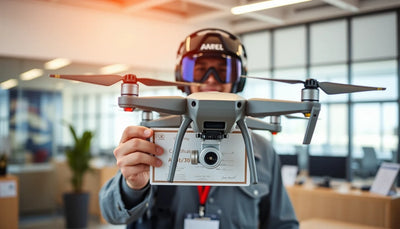
Vylepšení fyzické antény představuje skutečně reverzibilní způsob bez hackování, jak zvýšit dosah signálu o 40–80 % v podmínkách CE. Směrová anténa 4Hawks Raptor SR (polotuhá) pro ovladače DJI RC a RC-N1 se prodává za 149 USD a poskytuje naměřený zisk 4–6 dBi přes sériový 2 dBi dipól. Instalace zabere méně než 90 sekund — připnete držák antény na ovladač, připojíte adaptéry SMA a jste ve vzduchu. V režimu CE uživatelé hlásí ujetí od 1,8 km do 3,4 km v příměstských prostředích se Mavic 3 Classic s použitím Raptor SR. ALIENTECH DUO II (299 USD / přibližně 2 330 HKD) posouvá ještě dále s dvoupásmovými prvky Yagi 2,4/5,8 GHz, které poskytují zisk až 9 dBi, i když se paprsek zužuje a vyžaduje promyšlenější zaměřování. Pro piloty, kteří dbají na rozpočet, ITELITE DBS Maxx Range Extender (39–59 USD na eBay) je sada pasivních parabolických reflektorů, která se jednoduše nasune přes sériové antény a zaostří stávající paprsek, čímž zajistí zlepšení směru zhruba o 2–3 dB – dost na to, aby posunul Mini 2 ze Mini 2 na stabilní 3 km v otevřeném poli.X. Žádné z těchto řešení nezahrnuje otevření dronu, zrušení záruk nebo spuštění kontrol detekce neoprávněné manipulace DJI's. Úplný seznam kompatibilních anténních modů podle modelu dronu je udržován na fórech PhantomHelp a MavicPilots.
Kolik stojí dedikovaný dron FCC-Region DJI a stojí za to si ho koupit čistě kvůli lepšímu dosahu?
Purchasing an FCC-native DJI drone from a region where FCC is standard — the United States, Canada, Mexico, Hong Kong, or Taiwan — permanently sidesteps the CE limitation without any workaround needed. A pre-owned DJI Mini 3 Pro (FCC version, Grade A condition, under 10 flight hours) runs approximately $370–$480 USD, compared to a new CE-boxed unit from a European retailer at €629–€739. The price gap narrows rapidly as you move up the lineup: a pristine pre-owned Mavic 3 Classic in FCC spec lands around $850–$1,050 USD versus a new CE-spec unit at €1,249–€1,449. The cost-benefit math heavily favours the pre-owned FCC route when you factor in: (1) no time spent on GPS spoofing each session, (2) full OcuSync/O4 transmission rates without glitches, (3) broader accessory compatibility with FCC-native controllers, and (4) global DDP shipping that handles import duties upfront so you are not surprised by customs fees. Buyers in the Netherlands, Germany, and Belgium consistently report saving 25–35% over local new prices while gaining permanent FCC range. The key requirement is buying from a vendor who actually inspects and certifies the region code, not just a random eBay seller who may ship a grey-market CE unit mislabelled as FCC.
Kde koupit drony Pristine Použitý
Reboot Hub operates a dedicated pre-owned drone retail channel shipping globally from Shenzhen and Hong Kong with DDP terms — meaning duties, taxes, and customs clearance are fully included in the listed price. Every drone sold is classified as Pristine Pre-Owned, never pre-owned. Each unit passes a 40-point inspection at the Shenzhen repair facility, where MOHRSS Level 3 certified technicians verify the region code, battery cycle count, gimbal calibration, GPS lock time, and full power-on flight test. Two condition grades are available: Flawless (Grade A+) for activation-only units never actually flown, priced at a 20–25% discount to retail; and Pristine Pre-Owned (Grade A) for drones with minimal flight time and zero visible body marks, priced 30–40% below retail. All purchases include a 180-day warranty covering the aircraft, controller, battery, and gimbal assembly. The Shenzhen chip-level repair centre can also perform board-level diagnostics and antenna output measurements on request, with a typical 3–5 day turnaround. For European buyers specifically seeking FCC-region drones, Reboot Hub explicitly tags listings with the transmission region, so a Dutch or German customer can search "FCC" and instantly find compatible stock. Prices fluctuate based on USD/HKD exchange rates, but a typical Grade A DJI Air 3 (FCC, Fly More Combo) runs approximately $890 USD / 6,940 HKD with free DDP shipping to Rotterdam, Hamburg, or Antwerp.
Často kladené otázky

Otázka: Způsobí použití řešení režimu FCC na mém dronu DJI platnost záruky výrobce?
Odpověď: Oficiální záruční podmínky DJI's uvádějí, že jakákoli „neoprávněná úprava“ firmwaru nebo hardwaru může zrušit pokrytí. Přepínání FCC založené na GPS pomocí spoofingové aplikace na vašem telefonu nebo tabletu však NEZMĚNÍ firmware, bootloader ani hardware dronu – dron zůstává 100% skladem. Když zapnete a zapnete baterii, dron se vrátí ke čtení své skutečné GPS a automaticky se vrátí do režimu CE. V deníku letového ovladače nezůstala žádná trvalá stopa. To znamená, že pokud pošlete dron do záručního servisu, zatímco je aktivně nastaven na FCC prostřednictvím spoofingu, diagnostický nástroj DJI's by mohl detekovat nesoulad regionu a označit jej. Nejbezpečnější přístup: vleťte do FCC pomocí metody spoof, ale před jakýmkoli servisním požadavkem proveďte čistý tovární reset a vypněte a zapněte napájení ve vašem aktuálním umístění CE. U hardwarových anténních modů fyzicky měníte ovladač, což je pro DJI snazší rozpoznat – ale mnoho pilotů si nechává druhý skladový ovladač (použito kolem 85 USD) speciálně pro záruční reklamace. Alternativa, která zachovává plnou záruku: kupte si jednotku FCC-region od prodejce, který nabízí vlastní záruku (např. 180denní politika), takže nejste vůbec závislí na regionálních omezeních DJI's.
Otázka: Jak velký dosah mohu reálně očekávat od DJI Mini 4 Pro v režimu CE oproti režimu FCC?
Odpověď: Oficiální marketing DJI's uvádí 20 km pro Mini 4 Pro pod FCC (přenos O4, živé vysílání 1080p/60fps), ale reálná čísla v otevřeném venkovském terénu se pohybují kolem 8–10 km – 4 km2QXZZ. CE. V příměstských prostředích s rušením Wi-Fi a stromořadím, FCC obvykle poskytuje 3–5 km, zatímco CE se snaží překonat 1,2–2 km. Tyto údaje předpokládají let v přímé viditelnosti ve výšce 120 metrů bez fyzických překážek. Rozptyl pochází z místních úrovní hluku — létání v blízkosti sídliště s 50 aktivními Wi-Fi routery na 2,4 GHz sníží dosah CE o dalších 30–40 % ve srovnání s pláží nebo zemědělskou půdou. Evropští piloti často hlásí, že Mini 4 Pro spouští automatický návrat domů na vzdálenost pouhých 1,5–1,8 km v typických holandských nebo německých příměstských podmínkách. Přechod na FCC pomocí jakéhokoli řešení toto číslo snadno zdvojnásobí nebo ztrojnásobí. Baterie zůstává konečným stropem: dokonce i s nekonečným signálem poskytuje inteligentní letová baterie Mini 4 Pro's Plus (3 850 mAh, 95 USD) přibližně 34–38 minut letu v klidném vzduchu, bez ohledu na vzdálenost mezi 12–14 km zpátečního přenosu.
Otázka: Má létání s dronem DJI v režimu FCC v zemi regulované CE nějaké právní důsledky?

Odpověď: Provozování rádiového vysílače nad místně povoleným limitem EIRP je technicky porušením předpisů o spektru ve většině zemí CE. Ve Spojeném království Ofcom prosazuje zákon o bezdrátové telegrafii s teoretickými pokutami až do výše 5 000 GBP; v Německu může Bundesnetzagentur ukládat sankce podle TKG (Telekommunikationsgesetz). Nicméně vymáhání proti jednotlivým pilotům dronů létajících na úrovních výkonu překračujících CE v podstatě neexistuje pro rekreační použití. Vysílací výkon dronu DJI v režimu FCC (kolem 1 W EIRP na 2,4 GHz) je srovnatelný se standardním domácím Wi-Fi routerem, který denně obsluhují miliony Evropanů. Regulační pozornost se zaměřuje na provozovatele komerčního vysílání, nikoli na amatérské operátory UAS létající pod 120 metrů. Praktický rizikový profil je nízký, ale předpisy EU pro drony (EASA) také vyžadují, aby označení CE vašeho letadla zůstalo v platnosti – a vědomé provozování mimo přenosové limity CE by mohlo zkomplikovat pojistnou událost, pokud by došlo ke škodě způsobené třetí stranou. Mnoho odpovědných pilotů jednoduše zachází s režimem FCC jako s vyrovnávací pamětí nouzového signálu: létají v rámci normálních vzdáleností dosažitelných pomocí CE, ale mají navíc rezervu na spojení pro neočekávané rušení nebo rané scénáře RTH vyvolané napětím baterie.
Otázka: Jaký je cenový rozdíl mezi dronem použitý CE a dronem použitý FCC od specializovaného prodejce?
Odpověď: Od začátku roku 2025 nový DJI Air 3 (standardní sada, CE region) se prodává za 1 099 EUR od oficiálních prodejců v EU včetně DPH. Stejné letadlo prodávané jako Grade A použitý, FCC regionu, prostřednictvím specializovaného prodejce jako Reboot Hub přistane kolem 820–890 USD (zhruba 755–820 EUR při současných směnných kurzech), což představuje 25–32% úsporu ještě před započtením trvalé FCC výhoda. Pro DJI Mini 4 Pro, maloobchodní cena v EU je 799 EUR (standardní sada) oproti přibližně 510–570 USD (470–525 EUR) za třídu A použitý FCC jednotka — 30–35% mezera. The Fly More Combo sady ještě umocňují úspory, protože součástí balení jsou další baterie, nabíjecí rozbočovač a taška přes rameno použitý cena bez další přirážky. Nový Mini 4 Pro Fly More Combo v CE spec stojí 1 129 €; a použitý FCC ekvivalent stojí 680–740 USD (625–680 EUR). Vyhnete se také 21% DPH na evropskou novou cenu, pokud použitý jednotka zasílá DDP s předem proclenými cly – celkové náklady na vykládku jsou ty, které vidíte na faktuře. Faktor v 6měsíční záruce a cenová nabídka se rozhodně naklání směrem ke kontrole použitý FCC zásoba pro každého pilota, který upřednostňuje dolet.
Otázka: Skutečně fungují parabolické signální reflektory pro prodloužení DJI dosah dronu v CE režimu?
Odpověď: Soupravy parabolických reflektorů – nejoblíbenější jsou skládací misky z měděné síťoviny ve stylu Yagiyama prodávané pod značkami jako ITELITE, SKYREAT a různými generickými značkami Amazon (18–39 USD) – fungují jako pasivní zaměřovače signálu, které se připevňují na antény řadiče akcií. Fungují tak, že rádiovou energii, která by jinak vyzařovala za a po stranách ovladače, přesměrovávají do těsnějšího dopředného paprsku. Nezávislé testování členy komunity MavicPilots pomocí spektrálních analyzátorů RFExplorer ukazuje konzistentní zisk 2–3 dB na 2,4 GHz a 1,5–2,5 dB na 5,8 GHz s dobře vyrobeným parabolickým reflektorem správně nasměrovaným. V CE V režimu 3 dB zisk efektivně zdvojnásobí vnímanou sílu signálu na přijímači dronu, což znamená zhruba o 40–60 % větší dosah v otevřených podmínkách. A DJI Mini 2, které spolehlivě RTHs na 1,8 km CE se standardními anténami může dosáhnout 2,7–3,0 km se sadou reflektorů za 25 $. Nevýhody jsou skutečné: paprsek se stává směrovým se zhruba 60stupňovým kuželem, takže musíte držet ovladač namířený na letadlo - není ideální pro rychlé FPV-styl létání nebo složité manévry, kdy dron křižuje nad hlavou. Vypadají také poněkud nápadně, což může ve veřejných parcích přitahovat nežádoucí pozornost. Na kvalitě stavby velmi záleží; levné soupravy s volnými sponami nebo zdeformovanými reflektory nepřinášejí žádné měřitelné zlepšení. Originální ITELITE DBS Maxx (59 USD) trvale překonává 18 USD napodobeniny na trhu třetích stran tím, že zachovává přesnou parabolickou geometrii.
Otázka: Jak probíhá přenos O4 (OcuSync 4) v DJI Mini 4 Pro zvládnout CE versus FCC rozdíl výkonu oproti starším systémům O3?
A: Přenos O4, představený s Mini 4 Pro a Air 3, přináší zásadně přepracovanou architekturu SDR (softwarově definované rádio), která je agresivnější, pokud jde o dynamické nastavování výkonu v rámci regulačních stropů. V FCC regionech, O4 prosazuje až 4 W EIRP na 5,8 GHz a udržuje přenosovou rychlost živého přenosu 60 Mb/s. V CE v regionech zůstává maximální přípustné EIRP omezeno na ~200 mW na 5,8 GHz, takže výhoda O4 oproti O3 v CE režim je primárně z vylepšeného designu antény (čtyři vestavěné antény na Mini 4 Pro vs dva na Mini 3 Pro) a lepší algoritmy pro potlačení rušení, nikoli surový výkon. Skutečný svět CE rozsah se zlepšil zhruba o 25 % z O3 na O4 — a Mini 3 Pro uběhnout 2 km CE kroky až 2,5 km na a Mini 4 Pro, nikde se neblíží 100%+ zlepšení zaznamenanému v FCC podmínky. Praktický důsledek: evropští kupující, kteří upgradují primárně za účelem zvýšení dojezdu, budou zklamáni, když zůstanou CE režimu, ale přepnutím dronu O4 na FCC odemyká plný skok z generace na generaci. An FCC-režim Mini 4 Pro běžně zasáhne 8–10 km s pevným signálem pod širým nebem, zatímco nejlepší O3 Mavic 3 Classic spravuje v FCC je 6-8 km. Důležitá je také mezera přenosového datového toku – FCC O4 udržuje 1080p/60fps při 60 Mbps po většinu letu, zatímco CE O4 často klesá na 720p/30fps při rychlosti 10 Mb/s za hranicí 1,5 km, což zhoršuje FPV znatelně zažít.
Nejčastější dotazy
Co bych měl zkontrolovat na zdroji z Číny DJI trubec?
Potvrďte jazyk aplikace, stav aktivace, chování regionu, cestu firmwaru, párování ovladače a živý test v cílové zemi.
Mám se spoléhat na hacky firmwaru?
Ne. Nepodporovaná řešení mohou představovat riziko záruky, bezpečnosti a dodržování předpisů; před nákupem ověřte normální provoz.
Kam mám jít dál na Reboot Hub?
Před výběrem jednotky použijte stránku China region-lock hub, kontroly prodejce a stránku porovnání modelů.
Technická reference a specifikace
Specifikace modelu, poznámky k opravám s informacemi o demontáži, běžné body poruch a ceny použitý vizReboot Hub DJI Drone Wiki— 64 modelů a 700+ zmapovaných dílů, udržovaných po zdokumentovaných opravách. Prohlédněte si ověřené akcie použitý vKolekce použitý DJI.
Keep exploring
Further reading
From Kronika Reboot Hub


From Průvodci drony