دليل السيناريو Reboot Hub
ملخص المشتري: فحوصات الترخيص وقواعد التشغيل

الحالة:هل أحتاج إلى ترخيص طائرة بدون طيار تجارية في غانا لمسح الألغام بموجب قواعد gcaa. يجيب هذا الدليل على الموقف المحدد أولاً، ثم يوصل القارئ بمسار شراء Reboot Hub الذي تم التحقق منه.
استخدم الحالة أولاً
الترفيه المنفصل والتصوير التجاري والتفتيش والتعدين ورسم الخرائط والأحداث قبل تفسير القواعد.
فحص السلطة
التحقق من التسجيل ورخصة الطيار والمجال الجوي المحظور والتأمين وقواعد الخصوصية مع السلطة المختصة.
تأثير الشراء
يمكن للقواعد تغيير النموذج الصحيح والحمولة ووحدة التحكم والأوراق ووثائق البائع المطلوبة قبل الاستيراد.
أدلة Reboot Hub ذات الصلة:مقارنة الطائرات بدون طيار 2026أدلة الجمارك وضريبة القيمة المضافةأدلة الضمان والإصلاحمعيار Reboot Hub
هل أحتاج إلى ترخيص طائرة بدون طيار تجارية في غانا لمسح المناجم بموجب قواعد GCAA؟
الجواب السريع
- نعم - ترخيص الطائرات بدون طيار التجارية إلزامي.تصنف GCAA (هيئة الطيران المدني في غانا) مسح الألغام على أنها عملية تجارية للطائرات بدون طيار (RPAS) بموجب الجزء 28 من لوائح الطيران المدني في غانا، والتي تتطلب كلاً من رخصة طيار عن بعد (RPL) وشهادة مشغل RPAS (ROC).
- الميزانية تقريبًا 1,200 - 2,500 دولار أمريكي (GH₵ 15,000 - 31,000)للتدريب المشترك على RPL، ورسوم فحص GCAA، ومعالجة طلبات ROC - لا يشمل الطائرة بدون طيار نفسها.
- توقع جدولًا زمنيًا للمعالجة يتراوح من 6 إلى 10 أسابيعمن تقديم الطلب إلى إصدار ROC، بشرط اكتمال جميع الوثائق وأن يكون لدى المشغل عنوان فعلي مسجل في غانا.
- خفضت الطائرات بدون طيار المخصصة للمسح مستعمل تكاليف الدخول بنسبة 30-45%.تبلغ تكلفة الطراز الأصلي مستعمل DJI Matrice 350 RTK من Reboot Hub حوالي 9,200 دولار أمريكي (~71,800 دولار هونج كونج) مقابل 13,500 دولار أمريكي+ جديد - تم فحصه بالكامل مع ضمان لمدة 180 يومًا وشحن DDP إلى أكرا.
- يجب على المشغلين الأجانب الحصول على ترخيص المشغل الأجنبي GCAAبالإضافة إلى حيازة RPL صالحًا من ولايتهم الأصلية، مما يضيف ما يقرب من 800 إلى 1500 دولار أمريكي و4 إلى 6 أسابيع إضافية إلى الجدول الزمني للموافقة.
- قد يؤدي الطيران بدون ترخيص إلى فرض غرامات تصل إلى 5000 دولار أمريكيوالمصادرة المحتملة للمعدات بموجب أحكام إنفاذ GCAA - تواجه شركات التعدين أيضًا تأخيرات في المشروع إذا تم رفض بيانات المسح الجوي غير المرخصة من قبل الهيئات التنظيمية.
ما هي متطلبات GCAA لعمليات الطائرات بدون طيار التجارية في غانا؟
تحكم هيئة الطيران المدني في غانا جميع أنظمة الطائرات الموجهة عن بعد (RPAS) من خلالالجزء 28 من لوائح الطيران المدني في غانا، والذي دخل حيز التنفيذ الكامل في عام 2018 وتم تحديثه بأحكام الإنفاذ المعززة في عام 2022. بالنسبة لأي شخص يقوم بإجراء مسح للمناجم - سواء بالنسبة لامتيازات الذهب أو البوكسيت أو المنغنيز أو الليثيوم - يصنف GCAA هذا بشكل لا لبس فيه على أنهالعملية التجارية. لا توجد منطقة رمادية: إذا كان ناتج الرحلة يتغذى على عقد مدفوع، أو سير عمل داخلي للشركة، أو ملف امتثال تنظيمي، فأنت تعمل تجاريًا.
ذات صلة:هل يمكن للمساح استخدام DJI Mini 3 Pro بشكل قانوني في Shoreline Mapp
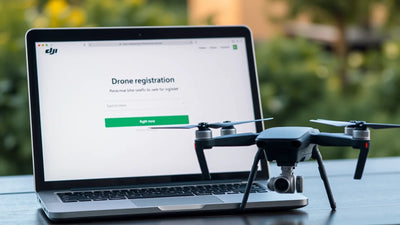
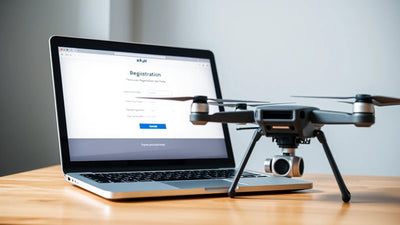
المتطلبات الأساسية ثلاثة أضعاف. أولاً، يجب أن يحمل الفرد الموجود في الضوابط أرخصة الطيار عن بعد (RPL) الصادرة عن GCAA، الأمر الذي يتطلب اجتياز اختبار المعرفة النظرية الذي يغطي هيكل المجال الجوي الغاني، والأرصاد الجوية، والأنظمة التقنية RPAS، والعوامل البشرية، يليه تقييم عملي للطيران تديره منظمة تدريب معتمدة من GCAA. ثانياً : يجب أن تمتلك الشركة أو الجهة المتعاقدة على أعمال المساحةشهادة مشغل RPAS (ROC)— هذا هو الترخيص التنظيمي الذي يغطي أدلة التشغيل وبروتوكولات الصيانة وأنظمة إدارة السلامة والمديرين المسؤولين المعينين. ثالثا،كل طائرة بدون طيار على حدةيجب أن تكون مسجلة في سجل GCAA RPAS برقم تسجيل فريد مثبت على الطائرة. بالنسبة لمسح المناجم على وجه التحديد، يجب أن يتوقع المشغلون تدقيقًا إضافيًا أثناء تطبيق ROC فيما يتعلق بأحكام ما وراء خط البصر المرئي (BVLOS)، نظرًا لأن مناطق الامتياز الكبيرة غالبًا ما تتجاوز النطاق البصري. يقوم GCAA حاليًا بمعالجة ما يقرب من 40 إلى 60 طلب ROC سنويًا، مع معدل موافقة لأول مرة يبلغ حوالي 65% - تعد عمليات إعادة التقديم شائعة وتضيف 3-5 أسابيع إلى الجدول الزمني.
ذات صلة:طائرات بدون طيار DJI لرصد المحاصيل في كينيا: قواعد KCAA والشراء
ما هي تكلفة الحصول على ترخيص لعمليات الطائرات بدون طيار التجارية في غانا؟
ينقسم إجمالي الاستثمار في الترخيص إلى مجموعات تكلفة متميزة يقلل المشغلون من تقديرها في كثير من الأحيان.يتكلف تدريب RPL من خلال منظمة تدريب معتمدة من GCAA (ATO) ما بين 800 إلى 1500 دولار أمريكي.اعتمادًا على المؤسسة - يتقاضى مقدمو الخدمات في أكرا، مثل Aerojet Aviation وK-Poly RPAS Academy، رسومًا عند الحد الأعلى، في حين أن الخيارات القائمة في كوماسي تتجه نحو 800 إلى 1000 دولار. رسوم فحص GCAA نفسها هي بند منفصل منحوالي 120 دولارًا أمريكيًا (GH₵ 1,500)، واختبار الطيران العملي يحمل رسوم تقييم تقريبًا200-350 دولارًا أمريكيًا. إذا فشلت في العملي في المحاولة الأولى - وهو ما يحدث في حوالي 25% من الحالات وفقًا للمدربين - فإن كل إعادة اختبار تكلف نفس رسوم التقييم مرة أخرى.
التبلغ رسوم طلب ROC ما بين 500 إلى 800 دولار أمريكياعتمادًا على فئة التعقيد التشغيلي. تندرج عملية مسح الألغام عادة ضمن الفئة B أو C، والتي تتطلب دليل عمليات شامل، وتقييم مخاطر السلامة، وقوائم الموظفين المعينين. يقوم العديد من المتقدمين بتعيين مستشار طيران لإعداد وثائق ROC، بالإضافة إلى ذلك1000 دولار – 2500 دولار أمريكيفي الرسوم المهنية. ثم هناك رسوم تسجيل RPAS السنوية50 دولارًا أمريكيًا لكل طائرة بدون طياروالتأمين الإلزامي ضد مسؤولية الطرف الثالث، والذي يكلف300-600 دولار أمريكي سنويًالسياسة مسح الألغام مع حدود التغطية الكافية. أخيرًا، يجب على مشغل السنة الأولى أن يضع الميزانية2,800 دولار - 5,500 دولار أمريكيأن يتم ترخيصها بالكامل وتأمينها بطائرة بدون طيار مسجلة - قبل شراء أي معدات. لا يقدم GCAA إمكانية الدفع بالتقسيط؛ يتم دفع جميع الرسوم مقدمًا بالسيدي الغاني بأسعار الصرف السائدة في بنك غانا.
ما هي الطائرات بدون طيار الأكثر ملاءمة لمسح المناجم بموجب قواعد GCAA؟

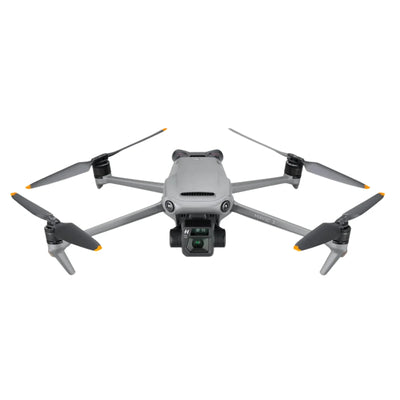
يتطلب مسح المناجم في غانا قدرات محددة: تحديد المواقع على مستوى السنتيمتر RTK أو PPK، والقدرة على التحمل الكافي للطيران لتغطية كتل الامتياز الكبيرة، وكاميرات مصراع ميكانيكية للحد من تشويه مصراع الدوران، والتوافق مع برامج القياس التصويري القياسية الصناعية مثل Pix4Dmapper أو Agisoft Metashape أو DJI Terra. لا يصف GCAA نماذج محددة من الطائرات بدون طيار - يمكن تسجيل أي طائرة بدون طيار يقل وزنها الأقصى عن 25 كجم عند الإقلاع - ولكن المتطلبات التشغيلية لمواقع المناجم تضيق المجال بشكل فعال إلى عدد قليل من المنصات الاحترافية. الDJI Matrice 350 RTKهو المعيار الذهبي الحالي للاستطلاعات واسعة النطاق، حيث يوفر أوقات طيران مدتها 55 دقيقة، ومقاومة الطقس IP55 لموسم الأمطار في غانا، وتكامل RTK الأصلي بدون إضافات خارجية. الDJI Mavic 3 Enterpriseمع وحدة RTK تحظى بشعبية متزايدة للامتيازات متوسطة الحجم والتحليل الحجمي للمخزون، في حين أنDJI فانتوم 4 RTKتظل بمثابة العمود الفقري الموثوق به لمراقبة الحفر الصغيرة وسدود المخلفات، على الرغم من توقفها - تظل البطاريات البديلة وقطع غيار OEM متاحة على نطاق واسع من خلال متخصصي مستعمل مثل Reboot Hub.
يقارن الجدول أدناه أسعار التجزئة الجديدة مقابل خيارات Reboot Hub مستعمل، بما في ذلك توفير التكاليف التي يمكن إعادة توجيهها نحو رسوم ترخيص GCAA والتأمين واشتراكات برامج القياس التصويري.
| نموذج الطائرة بدون طيار | البيع بالتجزئة الجديد (بالدولار الأمريكي) | درجة Reboot Hub | سعر Reboot Hub (بالدولار الأمريكي) | سعر Reboot Hub (دولار هونج كونج) | المدخرات (بالدولار الأمريكي) | الضمان |
|---|---|---|---|---|---|---|
| DJI Matrice 350 RTK (بدون حمولة) | 13,500 دولار | بريستين مستعمل (أ) | 9,200 دولار | ~71,800 دولار هونج كونج | 4,300 دولار (32%) | 180 يومًا |
| وحدة DJI Mavic 3 Enterprise + RTK | 3800 دولار | لا تشوبه شائبة (أ+) | 2,650 دولارًا | ~20,700 دولار هونج كونج | 1,150 دولار (30%) | 180 يومًا |
| DJI Phantom 4 RTK (مجموعة كاملة) | 6,200 دولار (توقف) | البكر مستعمل (A) | 4,100 دولار | ~32,000 دولار هونج كونج | 2,100 دولار (34%) | 180 يومًا |
| DJI Matrice 300 RTK (بدون حمولة) | 10,500 دولار | البكر مستعمل (أ) | 6,800 دولار | ~53,100 دولار هونج كونج | 3,700 دولار (35%) | 180 يومًا |
يتم شحن جميع الطائرات بدون طيار Reboot Hub مستعملDDP (رسوم التسليم مدفوعة الأجر) من شنتشن وهونج كونج، مما يعني أن السعر الذي تراه يشمل التخليص الجمركي الغاني ورسوم الاستيراد وضريبة القيمة المضافة - لا توجد رسوم مفاجئة عند الوصول إلى محطة الشحن بمطار كوتوكا الدولي. تجتاز كل وحدة فحصًا متعدد النقاط مع قطع غيار OEM الأصلية فقط، ويغطي ضمان 180 يومًا أعطال المكونات بما في ذلك محركات المحور، ووحدات RTK، وتدهور خلايا البطارية بما يتجاوز 15% من السعة المقدرة. بالنسبة لمساحي المناجم الذين يعملون على هوامش مشروع محدودة، فإن الجمع بين المدخرات المقدمة بنسبة 30-35% وشحن DDP الكامل يزيل أكبر نقطتين ماليتين صعبتين للحصول على أجهزة طائرات بدون طيار احترافية في غرب إفريقيا.
ماذا يحدث إذا قمت بقيادة طائرة بدون طيار تجاريًا بدون ترخيص في غانا؟
قام GCAA بتشديد إجراءات التنفيذ تدريجيًا منذ عام 2022، خاصة بعد عدة حوادث تدخلت فيها طائرات بدون طيار غير مرخصة في عمليات طائرات الهليكوبتر بالقرب من امتيازات التعدين في المنطقتين الغربية وأشانتي. تحتالجزء 28، القسم 28.12 من لوائح GCAA، فإن إجراء عمليات RPAS التجارية دون ROC صالح يشكل جريمة يعاقب عليها بغرامة تصل إلى5,000 دولار أمريكي (حوالي 62,500 جنيه إسترليني بالمعدلات الحالية)لكل مخالفة. يمكن لـ GCAA أيضًا طلب أمر من المحكمةمصادرة المعدات، وفي الحالات التي تنطوي على التعدي على المجال الجوي المحظور - والذي يشمل مناطق تقع ضمن مسافة 8 كيلومترات من أي مطار مرخص، والعديد منها يخدم مجتمعات التعدين - تتصاعد العقوبات إلى تهم جنائية محتملة مع غرامات قصوى تبلغ10,000 دولار أمريكيوالسجن لمدة تصل إلى 12 شهرًا.
وبعيدًا عن التعرض القانوني المباشر، يواجه المشغلون غير المرخصون مخاطر تجارية كبيرة. تطلب شركات التعدين في غانا، وخاصة تلك المدرجة في ASX أو TSX أو LSE مع التزامات صارمة تتعلق بالحوكمة البيئية والاجتماعية والحوكمة والامتثال، بشكل روتيني إثبات ترخيص GCAA قبل قبول مخرجات المسح الجوي. إذا تم وضع علامة على بيانات مشغل غير مرخص أثناء تدقيق المشروع - وهو ما يحدث بوتيرة متزايدة مع قيام شركات استشارات التعدين الدولية بتشديد العناية الواجبة للبائعين - فقد تكون مجموعة بيانات المسح بأكملهامرفوض وغير صالح للاستعماللتقدير الموارد، أو تحديثات تصميم الحفرة، أو تقديم التقارير التنظيمية إلى لجنة المعادن. يمكن أن تتجاوز تكلفة إعادة المسح لامتياز مساحته 500 هكتار15,000 دولار أمريكي، مما يقزم الاستثمار الأصلي في الترخيص المناسب. تم تسجيل خمسة إجراءات إنفاذ منفصلة علنًا بواسطة GCAA في عام 2023 وحده، بما في ذلك الحالة التي تم فيها مصادرة Matrice 300 RTK مع مشغل غير مرخص من خلال امتياز منغنيز صغير الحجم في المنطقة الغربية وتم تغريمه بمبلغ 3200 دولار أمريكي بعد بلاغ من مشغل مرخص منافس.
لماذا تشتري من Reboot Hub؟
لوازم Reboot Hubطائرات مستعمل بدون طيار - وليست مستعمل، ولم يتم إصلاحها- مصدرها مباشرة من شنتشن وهونج كونج مع إمكانية التتبع الكامل. تخضع كل وحدة لالتفتيش متعدد النقاطيغطي معايرة المحور المحوري، واختبار انحراف IMU، وتحليل محمل المحرك، ومصادقة دورة البطارية، وسلامة إشارة الوحدة RTK. يتم استبدال المكونات التي تقل عن المواصفات حصريًا بـقطع غيار أصلية من صانع المعدات الأصلية- لا يوجد بدائل لطرف ثالث. نظام الدرجات شفاف:لا تشوبه شائبة (أ+)الوحدات عبارة عن طائرات بدون طيار للتنشيط فقط ولم تسجل ساعات طيران مطلقًاالبكر مستعمل (A)تُظهر الوحدات الحد الأدنى من الاستخدام مع عدم وجود علامات مرئية على هيكل الطائرة أو غلاف الكاميرا أو جهاز الهبوط. تتضمن كل عملية شراء أضمان لمدة 180 يومًاتغطية عيوب الأجهزة، والشحنDDP إلى غانا— تتولى شركة Reboot Hub جميع أعمال الوساطة الجمركية ورسوم الاستيراد والخدمات اللوجستية للتخليص إلى أكرا. بالنسبة للمشغلين الذين يمتلكون المعدات بالفعل، يقع مقرها في شنتشنمنشأة إصلاح على مستوى الشريحةيعمل به فنيون معتمدون من MOHRSS Level 3مدة التنفيذ من 3 إلى 5 أيامحول معظم حالات الفشل الشائعة، مع وجود نقطة تسليم في هونج كونج تلغي أوراق التصدير الخاصة بالبر الرئيسي للصين للعملاء الدوليين. هذا المزيج من دقة الفحص وتغطية الضمان والبساطة اللوجستية يجعل من Reboot Hub قناة الشراء الأكثر عملية لمساحي المناجم الغانيين الذين يحتاجون إلى أجهزة ذات جودة احترافية بدون علاوة البيع بالتجزئة الكاملة.
مسار حل السيناريو
أبقِ هذه الإجابة متصلة بمكتبة السيناريوهات Reboot Hub
تنتمي هذه المقالة إلى فرع القواعد/الترخيص. استخدم المركز لمقارنة أسئلة المشتري القريب والفحوصات وأدلة الخطوة التالية.
افتح مسار سيناريو القواعد/الترخيصالأسئلة المتداولة

سؤال: هل يمكن لطيار أجنبي بدون طيار إجراء عمليات مسح للألغام في غانا بشكل قانوني دون الحصول على ترخيص صادر من غانا؟
ج: لا. يجب على الطيارين الأجانب الحصول على أترخيص المشغل الأجنبي GCAAبالإضافة إلى حمل شهادة RPL سارية أو ما يعادلها من هيئة الطيران المدني في بلدهم الأصلي. تتطلب عملية الترخيص الأجنبي تقديم تصريح أمني من الدولة الأصلية لمقدم الطلب، وإثبات التأمين الذي يغطي العمليات داخل الأراضي الغانية، وخطة تشغيلية مفصلة لكل مشروع مسح محدد. تستغرق المعالجة4-6 أسابيعوتكلف تقريبًا800-1500 دولار أمريكي. يكون التفويض خاصًا بالمشروع وغير قابل للتحويل - إذا أكملت استبيانًا للمنجم أ ثم فزت بعقد للمنجم ب، فيجب عليك تقديم طلب جديد أو تعديل للتفويض الحالي. رفض GCAA ما يقرب من 20% من طلبات المشغلين الأجانب منذ عام 2022، ويرجع ذلك أساسًا إلى عدم اكتمال وثائق التأمين أو عدم كفاية التفاصيل في تقييم المخاطر التشغيلية المقدم لظروف الموقع المحددة في غانا.
س: ما المدة التي تستغرقها عملية ترخيص GCAA الكاملة من البداية إلى النهاية؟
ج: توقعالمجموع من 6 إلى 10 أسابيعإذا تم إعداد جميع الوثائق بشكل صحيح عند التقديم الأول. يتم تشغيل الدورة التدريبية RPL2-3 أسابيعبدوام كامل، عادةً ما تتم جدولة الاختبار الكتابي GCAA خلال أسبوع إلى أسبوعين من إكمال الدورة، ويتبعه اختبار الطيران العملي في غضون أسبوع آخر. يتطلب تطبيق ROC - الذي يتضمن مراجعة دليل العمليات، وتقييم نظام إدارة السلامة، ومقابلة المدير المسؤول -4-6 أسابيعمن تاريخ التقديم. تحدث التأخيرات الأكثر شيوعًا في مرحلة دليل العمليات: مفتشية RPAS التابعة لـ GCAA هي فريق صغير يتعامل مع جميع الطلبات على الصعيد الوطني، ويتم إرجاع الأدلة التي لا تعالج بشكل مناسب مخاطر المجال الجوي الخاصة بغانا (تقليل رؤية هارماتان، والقرب من طرق طائرات الهليكوبتر للتعدين، ومخاطر ضربات الحياة البرية بالقرب من مناطق الامتياز) للمراجعة، مضيفًا2-4 أسابيعلكل دورة إعادة تقديم. يمكن أن يؤدي الاستعانة باستشاري على دراية بأنماط ردود الفعل GCAA الحديثة إلى تقليل مخاطر المراجعة بشكل كبير.
س: هل يتطلب GCAA موافقة منفصلة لكل مسح موقع منجم فردي أقوم به؟
ج: ليس بالضبط — لكن المتطلبات التشغيلية تختلف حسب الموقع. تغطي ROC القياسية العمليات داخل منطقة تشغيلية محددة. إذا كانت جميع مواقع التعدين الخاصة بك تقع ضمن نفس منطقة معلومات الطيران GCAA وكان دليل العمليات الخاص بك يتناول ملفات تعريف المخاطر المحددة لكل نوع من المواقع (الحفرة المفتوحة، وسد المخلفات، وامتياز الغابات)، فقد يكفي ROC واحد. ومع ذلك، إذا كان الموقع داخل8 كيلومتر من المطار أو المنشأة العسكرية أو منطقة الأمن الوطنييجب الحصول علىالموافقة التشغيلية الخاصة بالموقعلكل حملة طيران يضيف150-300 دولار أمريكي لكل طلبويتطلب إشعارًا مسبقًا قبل 2-3 أسابيع. تقع العديد من امتيازات الذهب الرئيسية بالقرب من Tarkwa وObuasi ضمن مناطق التنسيق التي تؤدي إلى هذا المطلب - وتنسق GCAA مع القوات المسلحة الغانية بشأن الوصول إلى المجال الجوي بالقرب من منشآت معينة، مما قد يؤدي إلى تمديد الجداول الزمنية للموافقة بشكل غير متوقع.
س: هل يمكنني استخدام طائرة بدون طيار مسجلة في دولة أخرى لمسح الألغام في غانا؟

ج: لا.يجب تسجيل جميع طائرات RPAS التي تعمل تجاريًا في غانا في سجل GCAA RPAS، بغض النظر عن التسجيل المسبق في ولاية قضائية أخرى. رسوم التسجيل هي50 دولارًا أمريكيًا لكل طائرة بدون طيار سنويًاويجب أن يكون رقم التسجيل مثبتًا فعليًا على الطائرة بملصق مقاوم للحريق. إذا قمت باستيراد الطائرة بدون طيار من الخارج - على سبيل المثال، شراء Pristine مستعمل DJI Matrice 350 RTK من Reboot Hub مع شحن DDP - فستتطلب GCAA إثباتًا للتخليص الجمركي والرقم التسلسلي للطائرة بدون طيار أثناء عملية التسجيل. يعمل شحن DDP على تبسيط ذلك بشكل كبير لأن شريك Reboot Hub اللوجستي يتولى تخليص هيئة الإيرادات الغانية ويوفر الوثائق اللازمة لتسجيل GCAA دون رسوم إضافية أو تأخير في ميناء الدخول.
س: ما نوع التأمين الإلزامي لعمليات الطائرات بدون طيار التجارية في غانا؟
ج: ولايات GCAAتأمين مسؤولية الطرف الثالث بحد أدنى للتغطية قدره 50,000 دولار أمريكي لكل حادثلعمليات الطائرات بدون طيار التجارية ضمن الفئة ب، والتي تغطي معظم أنشطة مسح الألغام. من الناحية العملية، غالبًا ما تتطلب شركات التعدين التعاقد مع خدمات المسح250,000 دولار – 500,000 دولار أمريكيفي تغطية المسؤولية كشرط تعاقدي، خاصة بالنسبة للعمليات القريبة من طرق النقل النشطة أو مصانع المعالجة أو مناطق التفجير حيث يتواجد الموظفون. الأقساط السنوية تتراوح من300 دولار أمريكي لتغطية أساسية بقيمة 50,000 دولار أمريكي إلى 1,200 دولار أمريكي + دولار أمريكي لسياسات شاملة بقيمة 500,000 دولار أمريكيوالتي تشمل تغطية بدن الطائرة بدون طيار نفسها. تقدم شركات التأمين الغانية، مثل SIC Insurance وEnterprise Insurance، سياسات خاصة بـ RPAS، على الرغم من أن عملية الاكتتاب تتطلب عادةً نسخة من ROC وRPL الصالحين قبل إصدار عرض الأسعار. يجب أن يتم اعتماد السياسات التي تم شراؤها خارج غانا بشكل صريح للعمليات الإقليمية الغانية لتلبية متطلبات GCAA ومتطلبات عملاء التعدين.
س: هل يلزم الحصول على موافقة BVLOS (ما وراء خط البصر المرئي) لإجراء المسوحات الاستقصائية لامتيازات التعدين الكبيرة؟
ج: على الأغلب نعم. القاعدة الافتراضية GCAA هي أن RPAS يجب أن يبقى بالداخلخط الرؤية المرئي (VLOS) للطيار البعيد أو المراقب المدرب— عادة 500 متر أفقيًا في ظروف صافية. بالنسبة لامتيازات التعدين التي تتجاوز 100 هكتار، نادرًا ما يكون الحفاظ على VLOS من موقع واحد ممكنًا، مما يعني أنك بحاجة إلىالموافقة التشغيلية لشركة BVLOSتم إلحاقه بـ ROC الخاص بك. تعد هذه واحدة من أكثر موافقات GCAA التي تم التدقيق فيها: يجب أن يتضمن التطبيق استراتيجية اكتشاف وتجنب (غالبًا ما تستخدم أجهزة استقبال ADS-B على متن الطائرة أو رادار أرضي لعمليات أكبر)، وخطة اتصال بين الطيار وأي مراقبين متمركزين عبر منطقة الامتياز، وإجراءات الطوارئ المفقودة التي تؤدي تلقائيًا إلى العودة إلى المنزل على ارتفاع مبرمج مسبقًا فوق أعلى ميزة تضاريس على بعد 2 كم من مسار الرحلة. تضيف موافقة BVLOS400-700 دولار أمريكي كرسوم GCAAويتطلب عادةً من 6 إلى 8 أسابيع من وقت المعالجة الإضافي. ينجح المتقدمون لأول مرة في ما يقرب من 50% من الحالات عند التقديم الأولي؛ تتطلب معظمها جولة واحدة على الأقل من المراجعات التي تتناول تخفيف المخاطر الخاصة بالتضاريس - وخاصة ذات الصلة بتضاريس الحزام الذهبي المتموج في غانا مع تغيرات مفاجئة في الارتفاع تتراوح بين 80 و150 مترًا عبر مسافات قصيرة.
س: كم مرة يلزم تجديد تراخيص وشهادات GCAA؟
ج: الرخصة الطيار عن بعد (RPL) صالحة لمدة 24 شهرًامن تاريخ الإصدار وتتطلب مراجعة رحلة التجديد مع مقيم معتمد من GCAA، بتكلفة تقريبية150 دولارًا - 250 دولارًا أمريكيًا. الشهادة مشغل RPAS (ROC) صالحة لمدة 12 شهرًامع رسوم تجديد سنوية قدرها400-600 دولار أمريكي، والذي يتضمن تدقيقًا مكتبيًا لسجلات السلامة والصيانة الخاصة بالمشغل. يجب أيضًا تجديد تسجيل الطائرات بدون طيارسنويًا بسعر 50 دولارًا أمريكيًا لكل طائرة. يرسل GCAA تذكيرات بالتجديد قبل 60 يومًا تقريبًا من انتهاء الصلاحية، لكن المسؤولية تقع في النهاية على عاتق المشغل - تؤدي الهفوات في صلاحية ROC إلى إيقاف جميع عمليات الطيران التجارية على الفور، ويتطلب الاستئناف بعد انتهاء الشهادة إعادة تقديم الطلب بالكامل بدلاً من التجديد البسيط، مما يضاعف التكلفة والجدول الزمني بشكل فعال. غالبًا ما يتلقى المشغلون الذين يحتفظون بسجل أمان نظيف مع عدم الإبلاغ عن أي حوادث معالجة تجديد مبسطة لمدة 2-3 أسابيع بدلاً من 4-6 أسابيع الأولية.
س: ما هي الأسباب الأكثر شيوعًا لرفض GCAA طلب ROC لمسح الألغام؟
ج: الأسباب الثلاثة الرئيسية للرفض هي:أدلة العمليات غير كاملة أو عامةالتي لا تعالج العوامل البيئية الخاصة بغانا (حوالي 40% من حالات الرفض)،وثائق التأمين غير كافيةحيث لا تغطي صياغة السياسة بشكل صريح عمليات الطائرات بدون طيار التجارية في الأراضي الغانية (25% من حالات الرفض)، والفشل في تعيين مدير مؤهل ومسؤولالذي يستوفي متطلبات الخبرة GCAA - يجب أن يتمتع المدير المسؤول إما بخلفية طيران أو خبرة تشغيلية يمكن إثباتها لـ RPAS لا تقل عن 50 ساعة طيران تجارية مسجلة خلال الـ 18 شهرًا السابقة (20% من حالات الرفض). تنبع نسبة الـ 15٪ المتبقية من مشكلات متنوعة بما في ذلك أوراق تسجيل الطائرات بدون طيار غير المكتملة، أو إعلانات الرقم التسلسلي المفقودة، أو تقييمات مخاطر السلامة التي تغفل المخاطر الخاصة بالموقع مثل القرب من خطوط الكهرباء ذات الجهد العالي التي تعبر العديد من امتيازات التعدين الغانية. إن إشراك مستشار طيران محلي نجح في توجيه طلبات ROC من خلال GCAA في الأشهر الـ 12 الماضية هو الطريقة الوحيدة الأكثر فعالية لتجنب هذه المخاطر - تعتبر الرسوم المهنية التي تتراوح بين 1000 و2500 دولار أمريكي على نطاق واسع استثمارًا حكيمًا مقابل تكلفة الطلب المرفوض وتأخير المشروع.
الأسئلة الشائعة
ما الذي يجب أن أتحقق منه أولاً هل أحتاج إلى ترخيص طائرة بدون طيار تجارية في غانا لمسح الألغام بموجب قواعد gcaa؟
فصل الاستخدام الترفيهي عن العمل التجاري، ثم التحقق من التسجيل ورخصة الطيار وموافقة المجال الجوي والتأمين وقواعد الخصوصية مع السلطة المختصة.
هل تغير قواعد الطائرات بدون طيار قرار الشراء؟
نعم. يمكن للوزن والكاميرا والحمولة وإعداد البطارية ونوع وحدة التحكم والأوراق تغيير طراز مستعمل DJI العملي.
هل يمكن لهذه المقالة أن تحل محل المشورة القانونية الرسمية؟
لا، تعامل معها كقائمة مرجعية لتخطيط المشتري وقم بتأكيد القواعد الحالية مع هيئة الطيران أو الجمارك أو السلطة المحلية المذكورة.
مصادر رسمية:هيئة الطيران المدني في غانا. تتغير لوائح الطائرات بدون طيار بشكل متكرر - تحقق دائمًا من القواعد الحالية مع هيئة الطيران قبل السفر.
المرجع الفني والمواصفات
للحصول على مواصفات الطراز وملاحظات الإصلاح المدروسة ونقاط الفشل الشائعة وتسعير مستعمل، راجعReboot Hub DJI Drone Wiki— 64 طرازًا وأكثر من 700 قطعة محددة، تمت صيانتها من خلال الإصلاحات الموثقة. تصفح أسهم مستعمل التي تم التحقق منها فيمجموعة مستعمل DJI.
Keep exploring
Further reading
From تاريخ Reboot Hub

From أدلة الطائرات بدون طيار