Kiinasta tuodun alle 250 g:n dronin rekisteröinti Kanadassa: Kanadan kuljetussäännöt selitetty
Reboot Hub skenaarioopas
Ostajan tiedote: lisenssien ja käyttösääntöjen tarkastukset

Tilanne:registering a sub 250g drone imported from china in canada transport canada rules explained. This guide answers the specific situation first, then connects the reader to Reboot Hub's verified pre-owned buying path.
Käytä tapausta ensin
Erillinen virkistys, kaupallinen kuvaaminen, tarkastus, louhinta, kartoitus ja tapahtumat ennen sääntöjen tulkintaa.
Viranomaisten tarkastus
Tarkista rekisteröinti, lentäjän lupakirja, rajoitettu ilmatila, vakuutus ja tietosuojasäännöt asianomaiselta viranomaiselta.
Ostovaikutus
Säännöt voivat muuttaa ennen tuontia tarvittavaa oikeaa mallia, hyötykuormaa, ohjainta, paperityötä ja myyjän dokumentaatiota.
Aiheeseen liittyvät Reboot Hub-oppaat:Drone-vertailu 2026Tulli- ja alv-oppaatTakuu- ja korjausoppaatReboot Hub-standardi
Pikavastaus
- Sub‑250g drones imported from China do not require registration or a pilot certificate in Canada.Transport Canada vapauttaa mikrolennokit (alle 250 g) Kanadan ilmailusäännösten osan IX soveltamisalasta.
- HS-koodiin 8526.92 luokiteltujen droonien tuontitulli on 0 prosenttia.Normaalisti sovelletaan vain GST/HST:tä (5–15 %), mutta Reboot Hub’s DDP -toimitus kattaa kaikki verot ja maksut – maksat täsmälleen listatun hinnan.
- FlawlessA+ DJI Mini 3 (249 g) maksaa 369 USD / 2 880 HKD, mikä säästää 100 USD verrattuna uuteen (469 USD).Pristine A -luokka on 329 USD / 2 570 HKD, molemmilla 180 päivän takuu.
- Jokainen drooni läpäisee 40 pisteen tarkastuksen ja sisältää alkuperäisiä OEM-osia.Reboot Hub toimittaa koskemattomia käytettyjä yksiköitä, ei koskaan "käytetty".
- Virheettömät A+ droonit ovat vain aktivointia varten, niitä ei koskaan lennätä; Pristine A -drooneissa ei ole näkyviä jälkiä.DDP-lähetys Shenzhenistä/HK:sta ei tarkoita yllättäviä tullilaskuja Kanadassa.
- Voit lentää alle 250 g:n droneja valvomattomassa ilmatilassa ilman lupaa, mutta sinun on vältettävä valvottua ilmatilaa ja noudatettava tietosuojalakeja.
Do Sub‑250g Drones Imported from China Need Registration in Canada?
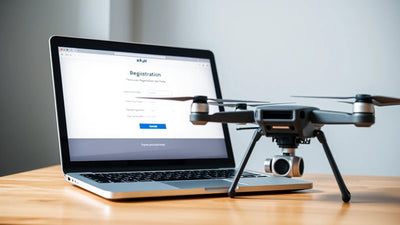
No. Transport Canada’s drone rules (Part IX of the Canadian Aviation Regulations) do not apply to remotely piloted aircraft that weigh less than 250 grams. That means a micro drone imported from China — like a DJI Mini 3, Mini 3 Pro, or Mini 4 Pro in its standard‑battery configuration — is completely exempt from the requirement to register the aircraft or obtain a pilot certificate. The rule is based purely on actual take‑off weight, not on the country of origin. When you fly a drone that weighs 249 g out of the box, you do not need to affix a registration number or carry a drone pilot certificate, and you do not need to pass an exam. However, this exemption vanishes the moment the drone’s weight exceeds 250 g. For example, if you install a DJI Intelligent Flight Battery Plus on a Mini 3, the take‑off mass rises to 290 g. At that point the drone becomes a small remotely piloted aircraft under Canadian law, and you must register it and hold at least a Basic Pilot Certificate. Reboot Hub’s pre‑owned sub‑250g drones ship with the standard 249‑g battery, so you stay inside the micro‑drone exemption unless you deliberately swap in a heavier pack. The exemption holds regardless of whether the drone was originally purchased in Shenzhen, Hong Kong, Toronto, or Vancouver — Transport Canada cares about weight, not customs documentation.
Aiheeseen liittyvä:SACAA osa 101 kaupallisten kiinteistöjen drone Opsille DJI:n kanssa
What Are the Import Fees and Taxes for a Sub‑250g Drone from China?
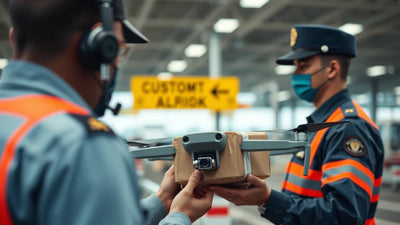
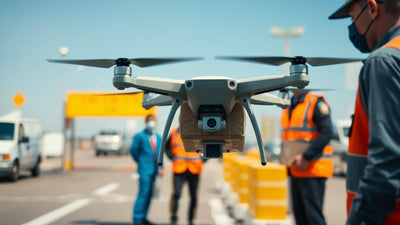
When you import a consumer drone into Canada, it falls under Harmonized System code 8526.92 — “Radio remote control apparatus for unmanned aircraft.” Under Canada’s Most‑Favoured‑Nation tariff schedule, goods from China in this category carry a duty rate of 0%. That means no customs duty is added at the border. However, the federal Goods and Services Tax (5%) and, depending on the province, a provincial sales tax or harmonized sales tax still apply. For instance, in Ontario the HST is 13%, so on a CAD‑equivalent value of about 500, the tax would be CAD 65. If you were handling clearance yourself, those charges would be due upon delivery. Reboot Hub completely removes that headache by offering DDP (Delivered Duty Paid) shipping from its Shenzhen and Hong Kong hubs. The price you see on the product page — say, USD 369 / HKD 2,880 for a Flawless A+ DJI Mini 3 or USD 619 / HKD 4,828 for a Flawless A+ Mini 4 Pro — is the final price. There are no additional brokerage fees, no HST invoices, and no delays at the CBSA counter. For a Mini 4 Pro that would otherwise attract about CAD 90 in tax, DDP saves time and money. Reboot Hub’s 180‑day warranty also means that if any import‑related shipping damage occurs, a repair or replacement is covered. The 40‑point inspection before dispatch ensures the drone’s declared value matches its grade, making the DDP process straightforward every time.
Aiheeseen liittyvä:Waar Kan Ik Vliegen tapasi Mijn Dronen Alankomaissa? Parhaat sovellukset
Mitkä Sub-250 g droonimallit tarjoavat parhaan vastineen Reboot Hub:ltä?

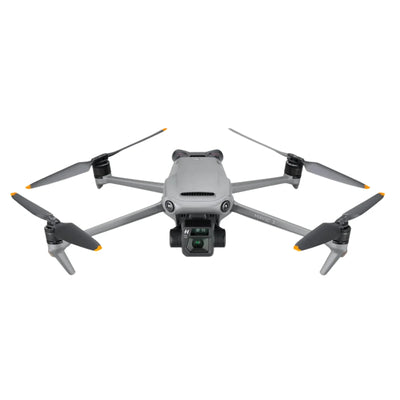
Reboot Hub sisältää tällä hetkellä DJI Mini 3, Mini 3 Pro ja MiniZXQTERM14QTERZ49 ZXQTERM14QTERZnative. alle 250 g:n alustat käytettäessä tavallista akkua. Alla oleva taulukko näyttää, kuinka Reboot Hub’s-luokiteltu käytetty hinnoittelu vastustaa saman mallin ostamista uutena Kanadassa käyttämällä USD-summia, jotka sisältävät DDP-toimituksen.
| Malli | Arvosana | Hinta Reboot Hub (USD/HKD) | Uusi vähittäismyynti (USD/HKD) | Paino | Suurin lentoaika |
|---|---|---|---|---|---|
| DJI Mini 3 | Virheetön A+ | 369 / 2,880 | 469 / 3,660 | 249 g | 38 min |
| DJI Mini 3 | Koskematon A | 329 / 2,570 | 469 / 3,660 | 249 g | 38 min |
| DJI Mini 3 Pro | Virheetön A+ | 549 / 4,280 | 669 / 5,220 | 249 g | 34 min |
| DJI Mini 3 Pro | Koskematon A | 479 / 3,735 | 669 / 5,220 | 249 g | 34 min |
| DJI Mini 4 Pro | Virheetön A+ | 619 / 4,828 | 759 / 5,920 | 249 g | 34 min |
| DJI Mini 4 Pro | Koskematon A | 549 / 4,280 | 759 / 5,920 | 249 g | 34 min |
The Flawless A+ grade is defined as activation‑only, never flown — effectively a new drone that someone opened and registered but never took to the sky. Pristine A‑grade units have minimal use and zero visible marks, yet still deliver identical flight performance. Both tiers save you 21%–30% compared with a retail unit. Because Reboot Hub uses only genuine OEM parts and puts each drone through a 40‑point inspection (motors, gimbal, GPS, camera calibration, battery cycles, and more), you aren’t sacrificing reliability. All three models stay under 250 g with the included battery, keeping you squarely in Transport Canada’s exemption zone. If you later need a repair, Reboot Hub’s Shenzhen chip‑level facility with MOHRSS Level 3 technicians can turn around most jobs in 3–5 days, fully covered for 180 days.
Kuinka voit varmistaa, että maahantuotu 250 g:n droonisi noudattaa Transport Canadan sääntöjä?
Kanadan säännösten oikealla puolella pysyminen alkaa dronin todellisesta painosta ja lentotavasta. Varmista ensin, että vastaanottamasi yksikkö on todella alle 250 g. Laillinen DJI Mini -sarjan drone tavallisella akulla painaa 249 g – selvästi rajan sisällä. Reboot Hub’s 40 pisteen tarkastus sisältää kalibroidun painontarkastuksen, joten voit olla varma, että drone saapuu ilmoituksen mukaisesti. Toiseksi, vältä jälkimarkkinaakkuja, jotka painavat yli 250 g, ellet ole valmis rekisteröimään dronea ja hankkimaan peruspilotin todistusta. Jopa 10 gramman lisäyksellä on merkitystä. Kolmanneksi, vaikka mikrodronit on vapautettu edistyneistä ilmatilaluvista, et silti saa lentää tavalla, joka vaarantaa lentoturvallisuuden. Transport Canada suosittelee, että pysyt vähintään 5,6 km:n etäisyydellä lentokentistä ja 1,9 km:n etäisyydellä helikopterikentistä, äläkä koskaan lennä luokan F rajoitetussa ilmatilassa ilman nimenomaista lupaa. Käytä NAV Dronea tai DJI Fly -sovelluksen geoaitaa pysyäksesi selkeänä. Neljänneksi, pidä droonisi näköetäisyydellä äläkä koskaan lennä ruuhkaisten alueiden yli, missä voit aiheuttaa vahinkoa. Käytetyt Reboot Hub’s-yksiköt säilyttävät alkuperäisen laiteohjelmiston, joten geoaitaus ja paluu kotiin -toiminnot toimivat täsmälleen kuten uudessa droneissa. Koska laitteistossa käytetään aitoja OEM-osia – ei kolmannen osapuolen korvikkeita – sisäänrakennetut turvaominaisuudet pysyvät täysin ennallaan, mikä auttaa sinua noudattamaan sekä valmistajan vaatimuksia että Transport Canadan mikrodrooneja koskevien ohjeiden "älä ole huolimaton" -lauseketta.
Miksi ostaa Reboot Hub:ltä?
Reboot Hub stands apart by offering truly pristine pre‑owned drones — not refurbs, not repaired returns. Every unit endures a rigorous 40‑point inspection at a Shenzhen facility that uses only genuine OEM parts, so performance and safety match factory‑fresh standards. Flawless (A+) drones are activation‑only, never flown; Pristine Pre‑Owned (A) units have minimal use and zero visible marks. Each purchase comes with a 180‑day warranty that covers defects, backed by a chip‑level repair workshop staffed with MOHRSS Level 3 technicians capable of a 3–5 day turnaround. All prices include DDP shipping from Shenzhen and Hong Kong, meaning you pay no import duty, no GST/HST, and no brokerage fees — the number you see is the number you pay. For Canadian buyers looking to fly a sub‑250g DJI Mini, Reboot Hub delivers a like‑new drone at a 21–30% saving, complete peace of mind on customs, and a warranty that outlasts many seller‑certified “pre-owned” programs.
Skenaarion ratkaisupolku
Pidä tämä vastaus yhdistettynä Reboot Hub-skenaariokirjastoon
Tämä artikkeli kuuluu Säännöt / lisenssi -haara. Keskittimen avulla voit vertailla lähellä olevien ostajien kysymyksiä, shekkejä ja seuraavan vaiheen oppaita.
Avaa Säännöt/lisenssiskenaarion polkuUsein kysytyt kysymykset

Q: Do I need a pilot certificate to fly a sub‑250g drone imported from China in Canada?
V: Ei. Transport Canada ei vaadi lentäjätodistusta tai rekisteröintiä miltään alle 250 g painavalta dronilta. Poikkeus on voimassa riippumatta siitä, missä drone on valmistettu tai ostettu. Jos kuitenkin asennat lisävarusteen, joka painaa yli 250 g – esimerkiksi DJI Mini 3 Intelligent Flight Battery Plus (290g) – dronista tulee pieni kauko-ohjattava lentokone, ja sinun on vähintään rekisteröitävä sen perussäännöt ja vaatimukset. Reboot Hub’s sub-250g droonit toimitetaan vakioakulla, mikä pitää sinut kynnyksen alapuolella.
K: Minkä takuun Reboot Hub tarjoaa ja miten korjausprosessi toimii?
A: Reboot Hub includes a 180‑day warranty that covers functional defects. If an issue arises, you can drop off the unit at the Hong Kong facility or ship it directly to the Shenzhen repair centre. The chip‑level repair lab is staffed by MOHRSS Level 3 technicians who use genuine OEM parts, and the typical turnaround is just 3–5 days. This warranty applies to both Flawless A+ and Pristine A‑grade drones, giving you half a year of worry‑free flying.
K: Veloitetaanko minulta tuontitulleja tai veroja ostaessani dronin Reboot Hub:ltä?
A: No. Canadian tariff code 8526.92 carries a 0% Most‑Favoured‑Nation duty rate for drones imported from China. However, GST/HST would normally be payable. Because Reboot Hub ships DDP (Delivered Duty Paid) from Shenzhen/HK, all customs duties, taxes, and brokerage fees are pre‑paid and included in the listed price. A Flawless A+ DJI Mini 4 Pro at USD 619 is the complete price — you won’t receive a separate CBSA invoice.
K: Miten Reboot Hub’s 40 pisteen tarkastus eroaa valmistajan tekemästä kunnostuksesta?

V: Reboot Hub’s-droonit ovat turmeltumattomia esiomistettuja, eivät käytetty. 40 pisteen tarkastus varmistaa muun muassa moottorin toiminnan, GPS-lukituksen, gimbalin kalibroinnin, kameran kohdistuksen, akun kunnon, laiteohjelmiston eheyden ja kosmeettisen kunnon. Virheettömät A+-yksiköt ovat vain aktivointia varten, niitä ei koskaan lennätä; Pristine A -yksiköitä on käytetty vain vähän, eikä näkyviä jälkiä ole. Toisin kuin käytetty-yksiköt, jotka on saatettu korjata muilla kuin OEM-osilla, Reboot Hub käyttää vain aitoja OEM-osia, joten drone toimii samalla tavalla kuin täysin uusi.
K: Voinko lentää alle 250 g:n droonillani laillisesti lähellä lentokenttää Kanadassa?
V: Mikrodroneihin ei sovelleta isompia droneja koskevia tiukkoja etäisyysvaatimuksia, mutta et silti saa lentää tavalla, joka aiheuttaa vaaran lentokoneille tai ihmisille. Transport Canada suosittelee pysymään vähintään 5,6 km:n etäisyydellä lentokentistä ja 1,9 km:n etäisyydellä helikopterikentistä, etkä saa lentää luokan F rajoitetussa ilmatilassa ilman lupaa. Vaikka todistusta ei vaadita, huolimaton lentäminen lentokentän lähellä voi johtaa ilmailulain mukaisiin maksuihin. Tarkista aina NAV Drone- tai DJI Fly -geoaidat ennen lentoonlähtöä.
Q: Does a sub‑250g drone from China need Remote ID in Canada?
V: Kanada ei toistaiseksi edellytä Remote ID:tä mikrodrooneille. Ehdotetut sääntelypäivitykset keskittyvät yli 250 g painaviin lentokoneisiin ja tiettyihin toimiin. DJI-dronit lähettävät tunnistuksen Aeroscopen kautta, mutta laki ei edellytä tätä. Jos määräykset muuttuvat tulevaisuudessa, Reboot Hub’s-yksiköt, joissa on autenttinen laiteohjelmisto, saavat soveltuvat päivitykset, joten pysyt ajan tasalla ilman lisälaitteita.
K: Mitä tapahtuu, jos droonissani ilmenee akkuongelma 180 päivän takuun puitteissa?
A: Battery performance is checked during the 40‑point inspection, but if a premature failure occurs, the process is straightforward. Contact Reboot Hub and arrange a drop‑off in Hong Kong or ship to Shenzhen. The MOHRSS Level 3 technicians will diagnose and, if needed, replace the battery with a genuine OEM unit. Turnaround is 3–5 days, and because the warranty covers functional defects, you won’t pay for the repair or battery replacement.
FAQ
What should I check first for registering a sub 250g drone imported from china in canada transport canada rules explained?
Erota virkistyskäyttö kaupallisesta työstä ja tarkista sitten rekisteröinti, lentäjän lupakirja, ilmatilan hyväksyntä, vakuutus ja tietosuojasäännöt asianomaiselta viranomaiselta.
Muuttavatko dronesäännöt ostopäätöstä?
Kyllä. Paino, kamera, hyötykuorma, akun asetukset, ohjaimen tyyppi ja paperityöt voivat muuttaa, mikä käytetty DJI -malli on käytännöllinen.
Voiko tämä artikkeli korvata virallisen oikeudellisen neuvon?
Ei. Käsittele sitä ostajan suunnittelun tarkistuslistana ja vahvista voimassa olevat säännöt nimetyltä ilmailu-, tulli- tai paikallisviranomaiselta.
Viralliset lähteet:Transport Canada – Drone Safety·CAAC — UAS Operation Management alusta (UOM). Drone-säännöt muuttuvat usein – tarkista voimassa olevat säännöt aina ilmailuviranomaiselta ennen lentoa.
Tekniset tiedot ja tiedot
Katso mallin tekniset tiedot, purkamiseen liittyvät korjausohjeet, yleiset vikakohdat ja käytetty-hinnoitteluReboot Hub DJI Drone Wiki— 64 mallia ja yli 700 kartoitettua osaa, ylläpidetty dokumentoiduista korjauksista. Selaa vahvistettua käytetty-varastoakäytetty DJI -kokoelma.
Keep exploring
Further reading
From Reboot Hub Chronicle


From Drone-oppaat