FAA Část 107 Požadavky na vyhodnocení poškození dronem při katastrofě v Texasu: Průvodce 2024
Průvodce scénářem Reboot Hub
Stručný popis kupujícího: kontrola licencí a provozních pravidel

Situace:Požadavky faa část 107 pro hodnocení škod způsobených katastrofou dronů v Texasu. Tato příručka nejprve odpovídá na konkrétní situaci a poté připojí čtečku k ověřené nákupní cestě použitý Reboot Hub.
Nejdříve případ použití
Oddělte rekreaci, komerční natáčení, kontrolu, těžbu, mapování a události před výkladem pravidel.
Kontrola autority
Ověřte registraci, pilotní průkaz, omezený vzdušný prostor, pojištění a pravidla ochrany soukromí u příslušného úřadu.
Vliv na nákup
Pravidla mohou před importem změnit správný model, užitečné zatížení, ovladač, papírování a dokumentaci prodejce.
Související návody Reboot Hub:Srovnání dronů 2026Průvodce pro cla a DPHZáruční a opravárenské příručkyStandard Reboot Hub
Rychlá odpověď
- Musíte být držitelem platného certifikátu dálkového pilota FAA Part 107provádět jakékoli komerční hodnocení škod způsobených katastrofou v Texasu založené na dronech – o tom se nesmí vyjednávat a za porušení předpisů hrozí pokuty až do výše 1 849 USD.
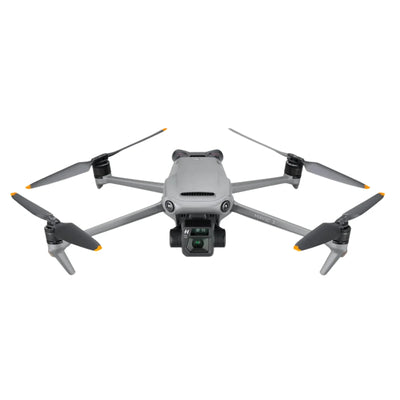
- Drony vybavené Thermal jako DJI Mavic 3 Thermal (použitý od 3 849 USD / ~ 30 020 HKD na Reboot Hub)jsou standardním nástrojem pro identifikaci strukturálních tepelných ztrát, pronikání vody a poškození střechy po hurikánech a tornádech.
- Kapitola 423 texaského vládního kodexu omezuje sledování dronůpřes kritickou infrastrukturu a soukromý majetek, ale operace reakce na katastrofy koordinované s agenturami pro řízení mimořádných událostí jsou během vyhlášených mimořádných událostí obvykle vyňaty.
- Podnikové drony Použitý od Reboot Hub snižují pořizovací náklady o 25–40 %versus nový maloobchod — DJI Matrice 30T, který se prodává za 9 999 USD, lze pořídit ve stavu Pristine Použitý (A) za 6 999 USD (~ 54 590 HKD), včetně 180denní záruky.
- Denní provoz je standardní podle části 107;Hodnocení nočního poškození vyžaduje protikolizní osvětlení viditelné na 3 míle – všechny zde uvedené podnikové modely DJI splňují tento požadavek s volitelnými stroboskopickými moduly.
- Zásilka DDP (Delivered Duty Paid) ze závodu Reboot Hub v Shenzhenuznamená, že váš dron dorazí do Texasu se všemi předplacenými dovozními a celními poplatky – žádné překvapivé poplatky při doručení, typická doba přepravy 5–8 pracovních dnů.
Jaké jsou požadavky FAA část 107 pro posouzení škod při katastrofě v Texasu?
FAA Část 107 upravuje všechny komerční operace malých bezpilotních letadlových systémů (SUAS) ve Spojených státech a hodnocení škod při katastrofách je podle federálních zákonů jednoznačně komerční činností. Každý, kdo provozuje dron za účelem kontroly, fotografování nebo mapování strukturálních poškození pro pojistné nároky, technické zprávy nebo koordinaci vládní pomoci, musí být držitelem aktuálního certifikátu dálkového pilota podle části 107. Certifikační proces vyžaduje absolvování zkoušky z leteckých znalostí s 60 otázkami v testovacím středisku schváleném FAA; zkouška stojí 175 USD za pokus a zahrnuje klasifikaci vzdušného prostoru, počasí, nouzové postupy a řízení zdrojů posádky. Certifikáty jsou platné 24 měsíců, poté musí piloti absolvovat bezplatný online opakovací výcvikový kurz prostřednictvím bezpečnostního týmu FAA (FAASTeam) – změna oproti předchozímu požadavku opakovat úplnou zkoušku každé dva roky, který byl zaveden v roce 2021.
Související:Záruka na drony použitý DJI na Filipínách: Co když
Texas představuje další vrstvy nad rámec federálního zákona. Kapitola 423 texaského vládního kodexu obecně zakazuje fotografování soukromého majetku drony bez souhlasu a omezuje operace v blízkosti ropných a plynárenských zařízení, ropovodů a telekomunikační infrastruktury – kterých je po celém Texasu dostatek. Sekce 423.002 však výslovně vyjímá operace prováděné pro účely pojištění, odborné technické inspekce a reakce na mimořádné události. Během guvernérem vyhlášené katastrofy – kterou Texas zažívá několikrát ročně kvůli hurikánům (Harvey, 2017; Beryl, 2024), tornádům a záplavám – se tyto výjimky podstatně rozšíří pro piloty operující v koordinaci s Texas Division of Emergency Management (TDEM) nebo FEMA.
Související:Nejtišší dron pro vnitřní britské svatební obřady? DJI Mini 5
Operátoři dronů musí také dodržovat standardní provozní limity podle části 107: maximální nadmořská výška 400 stop nad zemí (AGL), maximální pozemní rychlost 100 mph a vizuální přímka viditelnosti (VLOS) po celou dobu, pokud není získáno zproštění. Pro zóny katastrofy o rozloze několika čtverečních mil může být požadavek VLOS skutečným úzkým hrdlem – operátoři by měli požádat o výjimku Beyond Visual Line of Sight (BVLOS) prostřednictvím portálu DroneZone FAA alespoň 90 dní před očekávaným nasazením. Žádosti o výjimku mají 60–90denní okno pro zpracování a míra schválení výjimek BVLOS je od roku 2024 přibližně 15 %. Realisticky většina misí pro hodnocení poškození funguje pod VLOS s více startovacími a přistávacími body, což vyžaduje solidní plánování logistiky a správu baterií – plán pro 6 až 8 baterií Mavic 3 Thermal (~ 209 USD každá nová) na celý 8hodinový hodnotící den.
Které drony jsou nejlepší pro hodnocení škod při katastrofách v Texasu?
Výběr dronu pro posouzení poškození závisí na třech faktorech: schopnosti senzoru, odolnosti vůči větru a rychlosti nasazení. Pobřežní oblasti Texasu běžně zaznamenávají trvalý vítr o rychlosti 15–25 mph i mimo bouřkové podmínky a poryvy po katastrofě mohou dosáhnout rychlosti 35 mph. DJI Mavic 3 Thermal (M3T) se ukázal jako základní platforma pro rychlou inspekci střech a fasád, která kombinuje 48MP širokoúhlou kameru s radiometrickým tepelným senzorem s rozlišením 640 × 512 v balení, které váží 920 gramů a z pevného pouzdra se vysune za méně než 60 sekund. Jeho maximální odolnost proti větru je ohodnocena na 12 m/s (přibližně 27 mph), což pokrývá většinu oken hodnocení po bouři. M3T poskytuje 45 minut letu v klidném vzduchu, i když testovací mise v reálném světě s častými manévry visení a přibližování vedou k 32–35 minutám na baterii.
Pro rozsáhlé hodnocení infrastruktury – zamyslete se nad spalovacími komíny rafinérií, přenosovými věžemi a mostovkami – DJI Matrice 30T poskytuje podstatně více možností. Jeho třída odolnosti proti povětrnostním vlivům IP55 znamená, že může pracovat v mírném dešti a prašných podmínkách, které by mohly uzemnit menší draky. M30T integruje 48MP zoom fotoaparát s 16× optickým zoomem, 12MP širokoúhlý fotoaparát a teplotní senzor 640×512 plus vestavěný laserový dálkoměr, který poskytuje přesné měření vzdálenosti s přesností na 3 centimetry. Doba letu je 41 minut a drak zvládá rychlost větru až 15 m/s (33,5 mph). Na těchto specifikacích záleží, když dokumentujete poškození v průmyslovém areálu o rozloze 200 akrů nebo při průzkumu pobřeží po hurikánu kategorie 3.
Níže uvedená srovnávací tabulka uvádí aktuální ceny nejběžněji nasazovaných dronů pro hodnocení poškození, včetně toho, co Reboot Hub nabízí pro jednotky použitý, které prošly procesem vícebodové kontroly společnosti s originálními díly OEM a 180denní zárukou.
| Model | Specifikace klíče | Nový maloobchod (USD) | Reboot Hub Použitý A (USD) | Úspory |
|---|---|---|---|---|
| DJI Mavic 3 Thermal | Thermal 640×512, 45 min, vítr 27 mph | 5 499 $ | 3 849 $ (~ 30 020 HKD) | 30 % |
| DJI Matrice 30T | IP55, Thermal + zoom, 41 min, vítr 33,5 mph | 9 999 $ | 6 999 $ (~ 54 590 HKD) | 30 % |
| DJI Mavic 3 Enterprise | 48MP + 56× hybridní zoom, 45 min | 3 999 $ | 2 799 $ (~21 830 HKD) | 30 % |
| DJI Matrice 300 RTK + H20T | IP45, vícenásobné zatížení, 55 min | 13 400 $ | 9 380 $ (~73 160 HKD) | 30 % |
Všechny jednotky Reboot Hub použitý uvedené výše jsou klasifikovány jako Pristine Použitý (A) – minimální použití s nulovými viditelnými značkami na draku letadla. Bezchybné (A+) jednotky, což jsou drony pouze s aktivací, které ve skutečnosti nikdy nelétaly, jsou k dispozici pro vybrané modely se slevou zhruba 20–22 % z nového maloobchodu. Pro seřizovače pojištění a inženýrské firmy, které provozují více posádek v oblasti katastrofy, pořízení tří jednotek M3T za 3 849 USD místo 5 499 USD za každou ušetří celkem 4 950 USD – téměř dost na financování čtvrté jednotky použitý.
Kolik stojí nastavení dronu na klíč v roce 2024?

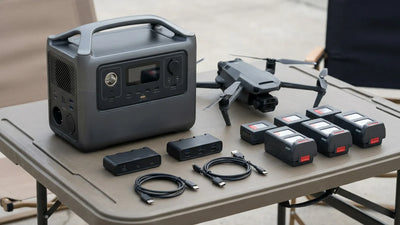
Kompletní souprava dronu připravená k plnění misí přesahuje samotné letadlo. Pro nastavení hodnocení poškození pro jednoho operátora postavené na DJI Mavic 3 Thermal je zde realistický rozpis nákladů. Letadlo (použitý A-grade od Reboot Hub) stojí 3 849 USD. Baterie: potřebujete minimálně 4 inteligentní letové baterie za 209 USD, každá nová, v celkové výši 836 USD – baterie použitý se z bezpečnostních důvodů nedoporučují, proto by se měly vždy kupovat nové. Ovladač DJI RC Pro Enterprise přidá 1 179 USD, pokud není součástí balíčku letadla. Pevné pouzdro jako Nanuk 935 pro M3T stojí přibližně 249 USD. Náhradní vrtule (3 sady za 15 USD za sadu) přidávají 45 USD. Antikolizní zábleskové světlo pro legální noční operace stojí 35–60 USD. Poplatek za zkoušku FAA Part 107 je 175 USD. Celkové náklady na klíč: přibližně 6 388 USD (~ 49 830 HKD) za plně vybavené nastavení pro jednoho operátora pomocí letadla použitý.
Pokud zakoupíte stejný Mavic 3 Thermal nový za 5 499 USD, identická sada bude stát 8 038 USD – rozdíl je 1 650 USD. Tento rozdíl ve výši 1 650 USD pokrývá v mnoha případech náklady na celé záložní letadlo nebo financuje termografický výcvikový kurz s certifikací FLIR (800 – 1 500 USD), který posílí vaše pověření pro klienty z oblasti pojištění a inženýrství. Firmám provozujícím tři posádky současně během velké události, jako je texaské krupobití – které jen v roce 2023 způsobilo pojistné ztráty přes 6 miliard dolarů – šetří trasa použitý ve třech sadách téměř 5 000 USD. Přeprava DDP společnosti Reboot Hub zajišťuje, že tyto sady dorazí do vaší kanceláře v Dallasu nebo Houstonu se všemi předplacenými poplatky, čímž se eliminují poplatky za celní zprostředkování, které obvykle přidávají 5–8 % k dovozu dronů na šedém trhu.
Jaká další certifikace nebo výjimky potřebujete pro reakci na katastrofu v Texasu?
Kromě osvědčení podle části 107 se operace dronů s reakcí na katastrofy často protínají s dočasnými omezeními letu (TFR) a nouzovou koordinací vzdušného prostoru. FAA rutinně vydává TFR nad oblastmi katastrofy – zejména tam, kde pilotovaná letadla provádějí pátrací a záchranné nebo letecké průzkumné operace. Létání s dronem v aktivním TFR bez oprávnění má za následek pokuty začínající na 1 849 USD a potenciální zrušení certifikátu. Operátoři musí zkontrolovat TFR mapu FAA prostřednictvím aplikace B4UFLY nebo služby třetí strany, jako je AirHub Portal, před každým letem, dokonce i mezi výměnami baterie. Během velkých reakcí na hurikán v Texasu může FAA vytvořit stálý TFR pokrývající stovky čtverečních mil po dobu 72 hodin nebo déle.
Pro operace, které vyžadují létání přímo nad lidmi, kteří se neúčastní hodnocení – což je běžné při dokumentování poškození střechy bytových komplexů nebo nákupních center – potřebujete buď výjimku podle části 107.39 pro operace nad lidmi, nebo dron, který splňuje požadavky kategorie 2 nebo kategorie 3 podle pravidla FAA Operations Over People (OOP)2ZTER série účinné od dubna 1200. Oba Matrice 30T se kvalifikují do kategorie 2, pokud jsou vybaveny chrániči vrtule poskytnutými výrobcem, protože jejich přenos kinetické energie při nárazu klesne pod práh 11 ft-lb. Kryty vrtule však zkracují dobu letu přibližně o 18–22 %, noste proto náhradní baterie.
Pokud vaše hodnocení škod zahrnuje mapování nebo fotogrammetrii, která vyžaduje lety nad 400 stop AGL – například průzkum rozsáhlé záplavové oblasti nebo dokumentování poškození v okolí lesním požárem – musíte prostřednictvím DroneZone podat výjimku podle části 107.51(b). Tyto výjimky jsou obvykle schváleny pro konkrétní stropní limity (např. 800 stop AGL) v rámci definovaných geografických hranic a časových oken a FAA je přezkoumává případ od případu. Vyčkejte 45–60 dní na zpracování. Během nouzového stavu vyhlášeného guvernérem může TDEM koordinovat urychlené výjimky prostřednictvím Centra podpory provozu systému (SOSC) FAA, ale to není spolehlivé a nemělo by to být váš primární operační plán.
Proč nakupovat od Reboot Hub?
Reboot Hub zaujímá výrazné postavení na trhu komerčních dronů prodejemNedotčený Použitýpodnikové drony — ne jednotky použitý sestavené ze zachráněných dílů, ale plně funkční letadla, která prošla přísnou vícebodovou inspekcí v závodě společnosti Shenzhen. Každý dron prodaný společností Reboot Hub používá výhradně originální komponenty OEM. Každá jednotka je hodnocena na jasné stupnici:Bezvadný (A+)naznačuje, že dron byl aktivován, ale nikdy neletěl, v podstatě jde o letadlo v předváděcím stavu s 20–22% slevou, zatímcoPristine Použitý (A)představuje drony s minimálním použitím s nulovými viditelnými kosmetickými známkami a plně zdokumentovanými letovými záznamy. Oba stupně zahrnují aZáruka 180 dníthat covers defects in materials and workmanship. Reboot Hub ships DDP (Delivered Duty Paid) from Shenzhen and Hong Kong, so the price you see is the price you pay — no customs holds, no import duty invoices arriving weeks after delivery. Should a repair become necessary, Reboot Hub operates a chip-level repair facility in Shenzhen with MOHRSS Level 3 certified technicians who complete standard repairs in 3–5 business days. A Hong Kong drop-off point is available for customers who prefer hand-carrying their drone to the service center. For Texas-based disaster assessment firms that cannot afford equipment downtime during hurricane season or tornado outbreaks, this warranty and repair infrastructure eliminates the single biggest risk of buying pre-owned equipment: getting stuck with a paperweight and no recourse.
Cesta řešení scénáře
Udržujte tuto odpověď připojenou ke knihovně scénářů Reboot Hub
Tento článek patří do větve Pravidla / licence. Použijte centrum k porovnání otázek kupujících v okolí, kontrol a průvodců dalším krokem.
Otevřete cestu scénáře Pravidla / licenceČasto kladené otázky

Otázka: Mohu legálně používat dron použitý pro komerční hodnocení škod FAA Část 107?
: Ano, rozhodně. FAA nerozlišuje mezi novými a použitý sUAS draky pro provoz podle části 107. Důležité je, že je dron řádně registrován u FAA (komerční registrace stojí 5 USD za letadlo po dobu 3 let) a že je udržován ve stavu letové způsobilosti podle 14 CFR §107.15. použitý DJI Mavic 3 Thermal od Reboot Hub – který prošel vícebodovou kontrolou s použitím originálních dílů OEM a má 180denní záruku – splňuje a často překračuje standard letové způsobilosti aplikovaný na mnoho vozových parků vlastněných smluvními partnery, které byly v provozu déle než 18 měsíců bez dokumentovaných kontrol.
Otázka: Jaká je doba obratu pro opravy dronů v zařízení Reboot Hub v Shenzhenu?
A: Standard repairs are completed in 3–5 business days at Reboot Hub's Shenzhen chip-level repair facility, where MOHRSS Level 3 certified technicians handle everything from gimbal recalibration to mainboard component replacement. MOHRSS Level 3 is China's highest professional qualification for electronic repair technicians, equivalent to an IPC-7711/7721 master certification. For Texas operators, round-trip shipping adds approximately 5–8 business days each way via DDP courier. Customers with access to Hong Kong can use the HK drop-off point to shave 2–3 days off inbound transit. Expedited repair service (48-hour turnaround) is available for an additional $149 USD (~1,162 HKD).
Otázka: Potřebuji termovizní dron pro posouzení škod při katastrofě, nebo stačí standardní kamera?
Odpověď: Pro dokumentaci pojistného stupně je termovize funkčně povinná. Standardní RGB kamera dokáže zachytit viditelné poškození střechy – chybějící šindele, roztrženou membránu, dopad trosek – ale nedokáže odhalit podpovrchové pronikání vody, nasycení izolace nebo anomálie tepelných ztrát, které naznačují strukturální kompromis. Radiometrický senzor DJI Mavic 3 Thermal 640×512 zachycuje teplotní rozdíly již od 0,1 °C, což znamená detekci vodou nasáklého stropního panelu pod neporušenou střešní membránou. Pojišťovny stále častěji vyžadují tepelnou dokumentaci pro nároky přesahující 25 000 USD a inženýrské firmy specifikují platformy schopné tepelného zpracování ve svých žádostech o kontrolu přibližně v 85 % případů od roku 2024.
Otázka: Jak funguje přeprava DDP, když si objednám dron z Reboot Hub do Texasu?

A: DDP (Delivered Duty Paid) means Reboot Hub handles all export customs clearance in Shenzhen/Hong Kong, international freight, import customs clearance at the US port of entry, and payment of all applicable duties and taxes before the package reaches your Texas address. You pay exactly the price quoted on the website — typically $3,849 USD for a Pristine Pre-Owned Mavic 3 Thermal or $6,999 USD for a Matrice 30T — with no additional customs brokerage fees or import duty bills. Transit time to major Texas cities (Houston, Dallas, Austin, San Antonio) averages 5–8 business days. This is a meaningful advantage over grey-market sellers who ship DDU (Delivered Duty Unpaid) and leave you negotiating with CBP agents.
Otázka: Jaký je rozdíl mezi známkami Flawless (A+) a Pristine Použitý (A) na Reboot Hub?
Odpověď: Drony Flawless (A+) jsou jednotky pouze pro aktivaci – původní kupující dron rozbalil, aktivoval ho v ekosystému DJI a nikdy s ním neletěl. Tato letadla mají nulové letové hodiny, nulové cykly nabíjení baterie nad rámec továrního testování a nulové kosmetické vady. Prodávají se přibližně o 20–22 % pod cenou nového maloobchodu. Pristine Použitý (A) drony mají minimální využití – obvykle 5–30 letových hodin – bez viditelných stop, škrábanců nebo oděrek na draku letadla, kardanu nebo ovladači. Prodávají se přibližně o 30 % pod cenou nového maloobchodu. Obě třídy zahrnují plnou 180denní záruku Reboot Hub a dokumentaci vícebodové kontroly. Pro flotilu posuzující poškození, kde je kosmetika letadel irelevantní, ale spolehlivost je vším, jednotky třídy A za 3 849 USD za M3T představují sladkou hodnotu.
Otázka: Mohu zaregistrovat dron použitý u FAA, pokud byl dříve zaregistrován původním vlastníkem?
: Ano. Registrace dronu FAA není titulním dokumentem – jde o vztah mezi provozovatelem a letadlem. Když si zakoupíte dron použitý, zaregistrujete ho pod svým vlastním registračním číslem FAA prostřednictvím portálu FAADroneZone za 5 USD za letadlo (3letá komerční registrace). Jakmile je letadlo převedeno, registrace předchozího vlastníka se stává irelevantní. Sériové číslo dronu zůstává stejné, ale registrační číslo zobrazené na draku letadla musí být vaše. Pokud bylo registrační číslo původního majitele fyzicky připevněno k dronu pomocí štítku nebo rytiny, odstraňte jej nebo zakryjte a použijte své vlastní. Reboot Hub dodává všechny jednotky použitý s odstraněnými předchozími registračními značkami jako součást vícebodového kontrolního procesu.
Otázka: Jaké záruční krytí poskytuje Reboot Hub a vztahuje se na komerční použití?
A: Reboot Hub provides a 180-day warranty on all Flawless (A+) and Pristine Pre-Owned (A) drones, covering defects in materials, components, and workmanship. This warranty explicitly covers commercial use — including Part 107 disaster assessment operations. The warranty does not cover crash damage, water damage, or pilot error, which is standard across the industry. Repairs under warranty are performed at the Shenzhen facility by MOHRSS Level 3 technicians using genuine OEM parts, with a 3–5 business day turnaround. For comparison, DJI's own manufacturer warranty on new enterprise drones runs 12 months but excludes many commercial-use scenarios and typically requires 2–3 weeks for repair. Reboot Hub's 180-day coverage bridges the gap for pre-owned buyers who want protection during their initial deployment window.
Otázka: Existují nějaké zákony o dronech specifické pro Texas, o kterých bych měl vědět kromě části 107 pro posouzení katastrof?
: Ano. Kapitola 423 texaského vládního kodexu omezuje fotografování drony v okruhu 25 mil od určitých zařízení kritické infrastruktury (ropné rafinerie, chemické závody, elektrárny), pokud k tomu nemáte písemný souhlas vlastníka zařízení. Během vyhlášené katastrofy pracují hodnotící týmy koordinované TDEM na základě dohod o vzájemné pomoci, které tato omezení předem vyjasňují. Kromě toho oddíl 423.003 texaského trestního zákoníku zakazuje sledování soukromého majetku pomocí dronů s úmyslem provádět sledování – posouzení škod při katastrofě pro účely pojištění nebo inženýrství spadá pod výjimku pro profesionální služby v oddílu 423.002(a)(6). Pokud působíte na základě smlouvy s pojišťovacím dopravcem nebo vládní agenturou, noste tuto smluvní dokumentaci s sebou během všech hodnotících letů. Pokuty za neoprávněný přelet kritické infrastruktury mohou podle státního práva dosáhnout 5 000 USD za incident.
Nejčastější dotazy
Co bych měl zkontrolovat jako první, pokud jde o požadavky Faa část 107 pro hodnocení škod způsobených katastrofou dronů v Texasu?
Oddělte rekreační využití od komerční práce a poté ověřte registraci, pilotní licenci, schválení vzdušného prostoru, pojištění a pravidla ochrany soukromí u příslušného úřadu.
Mění pravidla pro drony nákupní rozhodnutí?
Ano. Hmotnost, kamera, užitečné zatížení, nastavení baterie, typ ovladače a papírování mohou změnit, který model použitý DJI je praktický.
Může tento článek nahradit oficiální právní poradenství?
Ne. Považujte to za kontrolní seznam pro plánování kupujícího a potvrďte aktuální pravidla u jmenovaného leteckého, celního nebo místního úřadu.
Oficiální zdroje:FAA — Systémy bezpilotních letadel. Předpisy pro drony se často mění – vždy si před letem ověřte aktuální pravidla u leteckého úřadu.
Technická reference a specifikace
Specifikace modelu, poznámky k opravám s informacemi o demontáži, běžné body poruch a ceny použitý naleznete naReboot Hub DJI Drone Wiki— 64 modelů a více než 700 zmapovaných dílů, udržovaných po zdokumentovaných opravách. Prohlédněte si ověřené akcie použitý vKolekce použitý DJI.
Keep exploring
Further reading
From Kronika Reboot Hub

From Průvodci drony