Reboot Hub · Buying Guide
Updated June 12, 2026
Importing a cinema-quality drone from China for your independent short film is a practical way to access top-tier camera performance at a lower total cost. Focus on a DJI model with a Micro Four Thirds or larger sensor, global shutter capability, and robust logistics like DDP (Delivered Duty Paid) shipping. Refurbished units from a specialist that runs multi-point bench tests and provides a 180‑day warranty can reduce risk without blowing the budget on a brand‑new unit.
Independent filmmakers everywhere are discovering that the heart of a cinematic aerial sequence doesn’t have to come with a Hollywood price tag. When you look at the supply chain that flows through Shenzhen and the wider China manufacturing ecosystem, a new kind of possibility opens up — one where a carefully vetted, high‑quality drone can become the quiet workhorse of your next short. At Reboot Hub, we work inside that supply chain, applying MOHRSS Level‑3 certified, chip‑level repair expertise to pre‑owned and refurbished DJI platforms. Every unit passes a multi‑point bench test before it carries a grade like “Pristine Pre‑Owned” or “Flawless” and gets backed by a 180‑day warranty. If you’re looking for a way to put a cinema drone in your hands without the anxiety of an unverified overseas purchase, that standard matters.
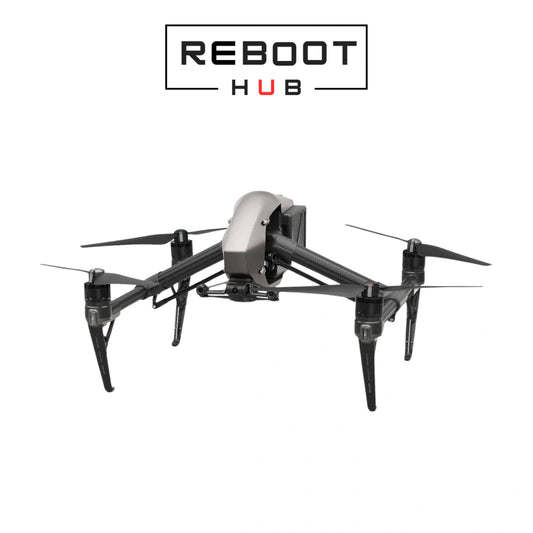
The economics are the first thing most filmmakers notice. Because China’s DJI ecosystem is the world’s largest, the secondary market is deep — you can find a gently used Inspire 3, a Mavic 3 Pro Cine, or even an older Zenmuse‑equipped platform at a price that leaves room in your budget for lenses, ND filters, and post‑production. When you combine that price advantage with a seller who has already done the hard work of grading, testing, and warranting the unit, the perceived distance of an international purchase shrinks considerably.
But there’s a second reason that often gets overlooked: access to configurations that local retailers may not carry. Independent shorts frequently demand a specific combination — perhaps a drone that can fly a full‑frame camera for true cinematic depth of field, or one that can be quickly reconfigured for a ground‑based gimbal shot. Buying from specialists who operate close to the source increases your odds of finding that precise setup.
While this guide centres on cinema‑grade drones for short films, many filmmakers also pick up occasional work in real‑estate video, property inspection, or even light mapping. The same platform can often cover several of those tasks if you select thoughtfully.
| Use Case | Sensor Priority | Recommended DJI Families | Refurbished Advantage |
|---|---|---|---|
| Narrative short film / music video | Micro Four Thirds or larger, D‑Log / ProRes | Inspire 3, Mavic 3 Pro Cine | Get a cinema body for much less; 180‑day warranty protects against early failures |
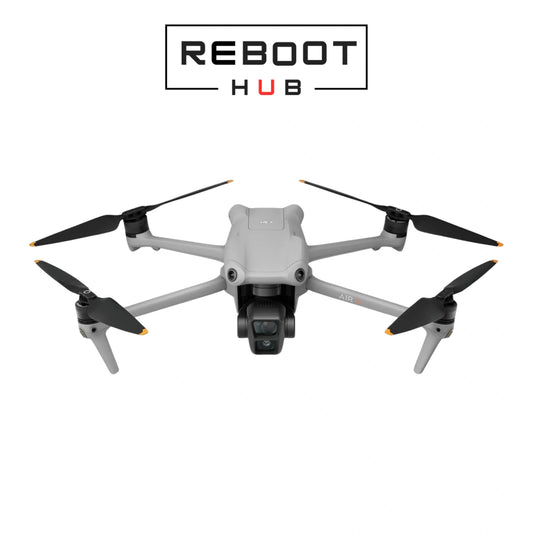
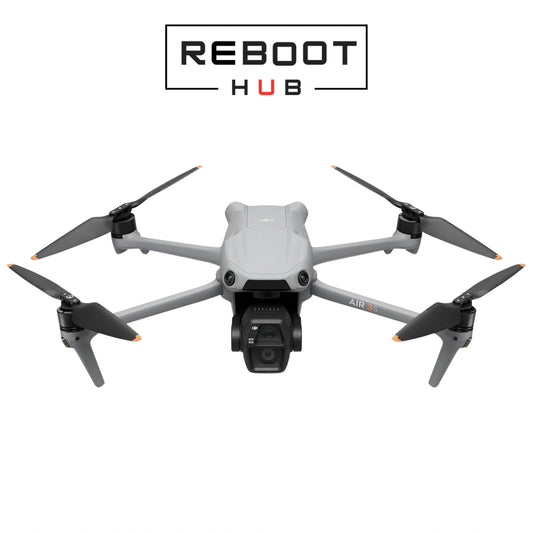
| Real‑estate video, property photos | 1‑inch CMOS or better, vertical shooting | Mavic 3 Classic, Air 3 | Save enough to add a wide‑angle lens adapter or extra batteries |
| Photogrammetry / topography mapping | Mechanical shutter, RTK module, time‑lapse | Mavic 3 Enterprise, Phantom 4 RTK | Refurbished enterprise gear with DDP shipping can lower the total import cost for Colombian or Chilean surveyors |
| Agriculture spraying / crop inspection | Payload capacity, spray system, multispectral | Agras T series | Video demonstration before payment is a common request — serious sellers provide it |
| Forestry inventory, thermal monitoring | Thermal sensor, long flight time | Mavic 3 Thermal, Matrice series | Budget options like a refurbished Mavic 3T keep Sweden or South Africa projects affordable |
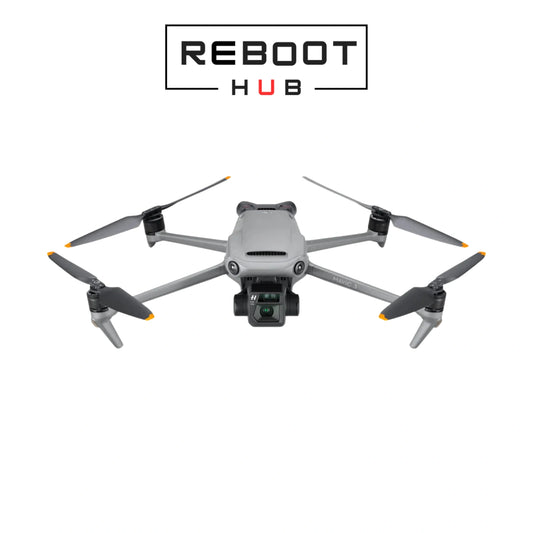
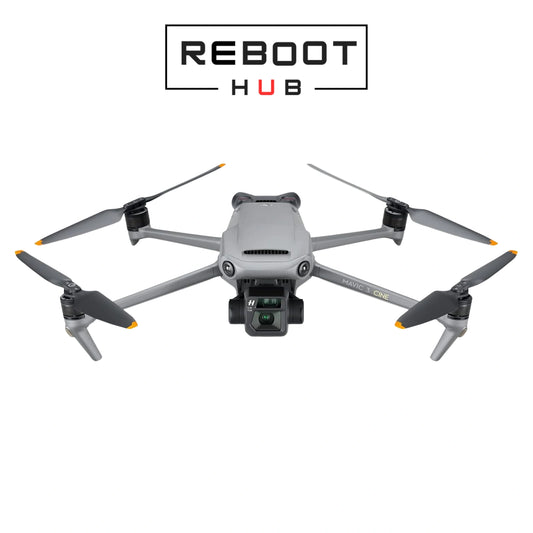
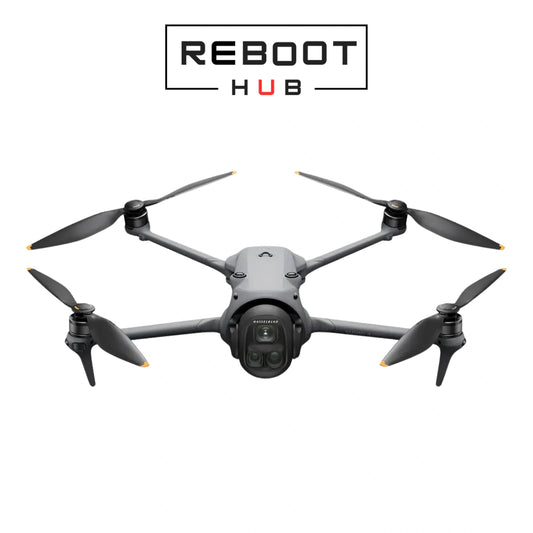
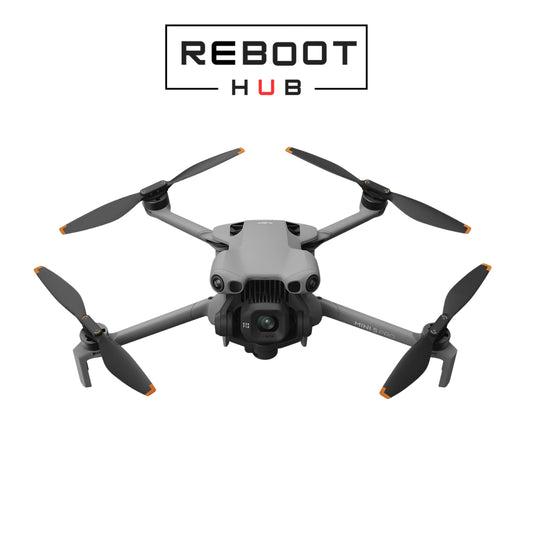
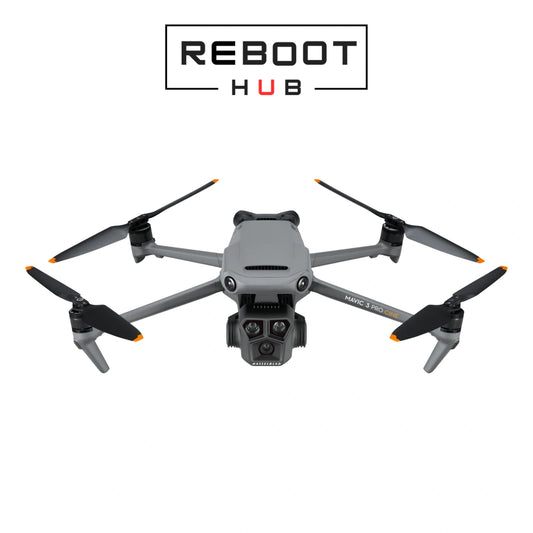
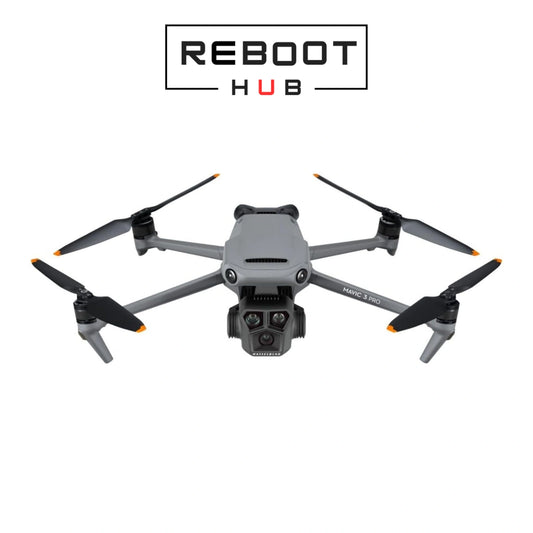
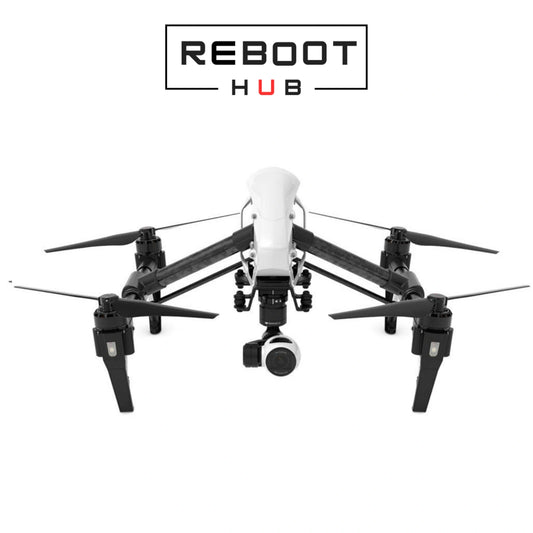
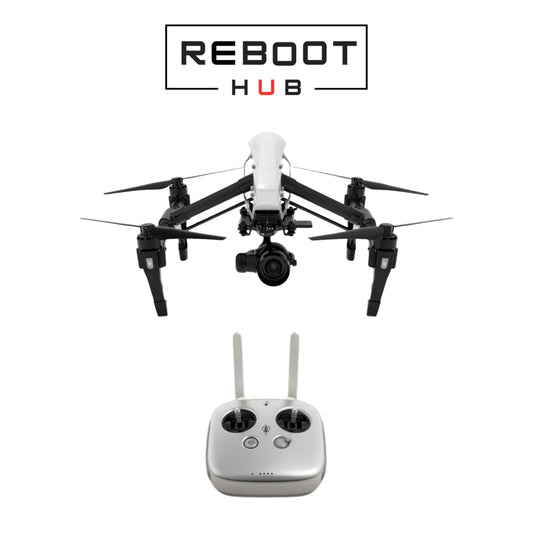
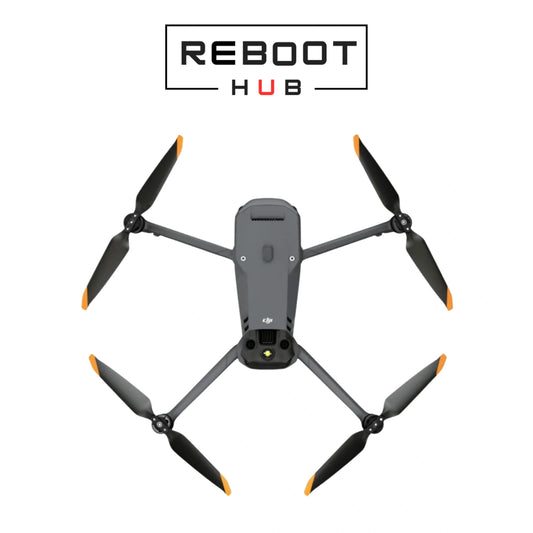
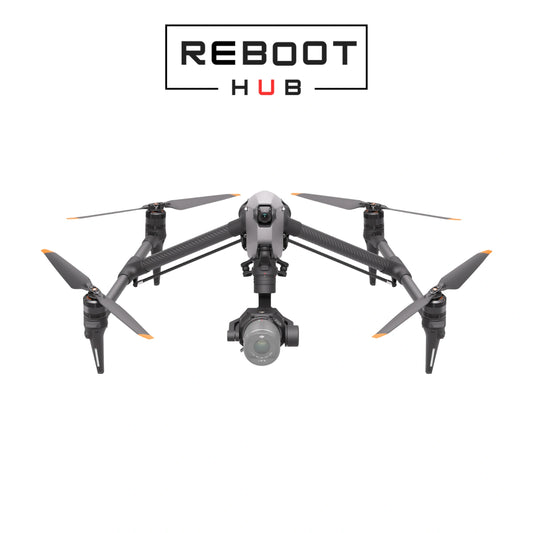
If your main goal is a festival‑bound short film, bias your decision toward a platform with interchangeable lenses and a codec that holds up in the colour grade. The Mavic 3 Pro Cine is currently one of the most practical choices for indie productions: it offers three camera modules, ProRes recording, and a manageable all‑up weight. For films that demand raw sensor data or extreme low‑light performance, the Inspire 3 with its full‑frame Zenmuse X9 camera is the step up — and it’s exactly the kind of unit where a “Flawless” refurbished grade from a China‑based specialist can save you thousands.
When you import a drone from China, the most common anxiety is not the product itself — it’s the moment it hits customs. DDP (Delivered Duty Paid) shipping shifts the responsibility to the seller or logistics partner: they clear the package and pay the duties and taxes upfront. You receive the drone at your door with no surprise bills. For buyers in Peru, Colombia, Brazil, Chile, or anywhere else in Latin America, selecting a seller who offers DDP is one of the strongest ways to reduce the chance of a stalled shipment.
Several countries have introduced or updated tax frameworks for imported goods — for example, Brazil’s Remessa Conforme program has tightened rules on imports above certain values. Rather than quote a specific threshold or rate (which can change without notice), we recommend you check the latest guidance from your national tax authority or freight forwarder before you commit. A seller who can ship DDP and supply a commercial invoice that accurately reflects the refurbished value further reduces the risk of customs friction.
A brand‑new drone comes with the intoxicating smell of unopened packaging, but it also consumes a large chunk of your production budget before you’ve rented a single location. A well‑graded refurbished unit, on the other hand, can free up cash for the things that actually reach the screen — practical lights, a better sound recorder, or an extra day of shooting.
The key is knowing what “refurbished” means in practice. At Reboot Hub, we don’t just wipe down a drone and ship it. Our technicians, who hold MOHRSS Level‑3 certification, perform chip‑level board diagnostics and repair when necessary. Every drone goes through a multi‑point bench test that examines propulsion, gimbal calibration, transmission latency, sensor integrity, and battery health. Only after that process does a unit receive its grade — and it’s backed by a 180‑day warranty on refurbished models. For an indie filmmaker who can’t afford downtime, that sort of documented verification is a strong indicator of reliability without the new‑unit premium.
(If you’d rather not do every technical check yourself, take a look at the Reboot Hub grading standard — it explains exactly what “Pristine Pre‑Owned” and “Flawless” mean in measurable terms.)
There are practical steps you can take to lower the chance of a poor experience, even before you consider a specific listing.
When we ship a refurbished cinema drone, we don’t just vouch for cosmetic appearance. The multi‑point bench test looks at the systems that matter most on set: gimbal horizon stability across tilt angles, transmission range in a congested RF environment, and sensor pixel mapping. The 180‑day warranty then gives you a window of real‑world production use — enough time for a short film pre‑production, principal photography, and even a round of pick‑up shots — with a safety net.
For filmmakers who intend to stretch their drone across multiple projects, the Reboot Hub standard is worth bookmarking. It details how we treat every unit that leaves our facility, so you know what level of inspection sits behind the grading label.
The drone itself doesn’t dictate your license status — the nature of the operation does. In many countries, including Chile, any flight conducted for commercial purpose falls under a different regulatory category than recreational flying. We recommend you check directly with the DGAC (Dirección General de Aeronáutica Civil) or a local aviation consultant to understand the current requirements. A capable drone like a Mavic 3 Classic or Air 3 will handle the imaging task, but your paperwork needs to be separate and accurate.
DDP shipping is widely regarded as the most predictable method because the seller or freight forwarder manages customs clearance and pays the assessed duties in advance. That lowers the chance of a package being held for unknown fees. However, no shipping method can remove all variables — port congestion, sudden changes to a country’s tariff codes, or local carrier delays can still occur. Always keep a line of communication open with your seller’s logistics team.
For a sprayer drone like the Agras series, ask to see the unit power on, the spraying pump engage (if possible), and the obstacle avoidance sensors register an object in the camera feed. The demonstration should be timestamped and, ideally, include a serial number that matches the listing. If you are buying from a seller in China for delivery to Peru, a refusal to provide such a video is a strong reason to look elsewhere.
The primary differences are price, availability, and warranty jurisdiction. A refurbished Phantom 4 RTK sourced from the Chinese market may cost less up‑front, especially if the seller offers DDP shipping to your final destination. A US‑based refurbisher may offer an easier returns path if you are within North America, but that advantage diminishes once you ship the unit to another continent. In both cases, the quality of the refurbishment process is what matters most. Check whether the seller uses chip‑level diagnostics, how they grade units, and how long their warranty lasts. Reboot Hub’s 180‑day warranty and MOHRSS Level‑3 technician process is one benchmark you can use to evaluate any offer.
For most independent productions right now, a pre‑owned Mavic 3 Pro Cine hits the sweet spot. It shoots in Apple ProRes, carries three cameras that let you switch between a wide, a medium, and a telephoto field‑of‑view, and remains compact enough to transport without a dedicated vehicle. When graded “Flawless” and covered by a multi‑point bench test, it can deliver professional‑level footage while leaving budget for other departments.
Yes, imported goods can be subject to federal and state taxes depending on the declared value and the specific version of the program rules in effect. Because tax thresholds and rates are revised periodically, stating a specific percentage here could quickly become inaccurate. Before you place an order, consult the latest official guidance from the Receita Federal or work with a freight forwarder that specialises in Brazilian customs. Using DDP shipping for your drone can simplify the process, as duties are calculated and paid by the logistics provider at the time of entry.
A strong independent short is made by creative decisions, not by overspending on gear. Importing a cinema‑grade DJI drone from China — especially a refurbished unit that has already been through a rigorous multi‑point bench test — is one of the most direct ways to put a broadcast‑quality camera platform on set while keeping your production budget intact.
Visit the Drone Grading Standard page to understand exactly what each condition tier means, compare the current lineup on our DJI comparison page, or browse the full inventory to find a unit that matches your next film’s visual ambition. Each purchase is backed by the 180‑day warranty that has become our operational baseline — so you can spend less time worrying about hardware and more time framing the next shot.
Skip the gamble — every Reboot Hub drone is graded, bench-tested & warrantied.
Browse verified drones