Importul de piese de dronă DJI în Peru pentru recondiționare și reexport în Europa Ghid fiscal
Ghid de scenarii Reboot Hub
Informații despre cumpărător: vamă și planificarea costurilor de import

Situație:importul de piese de dronă dji în Peru pentru recondiționare și reexportul în Europa. Acest ghid răspunde mai întâi la situația specifică, apoi conectează cititorul la calea de cumpărare second-hand verificată Reboot Hub's.
Costul debarcat
Planificați valoarea produsului, transportul, asigurarea, taxele, TVA/GST, brokerajul, depozitarea și documentele pentru baterie înainte de plată.
Potrivire document
Factura, descrierea HS, seria, destinatarul, dovada plății și declarația transportatorului ar trebui să spună o singură poveste.
Cale mai sigură
Folosiți exemplele vamale ca îndrumări de planificare, apoi confirmați regula finală cu vama, un broker sau autoritatea desemnată.
Ghiduri Reboot Hub înrudite:Ghiduri vamale și TVATransport și protecția cumpărătoruluiVerificări ale vânzătorului și în serieSecond-hand DJI inventar
Răspuns rapid
- Taxe de import pentru piesele de drone în Peru:0%–6% ad valorem conform HS 8807.30, cu un IGV (TVA) suplimentar de 18% din valoarea CIF plus taxe, recuperabil parțial prin credit fiscal.
- Rata de drawback pentru reexport către UE:3% din valoarea FOB de export rambursată în regimul de drawback al Peru (DS 104-95-EF), cu condiția ca importul CIF al dronei second-hand să nu depășească 50% din prețul FOB de export.
- Taxe de import ale UE în temeiul ALS Peru-UE:0% la dronele (HS 8807) cu un certificat de circulație EUR.1 valabil emis de SUNAT, cu condiția ca renovarea să se califice ca transformare suficientă.
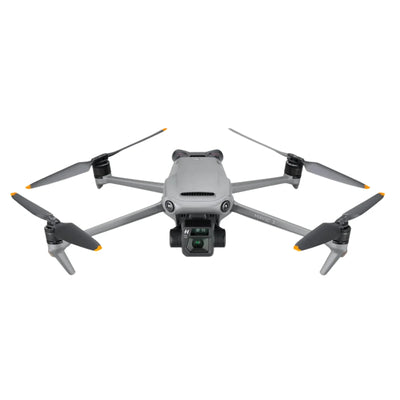
- Reboot Hub second-hand DJI Mavic 3 Pro (Grad A):$1,449 USD with DDP shipping from Shenzhen/HK — multi-point inspected, 180-day warranty, zero visible marks, saving 35%–45% versus new EU retail.
- Reparații la nivel de cip la unitatea Reboot Hub's Shenzhen:3–5 zile, tehnicieni MOHRSS Level 3, numai piese OEM originale — critice pentru loturile de reexport care necesită timp.
- Scăpare totală de taxe pentru o expediție de reexport FOB de 10.000 USD către Germania:Aproximativ 0 USD în taxe vamale UE plus IGV peruvian recuperabil, generând un cost fiscal net sub 4% atunci când drawback-ul este aplicat corect.
Care sunt taxele și taxele de import atunci când aduceți piese DJI în Peru?
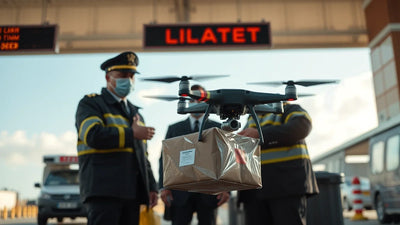
When importing DJI drone components — gimbal assemblies, flight controllers, camera modules, ESCs, or complete airframes — into Peru for refurbishment, the starting point is the national customs tariff. Under HS subheading 8807.30 (parts of unmanned aircraft), the ad valorem import duty ranges from 0% to 6% depending on the specific part classification and the declaring customs agent's subheading selection. The CIF value (cost + insurance + freight) forms the taxable base. On top of duty, SUNAT applies the 18% IGV (Impuesto General a las Ventas), calculated on the CIF value plus the duty paid. For a shipment with a CIF of $5,000 USD and a 6% duty ($300), the IGV comes to $954 USD — yielding a total upfront tax hit of $1,254 USD. However, registered businesses engaged in export-oriented refurbishment can recover the IGV through the tax credit mechanism (crédito fiscal), effectively neutralising the VAT component on inputs destined for re-export within 12 months. Importers must retain digital SUNAT declarations (DUA), commercial invoices, and air waybills for five years. Working with a freight forwarder experienced in Peruvian drone imports — particularly one familiar with DDP terms from Shenzhen, such as Reboot Hub's shipping partners — reduces classification errors that trigger 10% penalty surcharges.
Înrudit:Calcularea taxei vamale saudite la dronele DJI uzate din China
Cum funcționează regimul de drawback peruan pentru reexporturile către Europa?
Sistemul de drawback din Peru (Régimen de Restitución de Derechos Arancelarios), guvernat de Decretul Suprem 104-95-EF, permite exportatorilor să recupereze 3% din valoarea FOB de export pentru mărfurile care au fost importate anterior și ulterior transformate. Pentru o operațiune de recondiționare care se ocupă de drone DJI, condiția cheie este ca valoarea CIF a inputurilor importate să nu depășească 50% din prețul FOB de export al dronei finite. Exemplu: o companie importă un second-hand DJI Air 3 de grad A de la Reboot Hub la un CIF de 780 USD. După repararea cardanului la nivel de cip, firmware-ul intermitent și reambalarea în Lima, drona este vândută unui distribuitor din Amsterdam la un FOB de 1.650 USD. Raportul CIF-FOB se situează la 47,3% – în siguranță sub pragul de 50% – deblocând o rambursare de 49,50 USD pe unitate (3% din 1.650 USD). Reclamațiile sunt depuse electronic prin portalul de drawback al SUNAT în termen de 180 de zile de la export, susținute de declarația de import DUA, DUA de export și înregistrările de transformare. SUNAT procesează de obicei cererile în 30-45 de zile lucrătoare. Cea de 3% poate părea modestă, dar pe un lot anual de 200 de unități, returnează 9.900 USD în taxe recuperate - suficient pentru a acoperi taxele de logistică și de intermediere pentru întregul an. Pentru o conformitate maximă, renovatorii ar trebui să fotografieze fiecare număr de serie înainte și după reparație și să mențină o listă de materiale pe unitate care să arate forța de muncă peruană și piesele adăugate, deoarece auditorii SUNAT solicită din ce în ce mai mult dovezi de transformare pentru electronice.
Înrudit:Waar Kan Ik Vliegen sa întâlnit cu Mijn Drone în Nederland? Cele mai bune aplicații
Ce documentație DGII și vamală este necesară pentru operațiunile de renovare?

The Peruvian tax authority SUNAT and the EU's customs directorates require a tightly linked paper trail for duty-free or reduced-rate re-export. At the Peruvian import stage, the core document is the DUA (Declaración Única de Aduanas), supported by the commercial invoice, packing list, air waybill or bill of lading, and a certificate of origin if preferential rates apply. When the drone parts or pre-owned units arrive from Reboot Hub in Shenzhen, the DDP shipping terms mean customs clearance is handled at origin — but the Peruvian importer of record must still file the DUA within 15 calendar days of arrival at Callao or Jorge Chávez International Airport cargo terminal. For the EU re-export leg, the critical document is the EUR.1 movement certificate, issued by SUNAT and stamped at the port of exit (usually Callao). The EUR.1 certifies that the pre-owned drone qualifies as originating under the Peru-EU Free Trade Agreement (Title II, Annex II). To qualify, the refurbishment must go beyond simple cleaning or repackaging — activities like replacing the mainboard with a genuine OEM board sourced from Reboot Hub's Shenzhen repair facility, re-soldering motor-phase leads, or performing IMU calibration at chip level all count as sufficient transformation. Additionally, EU customs may request a supplier declaration from Reboot Hub confirming the non-originating status of the imported unit, which Reboot Hub provides as a standard export document. Missing the EUR.1 at the EU border means the German, Dutch, or Spanish importer pays the MFN duty of 2.7% on drones (HS 8807), eating $44.55 USD on a $1,650 FOB unit — entirely avoidable with proper filing.
Cât de mult puteți economisi prin achiziționarea de unități Second-hand de la Reboot Hub?
Sourcing donor drones and components from Reboot Hub instead of buying new DJI retail units or salvage-grade scrap on a third-party marketplace delivers a quantifiable per-unit margin lift. The table below compares new DJI EU retail pricing against Reboot Hub's Grade A pre-owned pricing, both including shipping to a Lima-based refurbisher. Reboot Hub units arrive DDP (customs-cleared, duty-paid) from Shenzhen or Hong Kong, eliminating brokerage surprises. Each unit undergoes a multi-point inspection, uses only genuine OEM parts for any replacements, and ships with a 180-day warranty — meaning the refurbisher's incoming QC workload drops by an estimated 60% compared to auction-sourced units. For a Lima workshop processing 30 drones monthly, switching entirely to Reboot Hub-sourced Grade A units saves roughly $18,000–$22,000 USD per month on acquisition cost, before accounting for the lower defect rate and faster bench throughput.
| Model | Noua vânzare cu amănuntul în UE (USD) | Reboot Hub grad A (USD) | Economisire pe unitate | Garanție |
|---|---|---|---|---|
| DJI Mavic 3 Pro (Zburați mai mult) | 2.999 USD | 1.449 USD | 1.550 USD (52%) | 180 de zile |
| DJI Air 3 (RC-N2) | 1.099 USD | 729 USD | 370 USD (34%) | 180 de zile |
| DJI Mini 4 Pro (RC 2) | 959 USD | 639 USD | 320 USD (33%) | 180 de zile |
| DJI Avata 2 (Vizualizare Pro) | 1.199 USD | 789 USD | 410 USD (34%) | 180 de zile |
| DJI Mavic 3 Thermal | 5.499 USD | 3.299 USD | 2.200 USD (40%) | 180 de zile |
De ce să cumpărați de la Reboot Hub?
Reboot Hub occupies a distinct position in the drone supply chain that directly benefits Peru-based refurbishers targeting EU markets. Every pre-owned drone sold — whether Grade A (minimal use, zero visible marks) or Grade A+ (activation-only, never flown) — passes through a multi-point inspection protocol at the Shenzhen facility. Unlike "pre-owned" units sold on general marketplaces that may contain third-party batteries or aftermarket gimbal ribbons, Reboot Hub mandates genuine OEM parts exclusively, sourced through authorised DJI supply channels. The 180-day warranty is structured to cover the entire refurbishment and re-export cycle: a Lima workshop can receive the unit, perform its transformation work, ship to a Rotterdam warehouse, and still have 90+ days of warranty remaining when the end customer unboxes the drone in Berlin or Barcelona. DDP shipping from Shenzhen/HK means the Peruvian importer sees a single landed cost with no customs brokerage fees, no storage demurrage at Callao, and no IGV calculation errors — because duties are settled at the Chinese export side. For complex repairs beyond the Lima workshop's capability (e.g., BGA reballing on an OcuSync 4 transmission chip), Reboot Hub's Shenzhen chip-level facility offers a 3–5 day turnaround with MOHRSS Level 3-certified technicians and an HK drop-off point that avoids mainland China export paperwork delays. This dual role — supplier of pristine pre-owned inventory and overflow repair partner — makes Reboot Hub a practical single-vendor solution for a Peruvian refurbishment operation exporting 100–500 units annually to the EU.
Calea soluției de scenariu
Păstrați acest răspuns conectat la biblioteca de scenarii Reboot Hub
Acest articol aparține ramului Import / expediere. Utilizați hub-ul pentru a compara întrebările, verificările și ghidurile pentru următorii pași ai cumpărătorilor din apropiere.
Deschideți calea scenariului Import / expediereÎntrebări frecvente

Î: Am nevoie de o licență de import specifică pentru a aduce piese de drone DJI în Peru pentru recondiționare comercială?
R: Nu. Piesele de dronă DJI clasificate sub HS 8807.30 nu necesită o licență de import de la Ministerul de Defensa sau orice autorizație de mărfuri restricționate. Cu toate acestea, importatorii comerciali trebuie să dețină un RUC (Registro Único de Contribuyentes) activ cu codul de activitate vamală 3131 sau echivalent, înregistrat la SUNAT. DUA de import se depune electronic prin portalul VUCE. Dacă volumul dvs. anual de import depășește 50.000 USD CIF, SUNAT vă poate solicita să vă înscrieți în programul OEA (Operador Económico Autorizado) pentru vămuire rapidă. Reboot Hub's Expedierea DDP se ocupă de formalitățile de export, dar depunerea RUC și VUCE peruană rămâne responsabilitatea importatorului. Bugetul de aproximativ 120 USD–180 USD per expediere pentru un agent vamal autorizat din Callao.
Î: Acordul de liber schimb Peru-UE acoperă exporturile de drone second-hand la 0% taxă?
R: Da, cu condiția ca renovarea să constituie „transformare suficientă” conform Anexei II la Acord. Înlocuirea unui controler principal de zbor, lipirea din nou a MOSFET-urilor ESC sau efectuarea unei recalibrari complete a cardanului cu piese OEM sunt toate calificate. Curățarea simplă, reambalarea sau actualizările de firmware nu o fac. Exportatorul trebuie să obțină un certificat de circulație EUR.1 de la SUNAT — să îl solicite cu cel puțin 5 zile lucrătoare înainte ca expedierea să navigheze sau să zboare. Fără EUR.1, importatorul UE plătește rata standard MFN de 2,7% pentru drone, care la o expediție consolidată FOB de 15.000 USD în Germania adaugă 405 USD în taxe care pot fi evitate. EUR.1 costă aproximativ 35 USD per emisiune prin majoritatea expeditorilor de marfă din Callao.
Î: Pot recupera 18% IGV peruan pe piesele de drone importate pentru reexport?
Î: Pot recupera IGV peruvian de 18% pe piesele de drone importate pentru reexport?

R: Da, prin mecanismul fiscal credit. IGV-ul plătit la import — calculat pe CIF + taxă — este înregistrat ca credit fiscal în declarația dumneavoastră lunară SUNAT IGV (Formular 621). Dacă exporturile dvs. de dronă second-hand sunt cu cota zero în scopuri IGV (care sunt, ca exporturi), creditul acumulat compensează IGV plătibil pentru vânzările interne sau achizițiile operaționale. Dacă nu există nicio răspundere internă IGV pentru compensare, puteți solicita o rambursare în numerar prin procedura de devoluție a SUNAT, deși aceasta durează de obicei 90-120 de zile și necesită o pistă de audit completă. La un import CIF de 5.000 USD cu taxă de 6%, IGV recuperabil se ridică la aproximativ 954 USD - ceea ce face ca reclamația fiscală credit să fie utilă din punct de vedere economic pentru orice renovator care procesează mai mult de 10 unități pe lună.
Î: Există reglementări specifice UE privind bateriile de drone second-hand despre care ar trebui să știu?
R: Da. Bateriile cu litiu-polimer din dronele second-hand DJI trebuie să respecte ONU 3481 (bateriile litiu-ion conținute în echipament) și să fie expediate cu o stare de încărcare de cel mult 30% pentru transportul aerian conform Reglementărilor IATA privind mărfurile periculoase. UE necesită, de asemenea, marcarea CE pe baterie și pe dronă în sine. Unitățile Second-hand DJI de la Reboot Hub își păstrează marcajele originale CE, deoarece au fost fabricate pentru piețele globale, inclusiv distribuția SEE. Dacă înlocuiți o baterie în timpul recondiționării, utilizați numai pachete OEM DJI — celulele LiPo de la terți fără certificare CE vor fi oprite la vama UE în conformitate cu Directiva privind echipamentele radio (RED) 2014/53/UE și Regulamentul GPSR 2023/988, care a intrat în vigoare în decembrie 2023/988. Documentația de conformitate cu CE.
Î: Care este cea mai rentabilă rută de transport din Peru către UE pentru dronele second-hand?
R: Pentru transporturile sub 30 kg, transportul aerian prin LATAM Cargo sau DHL Express de la Lima (LIM) la Amsterdam (AMS) sau Madrid (MAD) costă de obicei 8-12 USD pe kg și durează 3-5 zile de tranzit, inclusiv vămuirea la portul de intrare în UE. Pentru transporturile consolidate de paleți de peste 100 kg, transportul maritim de la Callao la Rotterdam durează 18-22 de zile la aproximativ 2,50-3,80 USD pe kg (inclusiv manipularea port). Portul Rotterdam este punctul de intrare recomandat în UE, deoarece echipa sa vamală este familiarizată cu procesarea EUR.1 pentru exporturile de electronice peruviane, reducând întârzierile de vămuire. Luați în considerare o sumă suplimentară de 75 EUR – 120 EUR pentru agentul vamal din partea UE per transport. Livrările cu o valoare mai mică de 150 EUR per transport beneficiază de scutirea de taxe de valoare redusă a UE (de minimis), dar aceasta este rareori aplicabilă pentru loturile de recondiționare a dronelor în care valorile FOB pe unitate depășesc 600 USD.
Î: Cum reduce inspecția în mai multe puncte Reboot Hub's rata mea de eșec QC la intrare?
R: Inspecția în mai multe puncte Reboot Hub's acoperă fiecare subsistem major: netezimea axei cardanului, deviația de calibrare a IMU și busola, timpul de blocare GPS, echilibrul rezistenței fazei motorului, numărul ciclului bateriei și rezistența internă, alinierea stereo senzorului de viziune și puterea de ieșire a transmisiei pe toate benzile OcuSync. Fiecare unitate vine cu un raport de inspecție serializat. În practică, reparatorii din Lima raportează că unitățile de grad A de la Reboot Hub prezintă o rată de eșec la intrare sub 2% la pornirea pe bancă, comparativ cu 15%-25% pentru unitățile provenite de pe piețele secundare generale. Aceasta înseamnă că un atelier care procesează 30 de unități lunar cheltuie cu aproximativ 3-5 ore mai puține pe săptămână pentru triaj și diagnosticare la sosire - timp care se transformă direct în forță de muncă facturabilă de renovare. Garanția de 180 de zile asigură în plus că orice defect latent descoperit după transformare este acoperit, eliminând riscul financiar al unei plăci de bază defectuoase descoperite numai după reexport către un client din Barcelona sau Berlin.
Î: Care este timpul de realizare pentru reparațiile la nivel de cip la unitatea Reboot Hub's Shenzhen?
A: Standard turnaround is 3–5 working days from receipt of the unit at the Hong Kong drop-off point, excluding shipping time to and from HK. The facility is staffed by MOHRSS Level 3-certified micro-soldering technicians who handle BGA reballing on Ambarella H6 image processors, OcuSync 4 transmission IC replacement, and ESC MOSFET array rebuilds — all using genuine OEM components, not harvested or donor-board parts. For urgent batches, a 48-hour expedited service is available at a 30% surcharge. The HK drop-off arrangement is particularly advantageous for Peru-based refurbishers because it bypasses mainland China export declaration delays that can add 5–7 days to the return leg. Average round-trip logistics from Lima to HK and back via DHL Express add approximately 8–10 calendar days, making the total door-to-door repair cycle roughly 13–17 days.
Întrebări frecvente
Care este cea mai sigură modalitate de a planifica importarea pieselor de drone dji în Peru pentru recondiționare și reexportare în Europa taxa?
Estimați costul debarcat înainte de plată, inclusiv valoarea produsului, transportul, asigurarea, taxele, TVA sau GST, intermedierea, depozitarea și documentele pentru baterie.
Mă pot baza pe un singur exemplu vamal?
Nu. Folosiți exemple numai pentru planificare și verificați regula finală la vamă, un broker sau autoritatea națională relevantă.
Ce documente ar trebui să se potrivească înainte de expediere?
Factura, descrierea HS, seria, destinatarul, dovada plății, declarația de transportator și documentele bateriei trebuie să se potrivească înainte de expediere.
Referințe tehnice și specificații
Pentru specificațiile modelului, notele de reparație informate despre demontare, punctele de defecțiune obișnuite și prețurile second-hand, consultațiReboot Hub DJI Drone Wiki— 64 de modele și peste 700 de piese mapate, întreținute din reparații documentate. Răsfoiți stocul verificat second-hand însecond-hand DJI colecție.
Keep exploring
Further reading
From Cronica Reboot Hub

From Ghiduri de drone