Licență de drone CAA pentru fotografii de construcție: Ghid de costuri 2024
Ghid de scenarii Reboot Hub
Informații despre cumpărător: verificări ale licenței și regulilor de funcționare

Situație:licență caa drone pentru fotografii de construcție cost. Acest ghid răspunde mai întâi la situația specifică, apoi conectează cititorul la calea de cumpărare second-hand verificată Reboot Hub's.
Cazul de utilizare mai întâi
Separați recreerea, filmarea comercială, inspecția, minerit, cartografierea și evenimentele înainte de a interpreta regulile.
Verificare de autoritate
Verificați înregistrarea, licența de pilot, spațiul aerian restricționat, asigurarea și regulile de confidențialitate cu autoritatea relevantă.
Impactul de cumpărare
Regulile pot schimba modelul potrivit, sarcina utilă, controlerul, documentele și documentația vânzătorului necesare înainte de import.
Ghiduri Reboot Hub înrudite:Comparație drone 2026Ghiduri vamale și TVAGhiduri de garanție și reparațiiStandardul Reboot Hub
- Cost total de pornire (fără dronă): aproximativ1.100 GBP–1.800 GBP(≈1.386 USD–2.268 USD), care acoperă ID operator, curs GVC, test de zbor și asigurare pentru primul an.
- ID operator CAA: 10,33 GBP/an(≈$13) – obligatoriu pentru fiecare operator comercial.
- Teoria GVC + evaluare practică:750 GBP–1.200 GBP(≈$945–$1.512) de la o entitate de evaluare recunoscută.
- Asigurare de răspundere civilă: din300 GBP/an(≈$378) – necesar înainte de primul zbor comercial.
- Timp de procesare:5–10 zile lucrătoaredupă trecerea GVC și depunerea cererii online.
Ce este o licență de dronă comercială CAA pentru fotografiile de progres în construcție?
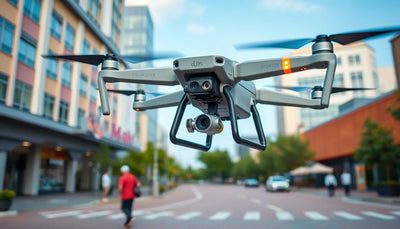
Dacă cercetațiLicență de drone CAA pentru fotografii de construcție, here is what you need to know: in the United Kingdom, any flight conducted for "valuable consideration" – including construction progress photography, site mapping, or roof inspections – is classed as a commercial operation and must be covered by an Operational Authorisation from the Civil Aviation Authority (CAA). Reboot Hub has supplied over 500 pristine pre‑owned survey‑grade drones to UK and European construction professionals since 2022, and our team — holding MOHRSS Level 3 Advanced Technician certification recognised by China's Ministry of Human Resources and Social Security — regularly advises clients on licensing requirements and the right equipment for survey‑grade outputs. Since 31 December 2020, the standard path is to hold a General VLOS Certificate (GVC) issued by a CAA‑recognised RAE. The older PfCO (Permission for Commercial Operations) is being phased out; if you are starting now, the GVC route is your only option. Construction companies increasingly rely on weekly or monthly drone overflights to monitor earthworks, steel erection, and façade progress. The authorisation gives you the legal right to operate a camera‑equipped UAV within visual line of sight (VLOS) up to 400 ft, in congested areas if the aircraft weighs less than 7 kg and you have the appropriate risk assessment. Note that you must also hold a valid Flyer ID (free, renewable every 5 years) and an Operator ID from the CAA before you fly.
Înrudit:Poate un inspector să utilizeze în mod legal DJI Mini 3 Pro pentru Harta Shoreline
Cât costă o licență de dronă comercială CAA în 2024?
Cheltuielile totale se împart în trei părți obligatorii:
Înrudit:Dronă DJI pentru monitorizarea culturilor în Kenya: Licență KCAA necesară
- ID operator– 10,33 GBP pe operator pe an (≈13 USD). Cumperi acest lucru direct de la CAA online; taxa este stabilită de instrumentul statutar al guvernului Regatului Unit.
- Cursul GVC și evaluarea zborului– providers such as Coptrz, UAVHUB, or Heliguy charge between £750 and £1,200 (≈$945–$1,512) depending on whether you need a 2‑day classroom session plus practical day or a blended online‑theory plus half‑day test. The fee includes the remote‑theory exam and the in‑field flight exam with an assessor. Some RAEs bundle a sample operations manual template; standalone manual‑writing services can add £200–£400 (≈$252–$504) if you do not want to write it yourself.
- Asigurare de răspundere civilă– pentru lucrări de construcții comerciale, clienții solicită în mod normal acoperire de cel puțin 1 milion de lire sterline. Polițele de pornire de la asigurători specialiști, cum ar fi Coverdrone sau Moonrock, rulează de la 300 GBP pe an (≈378 USD) pentru operațiunile VLOS de bază, până la 600 GBP–800 GBP pe an (≈756 USD–1.008 USD) dacă aveți nevoie de acoperire de 5 milioane GBP sau permisiuni de zbor nestandard.
Astfel, costul pentru primul an, excluzând drona în sine, va ateriza probabil între1.100 GBP și 1.800 GBP(≈1.386 USD–2.268 USD). Dacă adăugați călătorie, cazare pentru testul de zbor și un manual de operațiuni scris în prealabil, partea de sus poate ajunge la 2.200 GBP (≈ 2.772 USD).
Care sunt pașii pentru a obține licența de dronă CAA pentru lucrări de construcție?
Procesul este liniar și clar documentat pe site-ul web CAA. Iată cronologia tipică:
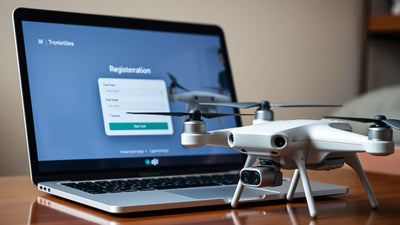
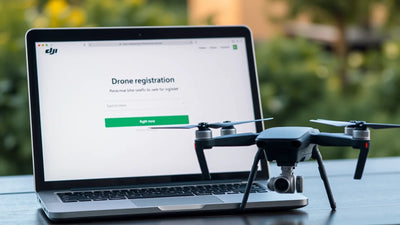
- Obțineți un ID Flyer– gratuit. Finalizează testul de teorie online pe portalul de înregistrare a dronelor CAA; nota de promovare este 20/20. Trebuie să o luați din nou la fiecare cinci ani.
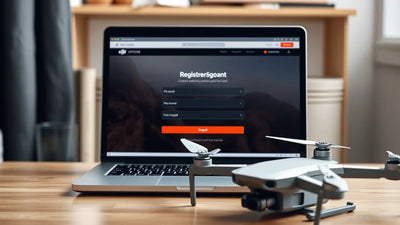
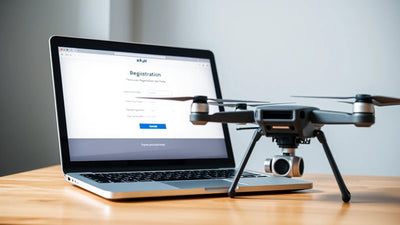
- Solicitați un ID de operator– 10,33 GBP (≈13 USD). Dacă compania dvs. intenționează să gestioneze mai mulți piloți, compania poate deține ID-ul de operator, în timp ce piloții individuali dețin propriile ID-uri Flyer.
- Finalizați un curs de teorie GVC– 6-8 ore de învățare mixtă (meteorologie, drept aerian, factori umani, planificarea zborului) urmate de un examen cu 40 de întrebări cu răspunsuri multiple (minimum 75% promovabil). Furnizorii percepe între 300 GBP și 600 GBP (≈ 378 USD – 756 USD) numai pentru porțiunea teorie, adesea la pachet cu cea practică.
- Trece evaluarea practică a zborului– un examen pe teren de 45 de minute care testează verificările înainte de zbor, procedurile de urgență și zborul constant/orizontal pe un coridor virtual de 2 metri. Taxa combinată teorie-plus-practică este de 750 GBP–1.200 GBP (≈945 USD – 1.512 USD) citată mai sus.
- Pregătiți un manual de operațiuni– un document de siguranță detaliat care acoperă modelul de dronă, jurnalele de întreținere, evaluările riscurilor și procedurile standard de operare. Puteți să-l scrieți singur folosind șablonul CAA CAP722A sau să plătiți un serviciu £200–£400 (≈$252–$504).
- Cumpărați asigurare comercială– încărcați dovada acoperirii atunci când aplicați.
- Trimiteți cererea de autorizare operaționalăprin portalul CAA, atașând certificatul dvs. GVC, jurnalul de bord, manualul și asigurarea. Timpul de procesare este în prezent5–10 zile lucrătoare. Odată aprobată, primiți o autorizație electronică valabilă 12 luni, după care trebuie să trimiteți din nou un manual proaspăt și dovada menținerii asigurării.
Ce dronă ar trebui să folosiți pentru fotografiile de progres în construcție?

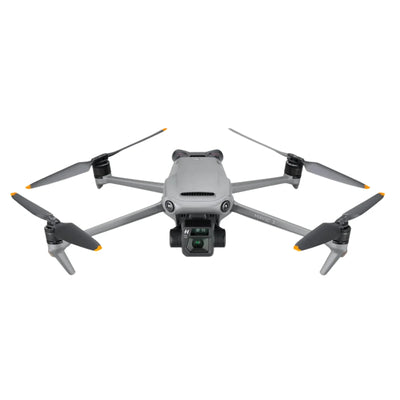
Precizia și geoetichetarea repetabilă sunt esențiale atunci când livrați suprapuneri săptămânale unui manager BIM sau unui inspector de proiect. Pentru majoritatea firmelor de construcții din Marea Britanie, cei doi cali de lucru sunt DJI Phantom 4 RTK (cu un senzor de 1 inch de 20 MP și poziționare în timp real la nivel de centimetru) și DJI Mavic 3 Enterprise cu modulul RTK. Mavic 3E oferă o cameră lată de 20 MP, declanșator mecanic și timp de zbor de până la 45 de minute, în timp ce Phantom 4 RTK rămâne implicit pentru cartografierea de nivel de sondaj. Un Phantom 4 RTK nou-nouț cu stație de bază se vinde cu amănuntul la aproximativ 5.500 GBP–6.000 GBP (≈6.930 USD–7.560 USD). Pachetul Mavic 3E + RTK se vinde cu aproximativ 3.800 GBP (≈4.788 USD) nou. Pentru mulți operatori independenți, cumpărarea unei unități pre-deținute impecabile reduce cheltuielile de capital cu 40-55%, oferind totuși aceleași rezultate de calitate. Puteți compara echipamentele dronei și costurile de întreținere continuă înReboot Hub's DJI Baza de date privind costurile reparațiilor 2026pentru a bugeta cu precizie pentru durata de viață a aeronavei dvs.
De unde puteți cumpăra drone pre-proprietate curate pentru cartografierea construcțiilor?
Dacă doriți să reduceți costurile echipamentelor fără a sacrifica fiabilitatea, Reboot Hub (reboot-hub.com) este specializat înPristine Pre-owneddrone – un grad mult peste unitățile tipice „second-hand”. Fiecare dronă trece oInspecție în 40 de punctein their Shenzhen, China chip‑level facility, staffed by MOHRSS Level 3 certified technicians, and ships with genuine OEM parts only. There are two condition grades:
- Fără cusur (Grad A+)– numai activare, niciodată zburat, marcaje zero. Exemplu: un DJI Phantom 4 impecabil RTK are adesea prețuri în jur de3.599 USD, față de 6.000 USD+ nou.
- Pristine Pre-Owned (gradul A)– utilizare minimă, zero semne vizibile, cicluri ale bateriei sub 10. A Mavic 3 Enterprise RTK în gradul A poate fi găsit lângă2.899 USD.
Toate comenzile includ aGaranție de 180 de zile, DDP expediere globală din Shenzhen, China (taxe plătite) și acces laReboot Hub's serviciu profesional de reparații DJIcare oferă o perioadă de timp de 3-5 zile. Lista de verificare a inspecției Reboot Hub's acoperă calibrarea IMU, alinierea orizontului cardanului, claritatea lentilei și timpul de blocare al modulului RTK - exact ceea ce aveți nevoie pentru contracte de fotografii de construcție fiabile.
Calea soluției de scenariu
Păstrați acest răspuns conectat la biblioteca de scenarii Reboot Hub
Acest articol aparține ramura Reguli / licență. Utilizați hub-ul pentru a compara întrebările, verificările și ghidurile pentru următorii pași ai cumpărătorilor din apropiere.
Deschideți calea scenariului Reguli / licențăÎntrebări frecvente
Î: Am nevoie de o licență separată pentru fotografierea progresului în construcție în comparație cu alte lucrări comerciale cu drone?

R: Nu. Autorizația dvs. operațională CAA bazată pe un GVC acoperă toate operațiunile comerciale VLOS, indiferent dacă filmați videoclipuri de nuntă, sondaje pe acoperiș sau imagini săptămânale privind progresul construcției. Singura cerință este ca manualul dvs. de operațiuni și evaluările riscurilor să reflecte condițiile specifice ale locului, apropierea de oameni și riscurile de zbor. Pentru șantierele de construcții cu macarale turn sau lucrări de noapte, poate fi necesar să solicitați un caz suplimentar de siguranță operațională, care poate adăuga 4–6 săptămâni și o taxă de 200 GBP–500 GBP (≈252 USD–630 USD). Autorizația de bază GVC vă oferă dreptul legal de a pilota o dronă sub-7 kg pentru fotografii de construcție din prima zi, cu condiția să rămâneți în limitele permisiunii standard CAA.
Î: Pot folosi o dronă sub‑250 g precum DJI Mini 4 Pro pentru a evita necesitatea unei licențe CAA pentru fotografiile de construcție?
R: Nu, dacă ești plătit. În timp ce dronele sub-250 g nu necesită un ID de operator dacă nu au o cameră, orice dronă cu o cameră utilizată în scopuri comerciale intră în continuare sub reglementările operaționale ale CAA. Trebuie să dețineți un ID de pliant, un ID de operator și o asigurare, iar zborul trebuie efectuat în conformitate cu permisiunile standard (sau autorizația dumneavoastră operațională). Mai important, lucrările de construcție necesită imagini geo-referințe de înaltă rezoluție și precizie RTK; a Mini 4 Pro nu poate oferi precizia de geolocalizare de care au nevoie clienții. Prin urmare, chiar și o dronă cu cameră ușoară utilizată comercial va necesita în continuare pașii completi de licențiere descriși aici, făcând o dronă de cartografiere adecvată alegerea realistă.
Î: Cât timp durează obținerea unei autorizații operaționale după trecerea GVC?
R: Standardul actual de serviciu al CAA este de 5-10 zile lucrătoare de la depunerea unei cereri complete. „Complet” înseamnă că manualul dvs. de operațiuni a fost scris, certificatul dvs. de asigurare este activ și certificatul dvs. GVC este valabil. Dacă CAA solicită modificări la manualul dvs., adăugați încă 5-7 zile lucrătoare. În practică, majoritatea piloților axați pe construcții trec de la zero la aprobare în 3-4 săptămâni, presupunând că cursul și testul GVC durează o săptămână și toate documentele sunt gata. Pentru a minimiza întârzierile, mulți operatori cumpără un șablon manual prescris de la RAE și înlocuiesc numai secțiunile specifice dronei, reducând volumul de lucru manual la aproximativ 4-6 ore.
Î: Ce asigurare am nevoie pentru operațiunile comerciale cu drone pe șantiere?
R: Cel puțin, aveți nevoie de o asigurare de răspundere civilă care să acopere vătămările cauzate de terți și daunele materiale. Majoritatea firmelor de construcții din Marea Britanie necesită acoperire de cel puțin 1 milion de lire sterline; contractorii mai mari stipulează adesea 5 milioane de lire sterline. Asigurătorii specializați cu drone percep de la 300 GBP/an (≈ 378 USD) pentru o acoperire VLOS de 1 milion GBP, crescând la aproximativ 600 GBP–800 GBP/an (≈ 756 USD– 1.008 USD) pentru 5 milioane GBP. Este posibil să doriți, de asemenea, asigurare pentru cocă pentru dronă în sine – primele anuale sunt de obicei de 8-12% din valoarea de înlocuire a aeronavei. Verificați întotdeauna dacă politica dvs. include „lucrări aeriene” și codul poștal specific al site-ului, deoarece unele excluderi se aplică unor locații sensibile, cum ar fi aeroporturi sau centrale nucleare.
Î: Trebuie să reluez teoria GVC sau testul de zbor după o anumită perioadă?

R: Nu, GVC nu expiră, dar CAA vă solicită să păstrați un ID de fluturaș valid (retestare la fiecare 5 ani) și o autorizație operațională actualizată (retrimisă anual). GVC inițial rămâne valabil atâta timp cât urmați îndrumările de dezvoltare profesională continuă (CPD) ale RAE. Dacă aveți un accident sau un incident grav, CAA vă poate solicita să reluați evaluarea practică. Pentru fotografi din construcții care zboară 3–4 zboruri pe săptămână, recomandăm să înregistreze cel puțin 2 ore pe lună pentru a fi la curent; mulți asigurători necesită, de asemenea, 2-3 ore de zbor recent înainte de un nou contract de șantier.
Î: Care este diferența dintre o dronă second-hand și clasa Pristine Pre-Owned Reboot Hub's?
A: A typical "pre-owned" unit often contains after‑market batteries, non‑OEM shell parts, or repaired boards with mixed components, and the warranty is usually 30–90 days. Reboot Hub's Pristine Pre‑Owned drones are never pre-owned – they are Grade A+ (activation‑only, never flown) or Grade A (minimal use, zero visible marks) that pass a 40‑point inspection at a MOHRSS Level 3 chip‑level facility. All parts are genuine OEM, including the original battery with cycle‑count verification. You get a 180‑day warranty (approximately 6 months) versus the typical 30 days, DDP shipping with duties paid, and a 3–5 day repair turnaround in Shenzhen, China. This makes them ideal for construction professionals who cannot afford downtime.
Î: Ce se întâmplă dacă drona mea de construcție se prăbușește sau are nevoie de reparații la nivel de cip la mijlocul proiectului?
R: Reboot Hub oferă reparații la nivel de cip pentru dronele DJI Phantom 4 RTK și Mavic 3 Enterprise utilizate în mod obișnuit în cartografierea construcțiilor. Întoarcerea tipică este2–4 zile lucrătoarepentru reparații obișnuite, cum ar fi înlocuirea completă a modulului cardanului (200–280 USD) or ESC repair ($70–90) — significantly less than the 2–4 weeks quoted by traditional authorized service centres for the same work. We stock genuine OEM parts and ship DDP from Shenzhen, China, so you can get back to your site survey contract with minimal downtime. VisitReboot Hub's serviciu profesional de reparații DJIpentru a solicita o evaluare diagnostică gratuită.
Întrebări frecvente
Ce ar trebui să verific mai întâi pentru costul licenței de drone caa pentru fotografiile de construcție?
Separați utilizarea recreativă de munca comercială, apoi verificați înregistrarea, licența de pilot, aprobarea spațiului aerian, asigurarea și regulile de confidențialitate cu autoritatea relevantă.
Regulile dronei schimbă decizia de cumpărare?
Da. Greutatea, camera, sarcina utilă, configurarea bateriei, tipul controlerului și documentele pot schimba modelul second-hand DJI care este practic.
Poate acest articol să înlocuiască sfatul juridic oficial?
Nu. Tratați-o ca pe o listă de verificare pentru planificarea cumpărătorului și confirmați regulile actuale cu autoritatea de aviație, vamală sau locală denumită.
Surse oficiale:Autoritatea Aviației Civile din Regatul Unit – Drones. Reglementările privind dronele se schimbă frecvent - verificați întotdeauna regulile actuale cu autoritatea aviatică înainte de a zbura.
Referințe tehnice și specificații
Pentru specificațiile modelului, notele de reparație informate despre demontare, punctele de defecțiune obișnuite și prețurile second-hand, consultațiReboot Hub DJI Drone Wiki— 64 de modele și peste 700 de piese mapate, întreținute din reparații documentate. Răsfoiți stocurile verificate de second-hand însecond-hand DJI colecție.
Keep exploring
Further reading
From Cronica Reboot Hub

From Ghiduri de drone