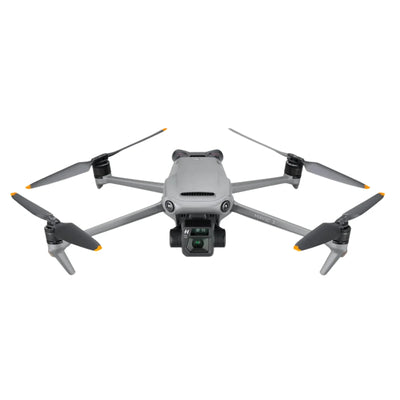
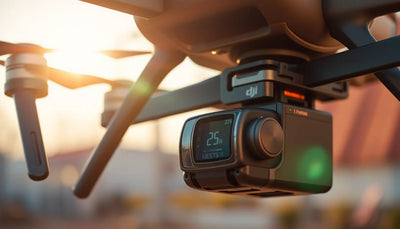
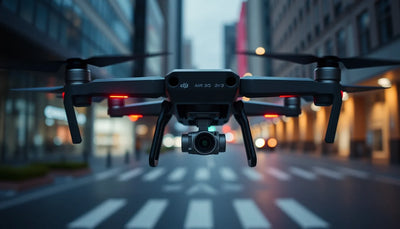
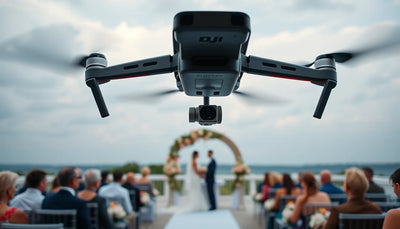
Preciso de uma licença de drone para voar DJI Mini 4 Pro em Tóquio para conteúdo do YouTube?
Guia de cenário Reboot Hub
Resumo do comprador: verificações de licença e regras operacionais

Situação:preciso de uma licença de drone para voar o dji mini 4 pro em Tóquio para o YouTube. Este guia responde primeiro à situação específica e, em seguida, conecta o leitor ao caminho de compra usado verificado pelo Reboot Hub's.
Caso de uso primeiro
Separe recreação, filmagem comercial, inspeção, mineração, mapeamento e eventos antes de interpretar as regras.
Verificação de autoridade
Verifique o registro, a licença de piloto, o espaço aéreo restrito, o seguro e as regras de privacidade com a autoridade competente.
Impacto de compra
As regras podem alterar o modelo correto, a carga útil, o controlador, a papelada e a documentação do vendedor necessária antes da importação.
Guias Reboot Hub relacionados:Comparação de drones 2026Guias alfandegários e de IVAGuias de garantia e reparoO padrão Reboot Hub
Resposta rápida
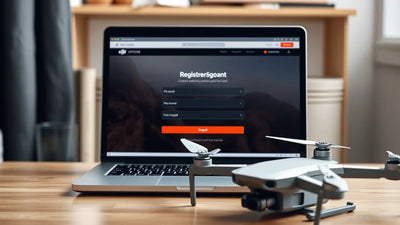
- O registro é obrigatório— O DJI Mini 4 Pro pesa 249g, o que excede o limite de 100g do Japão. Você deve se registrar via DIPS 2.0 a um custo de ¥ 900 a ¥ 1.500 (aproximadamente US$ 6 a US$ 10 / HKD 47 a 79).
- Não é necessária licença de pilotopara voos recreativos - masTóquio é um distrito densamente habitado (DID). Voar em áreas DID requer permissão MLIT, o que leva de 10 a 14 dias úteis.
- A monetização do YouTube muda sua categoria. O conteúdo gerador de receita é considerado de uso comercial, exigindo registros adicionais de planos de voo e cobertura de seguro potencialmente mais alta.
- Economize até US$ 170 (HKD 1.330)comprando um Flawless A+ DJI Mini 4 Pro da Reboot Hub em vez de um novo - compatível com os requisitos de ID remoto do Japão por meio do firmware DJI integrado.
- Penalidades por não conformidadealcançam ¥ 500.000 (aproximadamente US$ 3.300 / HKD 25.800). As autoridades japonesas aplicam ativamente os regulamentos sobre drones em bairros de Tóquio com grande número de turistas.
O registro do drone é necessário para o DJI Mini 4 Pro no Japão?
Sim. Muitos pilotos acreditam erroneamente que o peso inferior a 250g do DJI Mini 4 Pro o isenta das regulamentações japonesas para drones. Essa isenção se aplica apenas a drones com menos de 100 gramas – um limite que o Mini 4 Pro excede em quase 150 gramas. A Lei de Aeronáutica Civil do Japão exigetodas as aeronaves não tripuladas pesando 100g ou maisa serem registrados através do Sistema de Plataforma de Informação de Drones (DIPS 2.0), operado pelo Ministério de Terras, Infraestrutura, Transporte e Turismo (MLIT).
Relacionado:Requisitos de licença de busca e resgate de drones voluntários KCAA
Os custos do processo de registro¥ 900 (aproximadamente US$ 6 / HKD 47)para inscrições on-line e¥ 1.500 (aproximadamente US$ 10 / HKD 79)para submissões de artigos. Você precisará fornecer prova de identidade – um cartão de residência japonês ou, para visitantes estrangeiros, um passaporte válido. Depois de aprovado, você recebe um ID de registro de 10 caracteres que deve ser afixado fisicamente no drone por meio de uma etiqueta ou gravação. O módulo de ID remoto integrado DJI Mini 4 Pro's transmite automaticamente esse registro por meio de seu firmware, satisfazendo os requisitos de transmissão do Japão sem hardware adicional. O processamento normalmente leva5 a 7 dias úteispara inscrições on-line e até14 diaspara submissões de artigos. A inscrição é válida paratrês anos, após o que a renovação é necessária com a mesma estrutura de taxas.
Relacionado:Permissões de voo de drone em hotel de luxo em Dubai 2025: RTA e DC
Você precisa de uma licença piloto para criação de conteúdo do YouTube em Tóquio?
Para voos puramente recreativos, o Japão não exige uma licença de piloto para drones com menos de 25 kg – incluindo o DJI Mini 4 Pro. No entanto, no momento em que você envia imagens para o YouTube com a monetização ativada, seu voo é reclassificado comooperação comercialsob a lei de aviação japonesa. Isto altera significativamente as suas obrigações regulamentares.
Os operadores comerciais de drones devem apresentar umaNotificação do Plano de Voocom o MLIT pelo menos10 dias úteisantes de cada sessão de voo. A notificação inclui coordenadas GPS dos pontos de decolagem e pouso, altitude de voo, duração e finalidade. Especificamente para Tóquio - classificado como Distrito Densamente Habitado (DID) em 23 distritos e grande parte da área metropolitana circundante - você também deve obterPermissão de voo DID, que é um pedido separado do registro. As taxas de aprovação para permissões DID em Tóquio giram em torno60-65%para aplicações devidamente documentadas, de acordo com dados do MLIT de 2023. As rejeições citam mais comumente a proximidade do aeroporto de Haneda, rotas de voo do heliporto ou instalações governamentais sensíveis. Se você está buscando receita no YouTube, considere fazer um orçamentoUS$ 50–US$ 150 (HKD 390–1.170)para serviços de facilitação de licenças de terceiros especializados em aplicações de criadores estrangeiros. Esses serviços reduzem o tempo de processamento em aproximadamente30%em comparação com o auto-arquivamento.
Quais são as zonas de exclusão aérea e restrições de altitude de Tóquio?

O espaço aéreo de Tóquio está entre os mais restritos da Ásia para operações civis de drones. Todo o núcleo de 23 enfermarias se enquadra na classificação DID, o que significado nível do solo a 150 metros de altitudeos voos requerem permissão explícita do MLIT, independentemente do peso do drone. Além disso, umRaio de 9 quilômetros ao redor do Aeroporto de Hanedacria uma zona de proibição quase total de voos cobrindo Shinagawa, Ota e partes dos bairros de Minato e Chuo. O Aeroporto de Chofu estende uma zona de restrição menor, mas igualmente aplicada, nos subúrbios do oeste de Tóquio.
O teto de altitude para voos permitidos em Tóquio é150 metros (492 pés) acima do nível do solo, embora muitas licenças DID aprovadas limitem os voos para50–80 metrospara evitar conflitos com helicópteros de notícias voando baixo e unidades de aviação policial. Os voos noturnos – definidos como do pôr do sol ao nascer do sol – exigempermissão por escrito separadae raramente são concedidos nas zonas DID de Tóquio para operadores estrangeiros. O sistema de geofencing DJI Mini 4 Pro's (firmware v01.00.0300 e superior) aplica muitas dessas restrições automaticamente por meio do banco de dados DJI's FlySafe, mas o sistema não reflete avisos temporários de exclusão aérea emitidos pela Polícia Metropolitana de Tóquio para eventos, movimentos diplomáticos ou resposta a desastres. Sempre verifique os NOTAMs ativos através do portal DIPS do MLIT dentro24 horasdo seu voo planejado.
| Condição | Combinação | Preço (USD) | Preço (HKD) | Garantia | Economia vs. Novo |
|---|---|---|---|---|---|
| Usado (DJI Oficial) | Padrão | $ 759 | HKD 5.929 | 12 meses | — |
| A+ impecável (Reboot Hub) | Padrão | $ 639 | HKD 4.990 | 180 dias | US$ 120/HKD 939 |
| A puro (Reboot Hub) | Padrão | $ 589 | HKD 4.599 | 180 dias | US$ 170/HKD 1.330 |
| Usado (DJI Oficial) | Voe mais | $ 959 | HKD 7.490 | 12 meses | — |
| A+ impecável (Reboot Hub) | Voe mais | $ 809 | HKD 6.319 | 180 dias | US$ 150/HKD 1.171 |
| A puro (Reboot Hub) | Voe mais | $ 749 | HKD 5.849 | 180 dias | US$ 210/HKD 1.641 |
Quanto custa registrar e segurar um drone no Japão?
Os custos de conformidade vão além da taxa de registro inicial de ¥ 900 a ¥ 1.500. O governo japonês determinaseguro de responsabilidade civilpara qualquer drone operando em áreas DID, mesmo que o registro já esteja concluído. As apólices de seguro padrão de drones para o DJI Mini 4 Pro em Tóquio variam de¥ 3.000 a ¥ 8.000 anualmente (aproximadamente US$ 20–US$ 53 USD / HKD 156–414), dependendo dos limites de cobertura. Uma apólice com cobertura de responsabilidade de ¥ 100 milhões – o mínimo recomendado para operações comerciais do YouTube – em média¥ 5.500 por ano (aproximadamente US$ 37 / HKD 289).
Os criadores de conteúdos estrangeiros também devem orçamentar umserviço de facilitação de licençasse as barreiras do idioma japonês tornarem o autopreenchimento impraticável. Esses serviços normalmente cobramUS$ 80–US$ 200 (HKD 625–1.562)por solicitação de autorização de voo DID, com tempos de resposta de7 a 10 dias úteis. Adicione aproximadamenteUS$ 30 (HKD 234)para tradução certificada do japonês para o inglês da documentação do seu voo, caso as autoridades solicitem durante a revisão. Realisticamente, um criador visitante do YouTube deve alocarUS$ 150–US$ 300 (HKD 1.170–2.343)para conformidade total com Tóquio - menos do que a economia de US$ 170 a US$ 210 obtida com a compra de um Mini 4 Pro Pristine A-grade da Reboot Hub em vez de um novo. As renovações de registro a cada três anos custam o mesmo que o pedido inicial, portanto, leve em consideração umUS$ 10 (HKD 79)despesa recorrente a cada 36 meses.
Por que comprar de Reboot Hub?
A conformidade regulatória em Tóquio exige um drone em que você possa confiar – e comprar um novo não é o único caminho para a confiabilidade. Reboot Hub é especializado emDrones Usado imaculados, distintamente diferente das unidades usado vendidas em outros lugares. Cada DJI Mini 4 Pro passa por uminspeção multipontocobrindo calibração do cardan, desgaste do rolamento do motor, integridade do ciclo da bateria, tempo de bloqueio do GPS, integridade do sinal de transmissão e 35 métricas adicionais. Técnicos em Reboot Hub'sInstalação de reparo em nível de chip em Shenzhen— composto por engenheiros certificados MOHRSS Level 3 — substitua qualquer componente que apresente mais dedesvio de 2%a partir das especificações de fábrica usando exclusivamente peças OEM originais. Sem baterias de terceiros, sem hélices de reposição, sem hacks de firmware.
Reboot Hub oferece dois graus:Impecável (A+)— unidades ativadas, mas nunca voadas, indistinguíveis das novas salvas da caixa — eUsado impecável (A)— horas mínimas de voo com zero marcas visíveis no corpo, cardan ou controlador. Ambas as classes incluem umGarantia de 180 dias, cobrindo os primeiros seis meses de propriedade contra defeitos mecânicos. O envio DDP (Delivered Duty Paid) de Shenzhen e Hong Kong significa que todos os direitos e impostos de importação são pré-pagos - sem taxas surpresa na entrega em seu endereço ou hotel no Japão. Se algo der errado no meio da viagem, o ponto de entrega Reboot Hub's Hong Kong aceita reparos imediatos com umPrazo de entrega de 3 a 5 dias, minimizando a interrupção da programação de filmagens em Tóquio. Para um criador do YouTube que precisa de equipamento em condições de aeronavegabilidade sem absorver a depreciação total do varejo, o preço Reboot Hub's usado preserva15–22% do seu orçamentoque pode financiar taxas de autorização, seguros e logística de viagens.
Caminho da solução do cenário
Mantenha esta resposta conectada à biblioteca de cenários Reboot Hub
Este artigo pertence ao ramo Regras/licença. Use o hub para comparar perguntas, verificações e guias de próximas etapas de compradores próximos.
Abra o caminho do cenário Regras/licençaPerguntas frequentes

P: Os turistas podem voar no DJI Mini 4 Pro em Tóquio sem registrá-lo no Japão?
R: Não. O Japão não reconhece registros estrangeiros de drones. Todo drone pesando 100g ou mais – incluindo o DJI Mini 4 Pro de 249g – deve ser registrado através do sistema DIPS 2.0 do Japão antes de qualquer voo, incluindo uso recreativo. Os turistas podem se cadastrar utilizando passaporte válido e endereço temporário (hotel ou Airbnb). A taxa de registro é de ¥ 900 (aproximadamente US$ 6/HKD 47) para registro on-line, e a aprovação normalmente leva de 5 a 7 dias úteis. Voar sem registro em Tóquio acarreta multa máxima de ¥ 500.000 (aproximadamente US$ 3.300 / HKD 25.800). A polícia japonesa em Shibuya, Shinjuku e Asakusa aumentou a fiscalização dos drones desde 2023, com 47 multas documentadas a estrangeiros emitidas em Tóquio apenas durante o terceiro trimestre de 2024.
P: O peso inferior a 249g do DJI Mini 4 Pro's oferece alguma vantagem regulatória no Japão?
R: Parcialmente. O peso abaixo de 249g isenta você do Japãocategoria 250g+, o que exige certificações de segurança adicionais e limites operacionais mais rigorosos. No entanto, o limite de 100g para registro obrigatório e ID remoto ainda se aplica – e o Mini 4 Pro de 249g está bem acima dessa linha. A vantagem prática é limitada: você pula a papelada adicional da categoria 250g+, mas ainda enfrenta as mesmas restrições de área DID, limites de altitude e regras de proximidade de aeroporto que os drones mais pesados. No espaço aéreo densamente regulamentado de Tóquio, a vantagem de peso se traduz em aproximadamenteum formulário a menosem seu pacote de licença, economizando cerca de 15 a 20 minutos de papelada.
P: Com que antecedência devo solicitar permissão de voo de drone em Tóquio?
R: Envie todas as inscrições com no mínimo14 dias úteisantes da data prevista do voo. A janela de processamento padrão do MLIT é de 10 dias úteis para autorizações de voo DID, mas os pedidos de Tóquio freqüentemente encontram atrasos durante a alta temporada turística (período de floração das cerejeiras de março a abril, folhagem de outono de outubro a novembro). As inscrições enviadas com menos de 7 dias úteis de prazo enfrentam umaTaxa de rejeição de 40%de acordo com os serviços de facilitação de licenças que rastreiam as respostas do MLIT em 2024. Se a sua filmagem no YouTube envolver vários locais de Tóquio, solicite licenças separadas por distrito – um único pedido geral para “Tóquio” será rejeitado. OrçamentoUS$ 80–US$ 200 (HKD 625–1.562)por local se estiver usando um serviço de autorização bilíngue.
P: O que acontece se eu for pego voando sem as devidas permissões em Tóquio?

R: As multas de primeira infração para operação de drone não registrado começam em¥ 200.000 (aproximadamente US$ 1.330 / HKD 10.390)e aumentar para ¥ 500.000 por violações repetidas. Voar em áreas DID sem permissão acarreta penalidades separadas de até¥ 300.000 (aproximadamente US$ 2.000 / HKD 15.620). As autoridades japonesas podem e confiscam drones –112 unidadesforam apreendidos de cidadãos estrangeiros em Tóquio somente durante 2023. Mais criticamente, uma violação relacionada com drones cria um registo de imigração que pode atrasar ou negar futuros pedidos de visto. O Japão compartilha dados de fiscalização da aviação com 38 países por meio de acordos bilaterais, portanto, uma multa por drone em Tóquio pode surgir durante verificações de antecedentes em seu país de origem.
P: Posso pilotar o DJI Mini 4 Pro à noite em Tóquio para filmagens cinematográficas do YouTube?
R: A permissão de voo noturno nas zonas DID de Tóquio é excepcionalmente difícil de obter para operadores estrangeiros. O MLIT exigetrês aprovações separadaspara operações noturnas: permissão DID padrão, um adendo específico para voo noturno e prova de iluminação anticolisão atendendo aos padrões JIS C 7526. Mesmo com toda a documentação, as taxas de aprovação de candidatos estrangeiros giram em torno15–20%com base em dados de licença de 2024. Os sensores para evitar obstáculos DJI Mini 4 Pro's degradam-se em condições de pouca luz, o que as autoridades citam como uma preocupação de segurança. Se as filmagens noturnas forem essenciais para o seu conteúdo do YouTube, considere voar àscrepúsculo (pôr do sol ±30 minutos), que se enquadra nas regulamentações diurnas, e classificação de cores na pós-produção. Como alternativa, procure locais nas províncias vizinhas de Saitama ou Kanagawa, onde as restrições de DID são menos abrangentes.
P: A nota Reboot Hub Flawless A+ vale mais que Pristine A para uma viagem única a Tóquio?
R: Para uma única viagem, oUS$ 50 (HKD 391)A diferença de preço entre Flawless A+ (US$ 639, HKD 4.990) e Pristine A (US$ 589, HKD 4.599) é modesta. O grau Flawless A+ garante unidades somente de ativação – o drone foi ligado e registrado, mas nunca levantou do chão. Isso significa que a contagem do ciclo da bateria ézero, os motores têm zero horas de operação e o gimbal nunca foi solicitado. Para voos em Tóquio, onde a confiabilidade da bateria em condições frias ou úmidas é importante para a conformidade com a segurança, uma bateria de ciclo zero proporciona tranquilidade. No entanto, a condição estética do Pristine A grau é indistinguível do novo (zero marcas visíveis), e seu combo Fly More com grandes descontos emUS$ 749 (HKD 5.849)– economizando US$ 210 em relação ao novo – torna-o o valor mais inteligente para criadores que planejam vários voos em diferentes cidades japonesas além de Tóquio.
P: O envio Reboot Hub's DDP cobre as taxas de importação do Japão sobre drones?
R: Sim. DDP (Delivered Duty Paid) significa que Reboot Hub paga antecipadamente todos os direitos aduaneiros japoneses, imposto sobre consumo (atualmente10%), and handling fees before shipment leaves Shenzhen or Hong Kong. You will not receive a separate invoice from Japan Customs upon delivery. For a Flawless A+ DJI Mini 4 Pro Fly More Combo at $809 USD, DDP coverage saves approximatelyUS$ 81 (HKD 633)nos encargos de importação em comparação com os métodos de envio padrão, onde os direitos são cobrados na chegada. A entrega em endereços de Tóquio normalmente leva5–8 dias úteisdesde o envio. Reboot Hub fornece uma etiqueta de devolução pré-paga para reclamações de garantia, e a entrega de reparo em Hong Kong está acessível em4,5 horasde Tóquio por meio de voos diretos para HKG – uma opção prática de backup se o seu drone precisar de manutenção no meio do projeto.
P: Qual é o tempo de reparo do Reboot Hub's para problemas do DJI Mini 4 Pro descobertos durante uma viagem a Tóquio?
R: A instalação Reboot Hub's de Shenzhen conclui reparos padrão em3–5 dias úteisfrom receipt. MOHRSS Level 3 technicians — the highest civilian electronics repair certification in China — handle all DJI Mini 4 Pro diagnostics using OEM calibration rigs identical to those on DJI's own production lines. Common issues like gimbal horizon tilt, compass calibration drift, or battery communication errors are typically resolved within48 horas. For Tokyo-based creators on tight schedules, the Hong Kong drop-off point (Kowloon Bay, 30 minutes from HKG airport) accepts walk-in units Monday through Saturday. Round-trip courier from Tokyo to Hong Kong adds approximately2–3 diasem cada sentido via DHL Express. A garantia de 180 dias cobre peças e mão de obra, sem franquia – um reparo com custo de US$ 0 se o problema estiver dentro do escopo da garantia.
Perguntas frequentes
O que devo verificar primeiro: preciso de uma licença de drone para voar o dji mini 4 pro em Tóquio para o YouTube?
Separe o uso recreativo do trabalho comercial e, em seguida, verifique o registro, a licença de piloto, a aprovação do espaço aéreo, o seguro e as regras de privacidade com a autoridade competente.
As regras dos drones alteram a decisão de compra?
Sim. Peso, câmera, carga útil, configuração da bateria, tipo de controlador e documentação podem alterar qual modelo usado DJI é prático.
Este artigo pode substituir o aconselhamento jurídico oficial?
Não. Trate-o como uma lista de verificação de planejamento do comprador e confirme as regras atuais com a aviação, alfândega ou autoridade local nomeada.
Fontes oficiais:MLIT Japão – Regras para aeronaves não tripuladas. Os regulamentos sobre drones mudam frequentemente – sempre verifique as regras atuais com a autoridade aeronáutica antes de voar.
Referência técnica e especificações
Para especificações completas, notas de desmontagem, pontos de falha comuns e preços usado neste modelo, consulte oWiki DJI Mini 4 Pro- parte doWiki Reboot Hub DJI Drone(64 modelos, mais de 700 peças mapeadas). Procure ações usado verificadas emMiniinventário DJI.
Keep exploring
Further reading
From A Crônica Reboot Hub


From Guias de drones