Reboot Hub · Buying Guide

Drone untuk Pemula

Updated June 12, 2026

Quick Answer


Finding a drone that fits a beginner’s budget of around IDR 5 juta and handles the tight, quiet spaces of a Jakarta coffee shop doesn’t have to be a guessing game. The most practical path is a lightweight, foldable, low-noise drone with a good camera—and a refurbished DJI Mini series unit often beats new budget alternatives on reliability. Below we break down what to look for, which models fit the brief, how Reboot Hub’s multi-point bench test helps reduce risk, and why buying direct from China’s Shenzhen/Hong Kong supply chain can keep your all-in cost under control.


Why a Cafe Shoot Demands a Different Kind of Drone

Filming a kedai kopi for Instagram, TikTok, or a promotional menu video isn’t the same as flying over a rice terrace. You’re often indoors or at a semi-outdoor terrace, working around glass, espresso machines, and soft lighting. The wrong drone will be too loud, too big, or simply too risky to fly near customers. Here’s what shifts the criteria:

  • Noise discipline: A buzzing roar kills the cafe vibe instantly. You want a propeller design and motor profile that produce a lower-pitched, less intrusive sound signature.
  • Size and foldability: Tables are narrow, shelves are tight. A drone that folds to palm size and deploys in seconds makes setup practical.
  • Stability without GPS: Indoors you may lose GPS lock. Drones with strong downward vision sensors and optical flow hold position far better inside a cafe than pure GPS-only models.
  • Camera quality with a soft touch: Sharp 4K is nice, but controlled exposure and true-to-life color matter more when you’re capturing latte art, plating, and warm interior tones.
  • Safety redundancy: Propeller guards, obstacle sensing, and a predictable flight envelope dramatically lower the chance of a mishap around customers and expensive equipment.

If you’d rather skip the detour and start with a drone that’s already been checked against these points, Reboot Hub grades every pre-owned unit against a clear benchmark—you’ll see exactly what “Pristine Pre-Owned” or “Flawless” means before you buy.


What Reboot Hub Checks Before You Fly

We source units directly from China’s Shenzhen and Hong Kong supply chain, then put each drone through a multi-point bench test. The process is carried out by technicians certified at MOHRSS Level-3—they work at the chip level, not just swapping batteries. Every refurbished drone sold by Reboot Hub comes with a 180-day warranty, so you’re not left unprotected if something doesn’t behave as expected.

That standard means you can focus on the creative work instead of doubting whether a pre-owned unit will hold a hover or deliver stable footage. We’ll touch on how that changes your budget calculation later, but first let’s get the specs that actually matter for cafe content.


What to Look for in a Cafe-Ready Beginner Drone

Use this checklist when comparing models—whether you’re buying new, used, or refurbished.

  • Weight: Stay under 250 g if you want to reduce regulatory burden in many regions (in Indonesia, sub-250 g drones typically face fewer operational restrictions, though you must still check current rules with the relevant Directorate General of Civil Aviation). All the picks we cover fall under 250 g.
  • Folded dimensions: Look for something that fits in a small cross-body bag or a pocket of your camera backpack—around 140×90×60 mm folded or smaller.
  • Flight time: A realistic 20–30 minutes per battery (in gentle indoor conditions) gives you enough time to shoot several sequences without a battery change rush.
  • Camera: 1/2.3-inch sensor or better, 4K/30 fps minimum, and a gimbal stabilizing on 3 axes. Electronic stabilization alone won’t save you from micro-bounces when hovering near a coffee cup.
  • Vision sensors: Downward sensors are non-negotiable for indoor hovering; forward/backward obstacle sensing is a nice bonus but not essential for slow indoor moves.
  • Noise level: No published numbers promise silence, but smaller propellers at lower RPM tend to be less disruptive. DJI’s Mini series is known across user reports for a lower, less alarming drone sound than many toy-grade alternatives.

Top Picks Under IDR 5 Juta (Table Comparison)

The table below lines up the models that consistently match the cafe use case and fit within a beginner’s budget—especially when you consider a refurbished option from a vetted source. Real street prices fluctuate, but all the listed units can land under the IDR 5 juta mark if you’re comfortable with a graded pre-owned model.

↔ Swipe the table to see all columns
Model Weight Camera Folded Key Indoor Strength Budget Fit (2025)
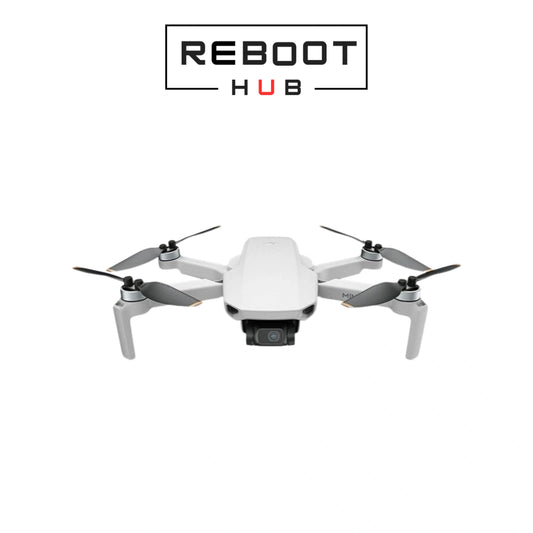
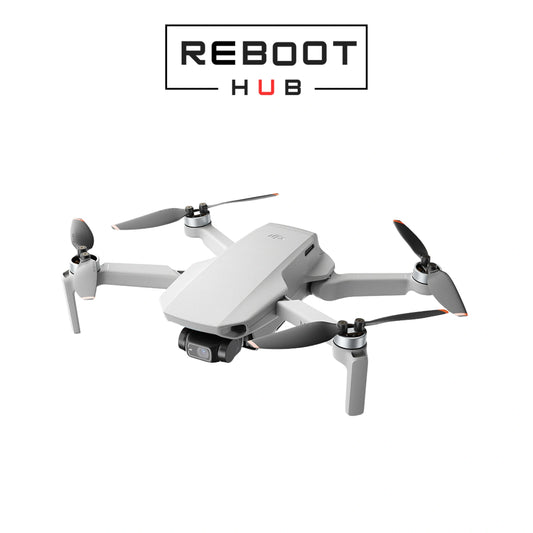
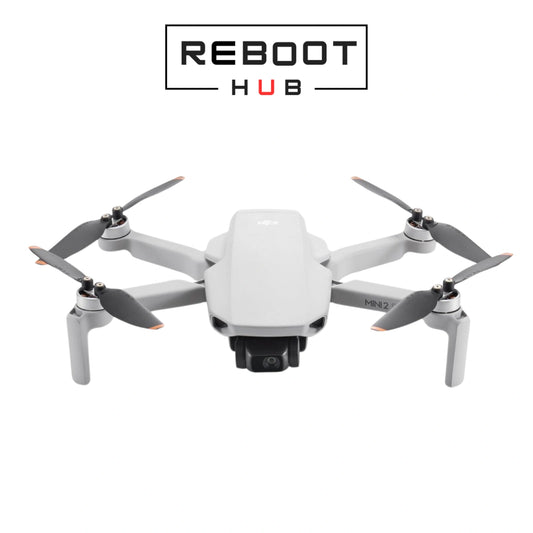
DJI Mini 2 SE <249 g 2.7K / 12 MP, 3-axis gimbal Yes Reliable downward vision; very affordable refurbished units Frequently available well under IDR 4 juta pre-owned
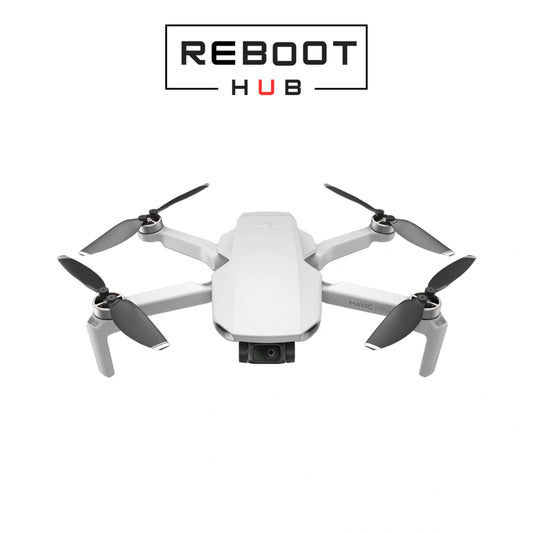
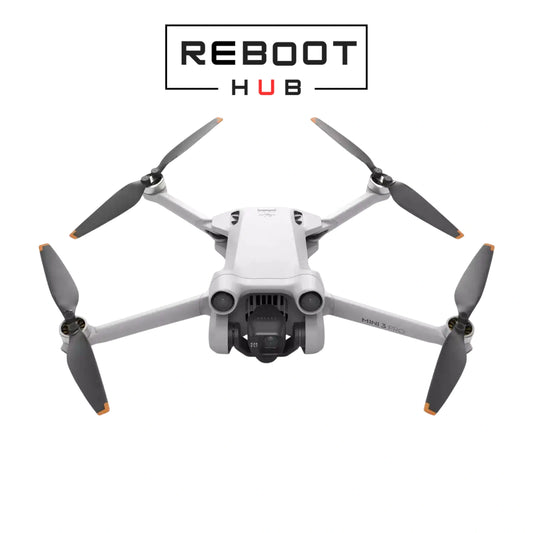
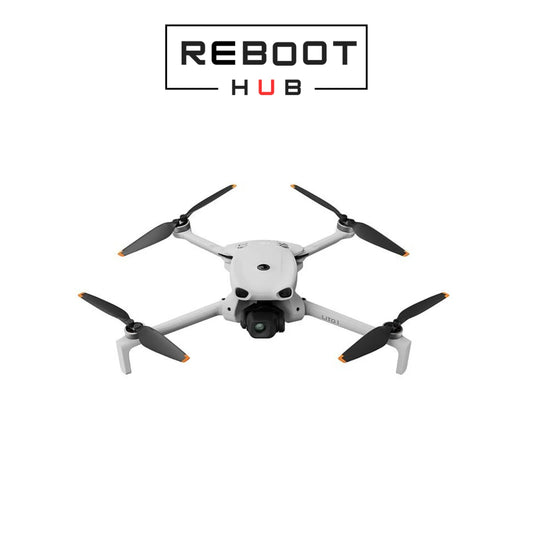
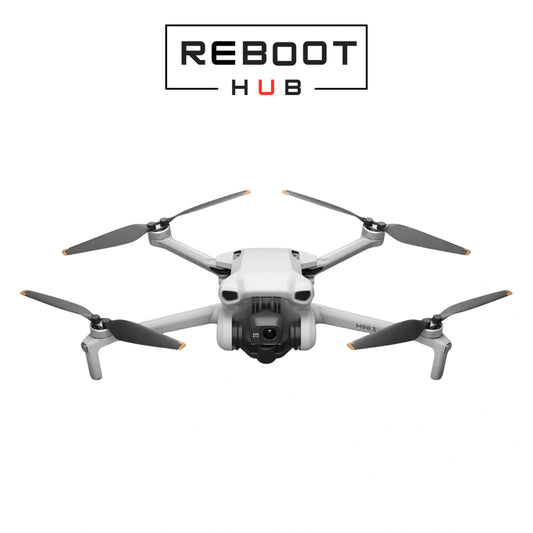
DJI Mini 3 <249 g 4K HDR / 48 MP, 3-axis gimbal, True Vertical Shooting Yes Vertical video without cropping—ideal for Instagram Reels and TikTok Refurbished units often sit right at the IDR 5 juta boundary
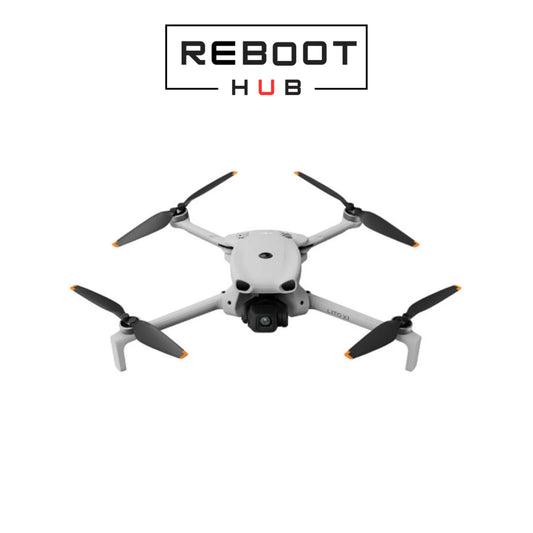
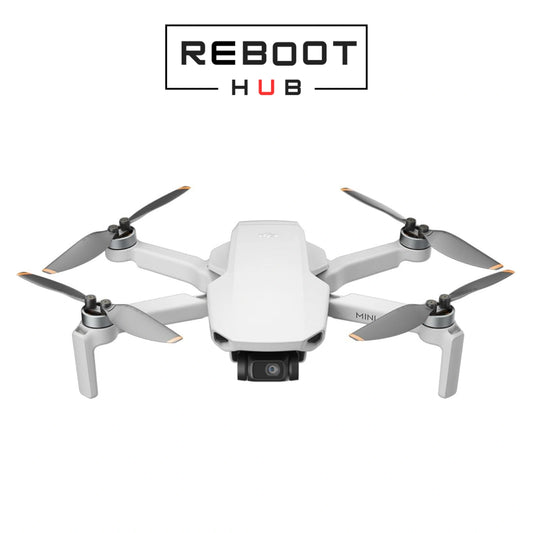
DJI Mini 4K <249 g 4K / 12 MP, 3-axis gimbal Yes 4K at an entry price; gentle flight characteristics for beginners Strong value pick in the IDR 4–5 juta range pre-owned
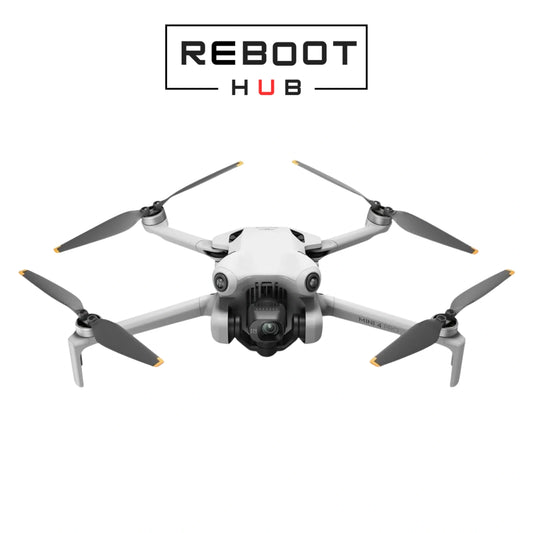
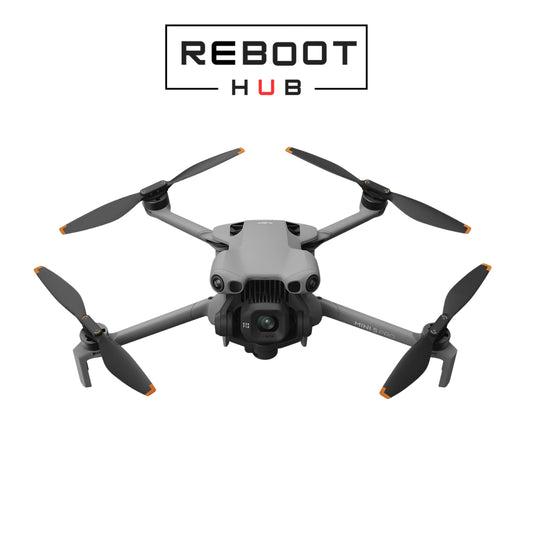
DJI Mini 4 Pro (used/refurb) <249 g 4K/60 HDR, 48 MP, omnidirectional sensing Yes Best sensor and obstacle avoidance if your budget stretches a little Occasionally dips below IDR 5.5 juta; check graded inventory

All the above are mentioned as Realistic options when purchased pre-owned from Reboot Hub’s graded stock. The Mini 4 Pro is the aspirational pick—it’s the quietest of the bunch in many flyer accounts, and the multi-directional obstacle sensing can be a real confidence booster indoors.

If you’re looking for an alternative outside the Mini 4 Pro price bracket without sacrificing the indoor-friendly form factor, the Mini 3 or Mini 4K are the strongest candidates. You can compare detailed specs side by side in our DJI drone comparison hub to see which trade-off—vertical shooting vs. absolute lowest price—matters more for your cafe content.


Buying from China’s Supply Chain: What “Harga All In” Really Means

When you see pricing from China-based resellers, the headline number is rarely the final cost. International shipping, import duties, and local handling can inflate an attractive online price into a surprise. Reboot Hub operates on the Shenzhen/Hong Kong supply chain, but we integrate that sourcing into a transparent delivered price for our buyers. That means:

  • Pre-graded inventory: You know the exact cosmetic and functional grade before shipping.
  • Multi-point bench test completed before listing: No “buy and pray” scenario on functionality.
  • 180-day warranty: Not a generic 7-day return window; real coverage post-delivery.
  • Consolidated logistics: We handle export from China, so you aren’t left calculating customs yourself.

This structure brings the “all in” price closer to something predictable, which is especially useful when you’re building a budget around IDR 5 juta and can’t afford a last-minute tax surprise.


Making the Most of a Small Drone Indoors: Practical Tips

Even the right drone won’t guarantee usable footage if you overlook some operational basics. These aren’t rules etched in stone, but they come from operator experience.

1. Light the scene, don’t rely on the drone’s sensor

Cafes often have mixed lighting—warm pendants over tables, daylight from glass facades, dark corners. A small LED panel on a stand does more for image quality than any drone sensor upgrade. Keep the drone’s camera at its base ISO and let your external light handle the exposure.

2. Use propeller guards even if you’re comfortable

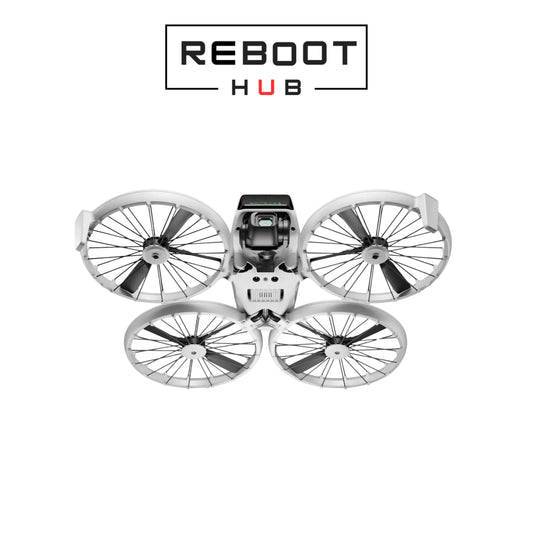
Indoor flights around people, cups, and glass shelves can surprise even experienced pilots. Lightweight clip-on guards add a few grams but dramatically lower the damage if the drone bumps into something. Many DJI Mini series have official or third-party guards available.

3. Fly in Cine mode, not Sport

Speed is your enemy inside a cafe. Cine mode (or the equivalent slow-flight setting) dampens stick response, making panning shots smoother and reducing the chance of overcorrection into a wall.

4. Capture vertical content from the start

If your drone supports True Vertical Shooting (Mini 3, Mini 4 Pro), switch to it natively. Cropping horizontal footage later loses resolution and often cuts off the very latte art you wanted to show. For Instagram Reels and TikTok, vertical framing is the final format, so shoot it that way.

5. Get consent, not just footage

If customers or staff appear in your shot, a brief heads-up prevents misunderstandings. Indonesia’s privacy regulations warrant checking with the venue owner and, where applicable, relevant local data-protection guidance. A quick conversation keeps the session friendly.

If you’d rather not do every check yourself—vision sensor calibration, gimbal alignment, battery health—see the Reboot Hub standard. A bench-tested unit arrives ready to fly, so you can spend your first battery on a creative sequence instead of a diagnostic flight.


Regulation & Compliance: A Short Reality Check

This article doesn’t provide legal advice, and rules change. As of 2025, here’s what we can say based on widely understood frameworks without inventing specific statutes:

  • Sub-250 g drones generally face simpler requirements in many jurisdictions, including Indonesia. That does not mean “no rules”; it often means registration may still be required for commercial use.
  • Flying indoors on private property with the owner’s permission typically falls outside airspace-specific regulations, but public cafe spaces may have different insurance or safety obligations.
  • Commercial intent (promotional content for a cafe) can shift your operation into a regulated category. Check with the Directorate General of Civil Aviation (DGCA) Indonesia or a local aviation consultant about permits, remote pilot certificates, and operational limits before you film for business purposes.
  • Privacy: Filming people without consent carries legal risks under Indonesia’s evolving data-protection landscape. A signed location release and a clear notice to patrons is a practical way to lower that risk.

Rules are updated periodically. Always verify locally before flying.


Beyond the Drone: Building a Tiny Content Kit

A drone is one piece of your cafe shoot. For the equivalent of IDR 5 juta all in, consider pairing a more affordable drone body (like a Mini 2 SE or Mini 4K) with a few accessories that lift production quality:

  • Extra batteries (at least two total) for continuous shooting across a morning session.
  • A compact charging hub so you aren’t waiting on a single USB cable.
  • ND filters to control shutter speed under bright terrace light—essential for smooth motion.
  • A foldable landing pad if you’re taking off from a damp grass area outside the cafe.

If you step up to a Mini 3 or a well-priced Mini 4 Pro, the drone’s built-in capabilities may reduce the need for accessories, but batteries remain the one non-negotiable expansion.


FAQ

What drone is suitable for a beginner with a budget of 5 million rupiah for shooting coffee shops in Jakarta?

A refurbished DJI Mini 2 SE, Mini 3, or Mini 4K typically hits the sweet spot. They weigh under 250 g, fold small, and provide stabilized footage that holds up on Instagram and TikTok. Choosing a graded unit from Reboot Hub with a 180-day warranty helps you stay within budget without risking a device that hasn’t been bench-tested.

Can I fly a drone indoors in a cafe without disturbing customers?

You can lower the disruption significantly by using a model with low-noise propellers (the DJI Mini series is often reported as less intrusive), flying in Cine mode, and adding propeller guards. No drone is silent, so coordinate with the cafe owner to shoot during quiet hours or when the space is closed to regular patrons.

Is it cheaper to buy a DJI drone direct from China in 2025?

The headline price may look cheaper, but total landed cost—shipping, import duty, and handling—can erase the difference. Reboot Hub supplies from the Shenzhen/Hong Kong supply chain and delivers a checked, graded unit with warranty included, which often works out to a more predictable all-in price for buyers in Indonesia.

What are the alternatives to the DJI Mini 4 Pro for Instagram coffee shop content?

The Mini 3 offers True Vertical Shooting and 4K HDR, ideal for Reels without cropping. The Mini 4K delivers 4K video at a lower price point. Both fold small and can be found as refurbished units under the IDR 5 juta threshold. The Mini 2 SE is a solid entry pick if 2.7K footage meets your platform needs.

Do I need a license or permit to fly a drone for commercial cafe promotion in Indonesia?

Commercial operations may require a permit and a certified remote pilot, even for sub-250 g drones. Indoor use with the property owner’s consent can be different from outdoor public flights. Because regulations evolve, we recommend confirming your specific obligations with the Directorate General of Civil Aviation (DGCA) Indonesia before filming for a business.

How does Reboot Hub’s refurbished drone warranty work?

Every refurbished drone sold by Reboot Hub includes a 180-day warranty. Our MOHRSS Level-3 technicians complete a multi-point bench test and chip-level inspection before a unit is graded and listed. That means if an issue surfaces during normal use within the warranty window, you’re covered—not stuck troubleshooting on your own.


Ready to Start Your Cafe Sessions?

You’ve got the checklist, the model comparison, and the practical tips to avoid the common first-flight frustrations. The next step is to pick a drone that fits the budget and the narrow, quiet environment of a Jakarta coffee shop—without gambling on an unseen secondhand device.

Bring the right tool into that kedai kopi, and your content stops looking like casual phone footage and starts telling the story of the space. We’re here to supply the drone part of that equation, tested and ready.

Skip the gamble — every Reboot Hub drone is graded, bench-tested & warrantied.

Browse verified drones