Reboot Hub · Buying Guide

Come Evitare il Sequestro in Dogana di un Drone DJI dalla Cina in Italia per Rilievi 3D di Siti Archeologici
Updated June 12, 2026

Quick Answer

  • Documentation first: a clear commercial invoice stating “pre-owned/refurbished drone for professional 3D surveying,” correct HS code, and proof of payment helps customs see a legitimate transaction, not an undeclared shipment.
  • Battery compliance matters: DJI intelligent batteries must meet UN 38.3 / dangerous-goods packaging standards — incomplete paperwork is a frequent cause of delay or seizure.
  • Know your Incoterms: DDP (Delivered Duty Paid) puts import clearance responsibility on the seller; DDU or hand-carry shifts it to you. Understand which party files the entry and pays duties.
  • Region-specific checks: every country adds its own layer — EASA operator registration for Italy, SONCAP for Nigeria, de minimis thresholds for the US, RUT for Chile. Always verify with the local authority before shipping.

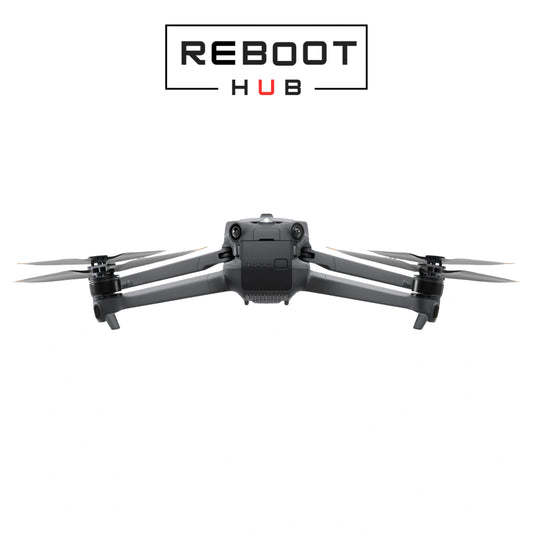
When an archaeologist in Tuscany orders a refurbished DJI Mavic 3 Enterprise from Shenzhen for a 3D survey of an Etruscan site, the last thing they want is a seizure notice from Agenzia delle Dogane. That scenario — the drone stuck in a warehouse, a request for missing certificates, and days of project downtime — is far more common than it should be. And the same pattern repeats whether the destination is Accra, Lagos, Santiago, Bucharest, or Manchester.

We’ve seen these cases unfold across continents. The underlying problems are rarely about the drone itself; they are about documentation gaps, battery shipping classifications, and a mismatch between what the buyer thought was covered and what customs actually requires. This guide walks through the practical steps that lower the chance of a seizure, drawn from real import patterns — not from a legal textbook, because every customs authority writes its own chapter.

At Reboot Hub, every refurbished DJI drone leaves our Shenzhen/Hong Kong supply chain after a multi-point bench test by MOHRSS Level-3 certified technicians and a grading process that documents exactly what you’re buying. When your paperwork matches a professionally prepared unit, the import process becomes smoother from the start.


Why customs stops a drone shipment (the three common triggers)

Most seizures fall into one of three buckets. If you address these before the box leaves China, you dramatically reduce the risk.

1. Invoice ambiguity

A generic description like “electronic device” or a value that looks artificially low to dodge duties is a red flag. Customs officers are trained to spot undervaluation, and a drone — especially a high-end DJI model — stands out. Instead, the commercial invoice should state:

  • Item: Pre-owned / refurbished DJI [model], intended use: 3D archaeological survey
  • Accurate transaction value (what you actually paid)
  • Harmonized System (HS) code — typically around 8525.80 for cameras/drones, but confirm locally for the importing country
  • Country of origin: China

This level of detail signals a real commercial transaction, not an attempt to sneak something in.

2. Lithium battery paperwork

DJI intelligent flight batteries are classified as dangerous goods (Class 9 UN 3481). Most seizures we hear about from buyers in Italy, Nigeria, and Romania started not with the drone itself but with the battery documentation. Carriers and customs want to see:

  • UN 38.3 test summary (required for lithium batteries shipped by air)
  • Proper state of charge (below 30% for air freight in most jurisdictions)
  • Packaging that meets IATA/IMDG requirements
  • A Material Safety Data Sheet (MSDS) or equivalent

Without these, a shipment can be held at the first transit hub — even before it reaches the destination country’s customs.

3. Missing importer identifiers or registrations

Italy (like the rest of the EU) requires any drone operator to register when flying a camera-equipped drone, regardless of purchase origin. But for import clearance itself, an EU-based buyer often needs an EORI number. In Chile, a RUT number is essential for clearing commercial cargo. In Nigeria, certain product categories require a SONCAP certificate. If the buyer does not have these credentials ready when the shipment arrives, the package sits — and storage fees accrue until it is resolved or seized.


Country-specific landscapes: what to check before you click “buy”

While the three triggers above are universal, every jurisdiction adds its own flavour. Below is a practical cross-reference table based on the scenarios we are most asked about. Numbers and thresholds change; always confirm with the relevant national authority.

↔ Swipe the table to see all columns
Destination Key framework / authority Critical pre-shipment check
Italy (EU) EASA, Agenzia delle Dogane, local customs rules EORI number ready; drone operator registration per EASA Open/Specific category; CE marking on the unit (refurbished DJI units sold by Reboot Hub carry their original CE documentation, which helps demonstrate conformity)
United States CBP, FAA, Section 321 de minimis De minimis threshold (currently $800 for most shipments) can simplify entry for personal imports, but commercial-use drones may still require formal entry; FAA Part 107 or TRUST certificate required for flight, not for import
United Kingdom HMRC, UK CAA CAP 722 DDP vs DDU matters: if your seller ships DDP, they are the declarant and must file correctly. Wedding videographers importing under DDP should confirm in writing which party handles the C88 entry form.
Chile Aduanas de Chile, DGAC RUT number essential; used drones may be inspected more closely for valuation accuracy. A detailed invoice with refurbishment grade helps.
Nigeria Nigeria Customs Service, SONCAP SONCAP certification may be required for electronic goods; batteries are a particular focus area. Work with your local clearing agent to confirm whether your drone model falls under the regulated product list.
Ghana Customs Division of GRA, GCAA Kotoka International Airport customs will review documentation for commercial electronics; a pro-forma invoice from the seller that matches the final payment invoice is often asked for.
Romania (EU) Autoritatea Vamală Română, EASA Personal-use declarations can still be challenged if the value is high. Provide a brief cover letter explaining the intended personal use and attach proof of purchase. If the shipment was stopped, contacting the customs broker at the entry point within the deadline for objections is the most practical first step.

This table is not a compliance checklist — it is a starting point for your own due diligence. Regulatory requirements shift; verify locally before any international shipment.


How the purchase channel changes the risk profile

↔ Swipe the table to see all columns
Purchase type Customs risk factors
Brand-new from an overseas retailer Usually shipped with full manufacturer packaging and compliance inserts; easier for customs to classify. Warranty cards and original serial numbers help, but the declared value can raise duty assessments.
Used from a peer-to-peer marketplace Documentation is often sparse — a screenshot of a chat app payment is not an invoice. Battery condition is unknown, and packaging rarely meets dangerous-goods standards. Highest risk of seizure.
Refurbished from a specialist seller (Reboot Hub) Each unit is graded and accompanied by a clear commercial invoice. Because we ship across borders daily, our warehouse team prepares battery declarations and packing lists that align with carrier requirements. The drone’s condition is documented, which helps if customs questions the value or the nature of the goods.

If you’d rather not do every document check yourself, see the Reboot Hub standard — it spells out what we prepare before each shipment, from battery SoC to invoice details.


DDP, DDU, and hand-carry: who takes the customs hit?

One of the most confused points in forums like Reddit is the real-world meaning of Delivered Duty Paid (DDP). When a UK wedding videographer orders with DDP terms, they assume “taxes and duties covered.” But if the seller files the entry incorrectly — say, misclassifying the drone or omitting a battery declaration — the liability still lands on the buyer’s doorstep. Customs seizes the goods until the paperwork is rectified. The seller may be on the other side of the world.

Practical takeaways:

  • When buying DDP, ask for a copy of the import entry and tracking details before the shipment leaves China.
  • If importing DDU, line up a local broker ahead of time. Don’t wait for the arrival notice.
  • Hand-carrying a drone on a flight: carry the printed purchase receipt and battery safety documents. Declare the item if you are above the personal allowance threshold at the destination. We see fewer issues when the traveller carries clean documentation than when they assume the box won’t be flagged.

What to do if your drone is already seized

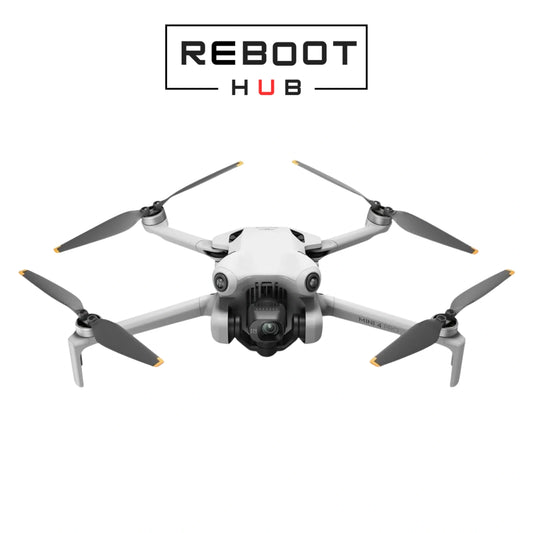
Seizure is not the end of the road — but it is a time-sensitive process. A consignee in Romania who reached out to us after customs seized their DJI Mini 4 Pro received the following practical steps (adapted here for a general audience):

  1. Read the notice carefully. It usually states a deadline to respond and the specific reason for the hold (missing document, undervaluation concern, battery certificate).
  2. Supply the exact missing document. If it’s a battery test summary, obtain it from the seller. At Reboot Hub, we maintain these documents for the batteries we ship.
  3. Engage a licensed customs broker in the destination country. For auction-value drones, broker fees can feel disproportionate, but when the drone is essential for a 3D survey project, the cost-benefit usually favours clearance.
  4. Do not ignore the deadline. Unclaimed goods can proceed to auction or destruction faster than most buyers expect.
  5. Learn for next time. The seizure reason points to the weak spot in your import process — patch it before the next order.

This is not legal advice; it is the route we have seen work most often. Always consult a professional familiar with the specific customs authority.


Before you order: a practical checklist

  • [ ] Confirm the drone model’s intended use aligns with the importer category in your country (personal, commercial, surveying).
  • [ ] Obtain the seller’s commercial invoice with accurate value, HS code, and clear description (“pre-owned” or “refurbished”).
  • [ ] Request battery documentation: UN 38.3 test summary, MSDS, and a packing declaration.
  • [ ] Set up your importer identification (EORI, RUT, tax ID, etc.) and share it with the seller or your broker.
  • [ ] Decide on Incoterms and know who is responsible for filing the customs declaration.
  • [ ] Check whether your country requires any pre-shipment conformity certificate (SONCAP, CE documentation, etc.) for electronic goods with lithium batteries.
  • [ ] For EU countries: verify drone class marking (C0, C1, C2) and operator registration. While this is an operational requirement, it can be cross-checked during a customs review.

FAQ

I want to import a DJI drone from China to Italy for 3D archaeological site surveys. What specific documents lower the seizure risk?

A commercial invoice clearly stating “refurbished DJI [model] for professional 3D archaeological survey” with the correct transaction value and HS code is the baseline. Add a packing list, battery UN 38.3 test summary, and, if available, the original CE conformity document. As an EU importer, ensure you have an EORI number. While EASA operator registration is not strictly a customs document, having it demonstrates the drone’s intended legal use, which can support your case during a review.

Can I use the US de minimis rule (Section 321) to import a DJI drone from China without duties?

De minimis allows shipments valued at $800 or below to enter duty-free and with simplified entry. If your drone purchase falls under that threshold, it can streamline the process. However, a commercial-use drone may still draw scrutiny if customs suspects it is part of a business inventory rather than a personal purchase. Document the nature of the transaction honestly. For purchases above the threshold, expect standard entry and duty assessment. Always check the latest CBP guidance because the threshold and eligible goods can change.

I’m in Nigeria and I heard I need a SONCAP certificate to clear a drone. Does Reboot Hub provide that?

SONCAP (Standards Organisation of Nigeria Conformity Assessment Programme) applies to certain imported electronic and electrical products. Whether your specific drone model requires a SONCAP certificate depends on Nigeria’s regulated product list. We recommend you ask your local clearing agent to confirm. Reboot Hub provides the underlying test documentation — such as battery safety reports and CE/radio compliance documents — that can support a SONCAP application, but the certificate itself is typically obtained through a SONCAP-accredited body on the importer’s side.

My DJI drone shipped from Hong Kong was seized by Romanian customs for personal use. What are my options?

First, read the seizure notice to understand the stated reason — often it is a missing battery declaration or a valuation question. Contact the customs broker listed on the notice or hire a broker in Romania. Provide a clean commercial invoice, battery test summary, and a statement explaining personal use. EU personal-use imports still require proper dangerous-goods paperwork for lithium batteries; that is a frequent hold-up. You have a limited window to respond, so act quickly and keep all communication documented.

My DDP DJI drone was seized by UK customs. As a wedding videographer, am I responsible?

Legally, the importer of record is responsible for the correctness of the customs declaration, even under DDP terms. If your seller in China filed the entry incorrectly, UK customs will hold the goods, and you — as the ultimate consignee — will need to resolve it. Practical steps: contact the seller immediately and request the entry documentation they submitted. If they cannot or will not correct it, engage a UK customs broker to re-file. For future purchases, agree in writing on who provides the correct commodity code, valuation, and battery declarations.

What are the risks of importing a used DJI drone into Chile, and how can I minimise them?

Chilean customs often scrutinise used electronics for accurate valuation. A vague “used drone” description or a suspiciously low declared value increases the seizure risk. Use a detailed invoice showing the refurbished grade and proof of payment. Ensure you have your RUT number and confirm any additional DGAC requirements for the drone category. For lithium batteries, the same UN 38.3 and state-of-charge rules apply. When in doubt, have a Chilean customs agent review the paperwork before shipping.


Every rule referenced above is subject to change. Customs and aviation authorities update their requirements without notice. This article describes common patterns and practical approaches, not formal legal or customs advice. Always verify the latest regulations with the relevant national authority before importing a drone.


Ready to ship with documentation that makes customs clearance smoother?

Browse our Pristine Pre-Owned and Flawless DJI drones — each one includes a commercial invoice, battery compliance documentation, and our multi-point grading record. Whether you are mapping an archaeological site in Campania or filming a wedding in Cornwall, starting with a professionally prepared unit removes the guesswork from the very first step of your import. View our full inventory and the 180‑day warranty that covers every refurbished drone.

Related resources: the reboot hub standard · dji drone comparison 2026 · drone grading standard

Skip the gamble — every Reboot Hub drone is graded, bench-tested & warrantied.

Browse verified drones