SpaceX Space Monopoly After Blue Origin Pad Collapse – 5 Drone Stocks to Watch
Blue Origin’s New Glenn pad obliteration hands SpaceX the entire NASA manifest, vaporizing Artemis rover plans, stock-market shockwaves hit drone-adjacent aerospace. What this means for BVLOS approvals, satellite launch pricing, and your fleet upgrade timing—critical analysis for commercial operators using RTK surveying and GSD mapping.

On June 5, 2026, the commercial space industry woke up to a catastrophe that will echo for years. Blue Origin’s New Glenn launch pad was obliterated during a hot fire test—the first pad explosion of this magnitude since the Soviet N1 rocket in 1969. The single-pad infrastructure loss means a minimum one-year rebuild timeline, vaporizing NASA’s Artemis lunar rover ride and handing SpaceX the entire federal manifest by default. For investors tracking the drone ecosystem, this is not just a space story—it’s a tectonic shift in launch economics that directly impacts satellite-based drone connectivity, BVLOS regulatory pathways, and the cost of aerial data pipelines.

In the immediate aftermath, five stocks have emerged as the prime beneficiaries of SpaceX’s de facto monopoly. But beyond ticker symbols, the real question for commercial drone operators and fleet managers is: What does a single-source launch environment mean for your business? At Reboot Hub, we’ve analyzed the financial, operational, and regulatory ripples. This breakdown covers the stocks to watch, the drone-specific consequences, and why the second-hand drone market just became a strategic hedge against inflated hardware costs.
The Collapse That Reshaped Launch Economics
Blue Origin’s New Glenn vehicle was designed to compete head-to-head with SpaceX’s Falcon Heavy and (eventually) Starship. The pad failure destroys not just hardware but the timeline for certifying new launch providers for national security missions. The U.S. Air Force’s Phase 3 launch procurement—already heavily tilted toward SpaceX—now has no credible alternative. For drone operators reliant on LEO satellite constellations for real-time telemetry and command-and-control, this concentration risk translates into higher per-kilogram launch costs and slower constellation replenishment. That increases operating costs for services like drone-based agriculture mapping, infrastructure inspection, and public safety surveillance, where direct-to-satellite links are becoming standard.
How Drone Operators Gain from Expanded Launch Capacity (and What to Watch)
The immediate beneficiary is SpaceX, which will absorb the entire NASA manifest—lunar cargo, crew rotation, and deep-space probes. But the downstream effect benefits companies that build the payloads, ground terminals, and data-processing software that drones depend on. For example, satellite communications providers like Iridium (IRDM) and Globalstar (GSAT) rely on fixed-price launch contracts; with SpaceX now the only game in town, those contracts will likely tighten margins. Conversely, companies that manufacture drone-integrated satcom terminals—such as AeroVironment (AVAV) and Kratos (KTOS)—may see accelerated adoption as operators shift from cellular to satellite backbone for BVLOS flight.
Ready to Upgrade Your Fleet?
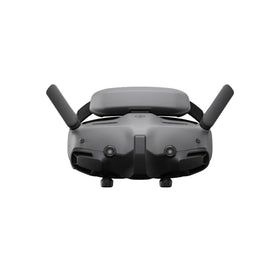
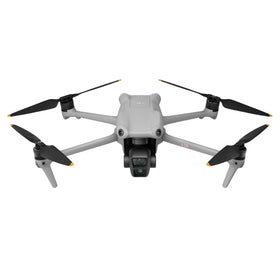
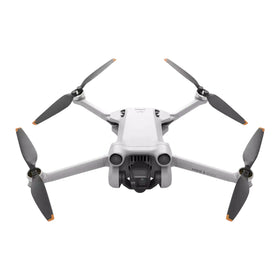
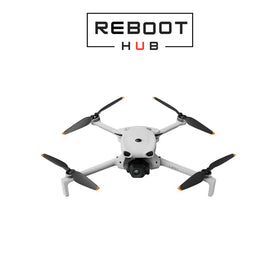
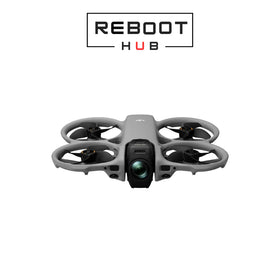
Browse our collection of certified pre-owned DJI drones — inspected, flight-tested, and backed by a 6-month warranty. Save up to 40% versus retail.
Implications for Drone Operations and Regulation
The FAA’s Part 107 framework does not distinguish between satellite bandwidth sources, but the agency’s push for BVLOS exemptions hinges on reliable, low-latency connectivity. With SpaceX’s Starlink already dominating the LEO broadband market, the pad collapse only accelerates the consolidation of space-based infrastructure. This is both a blessing and a curse: drone operators flying under the BEYOND program or using RTK corrections from satellite-based augmentation systems (SBAS) will see improved reliability from a unified network, but they will face reduced competition in the launch supply chain. If SpaceX raises launch prices by 20–30%—as the financial models suggest—satellite subscription fees for drone connectivity will follow suit. For a fleet of 20 agricultural drones streaming 4K multispectral imagery, that could mean an extra $2,000 per month in operating costs.
However, there is a silver lining. The Artemis rover delay opens a window for private lunar exploration companies, many of which are developing drone-like hopper vehicles for resource prospecting. Companies such as Astrobotic and Intuitive Machines (LUNR) will likely accelerate their own launch procurement with SpaceX, creating secondary demand for high-performance cameras and sensors—precisely the components that also go into advanced UAV gimbals. Investors should watch for cross-pollination between space-hardened sensor suppliers and drone OEMs like Autel Robotics or the DJI ecosystem.
Navigating the New Landscape: Opportunities for Commercial Pilots
For the 300,000+ Part 107-certified pilots in the United States, this news matters on a practical level. The cost of reliable data uplinks—currently around $150/month per drone for a Starlink-based RTK correction service—is likely to rise. But the increased launch cadence that SpaceX will pursue (including Starship) will enable faster deployment of next-generation comms satellites. By mid-2027, we could see sub-10ms latency satellite links that make real-time remote piloting over 2,000 km feasible. That would open entirely new mission profiles for pipeline inspection, offshore wind turbine monitoring, and disaster response.
At the same time, the hardware supply chain for drones remains volatile. DJI’s access to Western market components is already constrained; now, launch vehicle scarcity will push semiconductor wafer allocation further toward defense and space prime contractors. This means commercial drone buyers face longer lead times and higher prices for new units. The smart move is to lock in proven hardware now. That’s why the certified refurbished DJI drones at Reboot Hub have become a strategic asset—they offer immediate availability, identical performance, and a 30–40% discount compared to new. And when your fleet does need service, our professional DJI repair services use genuine parts to keep your aircraft flying without the wait for new satellites to come online.
The used drone market is currently the most resilient path for operators who need to scale without exposing their budgets to space-derived inflation. In a world where one rocket pad collapse can reshape entire industries, diversifying your hardware acquisition strategy is just as important as diversifying your satellite contracts.
FAQ
How will the Blue Origin pad collapse affect drone satellite connectivity costs?
The loss of a competing launch provider means SpaceX gains pricing power. Expect Starlink and other LEO broadband services to increase wholesale bandwidth fees by 15–25% over the next 12 months. For drone operators, that translates into higher monthly data plans for BVLOS operations. Consider locking in long-term contracts now and investing in RTK ground stations as a backup.
Which stocks benefit most from the SpaceX monopoly and also have drone exposure?
Top picks include AeroVironment (AVAV) for military drone-satellite integration, Kratos (KTOS) for ground-based satcom terminals, and Iridium (IRDM) for ongoing connectivity contracts. These companies have diversified revenue streams that buffer against launch price volatility while still riding the wave of increased satellite deployment.
Is it worth buying used drones right now, or wait for prices to drop?
Given the combined pressures of component shortages and rising satellite costs, new drone prices are unlikely to decrease in 2026–2027. Buying a certified refurbished DJI drone from Reboot Hub is currently the most cost-effective route. You get a fully inspected unit with a warranty at 30–40% below new retail, preserving your capital for higher satellite data bills.
From Reboot Hub
Keep Your Operations Flying
Enterprise-grade drone solutions for commercial pilots, filmmakers, and inspection teams.
Refurbished Fleet
Fully inspected DJI drones with 6-month warranty. Save up to 40%.
Browse Inventory ->