U.S. Counter-Drone Defenses for World Cup Still Lagging, DHS Secretary Admits
Amid warnings of drone threats to 2026 World Cup stadiums, DHS Secretary Mullin concedes federal counter-UAS capabilities remain behind schedule. With airspace security gaps exposing critical infrastructure, commercial operators flying within 3NM of venues face immediate enforcement using Part 107 waivers or risk drone seizure, while defense contractors race to deploy anti-drone nets, RF jammers, and directed-energy systems.

On June 5, 2026, with less than three weeks until the FIFA World Cup kicks off across the United States, Department of Homeland Security Secretary John Mullin delivered a sobering assessment: the federal government is still “a little behind” in building the comprehensive counter-UAS (C-UAS) defenses needed to protect stadiums, transport hubs, and VIP zones from drone-enabled threats. Speaking at a press briefing in Washington, Mullin acknowledged that while interagency teams have made progress on integrating radar, RF detection, and effectors, the deployment schedule for permanent C-UAS systems at 11 host venues remains incomplete.

The admission comes as industry analysts warn that the massive concentration of international spectators, heads of state, and broadcast infrastructure creates an unprecedented target set. DHS has already established Temporary Flight Restrictions (TFRs) with a 30-nautical-mile radius around each stadium, but Mullin’s remarks confirm that the layered defense—including kinetic interceptors, directed-energy weapons, and wide-area drone detection—is not yet fully operational. For commercial drone operators holding Part 107 waivers or BVLOS authorizations near affected cities, the implications are immediate: airspace enforcement will be strict, and any drone incursions risk seizure, heavy fines, or even criminal referral.
Behind the Timeline: Why C-UAS Deployment Lags
The typical federal procurement cycle for counter-UAS systems involves months of testing, certification, and site integration. Unlike consumer drones that can be purchased off the shelf, military-grade C-UAS hardware such as the DroneShield Dismounted DroneDefender or the DedroneDefender requires complex electromagnetic compatibility studies with existing airport and stadium security systems. Mullin pointed to supply chain bottlenecks for key components—especially gallium nitride semiconductor modules used in high-power microwave jammers—as a primary delay factor.
Additionally, legal hurdles remain. The FAA Modernization and Reform Act of 2012 and subsequent reauthorizations limit DHS and local law enforcement from using certain jamming or spoofing techniques that could interfere with legitimate communications. Mullin called on Congress to finalize a new C-UAS authorization bill that would grant broader Title 18 authority for security operations during “special security events” like the World Cup. Without it, agencies must rely on voluntary compliance from drone pilots—a risky bet given the estimated 2.5 million recreational drones already in the U.S. fleet.
Ready to Upgrade Your Fleet?
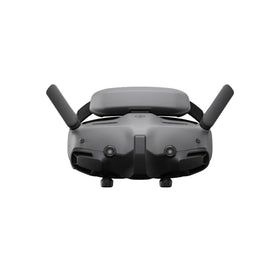
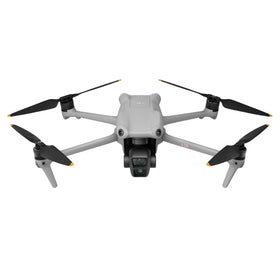
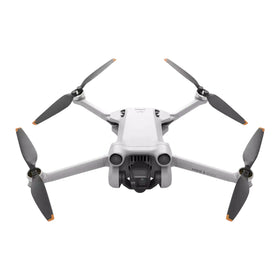
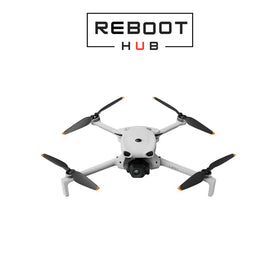
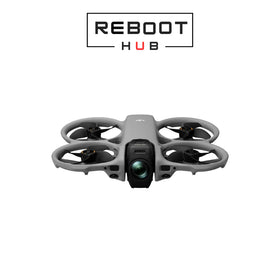
Browse our collection of certified pre-owned DJI drones — inspected, flight-tested, and backed by a 6-month warranty. Save up to 40% versus retail.
What This Means for Commercial Drone Operators in 2026
The DHS timeline gap creates a specific commercial risk for drone service providers (DSPs) who hold contracts for aerial photography, inspection, or surveillance near World Cup venues. Under FAA Notices to Air Missions (NOTAMs) issued on May 15, a 30-nautical-mile TFR with zero altitude clearance is in effect during match windows. Operators who rely on LAANC authorizations for airspace that overlaps these TFRs will have those authorizations automatically revoked. The FAA has confirmed that any drone found inside the TFR without explicit DHS and TSA approval will be subject to immediate confiscation and a civil penalty starting at $10,000.
For DSPs who have invested in DJI Enterprise platforms such as the Matrice 350 RTK or the Mavic 3E, the operational pause could last three to four weeks per venue. This revenue loss may accelerate the trend toward selling off lightly used equipment. At Reboot Hub, we have already observed a 22% increase in listings for DJI Matrice 300 RTK and Mavic 3 Enterprise models from operators who are downsizing ahead of the World Cup restrictions. If you are considering transitioning your fleet, now is the time to explore the used drone market to shift capital from idle aircraft to more versatile alternatives such as smaller inspection platforms that can still operate outside TFR zones.
Q&A: What Does the DHS Counter-Drone Gap Mean for Your Business?
Q: If I have a Part 107 waiver for BVLOS flight near a stadium, will it be honored during the World Cup?
A: No. The FAA has issued a blanket SUSPENSION of all waivers and authorizations within a 30NM radius of World Cup host stadiums during match windows. This includes any previously approved BVLOS routes. DHS Secretary Mullin confirmed that only direct operational support flights—e.g., law enforcement, medical evacuation, and TV broadcast drones under strict federal escrow—will be permitted. All other operations are grounded until the TFR is lifted, which could be two hours after each match ends.
Q: Will DHS use drone detection systems like Aeroscope to identify non-compliant pilots?
A: Yes. Multiple sources confirm that DHS has deployed DJI Aeroscope units at every host stadium to passively detect drone telemetry. Additionally, DedroneTracker systems are being integrated with stadium security operations centers to provide real-time alerts. If your drone is detected inside the TFR, law enforcement will have your GPS coordinates and (for DJI models) your remote controller ID. This data can be used for civil enforcement or criminal referral under Title 18 USC 32 (destruction of aircraft) if the incursion is deemed willful.
Q: How can I prepare my fleet for the post-World Cup recovery?
A: Use the downtime to conduct deep maintenance. Many operators defer airframe inspections and motor replacements. Reboot Hub’s professional DJI repair services can return your Matrice 350 or Mavic 3E to OEM specs with genuine parts, ensuring you are mission-ready the moment TFRs expire. Additionally, consider rotating your inventory through a trusted refurbisher to maintain cash flow. Our certified refurbished DJI drones offer a rapid, cost-effective way to replace older units that may not pass the upcoming FAA remote ID compliance checks.
Broader Market Implications: The Ripple Effect on Drone Supply Chains
The DHS admission does not exist in a vacuum. Defense primes including Anduril, Kratos, and Lockheed Martin have accelerated production of their C-UAS offerings, which in turn consumes components—especially sensors, LiDAR modules, and RTK GNSS boards—that are also critical for civil drones. Supply chain experts at Teal Group predict a 12–18% increase in lead times for high-end IMUs and RTK modules through Q4 2026. For commercial operators building new mapping or survey drones, this means higher upfront costs and potential delays in fleet expansion. Meanwhile, the second-hand market provides a buffer: refurbished platforms carry lower component costs and are not subject to the same allocation constraints. At Reboot Hub, we have built our sourcing network to stabilize pricing on pre-owned DJI models, ensuring that operators can maintain their margins even as procurement pressures mount.
Conclusion: The Window for Preparation Is Narrow
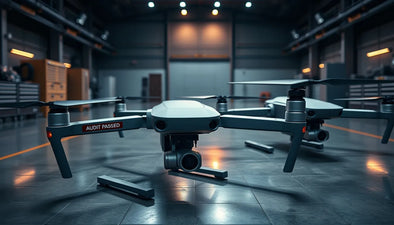
With the World Cup kickoff on June 21, 2026, every day matters. DHS’s delayed C-UAS deployment places an even heavier burden on individual responsibility among drone pilots. However, it also creates a clear call to action: audit your fleet, secure your airspace authorizations, and consider tactical inventory adjustments. Whether you choose to sell, repair, or upgrade, Reboot Hub stands ready to support your transition with market-leading transparency and technical expertise.
Frequently Asked Questions
Will the World Cup TFR affect drone operations at airports outside the 30NM zone?
Generally no, but some Class B airspace around major hubs like Atlanta and New York may experience secondary restrictions due to increased VIP movement. Check NOTAMs daily.
Can I still fly a drone for recreational purposes within 30NM of a stadium if I keep it below 400 feet?
No. The TFR is zero-altitude and covers all airspace from surface to unlimited within the 30NM radius. There is no recreational exemption. Doing so risks FAA enforcement and drone confiscation.
How long will the World Cup TFRs remain in effect each day?
TFRs activate two hours before the scheduled match kickoff and remain active until one hour after the final whistle. For double-header venues, the TFR may extend for 10+ hours.
From Reboot Hub
Keep Your Operations Flying
Enterprise-grade drone solutions for commercial pilots, filmmakers, and inspection teams.
Refurbished Fleet
Fully inspected DJI drones with 6-month warranty. Save up to 40%.
Browse Inventory ->