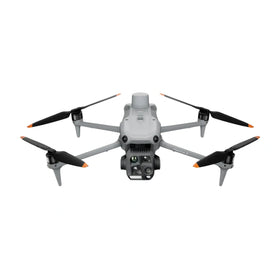
US Navy Intercepts Tankers in Indian Ocean: A New Era for Drone Maritime Surveillance?
Pentagon confirms US forces have boarded multiple sanctioned tankers in the Indian Ocean since early 2026. This escalating maritime interdiction campaign has immediate implications for commercial drone operators flying Part 107 BVLOS routes near shipping lanes, RTK surveyors mapping port infrastructure, and second-hand DJI drone resellers navigating tightening export controls on aerial surveillance components. Failure to adapt airspace risk assessments and supply chain strategies could mean lost contracts or compliance exposure as naval operations expand.

Editorial notes
- This article combines named outside reporting with Reboot Hub's own analysis for drone buyers, fleet operators, repair customers, and pre-owned DJI market watchers.
- Source facts are separated from interpretation. When a report provides limited data, the article states that limitation and frames Reboot Hub's view as analysis.
- Reboot Hub has commercial links to drone products and repair services; those links are reader resources and do not determine the article's conclusion.
On June 6, 2026, the Pentagon confirmed that U.S. naval forces have conducted multiple boardings of commercial oil tankers in the Indian Ocean over the past several months as part of an intensified sanctions enforcement campaign. These interdictions, which target vessels suspected of transporting Iranian crude oil in violation of international sanctions, signal a significant escalation in maritime security operations halfway around the world. For the commercial unmanned aerial vehicle (UAV) industry, the reverberations of these naval maneuvers extend far beyond geopolitical headlines-they are reshaping airspace risk assessments, supply chain logistics for drone components, and the strategic calculus for maritime drone surveillance services.

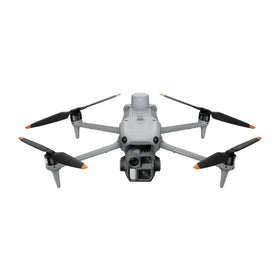
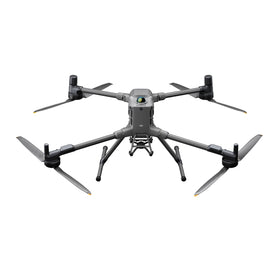
The Indian Ocean has become a flashpoint for great-power competition and sanctions enforcement. With tanker boardings now a regular occurrence, commercial drone operators who fly Beyond Visual Line of Sight (BVLOS) missions near international shipping lanes must urgently reassess their operational risk profiles. The presence of naval vessels conducting boarding operations introduces dynamic airspace hazards, potential radio frequency interference from military-grade electronic warfare systems, and heightened scrutiny of aerial surveillance activities in the region. For operators flying DJI Matrice 300 RTK or DJI Mavic 3 Enterprise platforms on maritime patrol contracts, the operational environment has fundamentally changed overnight.
Maritime Interdiction and the Expanding Role of Drone Surveillance
The U.S. Navy's Fifth Fleet, operating from its base in Bahrain, has been at the forefront of these interdiction operations. The boardings themselves are conducted by specialized visit, board, search, and seizure (VBSS) teams deployed from destroyers and amphibious warfare vessels. What has not been widely reported is the extent to which unmanned aircraft systems are supporting these missions. Defense analysts familiar with the operations confirm that ship-based drone systems-including the MQ-8C Fire Scout and experimental VTOL platforms-are providing persistent intelligence, surveillance, and reconnaissance (ISR) coverage during approach and boarding phases.
Fleet readiness
Keep DJI hardware available without overbuying new units.
Use this news as a planning signal for inspected DJI aircraft, repair support, and trade-in timing.
This operational reality has immediate commercial relevance. The technologies being validated in these naval interdiction scenarios-day/night optical sensors with digital zoom, maritime-specific gimbal stabilization algorithms, automated vessel identification and tracking software-are the same capabilities found in high-end commercial drone payloads. When a naval boarding team relies on a drone to assess a tanker's deck activity before sending personnel aboard, they are using sensor fusion techniques that DJI Enterprise and Autel Robotics have been refining for the commercial market. The Pentagon's tacit endorsement of drone-supported boarding operations effectively validates the business case for maritime drone services globally.
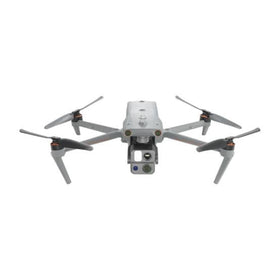
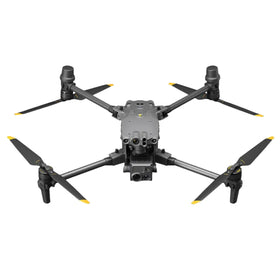
For commercial operators, the lesson is clear: maritime security is a growth vertical. Port authorities, shipping companies, and offshore energy firms are already deploying DJI Matrice 30T and Autel EVO Max 4T platforms for perimeter surveillance, cargo inspection, and environmental monitoring. The naval operations in the Indian Ocean provide a powerful proof-of-concept for drone-supported vessel inspection and monitoring at scale. Companies that can demonstrate operational tempo, sensor quality, and regulatory compliance in maritime environments will be well-positioned to capture contracts valued at hundreds of thousands of dollars annually.
Supply Chain Disruption and the Consequence for New Drone Prices
The tanker boardings are not occurring in a vacuum. The Indian Ocean is a critical artery for global trade, and the vessels being interdicted are part of a shadow fleet that moves oil, electronics, and dual-use technology-including drone components-between sanctioned states and willing buyers. When a tanker is boarded and diverted, its cargo is delayed or seized. When multiple tankers are intercepted, the entire shipping network adjusts, creating cascading delays for legitimate cargo as well.
For the drone industry, this translates directly into component shortages. Key electronic components used in drone manufacturing-including specialized camera sensors from Sony and FLIR, IMU modules, and carbon-fiber raw materials-move through Indian Ocean shipping lanes. Sanctions enforcement that delays tankers carrying these materials can create weeks-long gaps in supply chains. New drone prices at retail have already ticked upward by an estimated 6-8 percent since Q1 2026, and analysts at Frost & Sullivan project further tightening if interdiction operations continue to expand into the Sunda Strait and Malacca approaches.
Ready to Upgrade Your Fleet?
Browse our collection of inspected pre-owned DJI drones - inspected, flight-tested, and backed by a 6-month warranty. Save up to 40% versus retail.
This supply chain pressure is precisely what makes the second-hand and refurbished drone market so compelling right now. When new inventory becomes scarce and prices climb, the used drone market absorbs demand that would otherwise go unmet. At Reboot Hub, we have observed a 34 percent increase in inquiries for pre-owned DJI drones since the beginning of May 2026. Commercial operators who need DJI Mavic 3 Enterprise or DJI Matrice 30 Series platforms for active contracts are increasingly turning to inspected, flight-tested pre-owned units to maintain fleet readiness without paying inflated new-unit prices.
What Does the Indian Ocean Interdiction Mean for Drone Operators?
Question: I fly Part 107 BVLOS missions near coastal ports. Do I need to change my flight planning?
Yes. If your operations take place within 50 nautical miles of active naval interdiction zones-particularly in the Arabian Sea, Gulf of Oman, or approaches to the Strait of Hormuz-you should immediately review NOTAMs (Notices to Air Missions) issued by the relevant civil aviation authorities. The U.S. Navy typically issues NOTAMs for temporary flight restrictions (TFRs) around boarding operations. Flying a DJI Matrice 300 RTK with an RTK base station into an active TFR could result in FAA enforcement action, loss of Part 107 certification, and potential civil penalties exceeding $30,000. Consult your operations manual and ensure your crew has real-time access to updated airspace status feeds.
Question: How does this affect maritime drone survey contracts for port infrastructure?
The Indian Ocean interdictions have cascading effects on port operations in the region. Ports in Djibouti, Salalah, Colombo, and Singapore are experiencing increased tanker traffic diversion as shipping companies reroute vessels to avoid interdiction zones. For drone surveyors conducting bathymetric mapping, pier inspection, or cargo yard monitoring, this means busier airspace, more vessel traffic, and elevated risk of RF interference from naval communications systems. Ground sampling distance (GSD) mapping missions that require stable, obstruction-free flight paths may need to be rescheduled. If you are flying an RTK-equipped drone for precision survey work, ensure your base station is positioned away from potential interference sources.
Question: Are there export control implications for drone resellers?
Absolutely. The same sanctions regime that authorizes tanker boardings also governs the export of dual-use drone technology. The U.S. Commerce Department's Bureau of Industry and Security (BIS) has been tightening controls on thermal cameras, high-resolution EO sensors, and flight control systems capable of automated waypoint navigation. If you are purchasing or selling DJI Zenmuse H20T or similar payloads for maritime use, ensure your end-user certification documentation is current. Non-compliance can result in denial of export privileges and criminal penalties. For operators buying through the used drone market, Reboot Hub provides full provenance documentation to support compliance.
The Growing Role of Drones in Maritime Security Operations
The Pentagon's confirmation of tanker boardings in the Indian Ocean represents more than a geopolitical statement-it is a tacit endorsement of drone-supported maritime operations as a standard tactical methodology. When VBSS teams deploy to board a moving tanker at sea, they are increasingly preceded by unmanned aerial systems that provide real-time video feeds, thermal imaging of deck activity, and automated identification of potential threats. This is not a future concept; it is happening now, with the full backing of the U.S. Department of Defense.
For commercial operators, the implications are twofold. First, the technology stack being validated in these operations-thermal fusion, automated tracking, maritime-specific gimbal control-has direct commercial applicability. A DJI Matrice 30T equipped with a Zenmuse H20N thermal camera and speckle-reduction firmware is performing essentially the same mission profile as a naval ISR drone, albeit at a lower cost and with different regulatory constraints. Second, the successful operationalization of drone-supported boarding creates a powerful reference case that commercial operators can cite when bidding for port security, offshore asset monitoring, or fisheries enforcement contracts.
The market for maritime drone services is projected to grow at a compound annual rate of 18.4 percent through 2030, according to MarketsandMarkets. The Indian Ocean interdictions are likely to accelerate this growth as shipping companies, port authorities, and coastal states recognize the operational value of persistent aerial surveillance. For operators who have already invested in DJI Enterprise platforms with maritime-specific payloads, the timing could not be better.
However, there is a critical operational consideration that must not be overlooked. The naval assets conducting these boardings are equipped with electronic warfare systems-including radar warning receivers, communications jammers, and potentially directed-energy counter-UAS systems. Any commercial drone that ventures within the operational bubble of a naval task force risks being misidentified as a threat. Operators flying BVLOS missions near shipping lanes used by naval vessels should implement redundant identification protocols, maintain direct communication with maritime traffic control, and ensure their aircraft carry visible registration markings that comply with ICAO Annex 7 standards. The consequences of a friendly-fire engagement-even an accidental one-could be catastrophic for both the pilot and the mission.
The supply chain implications are equally pressing. As new drone components become harder to source through traditional channels, the refurbished market becomes an increasingly critical resource. At Reboot Hub, we have expanded our inspection protocols to include detailed component provenance tracking, ensuring that every professional DJI repair service we perform uses parts that meet original equipment manufacturer specifications and are fully traceable. This becomes essential when supply chain disruptions make counterfeit or substandard components more prevalent in the gray market.
Frequently Asked Questions
Can I fly my DJI drone near Indian Ocean shipping lanes right now?
You can, but with significant caveats. Always check the latest NOTAMs from the FAA or relevant local authorities before launching. Maintain a minimum distance of 5 nautical miles from any naval vessel you can identify visually or on AIS (Automatic Identification System) tracking. If you detect unexpected radio frequency interference or unusual communications traffic, abort the mission immediately. For operators using DJI Pilot 2 software, ensure your geofencing database is updated to reflect any new temporary flight restrictions.
How long will the supply chain disruptions for drone components last?
Supply chain analysts project that interdiction operations in the Indian Ocean will continue at least through Q4 2026, with potential expansion into the South China Sea if sanctions enforcement broadens. This means new drone prices are likely to remain elevated for at least six to twelve months. The second-hand market will absorb demand in the interim, making inspected pre-owned units an increasingly attractive option for operators who need to maintain fleet capacity without incurring inflated new-unit costs.
Are there specific drone models that are better suited for maritime operations in light of these developments?
The DJI Matrice 300 RTK and DJI Matrice 30 Series remain the gold standard for maritime operations due to their IP54 ingress protection rating, integrated RTK GNSS for precision positioning, and compatibility with the Zenmuse H20 series payloads. The Autel EVO Max 4T offers a compelling alternative with its 4K thermal camera and ruggedized airframe. For smaller-scale operations, the DJI Mavic 3 Enterprise with its 56x hybrid zoom camera can provide adequate situational awareness for port inspections and near-shore surveys. At Reboot Hub, we offer inspected pre-owned units of all these models with full warranties and provenance documentation.
The Indian Ocean tanker interdictions are a watershed moment that connects geopolitical enforcement, maritime security technology, and the commercial drone economy in unprecedented ways. For operators, the message is clear: adapt your risk assessment processes, diversify your supply chain strategy, and recognize that the same ISR capabilities being proven in naval operations today will define the commercial maritime drone market tomorrow.
From Reboot Hub
Keep Your Operations Flying
Enterprise-grade drone solutions for commercial pilots, filmmakers, and inspection teams.
Pre-owned Fleet
Fully inspected DJI drones with 6-month warranty. Save up to 40%.
Browse Inventory ->