$100M Navy Target Drone Contract: What Northrop Grumman's Win Means for the UAV Industry
Northrop Grumman just locked in a $100M Navy contract for the GQM-163A supersonic target. While this sounds like pure defense, it signals massive shifts for the entire UAV ecosystem—from sensor miniaturization to BVLOS reliability standards. For commercial operators flying RTK missions or scouring the used drone market for high-end payloads, this validates that drone spending isn't slowing down. Are you positioned for the next decade of flight?

Editorial notes
- This article combines named outside reporting with Reboot Hub's own analysis for drone buyers, fleet operators, repair customers, and pre-owned DJI market watchers.
- Source facts are separated from interpretation. When a report provides limited data, the article states that limitation and frames Reboot Hub's view as analysis.
- Reboot Hub has commercial links to drone products and repair services; those links are reader resources and do not determine the article's conclusion.
On June 6, 2026, Northrop Grumman Corporation (NOC) solidified its dominance in the aerospace and defense sector, securing a significant contract modification from the U.S. Navy. The deal, valued at approximately $100 million, covers continued production and operational support for the GQM-163A Coyote supersonic target drone through May 2031. For the uninitiated, this might sound like a niche military procurement. For the astute UAV analyst, however, this is a seismic indicator of where the entire drone industry-from defense primes to the bustling used drone market-is heading in the latter half of the 2020s.

The Coyote is not a hobbyist's quadcopter. It is a high-performance, rocket-boosted, ramjet-powered aerial target designed to replicate the flight profile of advanced anti-ship cruise missiles. It pushes the boundaries of aerodynamics, thermal protection, and autonomous flight control. The Navy's continued investment in this capability sends a clear message: the future of warfare-and by extension, aviation-is unmanned. This analysis will unpack the implications of this contract for government planners, commercial operators navigating FAA Part 107 and beyond, and the savvy aviators looking to capitalize on a maturing market.
The GQM-163A Coyote: A Supersonic Benchmark for Modern Warfare
The GQM-163A Coyote is the U.S. Navy's premier supersonic sea-skimming target. Designed to simulate the flight characteristics of advanced anti-ship cruise missiles like the Russian SS-N-22 Sunburn or the Chinese YJ-12, the Coyote presents a realistic and demanding threat for fleet training and Aegis Combat System certification. Capable of speeds exceeding Mach 3, the Coyote operates at extremely low altitudes over the water, testing the limits of defensive systems. This $100 million modification ensures that production lines stay hot and launch crews remain equipped to support critical Fleet Training Group exercises and live-fire events at the Naval Air Warfare Center.
Fleet readiness
Keep DJI hardware available without overbuying new units.
Use this news as a planning signal for inspected DJI aircraft, repair support, and trade-in timing.
The contract, awarded by the Naval Air Systems Command (NAVAIR), sustains a program that has been vital since the Coyote's first flight in the early 2000s. By extending support through 2031, the Navy is signaling a long-term commitment to high-performance unmanned systems. This is not just about target practice; it is about maintaining the technological edge in a rapidly evolving threat environment. The continued production of a Mach 3+ target drone inherently fosters innovation in propulsion, thermal protection, and autonomous flight controls-technologies with direct carryover potential to the commercial sector.
For the thousands of commercial drone operators navigating Part 107 waivers and BVLOS corridors at the end of 2026, a $100 million Navy contract for target drones might seem worlds away. But the technological spillover from programs like the GQM-163A is the lifeblood of the commercial drone industry. The high-G maneuvers and advanced composite materials tested here eventually trickle down to lighter, more durable airframes in the commercial sector. This sustained, multi-year investment signals to the entire industry-including the used drone market-that UAV technology is not a passing trend but a permanent pillar of aerospace and defense. For the operator looking at a refurbishment-labeled DJI drone, this means confidence that their skills and equipment are aligned with a robust, growing global industry.
The Ripple Effect: How Supersonic Targets Validate the Commercial UAV Industry
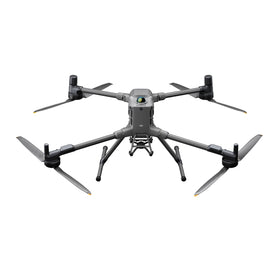
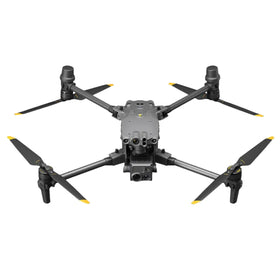
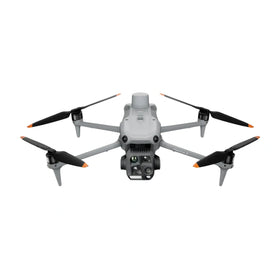
At first glance, the commercial drone operator running a DJI Matrice 350 RTK for surveying, or flying a Mavic 3E for precision agriculture, has little in common with a rocket-boosted Mach 3 target drone. However, the core engineering disciplines-aerodynamics, propulsion, sensors, and autonomous flight-are directly related. The modern drone market, from high-end military systems to the bustling second-hand commercial market, shares a common technological DNA. The Navy's massive investment in the GQM-163A validates the entire unmanned aerial systems ecosystem. It confirms that governments and defense agencies see unmanned systems as a critical, non-negotiable component of national security. This top-down validation strengthens the commercial industry's foundations, making it a safer bet for investment and careers.
Furthermore, the reliability requirements for a target drone like the Coyote are extreme. It must perform predictably and reliably in contested environments. These stringent reliability standards trickle down into supply chains. When defense contractors drive innovation in compact, high-performance turbomachinery and heat-resistant composites, the unit cost eventually drops. These exact materials and manufacturing techniques decouple from defense-specific applications and land in the broader market. When the industry is stable enough to support a $100 million, multi-year contract, it creates a stable ecosystem for everyone-including the businesses that buy, sell, and repair drones at all price points. This stability is why Reboot Hub is confident in offering robust warranties on its inventory of pre-owned DJI drones.
Ready to Upgrade Your Fleet?
Browse our collection of inspected pre-owned DJI drones - inspected, flight-tested, and backed by a 6-month warranty. Save up to 40% versus retail.
Strategic Guidance for Pilots: Navigating the Drone Economy of 2026 and Beyond
How does a Navy target drone contract impact your commercial drone operation specifically? It reinforces a critical message for the UAV industry: the skies are opening, and the pace of change is accelerating. The core philosophies driving the GQM-163A-redundancy, autonomous operation, and high-performance flight-are becoming standard expectations for commercial platforms. As the FAA pushes forward with BVLOS rulemaking and Advanced Air Mobility (AAM) frameworks, the entire industry is shifting toward the defense-grade reliability levels that programs like the Coyote exemplify.
For Part 107 pilots looking to expand their services into long-distance linear infrastructure inspections, or for agricultural cooperatives managing large-scale crop surveys with RTK drones, the need for dependable, high-performance equipment is paramount. New models flood the market with cutting-edge features, but they come with premium price tags. This is where the intelligence of the used drone market comes into play. Instead of paying retail for a pre-owned platform, savvy operators are turning to inspected pre-owned systems that offer near-new performance at a fraction of the cost. This allows them to reinvest the savings into sensors, training, and expanding their operational capabilities.
Investment and Market Outlook: The Financial Logic Behind the $100M Contract
From an investment perspective, the Northrop Grumman contract is a strong signal. When the U.S. Navy commits $100 million to a single target drone program through 2031, it indicates a sustained operational requirement for unmanned systems. This long-term contract provides NOC with predictable revenue streams, allowing them to invest more aggressively in R&D. This financial stability radiates outward, supporting suppliers and subcontractors that also serve the commercial drone market. For investors and business owners in the drone space, looking at defense spending provides a clear temperature check on the industry's overall health. A robust defense pipeline means the talent pool deepens, manufacturing processes improve, and the cost of high-end technology declines-benefiting the high-volume, lower-margin commercial and second-hand markets.
Furthermore, the focus on supersonic targets highlights the growing importance of counter-UAS (C-UAS) technology. As target drones become more advanced, so too must the systems designed to detect and defeat them. This drives innovation in radar, RF sensing, and electronic warfare-technologies that are increasingly being adapted for airspace security and integration into commercial drone fleets for safe BVLOS flight. The $100 million contract is not an isolated event; it is a piece of a much larger puzzle involving airspace integration, safety, and advanced autonomy. As the industry matures, access to reliable, affordable hardware becomes a key competitive advantage. Whether you are maintaining a fleet of Matrices or just starting your Part 107 journey, our professional DJI repair services can keep you in the air. Exploring the pre-owned DJI drones available today is a strategic move for any operator looking to maximize capability while managing costs in this dynamic market.
What is the GQM-163A Coyote?
The GQM-163A Coyote is a supersonic aerial target used by the U.S. Navy to simulate threats from advanced anti-ship cruise missiles. It is rocket-boosted to supersonic speeds (Mach 3+) and flies low over the ocean to test fleet air defense systems. This contract ensures its production and operational support continues through May 2031.
How does a U.S. Navy target drone contract affect the commercial drone industry?
While seemingly disconnected, deep defense investment in unmanned systems validates the entire UAV technology stack. The contract signals long-term demand for autonomous flight, advanced composites, and reliable propulsion. This drives down costs for commercial-grade components and fosters a stable ecosystem where businesses like Reboot Hub can confidently invest in high-quality inventory and services for the used drone market.
Where can I buy a high-quality, affordable used drone in 2026?
The second-hand market for drones is mature and offers exceptional value. For assured quality, look for vendors who offer inspected pre-owned units with full inspection logs and warranties. Reboot Hub specializes in this space, offering a range of pre-owned DJI drones and providing professional DJI repair services to keep your operations running smoothly.
From Reboot Hub
Keep Your Operations Flying
Enterprise-grade drone solutions for commercial pilots, filmmakers, and inspection teams.
Pre-owned Fleet
Fully inspected DJI drones with 6-month warranty. Save up to 40%.
Browse Inventory ->