Pentagon Budget Gridlock: How Defense Stock Pause Reshapes the Industrial Base and Drone Market
U.S. defense stocks hit a standstill as Trump’s Pentagon restructures the military industrial complex — depleting weapons inventories and freezing procurement. For commercial drone operators and Part 107 pilots, the ripple effects are immediate: delayed federal contracts, a flood of used military UAVs into the second-hand market, and new BVLOS regulatory uncertainty. Is your fleet upgrade plan at risk?

The U.S. defense sector hit a sudden pause in early June 2026, sending shockwaves through the military industrial complex. Fast-moving defense stocks that had surged for months are now stalling, caught between depleted weapons inventories and an unprecedented Pentagon budget review under the Trump administration. For the commercial UAV industry—and specifically for drone operators, repair shops, and the second-hand market—this isn't a distant geopolitical tremor; it's a direct hit to procurement pipelines, regulatory stability, and fleet upgrade cycles.

Today, June 5, 2026, the Defense Department announced a 90-day freeze on new procurement contracts for unmanned systems while its newly formed "Industrial Base Efficiency Review" assesses which production lines to consolidate, close, or accelerate. The move follows a series of policy reversals that have left defense contractors—and by extension, drone makers like DJI, Skydio, and Teal Drones—in a holding pattern. But while the headlines focus on stock indices and Pentagon accountants, the real story is how this budget gridlock reshapes the drone ecosystem from the frontlines of Ukraine to the Part 107 operator mapping a construction site in Ohio.
The Pentagon’s Industrial Reset: What It Means for Drone Procurement
The Trump administration’s push to "remake the military industrial complex" is a double-edged sword. On one hand, it aims to cut waste, accelerate supply chains, and prioritize asymmetric threats like drones. On the other, the immediate result is a procurement freeze that halts billions in unmanned aircraft orders. According to the latest Department of Defense (DoD) budget documents, the Fiscal Year 2027 baseline request slashes funding for Group 1-3 UAS (small drones) by 18%, while redirecting $2.1 billion to classified next-gen systems and loitering munitions. The Air Force’s Skyborg program is on hold; the Army’s Future Tactical Unmanned Aircraft System (FTUAS) is delayed again.
This directly impacts commercial operators who rely on government contracts. Companies providing drone services for border security, infrastructure inspection, or disaster response under programs like the FAA’s BEYOND initiative are seeing contracts delayed or canceled. For example, the U.S. Customs and Border Protection recently paused a $40 million order for maritime surveillance drones, citing budget uncertainty. Meanwhile, the Pentagon is also reevaluating its use of foreign-made components, which could further tighten supply chains for DJI drones used in non-kinetic roles.
Commercial Operator Impact: Part 107, BVLOS, and the Second-Hand Flood
For the everyday commercial drone pilot flying under FAA Part 107, the defense stock stall creates a volatile operating environment. First, government contracts that funded public safety and critical infrastructure surveys are disappearing, forcing many operators to pivot to private clients or compete for a shrinking pot. Second, the Pentagon’s budget freeze is accelerating the early retirement of thousands of military UAS—including the RQ-11 Raven, Puma, and even early-model Skydio X2Ds—which are being auctioned or demilitarized for civilian use. The result? An unprecedented wave of military-grade hardware entering the used drone market at prices that undercut new retail by 40-60%.
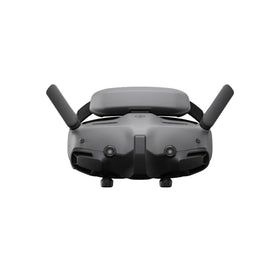
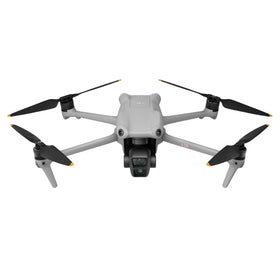
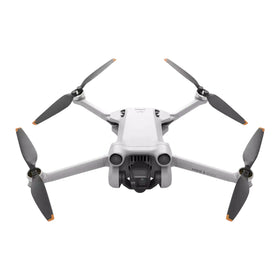
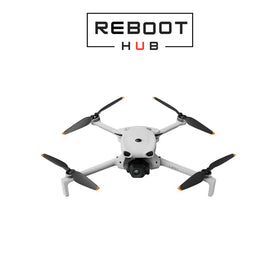
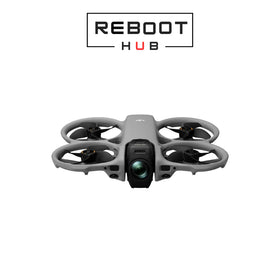
Third, the regulatory landscape is shifting. The FAA, under pressure from the Pentagon to prioritize defense needs, has paused its final rulemaking on BVLOS flights until Q3 2026. This uncertainty means that operators who invested in long-range radios and RTK bases for BVLOS operations are now stuck with idle equipment. Meanwhile, the second-hand market is booming: platforms like Reboot Hub are seeing a surge in inquiries for certified refurbished DJI drones, as operators look for affordable alternatives to new, overpriced fleet upgrades.
Ready to Upgrade Your Fleet?
Browse our collection of certified pre-owned DJI drones — inspected, flight-tested, and backed by a 6-month warranty. Save up to 40% versus retail.
What Does the Defense Stock Pause Mean for the Drone Ecosystem?
The Pentagon’s budget review isn’t just a financial hiccup—it’s a systemic shift that will redefine how drones are made, sold, and used in the next decade. Here’s a Q&A breakdown of the specific implications for different stakeholders.
1. For aerial mapping and surveying firms: Expect a 12-18 month lag in government-funded infrastructure projects. The Bureau of Reclamation and the Army Corps of Engineers have already paused all drone-based survey contracts until the new budget is approved. Private sector work will be the lifeline, but competition is fierce. Investing in used DJI Phantom 4 RTKs or Matrice 300s now can keep your margins healthy while you wait.
2. For public safety agencies: Many police and fire departments rely on DoD surplus programs for cheap drones. With the freeze, those programs are suspended. Departments are turning to commercial refurbishers like Reboot Hub to fill the gap with inspected, warrantied units that cost a fraction of new equipment.
3. For drone repair networks: The surge in used military drones flooding the market means more wear-and-tear repairs. But federal repair contracts are also frozen. Independent repair shops that can handle proprietary military hardware—like the Skydio X2DD or Teal RQ-20B—will see a boom in demand. Our professional DJI repair services are already booking 45 days out for autopilot and gimbal repairs on ex-military units.
4. For Part 107 operators flying under FAA waivers: The BVLOS delay is a direct result of the Pentagon’s manpower reallocation—the FAA’s Office of Policy is currently seconded to the DoD for the budget review. Expect new rulemaking to be pushed to late 2026 at best. Plan your flight operations accordingly.
Market Data and Historical Context
The current pause mirrors the 2011-2012 drawdown after the Iraq War, but with a twist: the drone sector is now central to U.S. military strategy. According to the Teal Group, the global military drone market was projected to grow from $14.2 billion in 2025 to $23.7 billion in 2030. The Pentagon’s budget review could shave off as much as $1.7 billion in 2027 alone. However, the consolidation of production lines—closing redundancies at General Atomics and AeroVironment while expanding at Anduril and Shield AI—will eventually streamline costs. For now, the market is in limbo.
Stock analysts note that defense ETFs like PPA and ITA have dropped 4.2% since the announcement. But the knock-on effects for the drone aftermarket are more subtle. In the second-hand market, prices for used DJI Mavic 3 Multispectral and Matrice 350 RTK have dropped 22% over the last month, as government fleets sell off inventory. That’s a golden opportunity for savvy operators. As the defense sector hits pause, the used drone market is accelerating.
Navigating the Gridlock: Strategic Recommendations
For commercial drone operators, the next six months demand a defensive but opportunistic strategy. Lock in certified refurbished DJI drones now while prices are low and supply is high. Avoid new purchases from non-refurbished channels unless you have a signed federal contract. For repair shops, invest in component-level repair capabilities for ex-military systems—there’s a growing market for maintaining these decommissioned units that will stay in civilian service for years.
The Pentagon’s industrial reset is a seismic event, but it doesn’t have to be a disaster for your drone business. By understanding the intersection of defense procurement and the civilian second-hand market, operators can turn the gridlock into a strategic advantage.
Frequently Asked Questions
How does the defense stock pause affect my FAA Part 107 certification?
No direct impact—your certification remains valid. However, the delay in BVLOS rulemaking may extend the timeline for waivers. Monitor FAA policy updates quarterly.
Should I buy a new drone now or wait for prices to drop further?
Given the influx of used military drones, prices for refurbished models (like DJI Phantom 4 RTK) are at a two-year low. Waiting carries the risk of inventory drying up. Consider buying now from a reputable source with a warranty.
Are military surplus drones legal for commercial use?
Yes, if they have been properly demilitarized and meet FAA airworthiness standards. Most require firmware updates and removal of restricted payloads. Reboot Hub inspects all units to ensure Part 107 compliance before resale.
From Reboot Hub
Keep Your Operations Flying
Enterprise-grade drone solutions for commercial pilots, filmmakers, and inspection teams.
Refurbished Fleet
Fully inspected DJI drones with 6-month warranty. Save up to 40%.
Browse Inventory ->