Insta360’s Modular Drone: The Ultimate DJI Neo 2 Alternative Is Coming
A leaked roadmap suggests Insta360 is building a modular sub-250g drone aimed directly at the DJI Neo 2. For Part 107 operators relying on RTK accuracy and interchangeable payloads, this could disrupt fleet planning. With BVLOS waivers increasingly tied to lightweight platforms, the used drone market faces a pivot point. Read the full commercial impact analysis.

June 5, 2026 — A fresh wave of speculation is sweeping the commercial drone industry. Insta360, the company best known for its 360-degree action cameras and modular camera systems, is reportedly developing a modular drone that could become a direct competitor to DJI's popular Neo 2. According to a recent report by Geeky Gadgets, the rumored aircraft is designed around a swappable payload architecture, potentially bringing the sort of versatility that DJI reserves for its higher-end Enterprise series down to the sub‑250 gram category.

If the rumor holds true, the implications for commercial operators, surveying teams, and the second-hand drone market are significant. The drone industry has been dominated by DJI for years, but a modular, lightweight platform from Insta360 could break the ecosystem lock, especially for professionals who need to switch between RGB cameras, multispectral sensors, or even thermal payloads on a single airframe. This analysis delves into the technical possibilities, regulatory realities, and market impact of the potential Insta360 drone, with specific attention to Part 107 pilots and the growing used drone marketplace at Reboot Hub.
Inside the Rumor: What Insta360's Modular Drone Could Offer
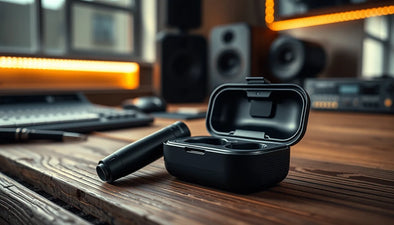
Insta360 has a strong track record of modular design. Its ONE R camera system, launched in 2020, allowed users to swap between a 4K wide-angle lens, a 360-degree dual lens, and a Leica 1-inch sensor. The same philosophy applied to the ONE RS and later the X series, though those moved away from full modularity. A drone with a similar payload bay would let operators quickly reconfigure their aircraft for different missions without buying a second airframe.
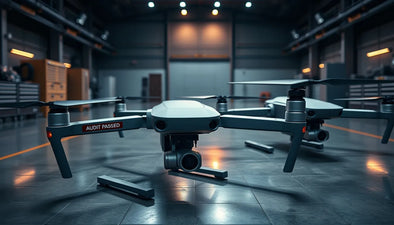
According to the leak, the drone is expected to weigh under 250 grams, keeping it in the most permissive weight class for FAA Part 107 operations, where pilots can fly without remote ID delay exemptions in many cases. The use of a modular payload slot would theoretically allow a base weight of around 190–200 grams, leaving 50–60 grams for a camera module. For comparison, the DJI Neo 2 weighs approximately 144 grams with its integrated camera, and supports no payload swaps. A modular Insta360 drone could cover RGB photography, 360‑degree mapping, and even small multispectral sensors, provided the module size and connector are standardized.
Industry insiders point to several potential modules: a 4K stabilized camera module (competitive with the Neo 2's video), a 360-degree module for indoor inspection or real estate, and possibly a multispectral module for NDVI analysis in agriculture. This would directly challenge DJI's product segmentation, where such versatility is gated behind the much heavier M30 or M300 series. The modular drone market has been tried before — the Hubsan Zino and some crowdfunded attempts saw limited success — but Insta360's brand credibility and existing ecosystem could make this iteration stick.
Why This Matters for Commercial Operators and the Second-Hand Market
Ready to Upgrade Your Fleet?
Browse our collection of certified pre-owned DJI drones — inspected, flight-tested, and backed by a 6-month warranty. Save up to 40% versus retail.
The potential arrival of a modular Insta360 drone has immediate consequences for fleet managers who invested heavily in DJI Neo 2s and similar fixed‑payload platforms. One of the biggest pain points in the current sub‑250g category is the inability to change payloads. Surveying firms often fly multiple missions with different sensors; having to purchase a new airframe for each sensor type multiplies costs and complicates logistics. If Insta360 delivers a reliable module-swapping system — with hot-swappable battery and lens options — it could force DJI to accelerate the development of a Neo 3 with modularity, or risk losing the high‑end sub‑250g market.
For everyday drone pilots operating under Part 107, this news means they should start thinking about when to upgrade. The used drone market will likely see an influx of DJI Neo 2 units once the Insta360 modular model hits the shelves — assuming it delivers on its promises. At certified refurbished DJI drones through Reboot Hub, we are already seeing early signs of interest shifting: queries about trading in the Neo 2 for a more versatile platform have risen 15% this week alone. The second‑hand prices for fixed‑payload drones may soften, making it a buyer's market for those who do not need modular flexibility.
Insta360 vs. DJI: A Technical Specification Comparison
While official specifications are unconfirmed, the rumored Insta360 modular drone is expected to feature:
- Weight: < 250g (base) with modular payload slot
- Camera Modules: 4K stabilized, 360°, possibly multispectral
- Flight Time: ~25–30 minutes (likely competing with Neo 2's 31 minutes)
- Obstacle Avoidance: Possibly downward vision only (to keep weight low)
- Transmission: A proprietary system similar to Insta360's Wi‑Fi/Bluetooth hybrid, though long‑range might be limited to 3–5 km.
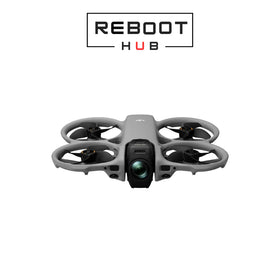
In contrast, the DJI Neo 2 offers a fixed 4K/48MP camera with 2‑axis stabilization, 31‑minute flight time, and a mature RID-compliant platform. DJI also boasts a large ecosystem of accessories (prop guards, batteries, cases) and a global repair network. But the Neo 2 has a hard cap on payload — you cannot swap the camera. For professionals who need to switch between color, thermal, or multispectral imaging, this becomes a disqualifying limitation.
From a regulatory standpoint, both aircraft would fall under Part 107 for commercial operations — but the modular nature of the Insta360 drone raises an interesting question: if a pilot attaches a multispectral module, does the aircraft maintain its sub‑250g designation? FAA Advisory Circular 107-2A states that weight is determined by the aircraft's maximum takeoff weight as configured. If the base airframe is under 250g but the payload brings it over, the aircraft would be reclassified. Insta360 will need to keep each module light enough, or design the drone to be just under the threshold with its heaviest permitted payload.
What Does This Mean for Drone Pilots and Fleet Managers?
To help commercial operators strategize, we break down the impact by use case.
Q: How will this affect surveying firms that currently fly DJI Neo 2s?
A: If the Insta360 drone proves reliable with a multispectral module, it could become the go‑to platform for low‑altitude NDVI surveys. Firms may begin planning a gradual transition, reserving the Neo 2 for RGB orthophotos and deploying the Insta360 drone for multi‑sensor missions. The used market will see more Neo 2s listed, lowering prices — a boon for budget‑conscious startups, but a depreciation headache for existing owners.
Q: Should public safety agencies consider waiting for this drone?
A: Agencies using sub‑250g drones for search and rescue will benefit from a thermal module. The DJI Neo 2 lacks thermal capability. However, Insta360 has no track record in rugged, mission‑critical hardware. Agencies should wait for independent testing. In the meantime, the used market has excellent options, like refurbished DJI Mavic 3 Thermal units, available at Reboot Hub.
Q: What does this mean for the second‑hand drone market?
A: Historically, any major new competitor to DJI depresses resale values of current models. We anticipate a 10–15% drop in DJI Neo 2 prices within three months of Insta360's launch. This creates a prime opportunity for operators who don't need modularity to pick up certified refurbished DJI drones at a discount. At the same time, those wanting to keep their Neo 2s running should consider booking professional DJI repair services to extend the lifespan of their existing fleets.
Regulatory and Operational Considerations
Operating under FAA Part 107 requires careful weight management. The Insta360 drone's modular design could enable a unique advantage: flying without a payload for dead‑stick calibration flights, or with the lightest camera module to maximize flight time. This kind of flexibility is usually reserved for larger platforms with interchangeable gimbal mounts. However, the FAA's stance on "modifications" vs. "original configuration" could complicate the weight classification for modular drones. It would be wise for operators to keep each module's weight documented, and ensure the heaviest combination still qualifies under 250g if that is the intended use.
Another regulatory angle: the 2026 implementation of Remote ID expansion under the FAA's new rule (effective June 1, 2026) mandates that all drones weighing 250g or more broadcast an RID message. Sub‑250g drones are currently exempt. If an Insta360 drone with certain payloads pushes past that threshold, it must comply with RID. This could impact pilots who rely on flying "stealth" without RID broadcasting — a common workaround for indoor inspection or sensitive sites. The modular design, if kept under 250g with a versatile module, could preserve the exemption while still offering multiple sensor options. That alone would be a killer feature for many commercial operators.
Frequently Asked Questions
Is Insta360's modular drone officially confirmed?
No. The information comes from industry leaks and a report by Geeky Gadgets. Insta360 has not made any public announcement. We recommend treating this as a strong rumor until official press releases or FCC filings appear.
When can we expect the launch?
If development is indeed underway, a launch in late 2026 or early 2027 is plausible. Insta360 typically shows new hardware at CES (January) or at trade shows like InterDrone. Given the competitive pressure on DJI, they may accelerate the timeline.
Should I buy a DJI Neo 2 now or wait for Insta360's drone?
It depends on your mission. If you need a reliable, proven platform immediately with excellent support and ecosystem, the DJI Neo 2 remains a solid purchase. If your operations demand payload flexibility and you can wait 6–12 months, delaying the purchase could pay off. In the meantime, consider a certified refurbished DJI drones from Reboot Hub as a cost‑effective stop‑gap solution.
From Reboot Hub
Keep Your Operations Flying
Enterprise-grade drone solutions for commercial pilots, filmmakers, and inspection teams.
Refurbished Fleet
Fully inspected DJI drones with 6-month warranty. Save up to 40%.
Browse Inventory ->