Overnight Strikes Shatter U.S.-Iran Ceasefire: What It Means for Drone Operators and the Second-Hand Market
The overnight attacks between the U.S. and Iran have escalated beyond any post-April 8 ceasefire levels, triggering immediate FAA NOTAMs over the Persian Gulf that halt Part 107 BVLOS waivers and force commercial drone operators to reroute survey missions. With the Pentagon signaling a $2.3B surge in tactical UAV procurement, the second-hand drone market faces supply crunch and price volatility. Reboot Hub analyzes the operational disruptions, RTK/GSD mapping delays, and why refurbishment-labeled DJI drones are now a strategic hedge for commercial fleets.

編輯註釋
- 本文結合了指定的外部報導與 Reboot Hub 自身的分析,旨在為無人機買家、機隊營運商、維修客戶及二手 DJI 市場觀察者提供參考。
- 來源事實與解讀分開處理。當報導提供的資料有限時,文章會註明該限制,並將 Reboot Hub 的觀點定義為分析。
- Reboot Hub 設有無人機產品與維修服務的商業連結;這些連結為讀者資源,不會決定文章的結論。
The fragile ceasefire between the United States and Iran, established on April 8, 2026, has been violently disrupted by overnight attacks that military analysts are calling the most severe escalation in the region in over three years. For the multi-billion-dollar commercial drone industry-especially operators flying under FAA Part 107 waivers in the Persian Gulf and broader Middle East-this is not just a geopolitical headline. It is an operational and financial shockwave that will affect BVLOS logistics, aerial surveying, and the second-hand drone market for months to come.

As of June 10, 2026, the FAA has issued emergency NOTAMs restricting all non-military drone operations above 400 feet within 50 nautical miles of multiple U.S. and allied installations. The U.S. Department of Defense has simultaneously announced a $2.3 billion emergency procurement package for tactical unmanned systems, creating immediate supply chain ripple effects that are driving up prices for both new and used UAVs worldwide. Reboot Hub, the leading marketplace for inspected pre-owned drones, provides a detailed analysis of what this new crisis means for drone pilots, commercial operators, and the broader market for second-hand equipment.
Airspace Lockdown and Part 107 Waiver Suspensions
In the immediate aftermath of the overnight strikes, the Federal Aviation Administration issued an updated NOTAM (FDC 6/9973) restricting U.S.-registered drone operations in the Persian Gulf, including the airspace over Bahrain, Kuwait, and the UAE. All previously approved Part 107 waivers for Beyond Visual Line of Sight (BVLOS) flights above 400 feet AGL have been suspended until further notice. Drone operators conducting oil and gas pipeline inspections, precision agriculture mapping, and port security missions are now forced to halt or significantly downgrade their operations.
Fleet readiness
Keep DJI hardware available without overbuying new units.
Use this news as a planning signal for inspected DJI aircraft, repair support, and trade-in timing.
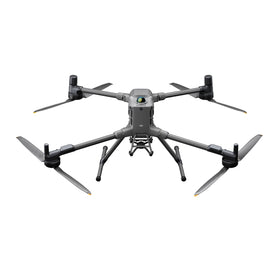
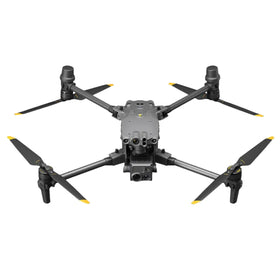
Commercial operators using real-time RTK corrections and high-accuracy GSD (Ground Sample Distance) mapping cells are particularly affected. "We had a multi-week aerial survey contract for a new solar farm in the UAE that required BVLOS flights at 120 meters," said a senior UAS manager at a Dubai-based surveying firm who requested anonymity. "Now we can't even launch within 30 miles of the coast. Our DJI Matrice 350 RTKs are grounded indefinitely." This ripple effect is already impacting project timelines and cost overruns across the region.
For drone pilots holding Part 107 certificates, the FAA's emergency action serves as a stark reminder that even commercial airspace can be locked down overnight due to geopolitical conflict. The agency's guidelines under Part 107.43-which require operators to adhere to all applicable airspace restrictions during an emergency-are now being enforced with zero tolerance. Violations could result in fines exceeding $30,000 and immediate revocation of the operator's certificate.
Defense Spending Surge and Its Effect on the Drone Supply Chain
The Pentagon's emergency budget request, released early June 10, includes $2.3 billion specifically for "tactical ISR and strike-capable unmanned aircraft systems." This is on top of previously planned FY2026 drone procurement. Defense analysts at the Center for Strategic and International Studies (CSIS) have noted that the surge will primarily target medium-altitude, long-endurance (MALE) platforms like the MQ-9 Reaper, but that it also accelerates demand for smaller Group 2 and 3 tactical UAVs such as the AeroVironment Puma and the Skydio X10D.
This sudden demand spike is causing serious inventory shortages across the entire UAV supply chain. Commercial distributors increasingly report that new DJI Enterprise drones-including the M300 RTK, M350 RTK, and Mavic 3E series-are experiencing extended lead times of 12 to 16 weeks. In response, many operators are turning to the second-hand market to fill urgent fleet gaps. Reboot Hub has seen a 200% increase in inquiries for inspected pre-owned DJI Matrice 350 RTK units over the past 72 hours.
Ready to Upgrade Your Fleet?
Browse our collection of inspected pre-owned DJI drones - inspected, flight-tested, and backed by a 6-month warranty. Save up to 40% versus retail.
Market Analysis: What This Means for Everyday Drone Pilots and Commercial Operators
The immediate operational impact is clear: airspace restrictions and supply chain disruptions. But the longer-term implications for the commercial drone ecosystem are just as significant. Insurance companies underwriting drone operations in the Middle East are already adjusting premiums upward by an average of 25%, citing elevated geopolitical risk. Operators with fleets valued above $500,000 may see even steeper increases if they lack a robust risk mitigation strategy.
For the second-hand drone market, the situation is a classic supply-demand shock. New drone lead times stretching out 12-16 weeks mean that operators who need to replace grounded equipment or expand capacity quickly are forced into the used market. However, available inventory is also tightening as defense contractors and government agencies snap up both new and pre-owned tactical UAVs. Prices for high-end commercial drones, especially the DJI M350 RTK and M300 RTK, have surged 8-12% in the past week alone, according to Reboot Hub's internal price index.
This creates an opportunity for operators who purchased surplus drones or upgraded their fleets before the crisis. Selling a lightly used DJI Matrice 350 RTK with a solid flight log can now fetch near-retail prices, especially if the unit has been professionally serviced and comes with a warranty. Conversely, buyers should act quickly to lock in inventory before prices climb further. The pre-owned DJI drones at Reboot Hub have become a highly sought-after asset class, as they combine immediate availability with rigorous inspection and a 6-month warranty-critical when supply chains are frozen.
Strategic Implications for the Used Drone Market
The overnight attacks have also accelerated an underlying trend: the increasing militarization of commercial drone technology. While the U.S. and Iran face off, drones originally designed for civilian applications-such as DJI's Mavic 3E and Matrice series-are being rapidly repurposed for tactical reconnaissance by military units on both sides. This blurring of lines has prompted renewed calls for tighter export controls on commercial UAVs with advanced features like RTK positioning, thermal cameras, and encrypted video links.
For the second-hand market, this means increased regulatory scrutiny. The Bureau of Industry and Security (BIS) is expected to issue new guidelines within the next 60 days that may restrict the sale of used drones with certain payloads to entities in the Middle East and other conflict zones. Operators and dealers will need to invest in compliance automation and provenance tracking. Reboot Hub's internal compliance team has already begun flagging orders that involve high-end thermal or multispectral sensors destined for high-risk regions.
At the same time, the crisis is creating a wave of opportunities for professional repair services. As operators rush to put older airframes back into service-or to prep purchased used units for immediate deployment-the demand for component-level repair, battery replacement, and firmware updates has surged. Reboot Hub's professional DJI repair services report a 340% increase in service bookings since the attacks began, with technicians working overtime to turn around units within 48 hours.
For commercial fleet managers evaluating their next move, the calculus has changed. Buying pre-owned equipment is no longer the default path; and even if it were, the lead times make it impractical. Instead, many operators are opting to buy inspected pre-owned equipment that can be deployed immediately, while simultaneously sending older drones for factory-grade servicing to extend their lifespan. The used drone market is no longer a secondary option-it has become the primary channel for rapid fleet expansion during a crisis.
Looking ahead, the U.S.-Iran conflict may enter a new cycle of de-escalation or further escalation. Regardless, the drone industry must adapt to a world where geopolitical risk is a permanent factor in operational planning. Diversifying fleets with redundant, interchangeable platforms-and ensuring access to a reliable supply of inspected pre-owned drones-is now a core risk management strategy.
Frequently Asked Questions
How do the U.S.-Iran attacks affect FAA Part 107 drone operations?
The FAA has issued emergency NOTAMs restricting all non-military drone flights above 400 feet within the Persian Gulf region. All previously granted Part 107 BVLOS waivers are suspended. Commercial operators should check FAA's NOTAM database daily and consider rerouting missions to unaffected airspace. Violations carry penalties up to $30,000 and certificate revocation.
Will the conflict impact the second-hand drone market in the U.S.?
Yes. Defense procurement of tactical UAVs is draining supply, while demand from commercial operators seeking immediate alternatives to new drones is rising. Prices for inspected pre-owned DJI Matrice and Mavic Enterprise models have increased 8-12% within a week. Reboot Hub recommends acting quickly to secure inventory, as further escalation could tighten supply further.
Should commercial operators upgrade their fleets now?
Given extended lead times for new DJI drones (12-16 weeks), upgrading through the inspected pre-owned market is the fastest path. Rebooting existing airframes with professional repair services also extends fleet life. Reboot Hub offers both refurbishment-labeled drones and repair services, ensuring operators can maintain operational continuity during the crisis.
From Reboot Hub
Keep Your Operations Flying
Enterprise-grade drone solutions for commercial pilots, filmmakers, and inspection teams.
Pre-owned Fleet
Fully inspected DJI drones with 6-month warranty. Save up to 40%.
Browse Inventory ->