Joby vs Archer Trade Secret Ruling: What eVTOL Investors Need to Know
A U.S. federal court has partially allowed Joby Aviation’s trade secret lawsuit against Archer to proceed, while dismissing Archer’s counterclaims. This pivotal ruling injects legal uncertainty directly into the eVTOL supply chain and could reshape IP licensing costs for every Part 107 commercial operator flying BVLOS routes today. For drone fleet managers relying on platforms like the DJI Matrice 350 RTK or enterprise-level sensors, the outcome of this battle may determine the price and availability of proprietary flight control algorithms—pushing operators toward the used drone market for immediate cost certainty.

編輯註釋
- 本文結合了指定的外部報導與 Reboot Hub 自身的分析,旨在為無人機買家、機隊營運商、維修客戶及二手 DJI 市場觀察者提供參考。
- 來源事實與解讀分開處理。當報導提供的資料有限時,文章會註明該限制,並將 Reboot Hub 的觀點定義為分析。
- Reboot Hub 設有無人機產品與維修服務的商業連結;這些連結為讀者資源,不會決定文章的結論。
In a significant development for the advanced air mobility sector, a U.S. federal court has issued a partial ruling in the ongoing trade secret lawsuit between Joby Aviation (NYSE:JOBY) and Archer Aviation. As of today, June 11, 2026, the court allowed certain claims by Joby to proceed while dismissing all of Archer's counterclaims, with both sides given the opportunity to refile. This decision keeps the legal battle alive and adds a layer of uncertainty for investors, suppliers, and commercial drone operators who rely on the broader UAV ecosystem.

The ruling comes at a critical time when both companies are racing toward certification and commercial launch of their electric vertical takeoff and landing (eVTOL) aircraft. Joby and Archer have been locked in a dispute over alleged theft of proprietary flight control and battery management technologies, with Joby accusing Archer of poaching key engineers and using stolen design data. The court's decision to narrow the scope of the lawsuit but leave the core allegations intact means that the legal-and competitive-questions remain open for months or even years to come.
The Ruling and Its Immediate Implications
Under the order issued by the U.S. District Court for the Northern District of California, Judge William Alsup dismissed several of Joby's claims relating to misappropriation of confidential information, citing insufficient evidence of direct copying. However, the court allowed Joby's central claim related to trade secret misappropriation for its tilt-rotor architecture to move forward. At the same time, Archer's counterclaims of defamation, unfair competition, and tortious interference were thrown out in their entirety.
Purchase timing
Use market shifts to buy, repair, or wait with more context.
Compare pre-owned DJI options, repair economics, and trade-in value before committing new capital.
This mixed outcome means that Joby can continue to pursue damages and potentially an injunction against Archer, which could delay Archer's certification timeline. For Archer shareholders-the company trades on the NYSE under ticker ACHR-the dismissal of their counterclaims removes a defensive legal shield. The court gave both parties until July 12, 2026, to refile amended complaints, setting the stage for another round of discovery and motion practice.
What This Means for the Broader Drone and eVTOL Ecosystem
While the lawsuit directly involves only Joby and Archer, the implications ripple across the entire unmanned aircraft sector. Trade secret litigation of this scale establishes precedents for how proprietary flight control algorithms, sensor fusion code, and battery thermal management designs are treated under U.S. law. For commercial drone operators flying under Part 107-especially those using high-end mapping, inspection, and surveying drones like the DJI Matrice 350 RTK or the Autel EVO Max 4N-the outcome could affect licensing costs for third-party software integrations and component sourcing.
Moreover, the legal uncertainty surrounding eVTOL development may push investors and fleet managers to reconsider near-term hardware purchasing decisions. Instead of committing to nascent platforms that are still years from certification, many operators are turning to proven, cost-effective solutions. The second-hand and refurbished drone market has already seen a spike in demand as businesses look to lock in reliable hardware without the premium of pre-owned equipment. Legal delays in the eVTOL sector only reinforce this trend.
Ready to Upgrade Your Fleet?
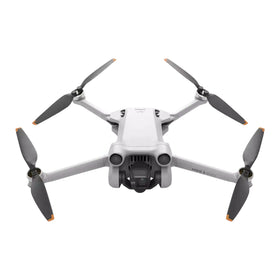
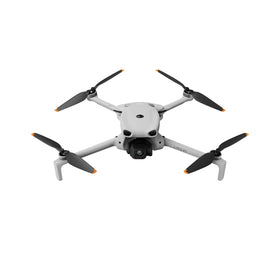
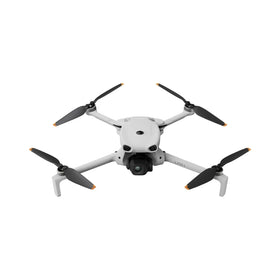
Browse our collection of inspected pre-owned DJI drones - inspected, flight-tested, and backed by a 6-month warranty. Save up to 40% versus retail.
Trade Secret Litigation as a Competitive Weapon in Advanced Air Mobility
The Joby-Archer lawsuit is emblematic of a broader trend in emerging technology sectors: using litigation as a strategic lever to slow competitors. In the eVTOL space, where first-mover advantage could be worth billions, every month of delay for a rival translates into a tangible market lead. Joby's decision to pursue trade secret claims is a calculated move to raise Archer's cost of doing business and potentially fracture its engineering team's focus.
Legal experts point to the case of Waymo vs. Uber as a cautionary tale: that dispute over self-driving car trade secrets ended with a settlement and a significant equity payment to Waymo. If Joby ultimately prevails, Archer could face not only monetary damages but also an injunction that restricts its use of certain flight control software or battery pack designs-components that are already deep in development. This scenario could force Archer to redesign key subsystems, adding years to its certification timeline and millions in engineering costs.
Market Reaction and Financial Stakes for NYSE:JOBY and Archer
Stock market reaction has been muted but telling. As of midday trading on June 11, shares of Joby Aviation are up 2.3% while Archer Aviation shares have dipped 1.8%. While the ruling was not a clean victory for either side, investors appear to view the dismissal of Archer's counterclaims as a net positive for Joby. The real test will come in the next few months as the case enters discovery, where internal emails, design documents, and hiring records will be scrutinized.
For Archer, the legal overhang could complicate its fundraising efforts. The company recently announced a $300 million equity round when JOBY was at $180 million. If the lawsuit drags on, institutional investors may demand higher risk premiums or insist on protective provisions. Meanwhile, Joby's cash burn rate remains high-estimated at $120 million per quarter-but its legal offensive could be partly financed by strategic partners like Toyota and Uber, who have deep pockets and a vested interest in slowing Archer's progress.
In the immediate term, commercial drone operators need to watch this case closely. If the court ultimately grants an injunction that halts Archer's production or restricts its use of certain technologies, the entire eVTOL supply chain will feel the impact. Components, engineering talent, and software platforms that were destined for Archer's aircraft could become available to other players or flood the aftermarket. For operators looking to upgrade their fleets without paying premium pricing, the used drone market offers a reliable alternative. Additionally, those needing to keep existing enterprise drones airworthy can rely on professional DJI repair services to extend the life of their current inventory while the legal landscape settles.
FAQ
Q: How could the Joby vs Archer lawsuit affect my commercial drone operations under Part 107?
A: The case focuses on trade secrets related to eVTOL flight control and battery systems. If the court imposes an injunction or awards damages that raise Archer's costs, that could flow down to component availability and licensing for high-end drone flight controllers. It may also influence the development of open-source alternatives. For now, operators using mature platforms like the DJI Matrice 350 RTK or the Phantom 4 RTK are insulated, but those planning to adopt next-gen eVTOL for cargo or passenger services should monitor the case for supply chain risks.
Q: What are the key dates to watch in this litigation?
A: Both parties have until July 12, 2026, to file amended complaints. After that, a case management conference is expected in late July where the court will set a discovery schedule. Critical motions for summary judgment could arrive in late 2026 or early 2027, with a trial possible in 2028. Any rulings on injunctions or preliminary damages could come earlier if either side files for immediate relief.
Q: Is now a good time to buy used DJI drones given the legal uncertainty in eVTOL?
A: Yes, many fleet managers are pivoting to proven hardware to avoid tying capital to platforms that may face IP disruptions. inspected pre-owned units from Reboot Hub offer the same flight performance as new drones but at a 30-40% discount, with full warranty support. This allows operators to maintain high mission readiness while conserving budget for future upgrades.
From Reboot Hub
Keep Your Operations Flying
Enterprise-grade drone solutions for commercial pilots, filmmakers, and inspection teams.
Pre-owned Fleet
Fully inspected DJI drones with 6-month warranty. Save up to 40%.
Browse Inventory ->