Helicopter vs. Drone: Airbus and Quantum Systems Team Up to Hunt UAS from the Sky
Breaking: Airbus Helicopters and Quantum Systems have signed a strategic cooperation to mount counter-UAS interceptors on military rotorcraft. This moves the drone-vs-drone fight into the vertical-lift domain, threatening rogue UAS at standoff ranges. For commercial operators relying on BVLOS waivers under Part 107, the rapid weaponization of airspace means tighter airspace restrictions are imminent. Reboot Hub analyzes what this means for second-hand DJI inventories and repair demand.

編輯註釋
- 本文結合了指定的外部報導與 Reboot Hub 自身的分析,旨在為無人機買家、機隊營運商、維修客戶及二手 DJI 市場觀察者提供參考。
- 來源事實與解讀分開處理。當報導提供的資料有限時,文章會註明該限制,並將 Reboot Hub 的觀點定義為分析。
- Reboot Hub 設有無人機產品與維修服務的商業連結;這些連結為讀者資源,不會決定文章的結論。
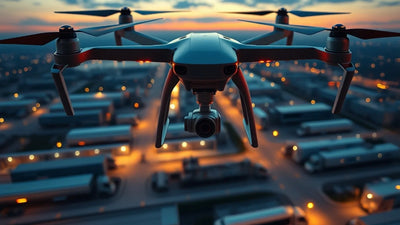
The aerial battlefield just got a new sheriff. On June 11, 2026, Quantum Systems-a German specialist in tactical UAS-announced a strategic cooperation with Airbus Helicopters to integrate counter-unmanned aircraft system (counter-UAS) interceptors directly onto military rotorcraft. The partnership effectively turns helicopters like the Airbus H145M and H225M into airborne drone-killing platforms, capable of launching interceptor drones to pursue, disable, or destroy hostile UAS before they reach high-value assets.

While the official press release remains light on technical specifics, sources close to the program suggest the integration relies on Quantum Systems' existing Vector and Scorpion platforms, modified for vertical launch from helicopter hardpoints. The interceptor drones are expected to leverage AI-driven autonomous targeting and swarming logic, enabling a single helicopter to manage multiple engagements simultaneously.
This development marks a significant escalation in the counter-UAS arms race. For years, ground-based systems-such as electronic jammers, directed-energy weapons, and net-firing shotguns-have formed the first line of defense. But those systems have limited range and are vulnerable to terrain masking. Putting interceptors on a helicopter extends the kill box deep into enemy territory, and makes it far harder for adversary drones to hide.
Fleet readiness
Keep DJI hardware available without overbuying new units.
Use this news as a planning signal for inspected DJI aircraft, repair support, and trade-in timing.
Why Mounting Interceptors on Helicopters Changes the Game
Traditional counter-UAS solutions are static or mobile on ground vehicles. A helicopter, however, offers speed, altitude, and persistent overwatch. By carrying interceptors, the helicopter becomes a mobile launch pad that can patrol a wide area, loiter for hours, and respond to threats at a moment's notice. The Quantum Systems integration is particularly interesting because it uses small, expendable drones as the interceptors-rather than missiles or energy weapons-keeping per-engagement costs low and reducing collateral damage risks in complex environments.
Airbus has been actively developing its own defensive suites, including the Eurodrone program, but this specific cooperation leans on Quantum Systems' expertise in mini-UAS design. The joint effort is expected to target export markets where state and non-state actors increasingly deploy commercial off-the-shelf (COTS) drones for reconnaissance or attacks. Countries in the Middle East, Eastern Europe, and Southeast Asia are seen as early adopters.
From a regulatory perspective, this cooperation implicitly acknowledges that the current airspace framework-including FAA Part 107 and EASA regulations-was not designed for a world where military helicopters routinely launch drone interceptors. As these systems become operational, expect significant friction with civil air traffic management, especially near airports or critical infrastructure. Commercial drone operators flying under BVLOS waivers may find their approved airspace corridors closed or restricted as defense priorities take precedence.
Ready to Upgrade Your Fleet?
Browse our collection of inspected pre-owned DJI drones - inspected, flight-tested, and backed by a 6-month warranty. Save up to 40% versus retail.
What This Means for Commercial Drone Pilots and the Second-Hand Market
For the everyday drone operator-whether you're a real estate photographer using a DJI Mini 4 Pro or a precision agriculture specialist flying a DJI Agras T60-this development signals a new era of airspace partitioning. Military units will increasingly file temporary flight restrictions (TFRs) and demand priority access during counter-UAS operations. The days of relatively open skies for recreational and commercial drones may be numbered in conflict zones and high-security regions.
But there's a more nuanced impact: the second-hand drone market. When military forces adopt new counter-UAS interceptors, they often simultaneously upgrade their own UAS fleets, flooding the used market with ex-military or government-surplus drones. These units-often high-end platforms like the DJI Matrice 350 RTK or the Autel EVO Max 4T-can be acquired by commercial operators at deep discounts after proper decommissioning. Reboot Hub has already seen an uptick in inquiries from overseas buyers looking for pre-owned DJI drones that can be adapted for civilian work.
Additionally, the increased risk of drone-on-drone engagements means more drones will be damaged or lost. A helicopter-launched interceptor doesn't discriminate between a hostile Shahed-136 and a lost DJI Inspire 3 flown by a curious hobbyist. Collateral damage will occur. That directly fuels demand for professional DJI repair services. Reboot Hub's repair shop has already prepared for an uptick in gimbal and motor replacements, anticipating that even near-miss encounters with kinetic interceptors can cause structural stress.
Market Analysis: How the Airbus-Quantum Systems Deal Reshapes the Drone Economy
Let's drill into the numbers. The global counter-UAS market was valued at approximately $2.1 billion in 2025 and is projected to grow to $7.8 billion by 2032, according to industry forecasts. The helicopter-mounted interceptor segment is a niche within that, but the Airbus-Quantum collaboration legitimizes the concept. Defense budgets in NATO countries are already allocating funds for "organic counter-UAS capability" on rotorcraft. This could mean a new procurement cycle that competes with traditional drone spending.
For drone manufacturers like DJI, Autel, and Skydio, the message is clear: your products are now targets. This partnership effectively turns every military helicopter into a potential threat to any unauthorized UAS within its operational zone. Expect tightening of export controls on drone components, especially flight controllers and AI modules that could be reverse-engineered for interceptors. The Pentagon's ongoing ban on DJI products may now extend to allied nations seeking to standardize their counter-UAS arsenals.
On the flip side, the used drone market could see a temporary glut as military units divest older platforms in favor of newer, counter-UAS-resistant designs. Commercial operators looking to upgrade on a budget should watch for surplus DJI Matrice 300 RTK and 30T units. Reboot Hub currently offers a curated selection of pre-owned DJI drones that have been factory-cleaned and tested-an ideal stopgap for operators unwilling to pay full retail while the market adjusts.
How This Affects BVLOS Operations and Regulatory Framework
One of the biggest talking points from this cooperation is its implication for Beyond Visual Line of Sight (BVLOS) operations. The FAA has been slowly expanding BVLOS waivers under Part 107, but the introduction of active counter-UAS interceptors in shared airspace creates a fundamental safety conflict. How can a drone fly autonomously 10 miles away when a military helicopter may launch an interceptor along that same route?
We anticipate that the FAA and EASA will be forced to establish new "air defense zones" where commercial BVLOS flights are prohibited or require real-time deconfliction with military assets. This will increase compliance costs for operators and may delay BVLOS adoption in regions near military installations or critical infrastructure. The drone insurance market will also react: policies may exclude damage caused by counter-UAS actions, or premiums could spike for flights near sensitive areas.
Quantum Systems and Airbus have not published timelines, but given the fast-paced nature of current conflicts, a prototype could fly within 12 months. Forward-thinking commercial operators should begin assessing their flight routes and considering alternative areas for testing. Those relying heavily on single airframes may want to diversify their fleets with lower-cost alternatives available on the used drone market, especially as military stock enters circulation.
Frequently Asked Questions
Will this cooperation affect civilian drone use near military bases?
Yes. Once helicopter-mounted interceptors are operational, military bases will likely enforce even stricter no-fly zones. Commercial drone pilots should expect expanded TFRs and mandatory transponder requirements within 5 nautical miles of any active military airfield. Check NOTAMs frequently and consider using remote ID modules that broadcast your position to military airspace managers.
What drone models are most at risk of being mistaken for threats?
Any drone that flies above 400 feet AGL, exceeds 55 pounds, or operates in restricted airspace is a potential target. Larger platforms like the DJI Matrice 350 RTK or the Freefly Alta X have similar radar cross-sections to small military UAS, making them more likely to be misidentified. Operators of such heavy-lift drones should invest in conspicuity devices and file flight plans even in non-controlled airspace.
Can I repair my drone if it's damaged by a counter-UAS interceptor?
Yes, but the process may be complicated if the damage involves proprietary military-grade electronics. For civilian drones, Reboot Hub's professional DJI repair services use genuine parts and can restore airframes to factory condition. However, if the drone was in restricted airspace, authorities may impound it as evidence. Always fly legally to avoid complications.
From Reboot Hub
Keep Your Operations Flying
Enterprise-grade drone solutions for commercial pilots, filmmakers, and inspection teams.
Pre-owned Fleet
Fully inspected DJI drones with 6-month warranty. Save up to 40%.
Browse Inventory ->