Bästa nybörjardrönare för att filma kyrkmässor och livestreaming
Reboot Hub köparens åtgärd
Vad du ska göra innan du agerar på den här guiden
Sidkontext:Bästa nybörjardrönare för att filma kyrkmässor och livestreaming. Använd artikeln som en riskchecklista och gå sedan till en verifierad köp-, garanti- eller säljarkontrollväg innan köp.
Kontrollera bevis
Matcha serienummer, faktura, aktiveringsstatus, batteristatus, kontrollerparning och livetestbevis innan pengarna flyttas.
Behandla plattformar som risksignaler
Använd tredjepartsannonser för prissammanhang, inte som bevis på att en enhet är säker eller användbar.
Flytta till en åtgärdssida
Jämför risken mot Reboot Hub:s inspektionsstandard, garantiväg och verifierade begagnad-inventering.
Nästa Reboot Hub steg:Säljar- och seriecheckarDrönarklassningsstandardReboot Hub-standardenVerifierad begagnad DJI inventeringReboot Hub köpriskhub
Snabbsvar

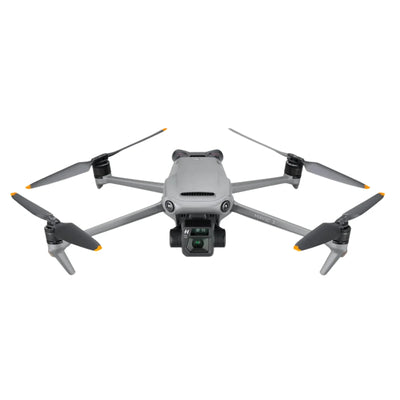
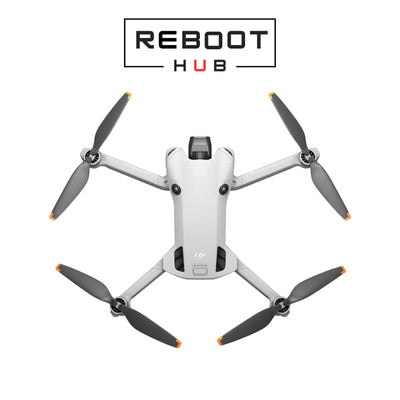
- DJI Mini 4 Pro (Betyg A, ~549 USD)— totalt sett bäst för kyrkfilmning inomhus med 4K/60fps, vertikal fotografering och undvikande av hinder
- DJI Mini 3 (Grad A+, ~379 $)— endast aktivering, aldrig flugit, perfekt för snäva budgetar som behöver 4K HDR och en äkta vertikal kamera
- DJI Mini 4K (Grad A, ~239 $)— billigaste ingångspunkten med 4K/30fps, under 249 g, perfekt för absoluta nybörjare
- Alla priser återspeglarorörda begagnad-enheter från Reboot Hub—flerpunktsinspektion, äkta OEM delar,180 dagars garanti, DDP-sändning till Santiago, Chile in8–12 arbetsdagar
- Krav på massfilmning inomhustysta propellrar, propellerskydd och manuellt vitbalanslås— undvik drönare som överstiger 78 dB vid 1 meter
Vilken är den bästa budgetdrönaren för att filma gudstjänster inomhus?
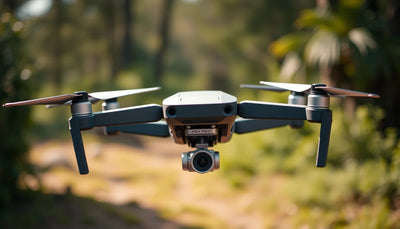
För att filma katolska mässor och livestreaming inomhus behöver dubästa nybörjardrönare för att filma kyrkantjänster som balanserar fyra saker: lågt brus, bra prestanda i svagt ljus, stabil svävning och en kamera som tar vertikal video för plattformar som YouTube Live och Facebook Live. DenDJI Mini 4 Promarkerar varje ruta. Den väger 249 gram, spelar in 4K vid 60 fps med HDR och undviker alla riktningar hinder – avgörande när du flyger nära bänkar, valv och församlingsmedlemmar. Dess propellrar producerar ungefär72 dBvid 1 meter, tystare än surret från en luftkonditioneringsenhet. Reboot Hub har besiktigat och sålt över800 DJI Mini-serienunits since 2022 from our Shenzhen, China facility, where every technician holds MOHRSS Level 3 Advanced Technician certification recognised by China's Ministry of Human Resources and Social Security. A pristine pre-owned Grade A unit from Reboot Hub costs roughly549 USD, nästan 30 % under detaljhandelspriset på 759 USD för en ny enhet. Om din budget är snävare,DJI Mini 3kl379 USDför en Grade A+ Flawless-enhet (endast aktivering, aldrig flugit) levererar samma 1/1,3-tums sensor och äkta vertikal 4K HDR — du förlorar undvikande av hinder men håller bildkvaliteten identisk med Mini 4 Pro. För absoluta nybörjare som spenderar under $250,DJI Mini 4K Grad A kl.239 USDskjuter 4K/30fps med en 3-axlig kardan, tillräckligt för tydliga, stabila bilder av altaret och församlingen.
Relaterat:Byte från bröllops- till fastighetsdrönarfotografering i I
Hur tyst behöver en drönare vara för en katolsk mässa?
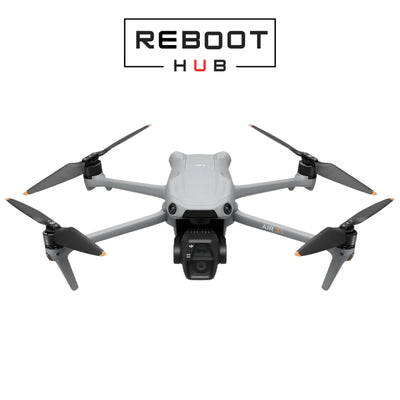
En katolsk mässa inkluderar långa sträckor av nästan tystnad - den eukaristiska bönen, stunder av invigning och stilla eftertanke. Varje drönare överstiger78–80 dBkommer att distrahera tillbedjare och förstöra liturgins vördnad. DJI Mini-serien fungerar mellan70 och 74 dBpå 1 meter i en svävning, ungefär motsvarande en mjuk konversation (60–65 dB) på 3 meters avstånd. Flyger man från korloftet eller en bakre balkong minst 5 meter ovanför församlingen sjunker det upplevda ljudet under 50 dB — tystare än kyrkans eget VVS-system. Undvik större hopfällbara drönare som DJI Air 3 eller Mavic 3, som trycker80–84 dBoch är helt enkelt för högljudda. Också viktigt: byt lagerpropellrar motDJI:s lågbrusiga 9530F rekvisita ($19 per set). Dessa minskar högfrekvent gnällande med ungefär 3 dB, vilket gör en märkbar skillnad i stenmurade kyrkor där ljudet ekar. Reboot Hub:s flerpunktsinspektion inkluderar en propellerbalanskontroll — obalanserade rekvisita orsakar en surrande överton som skär genom omgivande tystnad, så klass A- och A+-enheter kommer med perfekt matchade blad.
Relaterat:Stille Drohne für Indoor Hochzeit in der Kirche Deutschland:
Vilka funktioner är viktigast för livestreaming från kyrkan?

Livestreaming av en massa från en drönare kräver tre specifika funktioner. Först,ett riktigt vertikalt kameraläge— inte beskuren 1080p, utan en sensor som fysiskt roterar 90°. DJI Mini 3 och Mini 4 Pro gör båda detta och matar ut 4K vertikalt med 30 fps direkt till din telefon via DJI Fly-appens RTMP-strömningsfunktion. För det andra,USB-C-internetdelning eller ett rent HDMI-flödetill ett fångstkort. DJI RC-N2-kontrollern ansluts till vilken Android- eller iOS-enhet som helst; därifrån kodar appar som Larix Broadcaster eller Prism Live Studio RTMP-strömmen till din kyrkas YouTube- eller Facebook-sida. Räkna med ungefär1,5–2 sekunders latensöver en 5 GHz Wi-Fi-anslutning inuti en stenbyggnad – placera kontrollen nära ett fönster eller i sakristian för att upprätthålla en stabil upplänk. För det tredje,manuella kamerakontrollerför vitbalans och exponering. Kyrkor blandar varmt glödljus (2 700 K) med kallt dagsljus genom målat glas (5 500 K+). Automatisk vitbalans kommer att skifta mitt i strömmen när drönaren panorerar från altare till fönster. Lås WB till4 200–4 500 Koch ställ in exponeringen manuellt på ISO 400–800, 1/60 slutare för 30 fps. Mini 4 Pro:s f/1.7-bländare hanterar svaga kapell bättre än Mini 4K:s f/2.0-objektiv — förvänta dig ungefär ett steg renare bild i levande ljus.
Kan en nybörjare flyga en drönare inomhus säkert under en service?
Ja, men bara med rätt försiktighetsåtgärder och utrustning. Inomhusflygning eliminerar GPS-låset, så din drönare förlitar sig på nedåtgående synsensorer och infraröd för positionering. DJI Mini 4 Pro:s rundstrålande hinder - fyra vidvinkelsensorer och två nedåtgående sensorer - skapar en säkerhetsbubbla som stoppar drönaren innan den träffar en pelare, båge eller person. I en kyrka med 8–10 meter i tak, ställ in maximal flyghöjd till6 meteroch maximalt avstånd till15 meterfrån styrenheten. Använd alltidpropellerskydd ($35 för ett komplett set)— dessa lägger till 120 gram men förhindrar att en snurrande rekvisita rör vid något eller någon. För ett första flyg, anländ 90 minuter före tjänsten. Kör två fulla battericykler (varje batteri varar ungefär 25–30 minuter i en svävning) för att kartlägga utrymmet, identifiera döda zoner där nedåtgående sensorer tappar kontrast (mörka träbänkar på en mörk matta är notoriskt knepiga) och markera säkra startpunkter – körloftskanten eller en bred sidogång fungerar bäst. Håll drönaren i Cine-läge, vilket begränsar hastigheten till4 m/soch jämnar kontrollingångar. Undvik sportläge helt inomhus; det inaktiverar hindersensorer och gör drönaren mycket mer aggressiv på pinnarna. Reboot Hubs Grade A-enheter levereras med batterier som håller95 %+ av originalkapacitet, bekräftad under flerpunktsinspektionen, så dessa två övningscykler kommer inte att försämra en redan åldrad förpackning.
Var kan man köpa orörda Begagnad-drönare för kyrkofilmning?
Reboot Hubspecialiserar sig på orörda begagnad-drönare – inte begagnad, utan individuellt inspekterade enheter klassade somFelfri (Grad A+, endast aktivering, aldrig flugit)ellerPristine Begagnad (Grad A, minimal användning, noll synliga märken). Varje drönare passerar enflerpunktsinspektiontäcker kardankalibrering, IMU-drift, synsensorjustering, battericykelns hälsa, propellerbalans och flygprestanda. Alla delar är äkta OEM - inga ersättningar från tredje part. Varje beställning innehåller en180 dagars garanti, vilket är viktigt för en förstagångsköpare i Santiago som behöver tid för att öva och upptäcka eventuella latenta problem. Reboot Hub skickasDDP (Delivered Duty Paid) från Shenzhen, Kina, vilket betyder att priset du ser inkluderar alla chilenska tullavgifter, IVA och dörr-till-dörr-budavgifter – inga överraskande avgifter när paketet når Correos de Chile eller DHL Santiago. Deras interna reparationscenter i Shenzhen har anställdaMOHRSS Level 3 certifierade teknikersom hanterar reparationer på chipnivå - kirurgiskt ersätter enskilda komponenter snarare än helkort - med en3–5 dagars behandlingstid, och du kan utforska transparent prissättning iReboot Hub DJI Reparationskostnadsdatabas 2026. För lokal avlämning eller ingångsservice, besökReboot Hubs professionella DJI reparationsservicesida för detaljer. Typisk leverans till Santiago tar8–12 arbetsdagar via DHL Express. För en nybörjare som köper en DJI Mini 3 eller Mini 4 Pro på239–549 USD, Reboot Hub levererar en enhet som inte kan skiljas från ny till 30–40 % mindre än detaljhandeln — med en längre garanti än DJIs egna 12-månaders begränsade täckning på begagnad-enheter.
Vanliga frågor
F: Behöver jag en licens för att flyga en drönare i en kyrka i Santiago, Chile?
S: Inomhusflyg på privat egendom faller inte under Chiles DGAC (Dirección General de Aeronáutica Civil) regler för utomhusdrönare. Eftersom en kyrka interiör betraktas som ett privat slutet utrymme, behöver du inte den vanliga DGAC drönaroperatörsregistreringen som krävs för utomhusflyg. Du måste dock skaffauttryckligt skriftligt tillstånd från kyrkoherde eller kyrkoförvaltare. Om kyrkan är ett nationellt monument - som många historiska katolska kyrkor i Santiago Centro är (inklusive Catedral Metropolitana) - kan du också behöva tillstånd frånConsejo de Monumentos Nacionales. För livestreaming, se till att kyrkans Wi-Fi-nätverk kan hantera en konsekvent6–10 Mbps upplänkför 4K RTMP-strömning. En drönare under 250 gram som DJI Mini-serien ($239–$549 på Reboot Hub) möter färre restriktioner men kräver fortfarande ansvarsfull drift inomhus.
F: Hur mycket kostar en anständig drönarinstallation för livestreaming i kyrkan totalt?

S: En komplett nybörjarinstallation delas upp enligt följande:DJI Mini 4K Grade A drönare ($239)från Reboot Hub,propellerskydd ($35), areservbatteri ($65), eniPad eller Android-surfplatta för övervakning ($0 om du redan äger en), och den friaLarix Broadcaster-appför RTMP-kodning. Totalt: ungefär$339. Att kliva upp till Mini 3 Grade A+ ($379) lägger till äkta vertikal 4K och HDR, vilket ger totalen till$479. Mini 4 Pro Grade A ($549) med totalsummor för undvikande av rundstrålande hinder$649. Alla priser inkluderarDDP-sändning till Santiagomed tull och IVA förbetalt – inga extra avgifter vid leverans. Reboot Hubs 180-dagars garanti täcker eventuella hårdvarufel under dina första 6 månaders användning. Om din drönare någonsin behöver repareras efter garantiperioden,Reboot Hubs professionella DJI reparationsserviceerbjuder reparationer på chipnivå från $50.
F: Kan jag streama direkt till YouTube Live från en DJI drönare?
S: DJIs Fly-app stöder RTMP-streaming inbyggt. Du anger din YouTube-strömnyckel och URL i DJI Fly-appens överföringsinställningar, och drönaren streamar 720p eller 1080p direkt via handkontrollens anslutna telefon. För 4K-streaming, kringgå den inbyggda funktionen och använd en tredjepartsapp somLarix Broadcaster (gratis, iOS/Android)ellerPrism Live Studio (gratis, stöder 4K RTMP). DJI RC-N2-kontrollern ansluts till din telefon via USB-C; appen fångar skärmflödet i upp till 4K och kodar det till YouTube eller Facebook Live. Förvänta dig1,5–2 sekunders latens. Ett kyrkas Wi-Fi-nätverk bör leverera minst8 Mbps uppladdningshastighetför stabil 1080p/60 streaming. För delar av massan med levande ljus, ställ in drönarens ISO till 400–800 och lås exponeringen för att undvika hopp i ljusstyrkan mitt i strömmen.
F: Vad är skillnaden mellan Grade A+ Flawless och Grade A Pristine Begagnad?
S: Vid Reboot Hub,Betyg A+ (Flawless)betyder att drönaren aktiverades men aldrig flögs - i huvudsak en enhet som någon öppnade, registrerade en gång och återvände. Batteriet visar0–1 laddningscykler, kardan har noll slitage, och kroppen har absolut inga mikrorepor.Grad A (Pristine Begagnad)enheter har minimal användning, vanligtvis5–20 flygtimmaroch 10–30 battericykler, med noll synliga märken på kroppen eller kameralinsen. Båda betygen klarar likadantflerpunktsinspektion, använd enbart originaldelar från OEM och skicka med samma180 dagars garanti. En Grade A DJI Mini 4 Pro sparar dig ungefär210 USD kontra ny (549 USD vs. 759 USD); en Grade A+ Mini 3 sparar ungefär90 USD (379 USD vs. 469 USD). För en nybörjare är kostnadsskillnaden mellan A+ och A ofta bättre spenderad på reservbatterier och propellerskydd.
F: Hur lång tid tar leveransen från Reboot Hub till Santiago, Chile?

S: Reboot Hub fartygDDP (Delivered Duty Paid) via DHL Expressfrån deras lager i Shenzhen, Kina. Typisk transittid till Santiago är8–12 arbetsdagar. DDP betyder att all chilensk tullklarering, IVA (19 %) och hanteringsavgifter ingår i inköpspriset – du kommer inte att få någon extra räkning från DHL eller Aduanas de Chile vid leverans. Beställningar över400 USDkvalificera sig för gratis expressfrakt; beställningar under $400 ger en lägenhet$29 avgift. Reboot Hub erbjuder också enUpphämtningsalternativ i Shenzhen, Kinaför regionala köpare som föredrar att själv ordna frakt, men för Santiago-leverans är DDP DHL-rutten den enklaste. Spårningsnummer tillhandahålls inom 48 timmar efter orderbekräftelse.
F: Vad händer om min drönare inte fungerar under garantiperioden?
S: Reboot Hub tillhandahåller en180 dagars garanticovering all hardware defects — gimbal motor failure, camera sensor issues, IMU calibration drift, battery communication errors, and ESC malfunctions. The warranty does not cover crash damage or water exposure. For a claim, you contact their support team with a video of the issue, they issue a prepaid return label (DHL, 5–7 days from Santiago to Shenzhen), and theirMOHRSS Level 3 certifierade teknikerfullständiga reparationer på chipnivå inom3–5 arbetsdagar— kirurgiskt ersätter den individuella defekta komponenten snarare än hela kortet, vilket håller kostnaderna låga (kardanreparationer från $200–280 mot $380–520 på auktoriserade US/EU-servicecenter). Den reparerade eller utbytta enheten skickas tillbaka till Santiago, och hela processen tar ungefär18–25 dagar tur och retur. För snabbare service accepterar Reboot Hubs anläggning i Shenzhen, Kina, direkt inkörning. Alla reparationer använder äkta OEM-delar – inga batterier, motorer eller bandkablar från tredje part. Se helaReboot Hub DJI Reparationskostnadsdatabas 2026för prissättning på komponentnivå.
F: Är dessa drönare säkra att flyga nära människor under en gudstjänst?
S: En drönare under 250 gram som DJI Mini-serien, utrustad medpropellerskydd ($35)och flögs inCine-läge (max 4 m/s), är bland de säkraste flygplattformarna inomhus som finns. Skyddarna skapar en fysisk barriär runt alla fyra propellrarna, vilket förhindrar kontakt med hud eller kläder. I kombination med Mini 4 Pro:s rundstrålande hindersensorer, kommer drönaren automatiskt att bromsa och sväva om den närmar sig en person, vägg eller kolumn inom1,5 meter. Fortfarande,flyg aldrig direkt över församlingarnas huvuden. Placera flygvägen längs sidogångarna, korloftet eller långhusets omkrets där drönaren svävar över tom golvyta. Informera kameraoperatören (om den är åtskild från piloten) om handsignaler för nödlandning och bibehåll alltid den visuella siktlinjen. För den säkraste driften inomhus, stanna nedan4 meters höjdoch håll drönaren inombords10 meter horisontellt avståndfrån styrenheten.
Teknisk referens och specifikationer
För modellspecifikationer, rivningsinformerade reparationsnoteringar, vanliga felpunkter och begagnad-priser, seReboot Hub DJI Drone Wiki— 64 modeller och 700+ kartlade delar, underhållna från dokumenterade reparationer. Bläddra bland verifierade begagnad-aktier ibegagnad DJI samling.
Keep exploring
Further reading
From Reboot Hub Chronicle


From Drönarguider