Ga naar de inhoud

Available 24/7: (852) 5537 6652

AFAC vs FCC Drone Certification: Mexican Filmmaker's US Guide

door LauThomas 22 Jun 2026 0 opmerkingen

Quick Answer

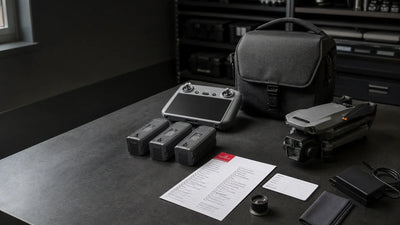
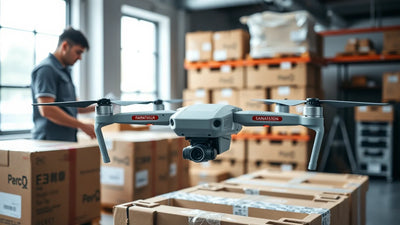
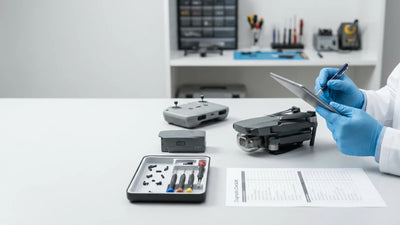
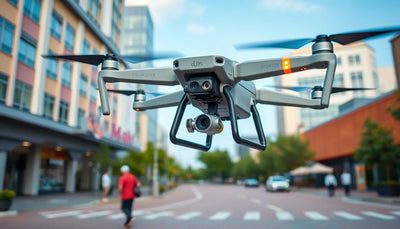
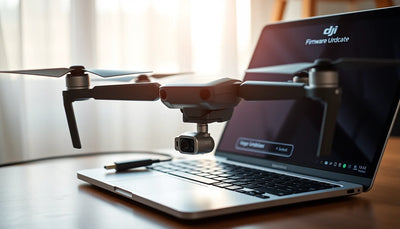
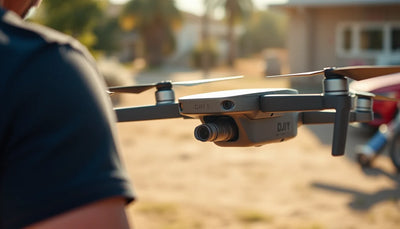
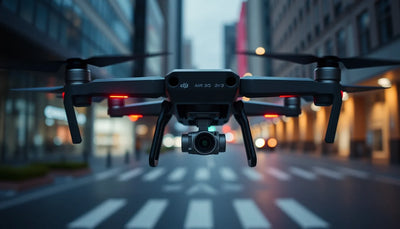
Hero illustration: AFAC vs FCC Drone Certification: Mexican Filmmaker's US Guide
  • AFAC (Mexico) and FCC (US) regulate completely different things — AFAC governs drone flight operations and pilot licensing in Mexico, while FCC certifies radio frequency emissions from drone hardware sold in the US.
  • For a Mexican filmmaker working in the US, you need FAA Part 107 certification (not just FCC-compliant gear) to legally fly commercial drone missions — AFAC credentials do not transfer.
  • FCC certification is automatic for drones purchased from authorized US retailers (DJI, Autel units sold stateside carry FCC labels). Drones bought in Mexico may have different RF power limits.
  • Cross-border compliance costs roughly $350–$600 USD total when factoring FAA exam fees ($175), study materials, and potential drone re-registration.
  • Pristine pre-owned drones with FCC compliance start around $450–$900 USD from verified sellers like Reboot Hub, with full DDP global shipping from Shenzhen/HK.

What Exactly Is AFAC Drone Certification in Mexico?

AFAC (Agencia Federal de Aviación Civil) is Mexico's civil aviation authority — the equivalent of the FAA in the United States. For drone operators in Mexico, AFAC issues two key documents: an operational license for commercial pilots and a registration certificate for the aircraft itself. Drones weighing over 250 grams must be registered with AFAC through the SIPAER online portal. The registration fee runs approximately 450–600 MXN (roughly $25–$35 USD). Commercial operators must pass a theoretical exam covering airspace classifications, meteorology, and emergency procedures, then obtain an RPAS (Remotely Piloted Aircraft System) operator certificate. The full commercial certification process typically takes 4–8 weeks and costs between 2,500 and 5,000 MXN ($140–$280 USD) depending on the training provider. AFAC also mandates liability insurance coverage — minimum 1 million MXN (around $55,000 USD) for commercial operations. These rules apply strictly within Mexican airspace; AFAC has no jurisdiction once you cross into the United States.

Related: Waar Kan Ik Vliegen met Mijn Drone in Nederland? Beste Apps

What Does FCC Certification Actually Mean for Drones in the US?

FCC (Federal Communications Commission) certification has nothing to do with pilot licensing or flight rules. It is purely a radio frequency compliance stamp. Every drone sold legally in the US must pass FCC testing to verify its transmitter — the radio link between the controller and the aircraft — operates within approved frequency bands (typically 2.4 GHz and 5.8 GHz) and does not exceed power output limits. For a filmmaker, this matters because an FCC-compliant drone transmits at higher power than CE-compliant (European) or SRRC-compliant (Chinese domestic) units, giving you roughly 20–30% more range in open terrain. A DJI Mavic 3 Pro with FCC mode enabled can maintain a stable video feed at distances up to 15 km under ideal conditions, whereas the CE version caps transmission power and realistically delivers 8–10 km. You do not apply for FCC certification as a pilot — the manufacturer handles it. Your responsibility is simply buying a drone with the FCC stamp. The FCC ID label is usually printed inside the battery compartment or on the drone body. If your drone lacks this label, you risk fines of up to $10,000 USD for operating non-compliant radio equipment on US soil.

Related: Stille Drohne für Indoor Hochzeit in der Kirche Deutschland:

How Does FAA Part 107 Compare to AFAC Commercial Drone Rules?

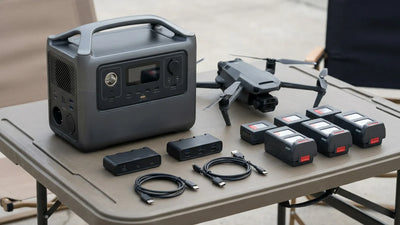
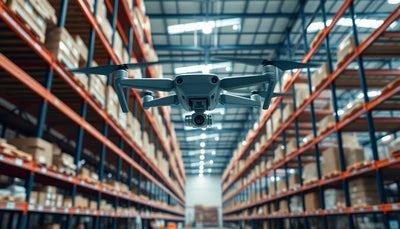
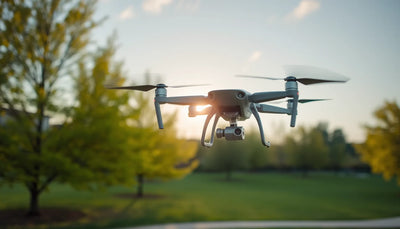
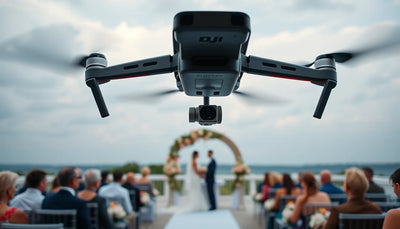
Supporting visual: AFAC vs FCC Drone Certification: Mexican Filmmaker's US Guide

This is the core comparison for a Mexican filmmaker working in the US. AFAC commercial certification and FAA Part 107 are both mandatory for paid drone work, but their requirements diverge significantly. FAA Part 107 costs $175 USD per exam attempt at an authorized PSI testing center; the test has 60 multiple-choice questions and you need a 70% score to pass. AFAC's commercial exam is administered through approved training organizations and costs 1,800–3,500 MXN ($100–$195 USD). Part 107 permits operations up to 400 feet AGL, during daylight or civil twilight with anti-collision lighting, and prohibits flights directly over non-participating people without a waiver. AFAC rules are similar in altitude limits but enforce stricter no-fly radii around airports (9.2 km vs. the FAA's typical 5-mile radius from towered airports). One major difference: AFAC requires recertification every 2 years with a full re-examination; the FAA now uses a free online recurrent training course (no re-test required for Part 107 renewal every 24 months). Neither certification is reciprocal — holding AFAC credentials gives you zero legal standing to fly commercially in the US. You must pass Part 107 independently. A Mexican filmmaker with both certifications can operate seamlessly across the border, but the paperwork stays separate.

Can a Mexican Filmmaker Use an AFAC-Registered Drone on US Projects?

The short answer is no — not without additional steps. An AFAC-registered drone is recognized only within Mexican jurisdiction. To fly the same aircraft commercially in the US, you must register it with the FAA through the FAADroneZone portal. FAA drone registration costs $5 USD per aircraft and is valid for 3 years. The drone must display the FAA registration number on its exterior. Additionally, the aircraft's radio transmitter must be FCC-compliant. If you purchased your drone in Mexico through authorized DJI or Autel channels, it likely shipped with FCC hardware (most North American inventory is FCC-configured). However, if the drone was imported from a third market — say, a European-sourced unit with CE power restrictions — you could face reduced signal range and potential compliance issues. The safe move: buy drones from sellers who explicitly guarantee FCC compliance and ship with DDP (Delivered Duty Paid) terms, eliminating customs headaches. Reboot Hub, for instance, stocks pristine pre-owned drones that are FCC-compliant and ships globally from Shenzhen and Hong Kong with all duties prepaid — zero surprise fees upon delivery. Their 180-day warranty covers the radio module, so if an FCC issue arises, their MOHRSS Level 3 certified technicians in Shenzhen handle it within 3–5 business days.

What Are the Real Costs of Dual-Country Drone Certification?

Breaking down the numbers for a Mexican filmmaker pursuing legal commercial flight in both countries:

  • FAA Part 107 exam: $175 USD (one-time, then free recurrent training every 2 years).
  • AFAC commercial RPAS certification: 2,500–5,000 MXN ($140–$280 USD) plus 800–1,200 MXN ($45–$67 USD) for the physical medical certificate.
  • FAA drone registration: $5 USD per aircraft, renewable every 3 years.
  • AFAC drone registration: approximately 500 MXN ($28 USD) per aircraft for the initial registration.
  • Liability insurance (US): $500–$750 USD annually for a $1 million policy through providers like Verifly or SkyWatch.AI.
  • Liability insurance (Mexico): 3,000–8,000 MXN ($170–$450 USD) annually depending on coverage limits.

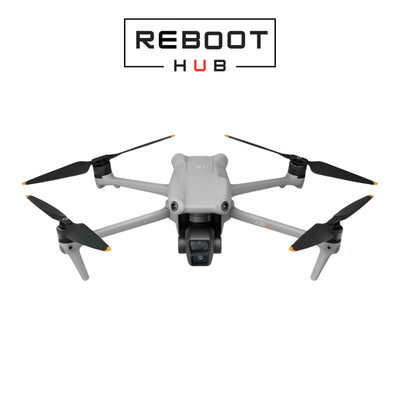
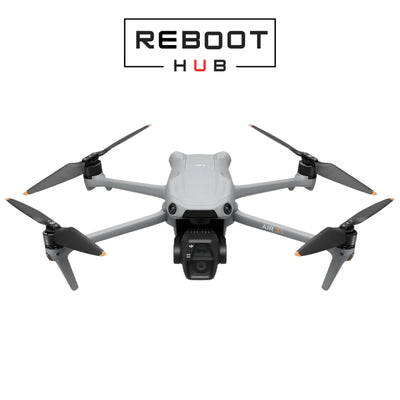
Total first-year compliance across both countries runs roughly $1,100–$1,700 USD including insurance. If you only work in the US, skip the AFAC costs — your all-in first year drops to about $680–$930 USD. For the drone itself, a pristine pre-owned DJI Air 3 with FCC compliance runs $680–$850 USD (approximately 5,300–6,630 HKD) from verified resellers. That is 25–35% less than new retail while delivering identical FCC radio performance and flight characteristics.

Where to Buy Pristine Pre-Owned Drones

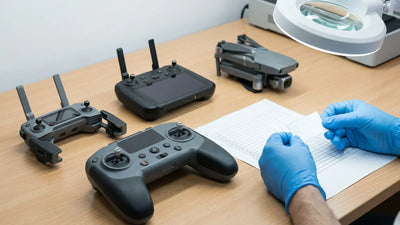
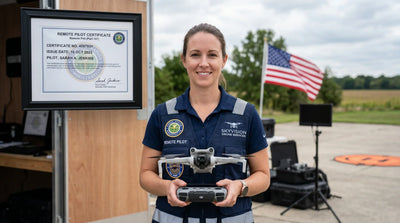
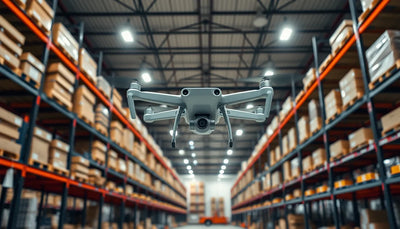
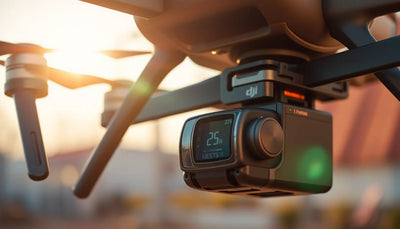
Detail shot: AFAC vs FCC Drone Certification: Mexican Filmmaker's US Guide

For filmmakers who need FCC-certified drones with genuine OEM parts and zero cosmetic flaws, Reboot Hub (reboot-hub.com) offers a curated inventory of pre-owned units that undergo a 40-point inspection before shipping. Unlike refurbished drones that may mix aftermarket components, Reboot Hub's units are classified as Pristine Pre-Owned — Grade A drones show minimal use with no visible marks, while Grade A+ Flawless units are activation-only, never flown aircraft. Every drone comes with a 180-day warranty backed by a chip-level repair facility in Shenzhen staffed by MOHRSS Level 3 certified technicians. Standard repair turnaround is 3–5 business days, and customers in Hong Kong can use the physical drop-off center. Global shipping is handled via DDP (Delivered Duty Paid) from Shenzhen and HK, meaning all import duties and taxes are settled upfront — no customs delays or unexpected brokerage fees. A typical DJI Mavic 3 Classic (Pristine Pre-Owned, Grade A) sells for roughly $820–$950 USD (6,400–7,410 HKD), complete with FCC compliance, original packaging, and all accessories. For a Mexican filmmaker working in the US, this eliminates the risk of accidentally purchasing a non-FCC grey-market unit while saving several hundred dollars against new retail pricing.

Frequently Asked Questions

Q: Does FCC certification affect drone video transmission range?

A: Yes, significantly. FCC-compliant drones transmit at higher power levels (up to 26 dBm on 5.8 GHz for DJI O3/O4 systems) compared to CE-mode units capped at approximately 14 dBm. In practice, an FCC-mode DJI Mavic 3 Pro can maintain a stable 1080p live feed at 12–15 km in open rural airspace, while a CE-limited unit may experience signal degradation at 8–10 km. For filmmakers shooting remote landscapes or tracking fast-moving subjects, the FCC range advantage translates to fewer signal dropouts and smoother gimbal control at distance. The difference is hardware-locked by GPS geolocation — a drone purchased in Mexico with FCC hardware will automatically switch to FCC mode when it detects US GPS coordinates. No manual setting change is required.

Q: How long does it take to get FAA Part 107 certified as a non-US citizen?

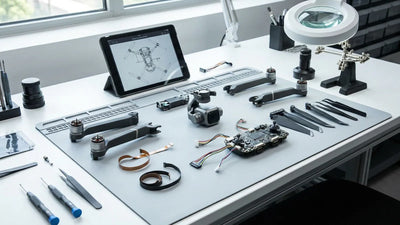
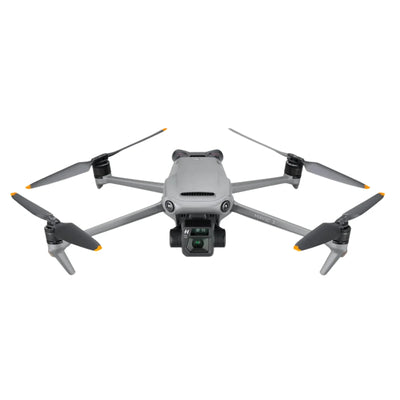
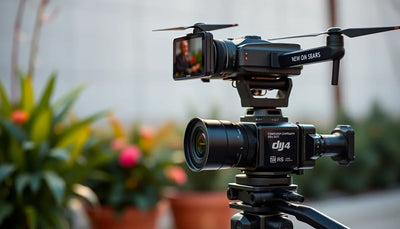
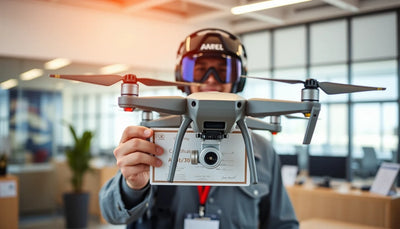
Technical view: AFAC vs FCC Drone Certification: Mexican Filmmaker's US Guide

A: Non-US citizens who are legal residents or work-authorized visa holders can take the Part 107 exam at any FAA-approved PSI testing center. The process from first study session to holding a temporary certificate typically takes 3–5 weeks. The $175 USD exam fee is payable directly to PSI. You must present a valid government-issued photo ID (Mexican passport is accepted). After passing, the FAA issues a temporary certificate valid for 120 days while the permanent card is mailed — this can be sent to a US mailing address only. If you lack a US address, you can use a registered agent service for roughly $25–$50 USD per year to receive FAA correspondence.

Q: Can I fly a drone registered in Mexico for recreational purposes in the US?

A: Recreational flights in the US fall under the FAA's Exception for Recreational Flyers, which requires you to pass the free TRUST (The Recreational UAS Safety Test) online — this takes about 30 minutes and costs $0. Your drone must still be registered with the FAA ($5 USD for 3 years), even if it is already registered with AFAC in Mexico. The dual registration is perfectly legal and common among cross-border operators. The drone's radio must be FCC-compliant; if your unit was purchased in Mexico through an authorized North American distributor, it almost certainly meets FCC requirements. Check for the FCC ID label inside the battery bay to confirm.

Q: What happens if I fly a non-FCC-certified drone in the US?

A: Operating a drone with a non-compliant radio transmitter violates FCC Part 15 regulations. Enforcement is complaint-driven, but penalties are steep — fines start at $10,000 USD per violation and can escalate to $75,000 USD for repeat offenses. Beyond legal risk, a non-FCC drone may experience interference with US cellular towers and emergency communication bands, potentially causing flyaway incidents or GPS glitches. If you are a working filmmaker on a US production set, losing a drone mid-shot due to RF interference from non-compliant hardware would put your professional reputation at serious risk. The $50–$100 premium for an FCC-verified pre-owned unit is cheap insurance.

Q: Are Reboot Hub's pre-owned drones actually FCC-compliant for US use?

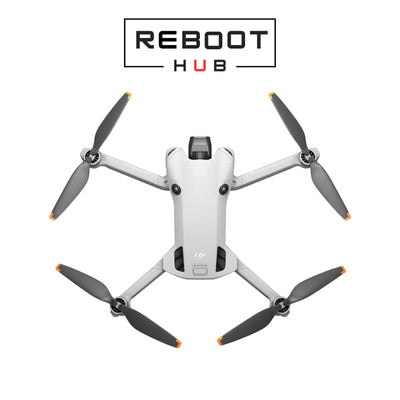
A: Yes. Reboot Hub sources its inventory primarily from North American and Hong Kong distribution channels, and every unit is verified for FCC compliance during the 40-point inspection process. The FCC ID is documented in the inspection report that ships with the drone. If a unit lacks an FCC label or shows evidence of non-FCC firmware, Reboot Hub flags it as region-locked and does not list it for US-bound customers. Their Shenzhen repair center can also re-flash legitimate FCC firmware on DJI and Autel drones if a previous owner manually switched regions — this is covered under the 180-day warranty. Prices for FCC-compliant pristine pre-owned units start around $450 USD (3,510 HKD) for a DJI Mini 3 Pro (Grade A) and range up to $1,200 USD (9,360 HKD) for a Mavic 3 Pro Cine (Grade A+ Flawless).

Q: How does AFAC handle drone certification for foreign filmmakers shooting in Mexico?

A: The reverse scenario — a US-certified filmmaker entering Mexico — requires AFAC recognition as well. Foreign operators must apply for a temporary RPAS authorization through AFAC's Dirección de Análisis de Riesgo Aeronáutico at least 15 business days before the planned flight date. The application fee is approximately 1,200 MXN ($67 USD). You must provide proof of FAA Part 107 certification (or equivalent from your home country), liability insurance valid in Mexican territory, and a detailed flight plan with GPS coordinates. AFAC reviews submissions on a case-by-case basis; approval is not guaranteed. Many international production companies hire a Mexican fixer or local drone service to handle the AFAC paperwork, which adds roughly $300–$600 USD in administrative costs per project. Your drone's FCC certification is irrelevant to AFAC — they only care about the aircraft's physical registration and your pilot credentials.

Q: What is the typical turnaround time for Reboot Hub's repair service?

A: Reboot Hub's Shenzhen repair center operates on a 3–5 business day turnaround for standard repairs including RF module diagnostics, gimbal recalibration, motor replacements, and flight controller troubleshooting. All technicians hold MOHRSS Level 3 certification — China's highest vocational qualification for electronics repair, requiring a minimum of 600 hours of supervised micro-soldering and circuit diagnostics training. Chip-level board repairs (e.g., replacing a damaged O3 transmission chip) add roughly 1–2 extra days. Hong Kong customers can drop off drones in person at the HK service point, while international customers ship to Shenzhen using a prepaid DHL label provided by Reboot Hub. All repairs are covered during the 180-day warranty period; out-of-warranty chip-level work averages $85–$160 USD (660–1,250 HKD) depending on component complexity.

Vorig bericht
Volgende bericht

Laat een reactie achter

Let op: reacties moeten worden goedgekeurd voordat ze worden gepubliceerd.

Bedankt voor het abonneren!

Deze e-mail is geregistreerd!

Shop de look

Kies opties

Bewerk optie
Back In Stock Notification
this is just a warning
Login
Winkelwagen
0 artikelen
0%