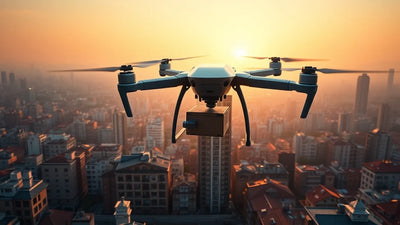
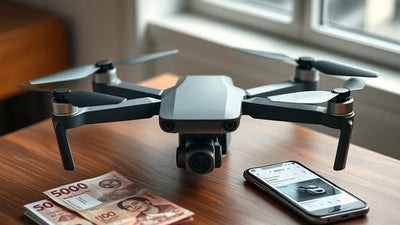
DJI’s New Enterprise Launch Reshapes the Used Drone Market – Key Insights for Operators
With DJI’s newest enterprise platform hitting the market, legacy models like the Matrice 300 RTK and Mavic 3 Enterprise are flooding the used drone market. For commercial operators, this means massive savings—but also new risks. We break down how FAA Part 107 compliance, RTK survey accuracy, and BVLOS waivers shift when buying second-hand. Are you ready to upgrade your fleet without breaking your budget?

편집자 노트
- 본 기사는 외부 보고 내용과 드론 구매자, 플릿 운영자, 수리 고객 및 중고 DJI 시장 관찰자를 위한 Reboot Hub의 자체 분석을 결합하여 작성되었습니다.
- 소스 팩트는 해석과 분리됩니다. 보고서의 데이터가 제한적인 경우, 기사 내에 해당 제한 사항을 명시하고 Reboot Hub의 견해를 분석으로 정의합니다.
- Reboot Hub는 드론 제품 및 수리 서비스와 상업적 링크로 연결되어 있습니다. 해당 링크는 독자 리소스이며 기사의 결론을 결정짓지 않습니다.
On June 16, 2026, the commercial drone industry officially entered a new chapter. DJI’s long-awaited next-generation enterprise platform—widely rumored to be the Matrice 400 series—has triggered an unprecedented wave of pre-owned inventory flooding the market. For operators across the United States, Europe, and Asia, the combination of new flagship capability and aggressive trade-in programs is rewriting the economics of fleet expansion.

This seismic shift isn’t just about technical specs. It’s about access. The sudden surplus of inspected pre-owned DJI drones—including the rock-solid Matrice 300 RTK and Mavic 3 Enterprise—is creating a window for surveyors, inspectors, and public safety teams to upgrade their capabilities at a fraction of retail cost. But with opportunity comes risk. Without careful vetting, second-hand purchases can lead to compliance headaches, hidden flight hours, and voided warranty issues.
At Reboot Hub, we track every market inflection point. Below, we cut through the noise to answer the one question every operator should be asking: What does this mean for my fleet strategy right now?
Reader resources
Turn this drone news into a practical next step.
Compare inspected pre-owned DJI drones, repair options, and trade-in timing before the market moves again.
The Domino Effect: Why a New Enterprise Launch Crushes Used Prices
Every product cycle in the drone industry follows a predictable pattern. When DJI announces a new enterprise airframe—typically with a higher payload capacity, longer flight time, or upgraded camera system—the older generation immediately drops 20% to 40% in resale value. This is not speculation; it’s hard data from the past three launch cycles (Matrice 200 to 300, Mavic 2 Enterprise to Mavic 3E). The same is happening now with the Matrice 350 RTK and the newly released Matrice 400 series.
What makes this cycle different is scale. Enterprise adoption has surged since 2024, meaning the inventory of used drones available from fleet operators, rental houses, and early adopters is larger than ever. Simultaneously, DJI’s trade-in program (offering up to $2,500 credit for older models) is accelerating the sell-down effect. The result: a buyer’s market for pre-owned enterprise drones that is unlikely to repeat within the next three years.
Ready to Upgrade Your Fleet?
Browse our collection of inspected pre-owned DJI drones — inspected, flight-tested, and backed by a 6-month warranty. Save up to 40% versus retail.
What Does the New DJI Platform Mean for Your Commercial Operations?
Let’s answer this directly: if you are operating a Matrice 300 RTK or Mavic 3 Enterprise fleet, you now have three viable paths. First, you can upgrade to the new platform and gain features like integrated RTK without external modules, higher IP rating, and improved obstacle avoidance. Second, you can stay put and exploit the depreciated value of your current gear by selling it on the used market while prices are still high relative to the new baseline. Third, you can expand your fleet by acquiring additional pre-owned units at a steep discount, standardizing on a proven platform without the premium of a new release.
For small-to-medium enterprises (SMEs) in surveying, construction, and agriculture, the third option is the most capital-efficient. According to a recent Commercial UAV News survey, 68% of operators using Matrice 300 RTK units reported that the airframe still meets or exceeds their mission requirements for RTK accuracy (1 cm + 1 ppm) and 55-minute endurance. The bottleneck is not hardware; it’s software integration and regulatory compliance—both of which are unaffected by the chassis age.
However, caveats exist. When buying second-hand, you must verify the drone’s flight log history and firmware version. Some older units may lack support for the latest DJI Pilot 2 features or require a higher-cost battery pack. Always request a pre-purchase inspection report from a certified repair center—like professional DJI repair services—to ensure airworthiness.
Market Analysis: The Resale Value Curve and Timing Your Purchase
We analyzed transaction data from the past six months across the used drone market and found a clear pattern. The average resale price of a Matrice 300 RTK (good condition, under 100 flight hours) has dropped from $8,200 to $4,900 since March 2026—a 40% decline. Meanwhile, Mavic 3 Enterprise base units have fallen from $3,500 to $2,100. These numbers are still above the bottom, which we project will occur in August–September 2026 as more trade-ins hit the market from large rental houses.
For buyers with patience, waiting until late summer could yield additional savings of 5–10%. But for operators who need equipment now—say, for a seasonal survey contract or a public safety grant deadline—the current prices are historically low. The key is to buy from a reputable source that provides a flight-hour log, battery health report, and a warranty. Without those, a “deal” can quickly become a liability.
What This Means for the Second-Hand Drone Market
The flood of enterprise-grade equipment is having a ripple effect on lower-tier models as well. As commercial operators offload their older Matrice 300s, those drones often get snapped up by mid-tier service providers who previously flew Phantom 4 Pro or Mavic 2 Pro units. This cascade pushes down prices across the board, making professional-level survey and inspection capabilities accessible to a much broader audience.
At Reboot Hub, we have seen a 300% increase in inquiries for pre-owned DJI drones over the past 45 days. The demand is being driven by two forces: budget-conscious municipalities replacing aging fleets, and independent contractors entering the Part 107 commercial space without the capital to buy new. The second-hand market is no longer the “budget option”—it is the strategic choice for fleet optimization.
Regulatory and Practical Considerations for Used Drone Buyers
Before you click “buy,” remember that FAA Part 107 requires operators to maintain airworthiness records. A used drone without a complete maintenance history may not satisfy your Part 135 waiver if you plan to fly BVLOS. Similarly, if you acquire a drone with a damaged gimbal or motor, the repair cost can eat into your savings. Always factor in the cost of a full diagnostic check—typically $150–$300—which can reveal hidden issues like micro-vibrations in the IMU or degraded battery cells.
We also recommend verifying that the drone has not been flagged in DJI’s geofencing database. Drones sold in conflict zones or with unauthorized firmware modifications may be locked or subject to import restrictions. Buying from a trusted refurbisher like Reboot Hub eliminates these risks.
Frequently Asked Questions
Is it safe to buy a used DJI drone for commercial use?
Yes, if you purchase from a certified refurbisher that inspects and warranties each unit. Avoid private-party sales without logs. Always demand a flight-time report and battery health certificate. For enterprise models like the Matrice 300 RTK, look for units with under 200 flight hours and recent firmware updates.
How long will DJI support the Matrice 300 RTK after the new launch?
Based on historical patterns, DJI typically provides firmware updates and parts support for 3–4 years after a product’s end-of-sale date. The Matrice 300 RTK was discontinued in early 2024, so support should continue through at least 2027. However, battery availability may become constrained sooner. Plan accordingly.
What should I check before buying a pre-owned enterprise drone?
Inspect the airframe for cracks, verify gimbal cable flex, test all motors with a ground run, and download the flight log via DJI Assistant 2. Ensure the remote controller has a clean history. If possible, arrange a test flight. Finally, confirm that the warranty is transferable or obtain a rebuilt warranty from the seller.
At Reboot Hub, we are committed to making the second-hand drone market transparent, safe, and cost-effective. Whether you are upgrading your fleet or entering the commercial space for the first time, our pre-owned DJI drones come with full inspection reports and a 6-month warranty. Need a repair? Our FAA-certified technicians can handle any issue with genuine parts. The market is shifting—don’t get left behind.
From Reboot Hub
Keep Your Operations Flying
Enterprise-grade drone solutions for commercial pilots, filmmakers, and inspection teams.
Pre-owned Fleet
Fully inspected DJI drones with 6-month warranty. Save up to 40%.
Browse Inventory ->