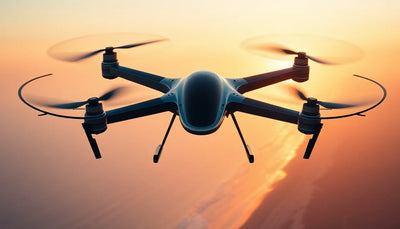
Cleveland Clinic launches long-term drone prescription delivery with Zipline
Cleveland Clinic has launched the first long-term medical drone delivery program by a US health system, partnering with Zipline to serve patients around Cleveland. The move signals growing commercial viability for drone logistics and new fleet demand for operators.

Cleveland Clinic has officially launched the first long-term medical drone delivery program operated by a US health system, partnering with Zipline to bring prescription medications directly to patients around Cleveland. The announcement, reported by DroneDJ on August 4, 2026, marks a significant step beyond the pilot projects and short-term trials that have characterized medical drone delivery in the United States to date. For commercial drone operators, fleet managers, and buyers watching the logistics sector, this is not just a healthcare headline—it is a signal that sustained, high-volume drone delivery is moving from experimental to operational.
The program positions Zipline as the logistics backbone for one of the nation's most respected healthcare providers. While grocery and food delivery by drone has become increasingly ordinary in parts of the country, prescription delivery introduces a different set of operational demands: reliability, temperature sensitivity, traceability, and repeatable daily routes. Cleveland Clinic's commitment to a long-term program rather than a limited pilot suggests that the operational economics and patient demand are strong enough to justify permanent infrastructure. For drone buyers and fleet operators, the question is what this means for the broader market and how to position their own operations accordingly.
The shift from pilot to permanent medical drone operations
The distinction between a pilot program and a long-term operational commitment matters commercially. Pilot programs are often subsidized, tightly scoped, and designed to gather data. A long-term program, by contrast, implies that the service has cleared internal thresholds for reliability, cost, and patient benefit. Cleveland Clinic's decision to formalize its partnership with Zipline suggests that medical drone delivery has reached a level of maturity where healthcare systems can plan around it as a routine service rather than a novelty.
Industrial drone procurement
Source a brand-new industrial drone for this mission.
Discuss mission fit, aircraft model, quantities, configuration, pickup, and lifecycle support with Reboot Hub.

Reboot Hub analysis: For drone operators, this shift has practical implications. Medical delivery routes are typically shorter, more frequent, and more predictable than general cargo operations. They require aircraft that can be maintained on tight schedules, with minimal downtime between sorties. Operators who serve healthcare clients will need to think about fleet redundancy, spare parts availability, and rapid turnaround maintenance. The demand for reliable, inspected pre-owned aircraft as backup or supplementary units is likely to grow as healthcare systems expand their drone logistics footprints.
This is also a moment for repair shops and parts suppliers to pay attention. Long-term medical delivery programs mean aircraft will accumulate flight hours quickly. Components such as motors, propellers, batteries, and sensor modules will need regular replacement. The supply chain for genuine OEM spare parts becomes more critical as operators move from occasional flights to daily scheduled deliveries. Buyers and fleet managers should be evaluating their maintenance partnerships now, before the demand curve steepens.
What this means for enterprise operators
For enterprise operators considering whether to invest in new industrial drone hardware, Cleveland Clinic's program offers a useful reference point. The decision to launch a long-term medical delivery service was not made lightly. It required matching mission requirements to aircraft capabilities, configuring the right quantity of units, and committing to ongoing maintenance and lifecycle support. When a healthcare system of this scale makes that commitment, it validates the operational case for dedicated logistics drones.
Brand-new industrial drone procurement becomes a practical next step when the mission profile is clear and the volume of flights justifies the capital expenditure. Medical delivery routes are a strong fit because they are repeatable, geographically defined, and time-sensitive. If an operator can demonstrate consistent daily demand, the case for purchasing new aircraft with full warranty coverage and manufacturer support is compelling. The same logic applies to operators in other verticals—agriculture, infrastructure inspection, or public safety—where flight patterns are predictable enough to amortize hardware costs over a defined period.
Configuration matters as much as the aircraft itself. Medical delivery requires payload bays or attachment systems designed for secure, temperature-stable transport. Fleet quantity should be sized not just for peak demand but for maintenance rotation, so that aircraft can be pulled from service for scheduled servicing without disrupting delivery commitments. Downtime is the enemy of a long-term delivery contract, and operators should plan for redundancy from day one.
Lifecycle support is another consideration. A long-term program means the aircraft will be in service for years, not months. Operators need access to genuine OEM spare parts and professional repair services that can return aircraft to service quickly. This is where the secondary market also plays a role. For operators who need supplementary capacity or backup aircraft at lower cost, inspected pre-owned DJI drones can serve as reliable additions to a fleet, provided they are sourced from reputable channels and maintained to the same standard as primary units. For teams translating this development into deployment-scale and logistics requirements, Reboot Hub's B2B drone procurement service can help scope configuration, fleet quantity, maintenance planning, and lifecycle support before a quotation.
Implications for the pre-owned DJI market and repair ecosystem
Long-term medical drone delivery programs have a direct effect on the pre-owned drone market. As healthcare systems and their logistics partners scale up operations, they will cycle through aircraft at a predictable rate. Some units will be retired from primary service as they accumulate hours, creating a steady supply of well-maintained, documented aircraft entering the secondary market. For buyers, this is an opportunity to acquire capable platforms at a lower price point, provided the aircraft come with clear maintenance histories and verified component condition.
The repair ecosystem will also see increased demand. Medical delivery drones operate in urban and suburban environments, where the risk of minor collisions, hard landings, and component wear is higher than in open rural operations. Fleet operators will need access to professional DJI repair services that use genuine OEM parts, not aftermarket substitutes. The reliability requirements of prescription delivery leave no room for questionable components or improvised fixes.
For individual drone buyers and small fleet operators, the growth of medical delivery is a double-edged opportunity. On one hand, it expands the overall drone logistics market and normalizes drone delivery in the public eye. On the other, it raises the bar for operational professionalism. Buyers should expect that aircraft coming from medical logistics fleets will be held to higher maintenance standards, which is good news for the quality of the pre-owned supply. Fleet managers should also be aware that as medical delivery expands, competition for skilled repair technicians and genuine OEM parts will intensify.
What should a buyer, pilot, repair customer, or fleet manager do differently after reading this? First, if you are considering entering medical or time-sensitive delivery, evaluate your fleet for redundancy and maintenance capacity before signing any contracts. Second, if you are in the market for additional aircraft, look for units with documented service histories and verified component status—this is where inspected pre-owned DJI drones and professional DJI repair services become relevant operational tools, not just cost-saving measures. Third, if you are a repair customer, establish a relationship with a service provider that stocks genuine OEM spare parts and can guarantee turnaround times, because in a long-term delivery program, every day of downtime is a day of lost revenue.
What this signals for the broader drone logistics market
Cleveland Clinic's program is one data point, but it is a significant one. When a major health system commits to drone delivery as a permanent service, it sends a message to insurers, regulators, and other healthcare providers that the model works. Expect other health systems to evaluate similar partnerships, which will expand the total addressable market for drone logistics services and hardware.
For commercial operators, this means the window for establishing a foothold in medical delivery is open but narrowing. Early entrants will have the advantage of route familiarity, established relationships with healthcare clients, and accumulated operational data. Late entrants will face higher barriers, including more competition for qualified pilots and maintenance staff. The time to build capability is now, whether that means acquiring additional aircraft, upgrading maintenance capacity, or developing the operational procedures that medical delivery demands.
The second-hand market will benefit from this trend in a specific way. As medical delivery fleets mature, they will generate a steady stream of aircraft that are retired from primary service but still have significant useful life remaining. These aircraft, if properly documented and inspected, represent excellent value for operators who do not need the very latest hardware but do need reliable, well-maintained platforms. The key is transparency—buyers should insist on maintenance logs, flight hour records, and component condition reports before purchasing any pre-owned aircraft that has been used in commercial service.
Ultimately, Cleveland Clinic's decision to launch a long-term drone delivery program with Zipline is a validation of the commercial drone logistics model. It demonstrates that drone delivery can meet the rigorous demands of healthcare, which are among the most challenging in the logistics industry. For drone buyers, fleet operators, and repair customers, the message is clear: the market is maturing, the use cases are becoming permanent, and the supporting ecosystem of parts, repair, and pre-owned aircraft will need to scale accordingly.
How does Cleveland Clinic's drone delivery program differ from earlier medical drone trials?
Earlier medical drone trials were typically short-term, limited in scope, and designed to test feasibility. Cleveland Clinic's program is described as the first long-term medical drone delivery program by a US health system, which means it is structured as an ongoing service rather than a temporary pilot, with Zipline as the delivery partner serving patients around Cleveland.
What should fleet operators consider before entering medical drone delivery?
Operators should evaluate fleet redundancy, maintenance capacity, and access to genuine OEM spare parts before committing to medical delivery contracts. Medical routes are frequent and time-sensitive, so downtime directly impacts service reliability. Supplementary aircraft from the inspected pre-owned market can provide backup capacity at lower cost, provided they have documented service histories.
How will long-term medical drone programs affect the pre-owned drone market?
Long-term programs will generate a steady supply of well-maintained aircraft entering the secondary market as fleets cycle through primary service units. This increases the availability of documented, serviceable pre-owned drones, which is positive for buyers seeking reliable platforms at lower price points, provided they verify maintenance records and component condition before purchase.
참고 문헌
- Zipline - DroneDJ - primary source
- DroneDJ - primary reporting source
Reboot Hub 편집팀은 드론 소유자를 위해 구매, 수리, 재판매 및 운영 분석을 제공합니다. 오류를 발견하신 경우, 편집 정책에 따라 수정 검토를 요청해 주시기 바랍니다.