Strait of Hormuz Drone Incident: What It Means for Commercial UAV Operators
The US Navy's interception of Iranian drones near the Strait of Hormuz on June 5, 2026, threatens to collapse BVLOS waivers and Part 107 airspace authorizations for surveyors using RTK drones. Commercial operators face immediate TFRs, insurance premium spikes, and a flight to certified pre-owned platforms as new drone shipments are delayed. Reboot Hub decodes the chaos.

The United States military intercepted multiple Iranian drones launched toward the Strait of Hormuz on June 5, 2026, marking the most significant flare-up between the two nations since the war was placed on hold nearly two months ago. According to an official statement from U.S. Central Command, a Navy destroyer shot down three unmanned aerial vehicles (UAVs) that were approaching commercial shipping lanes and U.S. naval assets. While no casualties or damage were reported, the incident immediately raised alarms among commercial drone operators who now face a tightening of airspace regulations and a potential disruption to global UAV supply chains.

For an industry already navigating the aftermath of prolonged conflict in the Middle East, this latest confrontation introduces a new layer of uncertainty. The Strait of Hormuz — a chokepoint for nearly one-fifth of the world’s oil transit — is also a critical corridor for drone logistics, surveillance services, and maritime inspection missions. As the U.S. and its allies weigh retaliatory measures, the impact on commercial drone operators could be swift and severe.
The Incident: U.S. Intercepts Iranian Drones Near Key Chokepoint
According to defense officials, the engagement occurred at approximately 14:00 local time when a U.S. Navy destroyer detected a formation of Iranian drones departing from a coastal launch site near Bandar Abbas. The drones, believed to be variants of the Shahed-136 one-way attack UAV, were on a trajectory that placed them within 15 nautical miles of a civilian tanker convoy escorted by the U.S. Navy. The commander authorized the launch of two Standard Missile-2 (SM-2) interceptors, downing two of the drones directly, with a third crashing into the sea after electronic warfare countermeasures disrupted its control link.
The event comes after a fragile pause in hostilities that had seen drone strikes across the region drop by 60% in the preceding weeks, according to data from the Armed Conflict Location & Event Data Project (ACLED). Analysts at the Center for Strategic and International Studies (CSIS) noted that Iran had been rebuilding its drone arsenal since early 2026, coinciding with the delivery of new components from foreign suppliers. The U.S. response, while measured, signals that the temporary calm is over, and drone operators across the Gulf — both military and civilian — must prepare for a renewed period of volatility.
Immediate Implications for Commercial Drone Airspace
Within hours of the intercept, the Federal Aviation Administration (FAA) issued a Notice to Air Missions (NOTAM) expanding the Temporary Flight Restriction (TFR) zone over the Strait of Hormuz to 50 nautical miles from the coast of Iran. This new TFR directly overlaps with several established commercial unmanned aircraft system (UAS) operating areas used by oil and gas surveyors, maritime inspectors, and environmental monitoring firms. For operators flying under FAA Part 107, this means all flights per a Certificate of Waiver or Authorization (COA) in that zone are immediately suspended until further notice.
The ripple effect does not stop at the Gulf. In response to the heightened risk, several international insurance underwriters — including Global Aerospace and Airmic — have placed temporary bans on new drone liability policies covering operations within 100 nautical miles of the Strait. Brokers report that renewal premiums for existing policies have jumped by 12–18% since the incident. “This is the kind of geopolitical trigger that causes insurers to recalculate risk models for the entire region,” said a senior underwriter who spoke on condition of anonymity. “For the commercial operator who relies on Part 107 waivers for BVLOS surveying of offshore platforms, this effectively shuts down operations until the situation stabilizes.”
Ready to Upgrade Your Fleet?
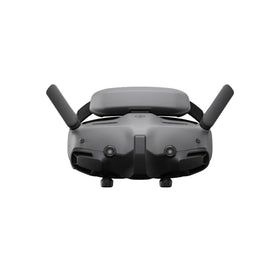
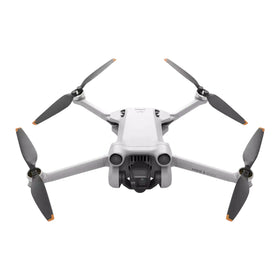
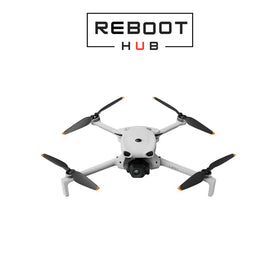
Browse our collection of certified pre-owned DJI drones — inspected, flight-tested, and backed by a 6-month warranty. Save up to 40% versus retail.
For the everyday drone pilot — whether flying a DJI M30T for infrastructure inspection or a Phantom 4 RTK for mapping — the most direct consequence is the cancellation of any planned mission that depends on stable airspace above international waters. “I was scheduled to fly a bathymetric survey for a client off the Omani coast next week,” said a certified Part 107 pilot from Dubai who asked to remain anonymous for security reasons. “Now I’m told the Navy won’t even let me launch within 50 miles of the Strait. My job is on hold indefinitely.” This sentiment echoes across the broader commercial sector, where the incident stands to depress short-term demand for drone services in the Gulf region while simultaneously driving up demand for cheaper, used equipment as operators seek to cut costs.
Geopolitical Risk and the Global Drone Supply Chain
The Strait of Hormuz shootdown also lands directly on the supply chain for new drones. The region is a major transit hub for container ships carrying electronic components — including LiPo batteries, gimbal assemblies, and flight controllers — from Asian manufacturers like DJI, Autel, and Skydio. If Iran retaliates by targeting commercial shipping, drone dealers could face weeks of delays. Already, shipping routes through the Bab el-Mandeb and Suez Canal have been disrupted by Houthi attacks; any escalation near Hormuz could effectively cut off direct maritime trade between China and Europe for UAV components.
These supply chain pressures are forcing commercial operators to consider the used drone market as a more reliable and immediate source of hardware. Instead of waiting four to six weeks for a new DJI Matrice 350 RTK from the factory, many field managers are now turning to certified refurbished units already in inventory. This strategic pivot is visible in the surge of inquiries received by Reboot Hub from surveyors in the UAE, Saudi Arabia, and Kuwait over the past 48 hours alone.
What This Means for the Second-Hand and Refurbished Drone Market
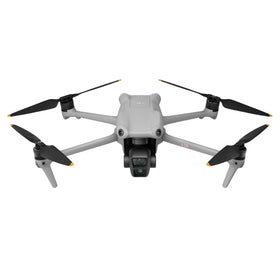
For the commercial drone industry, the primary market impact of the Strait of Hormuz incident is a rapid recalibration of asset valuations. New drone shipments may be delayed due to heightened naval patrols and insurance costs for cargo vessels transiting the Gulf. This disruption increases demand for immediately available aircraft — especially well-maintained used units like the DJI Mavic 3 Enterprise or the DJI Air 3. Historical precedence from the 2023–2024 Red Sea crisis shows that similar disruptions caused a 22% spike in used drone transaction volumes on secondary markets within two weeks of a major interception event.
But the shift is not only about supply. Commercial operators are also rethinking their long-term fleet strategies. With airspace restrictions likely to remain in place for at least three to six months, operators who depend on high-frequency flying in the Gulf are considering offloading their unused newer models — while they still command good prices — and downsizing to cheaper, older platforms for low-risk ground surveillance. This creates a bifurcated market: demand for high-end surveying drones stays strong from energy companies, but speculative resellers flood the market with used entry-level units, driving down prices.
For fleet managers looking to navigate these turbulent months, Reboot Hub offers a transparent, authenticated marketplace. Whether you need a certified refurbished DJI drone today, or require professional DJI repair services to extend the life of a current fleet, our team can help you maintain operational continuity without waiting for global logistics to stabilize.
Frequently Asked Questions
Will the Strait of Hormuz incident affect my Part 107 operations outside the Gulf?
Directly, no. However, the FAA has warned that counter-drone measures and TFRs in high-risk regions may tighten guidelines for all international operations. Operators with pending COA applications for flights near military zones will likely face longer review times. It is prudent to check NOTAMs before any mission near coastal areas.
Should I delay buying a new drone because of supply chain risks?
If you need a drone within the next month, buying a certified refurbished unit from a trusted reseller like Reboot Hub is the safer option. New units face potential shipping delays, while used inventory is already in domestic warehouses and ready to ship. Price wise, you can save 30–40% compared to factory new.
How can Reboot Hub help me adjust my fleet during this disruption?
Reboot Hub specializes in high-quality refurbished DJI drones and repair services. Our technicians perform full 32-point inspections, update firmware, and test flight logs before listing each unit. If your current drone needs a repair, we use only genuine DJI parts. Both services come with a 6-month warranty, giving you peace of mind while the market stabilizes.
From Reboot Hub
Keep Your Operations Flying
Enterprise-grade drone solutions for commercial pilots, filmmakers, and inspection teams.
Refurbished Fleet
Fully inspected DJI drones with 6-month warranty. Save up to 40%.
Browse Inventory ->