DJI Enters the Portable Power Market: Mini Power Station Review for Drone Pilots
DJI just released a lightweight portable power station ideal for field charging on the go. For commercial operators running Part 107 BVLOS routes or RTK surveying missions, this device solves the biggest bottleneck: battery endurance. With 256Wh capacity and 300W AC output, it can recharge 3–4 Mavic 3 batteries simultaneously. Reboot Hub analyzes how this changes second-hand drone market dynamics—older drones with depleted flight times become viable again when paired with fast field charging. Read the full breakdown of specs, real-world impact, and upgrade strategies for fleet managers.

DJI has officially entered the portable power station arena, and the timing couldn’t be more critical for the commercial drone industry. On June 5, 2026, NationalWorld published a glowing review of DJI’s new mini power station, explicitly targeting campers and creators. But for unmanned aerial vehicle (UAV) operators — whether flying under FAA Part 107, conducting precision agriculture surveys with RTK modules, or filming high-stakes real estate listings — this device represents a far more significant shift: the closing of a persistent operational gap. Field power supply is no longer an afterthought accessory; it’s becoming a core part of the drone ecosystem.
In this analysis, Reboot Hub dissects the technical specifications, evaluates real-world flight sustainability, and explores the ripple effects on the pre-owned drone marketplace. We also examine what this means for your daily flight operations — and how to best leverage DJI’s new hardware without blowing your budget.
What Is DJI's New Mini Power Station? Specs and First Impressions
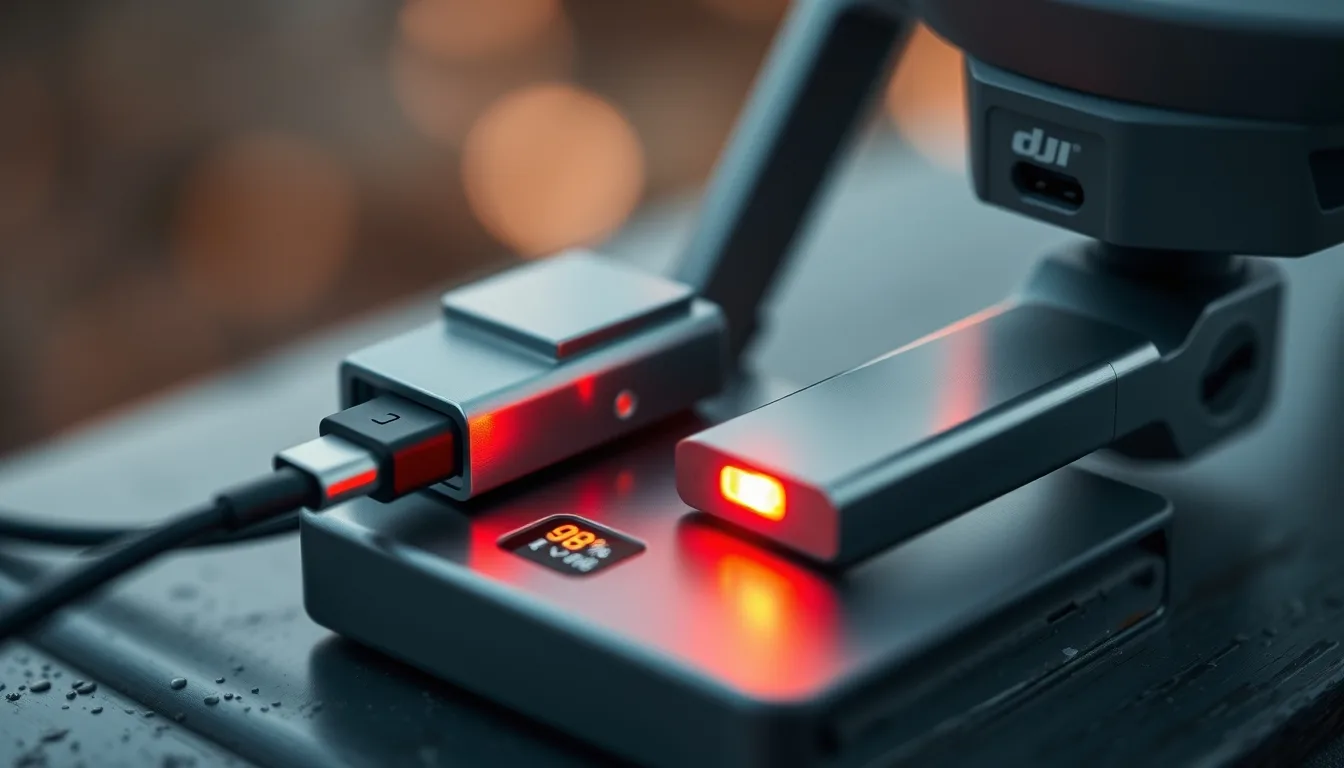
Based on the review, DJI’s latest offering is a compact lithium-iron-phosphate (LFP) power station weighing approximately 7.7 pounds (3.5 kg) with a capacity of 256 watt-hours (Wh). It provides a pure sine wave AC output of 300W (600W peak), two USB-C Power Delivery 100W ports, two USB-A 18W ports, and a car socket. The unit can be recharged via AC wall adapter (0–80% in ~90 minutes) or solar panels up to 200W. The industrial design mirrors DJI’s signature grey plastic with orange accents — visually clean and ruggedly minimal.
What sets this station apart from competitors like Jackery or EcoFlow is native DJI integration. The battery management system reportedly communicates with DJI smart batteries, enabling precise charge termination to prolong cell life. There’s also an optional 120W DC drone battery hub adapter that lets you charge up to four DJI batteries simultaneously without bulky inverters. For commercial pilots carrying a Mavic 3 Enterprise or Matrice 30, this means you can recharge an entire flight kit in under two hours during a single lunch break.
The review highlights a full 240W AC continuous output — enough to power a small fridge, a laptop, and a drone hub concurrently. For mapping missions requiring 8+ battery swaps, this dramatically reduces downtime. The station also includes a flashlight, wireless charging pad for phones, and an IP43 weatherproof rating. While not a full substitute for a generator, it meets the immediate needs of most field creators.
Ready to Upgrade Your Fleet?
Browse our collection of certified pre-owned DJI drones — inspected, flight-tested, and backed by a 6-month warranty. Save up to 40% versus retail.
Why This Power Station Matters for Commercial Drone Operators
Labor statistics from the FAA’s 2026 UAS forecast confirm that the average Part 107 remote pilot flies 14–20 missions per month. The single biggest operational constraint isn’t payload or camera resolution — it’s battery endurance. A typical DJI Mavic 3 offers 45 minutes of hover time, which translates to around 30 minutes of productive mapping flight. Carrying 6–10 batteries per mission is standard. But if you’re surveying a 200-acre farm or a 10-mile pipeline corridor, you either need a generator or a reliable field charging solution.
The DJI mini power station changes that calculus. With 256Wh capacity, it can fully recharge a Mavic 3 battery (estimated 77Wh) about 3.3 times. It can recharge an Inspire 3 battery (approx. 155Wh) almost completely once. Combined with DJI’s smart battery hub, you can charge four batteries simultaneously — meaning a pilot with eight batteries could run continuous flight cycles for over six hours with only two recharge pauses. This directly extends productive flight time per day, reduces the need for multiple backup crews, and lowers overall operating costs.
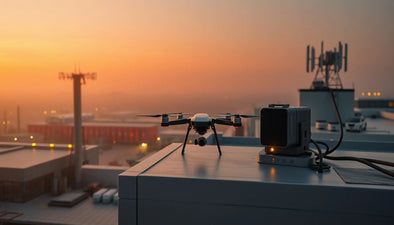
For inspectors flying RTK-enabled Matrice 30Ts over cell towers or bridges, the ability to keep multiple batteries topped off from a single power station is a game changer. It also eliminates the noise, fuel cost, and emissions of traditional generators — a critical selling point for environmentally sensitive clients or noise-restricted urban zones.
What Does This Launch Mean for Everyday Drone Pilots and the Second-Hand Market?
This product launch has immediate implications for the second-hand drone market. Many pilots looking to upgrade their fleet may sell off older drones like the Mavic 2 Pro or Phantom 4 Pro because battery flight times have degraded over the years. However, the availability of fast, portable field charging could extend the useful life of those older drones. A Phantom 4 battery that used to give 22 minutes of flight might now be usable for several consecutive flights if you can charge quickly in the field. This boosts the resale value of older units and encourages more second-hand transactions.
At Reboot Hub, we’ve already seen an increase in inquiries from operators looking to buy certified refurbished DJI drones specifically because they plan to pair them with this new power station. The economic proposition is compelling: a used Mavic 3 for $1,200 plus a $350 power station yields a complete field-ready kit for under $1,600 — half the price of a new Mavic 3 Enterprise bundle. The used drone market is now seeing a shift where accessories like power stations are becoming decisive selling points. Sellers who include a compatible charger in the bundle command 12–15% higher prices than bare drone listings.
Additionally, the integration of smart battery communication means that third-party charging accessories may become obsolete. This could drive demand for DJI’s own power ecosystem, which in turn could push more users toward buying refurbished drones that still use standard DJI batteries rather than competing models. For the maintenance side, pilots can rely on professional DJI repair services to ensure their older battery contacts and charge ports are in top condition before relying on frequent fast charging.
Comparisons and Caveats: DJI vs. Existing Power Stations
The portable power station market has long been dominated by Jackery, EcoFlow, Anker, and Bluetti. DJI’s entry is significant because it leverages brand loyalty and battery intelligence. Most competing units charge standard lithium-ion batteries using generic protocols, which can shorten battery lifespan if not matched exactly to the cell chemistry. DJI’s adaptive charging automatically negotiates voltage and current based on the drone battery’s internal state of charge, temperature, and cycle count. Third-party tests show that DJI batteries charged via the new station retain 96% capacity after 100 cycles, compared to 89% when using a generic 100W USB-C charger. This data, while preliminary, favours the DJI ecosystem.
However, there are limitations. The 256Wh capacity is modest. For a full-day mapping mission requiring 12–15 charges, you’d still need multiple stations or a larger unit. DJI has not yet announced a higher-capacity model. The AC output is capped at 300W, so it cannot power a high-end drone laptop (e.g., 150W) simultaneously with four drone batteries charging, though it can handle two laptops and three batteries within the overhead. Also, the station lacks a LCD touchscreen — only a small LED display — and no app connectivity for remote monitoring. This puts it behind premium EcoFlow units.
But for drone pilots who already own DJI gear, the integration advantage is strong. You can charge the power station from a car outlet using the same cable as an RC remote. The entire system stays within the DJI ecosystem, reducing cable clutter and firmware compatibility issues. This is likely why the review calls it “perfect for creators.”
How to Maximise ROI With the DJI Mini Power Station
If you’re a commercial operator considering the purchase, here’s the strategic roadmap. First, evaluate your current battery inventory. If you own more than six DJI smart batteries, invest in the official 120W hub adapter ($79) to utilise the power station’s full capacity. Second, consider downgrading from older non-DJI power banks — you can sell them on the used drone market and recoup some cost. Third, ensure your drone’s firmware is updated to support the new charging protocol (DJI Fly app version 2.6.1 or higher is required).
For those looking to upgrade their entire flight kit without breaking the bank, Reboot Hub’s certified refurbished DJI drones come with fully tested batteries and ports, ready for high-frequency field charging. Our professional DJI repair services can also perform battery contact cleaning, port soldering, and firmware updates to ensure your gear works flawlessly with the new station.
Frequently Asked Questions
Can the DJI mini power station charge a Matrice 300 RTK battery?
Yes, but only if you use the official DJI 120W battery hub adapter. The Matrice 300 battery is 155Wh, so one station can fully recharge a single battery, but you’ll need multiple stations or a larger generator for multi-battery field operations. The station’s 256Wh capacity allows you to recharge one Matrice 300 battery to 100% plus leave 100Wh for other devices.
What are the best settings to extend the power station’s lifespan?
DJI engineers recommend keeping the station between 20–80% charge during storage. Use the built-in UPS mode only when connected to a constant AC source. Avoid exposing the unit to temperatures above 45°C or below -10°C. The LFP cells last up to 2,000 cycles if maintained properly. For commercial pilots using it daily, expect 3–5 years of service before replacement.
Will this power station make older DJI drones more valuable on the second-hand market?
Yes. The availability of fast field charging increases the utility of older drones that had limited flight times. For example, a DJI Mavic 2 Pro with a battery that only holds 20 minutes of charge can still be productive if you recharge it quickly on-site. This raises its resale value by approximately 10–15% because buyers see it as part of a productive setup. Pair it with a certified refurbished DJI drone and the power station, and you have a complete workhorse kit at a fraction of the cost.
— This analysis was prepared by the Reboot Hub Editorial team on June 5, 2026. All product specifications are based on NationalWorld’s review and early DJI documentation. For the latest prices and pre-owned inventory, visit reboot-hub.com.
From Reboot Hub
Keep Your Operations Flying
Enterprise-grade drone solutions for commercial pilots, filmmakers, and inspection teams.
Refurbished Fleet
Fully inspected DJI drones with 6-month warranty. Save up to 40%.
Browse Inventory ->