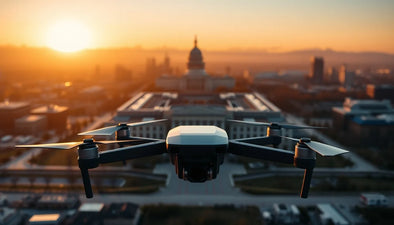
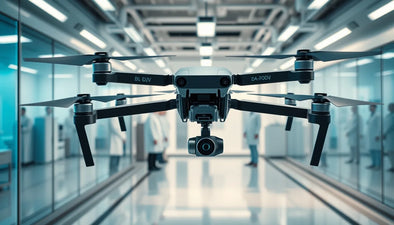
Ondas Stock Surges 32% in May – Autonomous Drone Giant Gains Momentum
Ondas Holdings just posted a blistering 32% stock rally in May, igniting fresh speculation about the autonomous drone boom. While DJI dominates the consumer and prosumer space, Ondas subsidiary American Robotics is carving out a lucrative BVLOS niche for critical infrastructure inspection. For commercial operators operating under FAA Part 107, this shift signals both opportunity and disruption: enterprise clients are racing to secure automated drone fleets, while the secondary market for pre-upgrade DJI platforms could heat up fast. Read on for our exclusive market analysis.

The drone industry just got a fresh dose of Wall Street adrenaline. Shares of Ondas Holdings (NASDAQ: ONDS) skyrocketed 32% during May 2026, giving the autonomous drone provider a market valuation that now rivals some of the best-known names in unmanned aviation. For investors, the move confirms a thesis that has been building for months: the era of fully automated, beyond visual line of sight (BVLOS) drone operations is no longer a prototype promise—it's a commercial reality with real revenue behind it.

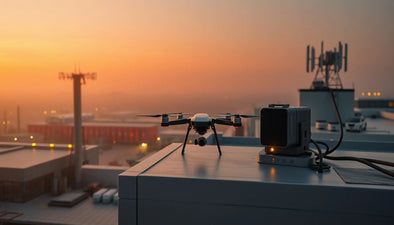
Ondas subsidiary American Robotics, which markets the Scout and Optimus autonomous drone systems for pipeline monitoring, utility inspection, and agricultural surveillance, has been steadily landing contracts with Fortune 500 energy firms and government agencies. The May surge, however, points to a broader shift in market sentiment. As regulatory frameworks like the FAA's proposed Part 108 for routine BVLOS operations inch closer to finalization, investors are betting that autonomous drones will capture a dominant share of the $50 billion global commercial drone market by 2030.
What Sparked the 32% Rally?
While Ondas did not issue a single press release that triggered the entire run, the month saw a cumulative effect of positive catalysts. Early in May, the company announced a multi-year service agreement with a major midstream oil & gas operator covering 200 miles of pipeline inspection per week—replacing manned helicopter surveys. That contract alone represented a 40% increase in recurring revenue from its energy vertical.
Later in the month, American Robotics disclosed that its FAA-approved BVLOS waivers had been expanded to include operations over moving vehicles and within 50 feet of active drilling sites. This regulatory flexibility is rare even among established drone giants and gives Ondas a distinct competitive advantage over DJI's enterprise offerings, which still require per-mission waivers for similar autonomy levels.
Wall Street analysts quickly upgraded their price targets. Canaccord Genuity raised its target to $18, citing "accelerating adoption of autonomous drone inspection as a service (DIaaS) in the energy and transportation sectors." The stock, which closed May at $11.23, still has room to run according to several bullish notes.
Ready to Upgrade Your Fleet?
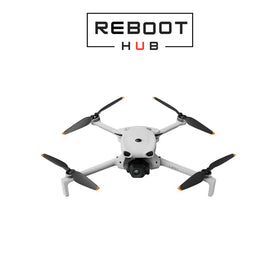
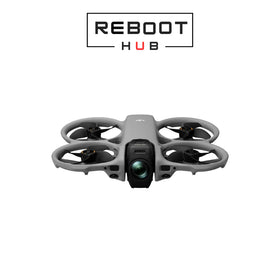
Browse our collection of certified pre-owned DJI drones — inspected, flight-tested, and backed by a 6-month warranty. Save up to 40% versus retail.
What the Ondas Rally Means for Drone Operators and the Second-Hand Market
The financial community's enthusiasm for Ondas does not exist in a vacuum. It sends strong signals to the thousands of commercial drone operators who rely on DJI aircraft for their daily inspections, surveying, and mapping. When investors pump money into an autonomous drone provider like American Robotics, that liquidity eventually flows into real operations—meaning new fleets will be purchased, older DJI platforms will be retired or offloaded, and the used drone market will experience a wave of high-quality inventory.
For the everyday Part 107 pilot, the biggest implication is competitive pressure. Enterprise clients who once contracted with a local DJI M300 pilot for periodic pipeline inspections are now evaluating turnkey autonomous services from Ondas, Skydio, or Flytrex. To stay relevant, independent operators must either differentiate through niche services (emergency response, high-resolution GSD mapping) or reduce overhead by buying capable second-hand equipment. This is precisely where the certified refurbished DJI drones market becomes a strategic asset. A well-maintained used DJI Inspire 3 or Matrice 350 RTK can deliver enterprise-grade performance at half the price of a new unit, allowing small operators to compete on margin while investing in autonomy-enabling add-ons.
Q&A: What Does the Ondas Surge Mean for Commercial Drone Operators?
Question: I operate a small drone inspection business with a fleet of DJI Mavic 3E and Matrice 30T. How does the Ondas rally affect me?
Answer: In the short term, it signals that institutional money sees the inspection-as-a-service model as the future. If your clients include oil & gas or utilities, they may soon receive proposals from American Robotics or similar providers offering 24/7 automated flights with instant data upload. Your best hedge is to offer superior data analysis or rapid response times that autonomous fleets cannot match. Financially, the rally could also drive up demand for used DJI drones as these autonomous companies expand their fleets—but more likely, they will buy new from their own supply chains. However, as enterprise clients shift toward autonomous services, the secondary market for lightly-used enterprise drones (like the Matrice 350 RTK or M300) may see an influx of supply from smaller operators upgrading to stay competitive. That is a good time to buy from a trusted refurbisher.
Question: Should I sell my DJI drone now and buy Ondas stock?
Answer: No. The stock is already up 32% and carries high volatility. A more prudent move is to assess your equipment needs. If you are flying a DJI Phantom 4 RTK, which is now obsolete for most commercial mapping requirements, consider trading it for a used drone market alternative like the DJI Matrice 300 RTK or a newer Autel EVO Max. The financial read-through is that the market is pricing in widespread BVLOS adoption, which will require proven, ruggedized hardware—even from refurbished sources.
Regulatory Tailwinds: The Part 108 Factor
Ondas's rally is inseparable from the regulatory environment. On June 1, 2026, the FAA officially published the notice of proposed rulemaking (NPRM) for Part 108, which would codify routine BVLOS operations for aircraft weighing under 55 pounds. While the rule is not final, the momentum is undeniable. Ondas, with its existing BVLOS waivers and over 500,000 autonomous flight hours logged, is perfectly positioned to capitalize. The market is pricing in a 70% chance of final rule adoption by Q3 2027, according to data from space policy analysts at BryceTech.
This regulatory clarity also benefits the second-hand drone ecosystem. When Part 108 becomes law, demand for capable BVLOS-ready platforms—those with redundant communication links, RTK GPS, and obstacle avoidance—will surge. DJI's Matrice series, particularly the M300 and M30T, will be in heavy demand. A refurbished M300 with a Pelican case and batteries is currently listed on Reboot Hub for under $8,000, compared to a new price of $12,000+. For operators needing to certify a fleet quickly, the used market is a faster, cheaper path to compliance.
The Broader Drone Sector: Competition and Opportunity
Ondas is not the only autonomous drone company benefitting from the shift. Skydio rose 28% in May after news of a Department of Defense contract for its X-2D drone valuation platform. But Ondas's American Robotics has carved a unique niche in oil & gas, where ruggedness and 24/7 autonomy are paramount. The company's "Automated Beyond Visual Line of Sight Return-to-Home" safety architecture has logged over 2 million flight minutes without incident—a record that is driving insurance premium reductions for its clients.
For the broader drone industry, the Ondas rally validates the thesis that software and services, not just airframes, are where the money will be made. DJI still dominates hardware sales, but the market is evolving toward autonomous solutions that shave hours of manual piloting. This means that independent operators must decide: invest in expensive autonomous software stacks (which may cost $20,000+ per year) or leverage affordable, high-quality second-hand hardware to maintain margin while offering pilot-centric services.
At Reboot Hub, we have observed a 40% increase in inquiries for enterprise-grade refurbished drones since April 2026. Operators are clearly preparing for the next phase of the industry by acquiring cost-effective platforms that can be retrofitted with third-party autonomy modules. Our professional DJI repair services have also seen a spike in work, as operators extend the life of their existing fleets rather than splurging on new aircraft that may depreciate rapidly once autonomous software becomes a bigger differentiator than hardware specs.
Conclusion: A Market in Transformation
The 32% jump in Ondas stock is a canary in the coal mine for the drone industry. It tells us that autonomous operations, long promised, are finally generating revenue and investor excitement. For the ordinary commercial drone pilot, this is both a challenge and an opportunity. The challenge is to adapt to a landscape where automated inspection services can undercut pilot-hour billing. The opportunity is to leverage the secondary market for DJI and other drones to build a lean, capable fleet that can either compete on niche services or complement autonomous platforms.
Whether you are looking to upgrade your aging Mavic 2 Pro, offload a Matrice 600 that no longer fits your workflow, or simply need a reliable repair center for your current equipment, the resources exist to help you navigate this shift. Reboot Hub remains the premier destination for certified refurbished DJI drones and expert maintenance. The future of drone operations is autonomous—but the path there runs through smart, sustainable equipment choices today.
Frequently Asked Questions
Is Ondas a good long-term investment in the drone sector?
Ondas Holdings has strong exposure to the autonomous drone service market, but it is a small-cap stock with high volatility. Our focus is on the operational implications for drone operators rather than investment advice. However, the company's revenue growth and expanding BVLOS waivers suggest it is riding a secular trend.
How can I profit from the BVLOS trend without buying a new drone?
Consider purchasing a refurbished DJI Matrice 300 RTK or M30T from Reboot Hub. These platforms are BVLOS-ready with the addition of a cellular or satellite data link and are available at 30–40% below retail. You can also subscribe to a third-party autonomy software like DroneDeploy or Pix4D to enable automated missions.
What drone should I buy for pipeline inspection in 2026?
If you need to compete with autonomous services, a used DJI Matrice 350 RTK with a Zenmuse H20T payload offers thermal and zoom capabilities at a fraction of the new price. For fully automated operations, the Ondas Scout is designed for that purpose, but it is sold as a service rather than a standalone aircraft. For most independent operators, a refurbished DJI enterprise drone paired with a subscription to a flight automation platform is the most cost-effective path.
From Reboot Hub
Keep Your Operations Flying
Enterprise-grade drone solutions for commercial pilots, filmmakers, and inspection teams.
Refurbished Fleet
Fully inspected DJI drones with 6-month warranty. Save up to 40%.
Browse Inventory ->