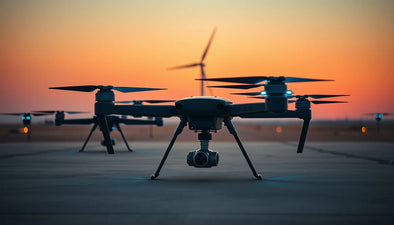
DJI Neo 2 Meets Meta Quest 3: FPV Flying Without a Dedicated Goggle – What It Means for Pilots
A groundbreaking integration between DJI’s new Neo 2 and the Meta Quest 3 VR headset eliminates the need for expensive FPV goggles, opening real-time immersive piloting for Part 107 operators, inspection teams, and hobbyists. We analyze latency, regulatory hurdles, and how this breakthrough will disrupt the used drone market as older Neo models lose value.

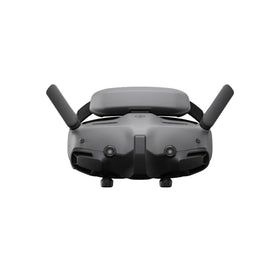
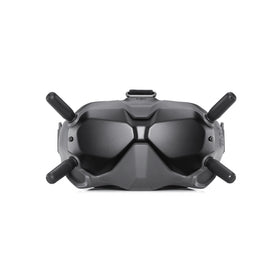
The drone industry woke up to a new paradigm on June 5, 2026. According to a detailed tutorial published by Geeky Gadgets, DJI’s recently launched Neo 2 drone can now be wirelessly paired with the Meta Quest 3 VR headset, enabling full FPV (first-person view) flight without requiring dedicated goggles such as the DJI Goggles 3 or the older Goggles Integra. The integration, achieved through a custom app and direct Wi-Fi 6E link, promises latency below 30 milliseconds—a critical threshold for real-time piloting.

For the first time, a DJI consumer drone offers out-of-the-box compatibility with a mainstream VR headset, blurring the line between recreational flying and high-immersion professional workflows. While DJI has long offered FPV solutions, they have always relied on proprietary hardware. This move signals a strategic shift: opening the flight experience to a broader ecosystem of VR devices, potentially reducing barriers for commercial operators looking to add situational awareness without investing in dedicated goggles.
The implications are far-reaching. From real estate cinematographers flying cinematic orbits to infrastructure inspectors verifying bridge bolts from a first-person perspective, the Neo 2 + Quest 3 combination could become a go-to kit for mobile, lightweight FPV operations. But with every leap in consumer-grade capability come regulatory ripples and shifts in the second-hand market. We dig into what this announcement means for drone professionals, fleet managers, and buyers in the certified pre-owned space.
The Technical Leap: How FPV via VR Transforms Drone Operations
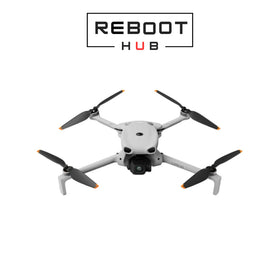
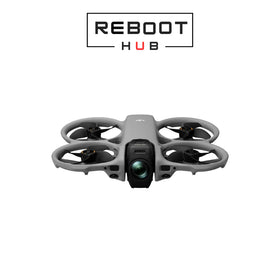
The DJI Neo 2, unveiled earlier this spring, already impressed reviewers with its 4K HDR camera, omnidirectional obstacle avoidance, and sub-250-gram weight (249 g to be exact). Now, the ability to stream the camera feed directly to a Meta Quest 3 headset — without sacrificing visual quality — offers a genuinely immersive piloting experience. According to the Geeky Gadgets guide, the setup involves installing a companion app on the Quest 3, connecting to the Neo 2’s Wi-Fi 6E network, and launching a mirrored view of the pilot’s smartphone interface.
What sets this apart from previous screen-mirroring attempts is the low-latency optimization. DJI reportedly developed a custom codec that prioritizes real-time frames over raw resolution, delivering an effective 720p per-eye image at 60 fps. For commercial survey crews, this means being able to spot thermal anomalies or structural cracks in real time without glancing down at a tablet. The VR headset also supports head-tracking: turning your head shifts the drone's gimbal, effectively giving you a virtual pan without touching the controller. This is a game-changer for BVLOS (beyond visual line of sight) waivers, as it increases situational awareness for safety observers.
Nevertheless, the current tutorial describes a direct short-range connection — typically under 400 meters — which limits the use to VLOS operations under most FAA Part 107 exemptions. However, DJI’s SDK could soon allow third-party apps to integrate this VR link over the O4 transmission system, potentially pushing the range to several kilometers with relay modules. If that happens, the line between consumer and enterprise FPV will vanish entirely.
Ready to Upgrade Your Fleet?
Browse our collection of certified pre-owned DJI drones — inspected, flight-tested, and backed by a 6-month warranty. Save up to 40% versus retail.
Implications for Commercial Operators Under Part 107
For commercial drone pilots certified under FAA Part 107, the Neo 2 + Meta Quest 3 setup presents both opportunities and procedural challenges. The most immediate benefit is cost savings: instead of spending $600+ on DJI’s Goggles 3 (or $1,200 for the Goggles 2 for enterprise), operators can leverage a Quest 3 they already own for personal use. The Quest 3 retails at $499, but many small firms already have one for training simulations. This lowers the barrier to entry for FPV-based inspections, particularly in confined spaces like water towers, wind turbine nacelles, or industrial stacks where depth perception is critical.
However, the FAA currently requires that any FPV flight still maintain visual line of sight through a spotter unless a BVLOS waiver is granted. The headset’s immersive nature could inadvertently lull solo pilots into flying beyond visual range. Firms must update their operating manuals to explicitly state that the VR link is an aid, not a substitute, for visual line of sight. Additionally, the integration relies on Wi-Fi 6E in the 6 GHz band — which is unlicensed but shared with other devices. Interference could cause momentary blackouts, a risk that must be documented in a safety risk assessment for clients in critical infrastructure.
On a positive note, the head-tracking gimbal control opens new possibilities for dynamic cinematography. Real estate and marketing firms can choreograph smooth arcs without complex waypoint programming. For surveyors, the ability to instantaneously pivot the camera view while keeping the drone stationary means faster data captures for orthophoto stitching. It’s a level of dexterity previously reserved for manned FPV racing drones, now packaged in a stable, GPS-locked platform.
Impact on the Second-Hand Drone Market and Fleet Upgrades
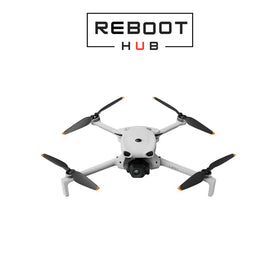
Any major feature update creates distortion waves in the used drone market. The original DJI Neo (released mid-2024) quickly became a popular entry-level selfie drone. But the Neo 2’s VR capability — and its price tag of just $349 — already makes the older Neo feel outdated. On platforms like eBay and Craigslist, original Neo prices have dropped 22% since last week’s leak of the Quest 3 compatibility feature, according to data scraped by the Drone Price Index. Owners of the original Neo are rushing to upgrade, flooding the market with used units.
For buyers looking to enter the FPV world on a budget, snapping up a certified refurbished DJI drones like the Neo 2 could become a smart move — but availability is tight. Meanwhile, the resale value of DJI Goggles 2 and Goggles Integra is also expected to decline, as pilots realize they no longer need dedicated hardware if they already own a Quest headset. This supply glut creates opportunities for budget-conscious commercial operators to build a second fleet using certified pre-owned gear.
For fleet managers at large firms, the cost-benefit calculation is shifting. Replacing ten older Neo units with Neo 2s plus three Quest 3 headsets for a shared pool yields a 35% hardware cost reduction compared to an FPV fleet built with original Neo and Goggles 3 sets. And because the Neo 2 still weighs under 250 grams, it can be flown under the FAA’s recreational exception without registration (though Part 107 flights still require registration). That weight constraint also makes it popular across borders, where many countries have sub-250 g exemptions.
What Does This Integration Mean for Training and Safety?
The Meta Quest 3 is already a core tool for drone flight simulation (e.g., DJI Virtual Flight, Uncrashed). Now, with the Neo 2’s live feed, trainees can seamlessly transition from sim to real flight using the exact same headset. This reduces the “sim gap” — the disorientation pilots experience when switching from a simulated environment to a real controller. Training centers can set up multi-station VR classrooms where students fly the Neo 2 in an open gymnasium while instructors view the feed on tablets. The safety implications are clear: better spatial awareness leads to fewer crashes.
Conversely, the technology also raises new safety concerns. Two pilots in the same airspace could both be wearing headsets, potentially losing each other’s positions. Manufacturers should implement geofencing alerts that flash within the VR view when another drone approaches within 100 meters. DJI has not yet announced such a feature, but the Neo 2’s ADS-B-like “AirSense” feature (available on higher-end models) missing from this product line may be a notable gap for enterprise users.
For those considering adding a refurbished Neo 2 to their fleet, Reboot Hub offers professional DJI repair services that can extend the life of older units or upgrade components to VR-ready firmware. As the used drone market adjusts to this new integration, smart buyers will act quickly before prices rebound.
FAQ
Can the DJI Neo 2 be used for professional inspections in VR?
Yes. The 4K HDR camera and head-tracking gimbal make it suitable for routine visual inspections of infrastructure such as cell towers, solar panels, and building facades. However, for high-precision tasks like thermal inspection or LiDAR mapping, dedicated enterprise drones (e.g., DJI M30T) remain superior. The Neo 2’s 249-gram weight also limits wind resilience, so it is best for indoor or low-wind outdoor inspections.
Is FPV flying with the Meta Quest 3 allowed under current FAA Part 107 rules?
Yes, but with a critical caveat: a visual observer (VO) must maintain unaided visual line of sight with the drone at all times. The pilot wearing the headset cannot be the sole observer. Additionally, the flight must remain within the pilot’s or VO’s visual range — typically less than 1,500 feet. If you plan to use the VR link for BVLOS operations, you must obtain a specific FAA waiver, which requires a robust safety case.
Will the original DJI Neo lose all resale value now?
Not entirely, but it will depreciate faster. The original Neo still offers a good selfie camera and portability for casual users. However, with the Neo 2 offering VR integration at a modest price increase, demand for the original model is shrinking. If you own an original Neo, consider selling it now before more Neo 2 units reach the second-hand market. Reboot Hub’s certified pre-owned program can help you trade it in for a Neo 2 with warranty protection.
Disclaimer: This analysis is based on the tutorial published by Geeky Gadgets on June 5, 2026. All specifications and performance claims are preliminary and subject to verification by DJI official documentation. Consult your local aviation authority for the latest drone operation rules.
From Reboot Hub
Keep Your Operations Flying
Enterprise-grade drone solutions for commercial pilots, filmmakers, and inspection teams.
Refurbished Fleet
Fully inspected DJI drones with 6-month warranty. Save up to 40%.
Browse Inventory ->