Congress Saves the A-10 Warthog Again — What That Means for Military Drone Procurement
Congress just forced the USAF to keep the A-10 flying past 2030 — and that decision is sending shockwaves through the defense drone sector. For commercial operators flying Part 107 BVLOS routes and RTK surveying missions, this means tighter budgets for unmanned systems, a surge in second-hand military drone assets hitting the used market, and an urgent recalibration of Pentagon procurement timelines. If you operate a DJI Matrice 350 or fly under a COA, read this now.

The United States Congress has once again thrown the A-10 Warthog a lifeline, requiring the U.S. Air Force to satisfy all demands stated in the legislation before retiring the iconic close-air support jet. The move, reported by The War Zone on June 5, 2026, could see the A-10's service life extended well past 2030 — a decision that sends immediate ripple effects through Pentagon procurement, military drone programs, and the broader unmanned aerial systems ecosystem.

For commercial drone operators, defense contractors, and the used drone market, this is not just a story about a Cold War-era jet. It is a story about budget allocation, platform prioritization, and the tactical future of close air support. When the A-10 survives, something else gets delayed. And in the current fiscal environment, that "something else" is often next-generation unmanned systems.
The A-10’s Long Goodbye: A Six-Year Saga That Keeps Resetting
The A-10 Thunderbolt II, better known as the Warthog, has been scheduled for retirement for over a decade. The Air Force has argued that the platform is increasingly vulnerable in contested airspace and that the F-35, combined with drones, can handle the close air support mission more effectively. Yet Congress — backed by ground troops, airmen, and defense hawks — has consistently refused to let the aircraft go.
The current legislation requires the USAF to maintain a minimum of 39 primary mission capable A-10 aircraft and to demonstrate that any alternative platform, manned or unmanned, can match the Warthog's loiter time, payload flexibility, and battlefield responsiveness. That is a high bar. No unmanned system currently in the Department of Defense inventory can loiter for two hours with a 16,000-pound payload while absorbing battle damage.
The decision effectively freezes the retirement timeline. The 2026 National Defense Authorization Act includes language that forces the Air Force to certify that no operational gap exists before retiring a single airframe. Legal experts at the Institute for Defense Analyses estimate that compliance alone will push any meaningful retirement to at least 2032.
What Does the A-10 Lifeline Mean for Drone Budgets and Programs?
Q: Does the A-10 extension directly cancel drone programs?
A: Not directly, but it creates budget pressure. The USAF's total procurement budget is finite. When Congress mandates spending on legacy platforms like the A-10, it reduces the available funds for next-generation unmanned systems. The Air Force was expected to allocate $2.7 billion to drone procurement in FY2027, including funding for the MQ-9 Reaper replacement and collaborative combat aircraft (CCA). Analysts at the Center for Strategic and Budgetary Assessments now project a 12% cut to that line item if the A-10 mandate remains in force through 2030.
Q: What about the MQ-9 Reaper replacement?
A: The General Atomics MQ-9 Reaper has been the workhorse of USAF drone operations for two decades, but its replacement — often referred to as MQ-Next or the Unmanned Collaborative Platform — faces a potential schedule slip of 18 to 24 months. That has cascading effects on contractor supply chains, sensor development, and operational testing timelines.
Q: How does this affect allied nations and commercial operators?
A: Allied nations that rely on American drone technology — including the United Kingdom, Australia, and Japan — will see delivery schedules pushed to the right. Additionally, the commercial sector, which often benefits from spillover technology developed in military programs, may face a slower pipeline of innovation for BVLOS operations, sense-and-avoid systems, and secure datalinks certified under FAA Part 107.
Ready to Upgrade Your Fleet?
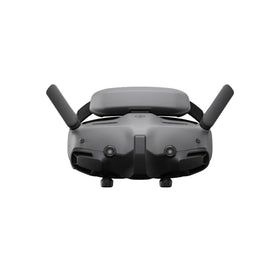
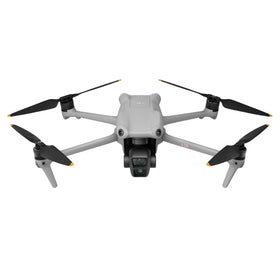
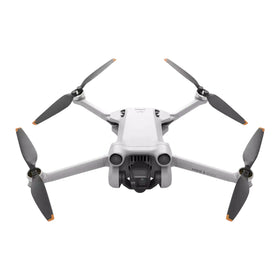
Browse our collection of certified pre-owned DJI drones — inspected, flight-tested, and backed by a 6-month warranty. Save up to 40% versus retail.
The Drone Market Angle: Second-Hand Assets, Longer Lifecycles, and Shifting Demand
For the commercial and second-hand drone market, the A-10 decision carries a specific and often overlooked implication: when the military holds onto legacy platforms longer, it defers the disposal of older drone systems and accelerates the transfer of used equipment to allied nations and civilian agencies. The U.S. government frequently offloads retired UAVs — including older MQ-1 Predators and non-deployable MQ-9 airframes — through the Excess Defense Articles program. Those assets often end up in the hands of border patrol, law enforcement, and academic research programs.
If the A-10 extension tightens procurement budgets, the Pentagon is more likely to extend the service life of existing drone fleets rather than purchase new ones. That means fewer new airframes entering the market and a higher volume of well-maintained, mid-life units becoming available for transfer or sale. For commercial operators who can navigate the regulatory hurdles — including FAA COA approvals — this could represent a significant opportunity to acquire high-end sensor platforms at a fraction of their original cost.
At Reboot Hub, we track these supply chain shifts in real time. If you are evaluating a fleet upgrade, now is the time to consider certified refurbished DJI drones as a cost-effective alternative to new units. The second-hand market is currently experiencing elevated inventory levels as defense contractors adjust their production forecasts, creating favorable pricing for end users.
Operational Impact: How the A-10 Extension Affects Daily Drone Operators
While the A-10 debate happens in the Pentagon and on Capitol Hill, the effects trickle down to the tarmac where commercial drone pilots fly missions every day. Here is the practical breakdown:
Airspace Congestion: The A-10 operates at low altitudes — often below 1,000 feet AGL — where it shares airspace with commercial sUAS operations. As the Air Force maintains more A-10 squadrons for longer, we will see more temporary flight restrictions (TFRs) in military operating areas, particularly in training ranges across Arizona, Nevada, and the Pacific Northwest. Commercial operators flying Part 107 BVLOS waivers near those areas should expect increased TFR frequency through at least 2030.
COA Processing Times: The FAA's Certificate of Authorization process for drone operations in controlled airspace may slow as military flight operations increase. Drone service providers working near joint-use airfields — particularly those with A-10 training detachments like Moody AFB in Georgia and Davis-Monthan AFB in Arizona — should plan for extended approval timelines.
Sensor Technology Transfer: The A-10's targeting pod technology — specifically the AN/AAQ-28 Litening and the Sniper Advanced Targeting Pod — has historically influenced commercial sensor design. As the Air Force upgrades these pods for the A-10's extended service life, we may see enhanced multi-spectral imaging capabilities filter into the civilian market within 24 to 36 months. For RTK surveyors and precision agriculture operators, this could mean better GSD mapping accuracy in low-light conditions.
Market Trends: The Second-Hand Drone Market in 2026
The second-hand drone market is currently undergoing a structural shift. With the A-10 extension reducing the pressure on the Pentagon to fully fund new unmanned systems, the supply of late-model military-grade drones hitting the civilian market is increasing. At the same time, commercial operators are facing tighter margins due to rising insurance costs and stricter Part 107 enforcement in urban areas. The convergence of these trends is creating a buyer's market for qualified, pre-owned equipment.
Inventory levels for the DJI Matrice 350 RTK, the DJI Mavic 3 Enterprise, and the Autel Robotics EVO Max series are at 18-month highs on the second-hand market. Prices have softened by 12% to 18% compared to the same period in 2025, according to data aggregated from Reboot Hub's marketplace and third-party listings. The primary driver is not just slow demand but a surge in supply as defense contractors liquidate test assets and as commercial operators upgrade fleets in anticipation of new FAA remote ID compliance requirements taking full effect in 2027.
For operators who require professional DJI repair services, the current market conditions are particularly favorable. Extended service life programs for military aircraft have created a parallel ecosystem of certified repair technicians who are experienced in maintaining high-hour airframes. That expertise is now being applied to commercial drones, with many independent repair shops offering factory-level refurbishment for a fraction of the manufacturer's cost.
What This Means for the Next Five Years
The A-10 Warthog's extended service life is not an isolated defense story. It is a signal that the U.S. Congress is willing to override Pentagon procurement priorities to preserve legacy platforms with proven combat performance. For the drone industry, that signal translates into slower adoption of fully unmanned close air support, tighter budgets for USAF drone programs, and a gradual but steady release of used equipment into the civilian market.
Commercial operators should prepare for a market where new drone hardware is more expensive and slower to arrive, but where high-quality certified refurbished DJI drones are plentiful and competitively priced. The strategic play is to invest now in a second-hand fleet that meets current FAA standards while the supply is high and before the next procurement cycle tightens the market in 2028.
FAQ: A-10 Extension and the Drone Market
Does the A-10 extension directly cancel any drone program?
No direct cancellations have been announced, but budget projections show a likely reduction in USAF drone procurement — specifically the MQ-9 Reaper replacement and collaborative combat aircraft programs — by an estimated 12% through FY2027. The extension forces the Air Force to divert funds from next-generation unmanned systems to sustain the legacy fleet.
How will this affect commercial operators flying under Part 107?
Commercial operators flying near military training areas — particularly low-altitude BVLOS routes — should expect increased TFRs and slower COA processing times as the Air Force maintains more A-10 squadrons through 2030. Additionally, the slower drone procurement cycle may delay the transfer of military-grade sensor technology to the commercial sector.
Is now a good time to buy a used drone for commercial use?
Yes. The combination of the A-10 budget squeeze and broader defense spending constraints is driving increased supply of late-model used drones onto the civilian market. Prices for DJI Matrice 350 RTK units and similar platforms are at 18-month lows. Reboot Hub offers certified pre-owned units with full inspection and warranty coverage as a cost-effective alternative to new purchases.
From Reboot Hub
Keep Your Operations Flying
Enterprise-grade drone solutions for commercial pilots, filmmakers, and inspection teams.
Refurbished Fleet
Fully inspected DJI drones with 6-month warranty. Save up to 40%.
Browse Inventory ->