NY State Police Train Cadets with Drones at Junior Academy
New York State Police brought three drones to the Warwick Junior Police Academy, letting cadets race them and watch live feeds. The event highlights how law enforcement builds drone literacy early, with implications for fleet buyers and pre-owned drone market supply.

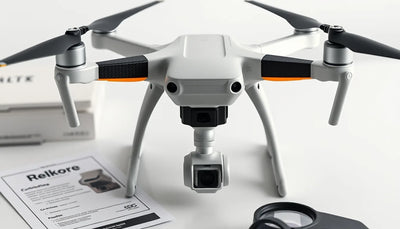
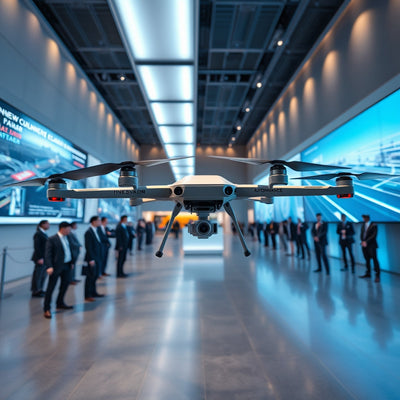
New York State Police troopers recently brought three drones to the Warwick Junior Police Academy, introducing cadets to drone racing, live feed viewing, and the techniques used to train law-enforcement drone pilots. The hands-on demonstration, reported by DroneXL.co, gave young participants a direct look at how state troopers use unmanned aircraft in their operations. For commercial drone buyers, fleet operators, and participants in the pre-owned DJI market, the event offers practical signals about how police drone programs are developing and what that means for equipment availability, maintenance patterns, and training standardization.
The academy did not reveal specific drone models or technical specifications, but the focus on racing suggests the aircraft were agile multirotor platforms capable of precise manual control. Cadets engaged with the drones by racing them, which requires low latency video transmission and responsive flight controls—capabilities that are standard on modern enterprise-grade drones. The live feed viewing component further indicates that the drones were equipped with camera systems and that cadets were taught how to interpret aerial video, a core skill for search and rescue, scene assessment, and surveillance missions.
What law enforcement drone training reveals about fleet planning
The Warwick event shows that law enforcement agencies are investing in early pipeline training to build drone literacy among potential recruits. By exposing cadets to drone operations at a junior academy, the New York State Police is normalizing unmanned aircraft as a standard tool rather than a novelty. For fleet operators and procurement managers, this trend suggests that police drone fleets will continue to expand and require regular upgrades, creating a steady flow of used equipment into the secondary market. Agencies that rotate hardware every two to three years for warranty or compliance reasons often sell pre-owned DJI drones through authorized channels, and events like this confirm that training and operational demand remains high.
Fleet readiness
Keep DJI hardware available without overbuying new units.
Use defense and fleet news as a planning signal for repair support, inspected pre-owned aircraft, and replacement timing.

From a repair perspective, the racing element is notable. Drones used in training environments typically experience more physical stress—collisions, hard landings, and repeated battery cycles—than those used solely for aerial photography or inspection. This increases the likelihood that police fleets will require professional DJI repair services for motor, gimbal, and frame replacements. Operators who purchase ex-police drones should factor in higher wear and plan for more frequent maintenance than they might with a lightly used civilian unit.
Live feed training and its operational value
Cadets at the Warwick academy watched live feeds from the drones, mimicking the real-time situational awareness that officers rely on during incidents. Live feed training teaches operators to process video information quickly and to communicate decisions to ground teams—a skill that translates directly to commercial applications such as infrastructure inspection, agricultural monitoring, and event security. For drone buyers evaluating used equipment, the presence of a reliable video transmission system is a critical check point. Drones that have been used in training programs often have updated firmware and tested transmission modules, but they may also have worn antennas or connectors that need inspection.
The emphasis on live feeds also reinforces the importance of payload compatibility. Fleet managers looking to expand their operations should ensure that any pre-owned drone they acquire can support the camera modules and gimbals required for their specific missions. The New York State Police did not specify the camera types used, but the needs of law enforcement—zoom capability, thermal imaging, and stability at distance—are similar to those of many commercial operators, making the secondary market for police surplus particularly attractive for buyers who need rugged, field-proven hardware.
What this means for drone buyers
Reboot Hub analysis: For commercial drone buyers and fleet operators, the Warwick Junior Police Academy demonstration offers several actionable insights. First, it confirms that police drone training is becoming systematic and widespread. As more agencies adopt training pipelines, the supply of used government drones is likely to increase, particularly from state and local police departments that rotate equipment on fixed schedules. This can be a reliable source of pre-owned DJI drones that have been maintained to higher standards than consumer models.
Second, the racing element suggests that training drones endure physical stress. Buyers should prioritize units with documented service histories and consider budgeting for a professional inspection or early overhaul. The professional DJI repair services available through specialized shops can restore these drones to like-new condition at a fraction of the cost of new equipment. Third, the live feed training component highlights the value of drones with strong transmission systems. When evaluating a used drone, request a range test and check for any video dropouts or latency issues, as these can indicate worn components.
Finally, operators who are upgrading their own fleets should consider the timing of their trade-ins. If police departments are expanding training programs, demand for mid‑range enterprise drones may rise, potentially stabilizing or increasing resale values. Using a drone trade-in guide to evaluate current equipment can help owners decide whether to sell now or hold for a better market window.
Broader market trends in police drone adoption
The New York State Police's involvement in the Junior Police Academy reflects a broader trend of law enforcement agencies integrating drones into their standard toolkit. According to the DroneXL.co report, the event was designed to show how officers are trained to become drone pilots. This indicates that the training is not incidental but part of a structured program likely aligned with federal guidelines or state-level certification requirements. As more agencies formalize their drone units, the demand for training drones, spare parts, and maintenance services will grow correspondingly.
For the pre-owned market, this trend is double‑edged. On one hand, police fleets undergoing regular replacement cycles will release thousands of used drones over the next few years, many of which are DJI models with proven reliability. On the other hand, the high utilization rates in training mean that some units may reach the market with significant flight hours and component wear. Buyers who understand how to evaluate flight logs and physical condition can find excellent value, but those without technical knowledge should rely on reputable dealers who offer inspected pre-owned units with warranty coverage.
Repair shops should also prepare for increased service requests from police agencies that prefer to refresh existing equipment rather than purchase new. The availability of OEM-pulled parts, genuine OEM spare parts, and professional DJI repair will become a critical factor for agencies managing tight budgets. Operators who choose to buy used training drones will benefit from a robust repair ecosystem that can extend the life of these aircraft for years.
How does the New York State Police drone training at a junior academy affect me as a commercial drone buyer?
It suggests that police drone fleets are active and regularly refreshed, which can increase the supply of used drones on the secondary market. However, training drones may have higher wear, so you should verify flight hours and request a pre‑purchase inspection before buying.
Should I consider buying a used drone that was previously used in police training?
Yes, if the price reflects the additional wear and you have access to professional repair services. Many ex‑police drones are well‑maintained and come with full flight logs, making them a cost‑effective option for operators who can handle minor refurbishment.
What repair considerations should I keep in mind for a former training drone?
Check the frame for cracks, test gimbal movement for smoothness, and verify battery health. Training drones often have more cycles on their motors and batteries, so budget for potential motor replacements or battery swaps. Using genuine OEM spare parts ensures reliability and maintains resale value.
Sources consulted
- DroneXL.co - primary source
Additional official documentation was not available at publication time.
Reboot Hub Editorial adds buyer, repair, resale, and operational analysis for drone owners. If you spot an error, contact us for correction review through our editorial policy.