Ukraine’s Cyclops UAS Goes Official – What It Means for Drone Operators
Ukraine’s Defence Ministry has officially codified the “Cyclops” UAS, designed to intercept Shahed drones. The move signals growing commercial opportunities in counter-UAS technology and shifts in fleet planning for professional operators.

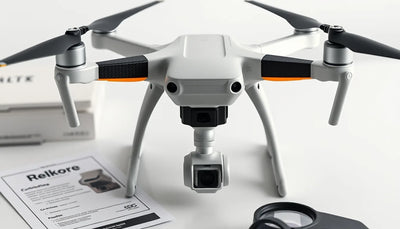
Ukraine’s Defence Ministry has formally codified a new unmanned aerial system (UAS) designated “Cyclops,” which is specifically designed to intercept Iranian-origin Shahed one-way attack drones. According to a report by Цензор.НЕТ, the system has passed the necessary approval chain and is now officially in the country’s drone inventory. For commercial drone buyers, fleet operators, and repair professionals tracking defence technology shifts, this move is more than a military milestone — it signals an accelerating trend in counter-UAS (C-UAS) development that will shape procurement decisions, used equipment valuations, and repair service demand.
While full technical specifications of the Cyclops remain under wraps, the codification process itself is worth examining. In Ukraine’s procurement ecosystem, codification means the system has undergone state testing, met minimal operational requirements, and is now eligible for mass production and deployment. This is a de facto endorsement by the Ministry of Defence that the platform is combat-ready. For the broader drone industry, the Cyclops codification validates the growing role of lower-tier attack drones as interceptors — a category that until recently was dominated by expensive ground-based missile or directed-energy systems.
Operational logic behind the Cyclops interceptor
Shahed-type drones are inexpensive, slow, and carry small warheads, but they are difficult to engage cost-effectively with traditional air defence. The Cyclops UAS appears to fill that gap by offering an air-launched or ground-launched interceptor drone that can physically or electronically neutralize incoming Shaheds at much lower per-engagement cost. This approach mirrors recent Western programmes such as the U.S. Army’s directed-energy and loitering munition initiatives, but Ukraine’s operational experience has accelerated its domestic development.
Fleet readiness
Keep DJI hardware available without overbuying new units.
Use defense and fleet news as a planning signal for repair support, inspected pre-owned aircraft, and replacement timing.

Reboot Hub analysis: For commercial UAV operators, the takeaway is twofold: first, counter-UAS technology is becoming a priority for governments worldwide, which may lead to stricter no-fly zones over sensitive infrastructure and military zones. Second, the validation of lower-cost interceptors could expand the market for small, modular drone platforms that are easy to maintain and upgrade. Fleet managers overseeing large enterprises — such as agriculture, surveying, or inspection — should monitor how national airspace regulators begin to integrate counter-drone measures, because those rules will affect where and when commercial flights can operate.
From a second-hand market perspective, the emergence of a mature interceptor drone like the Cyclops could indirectly depress the value of older consumer or prosumer drones that are used in borderline security roles. At the same time, it may increase demand for ruggedized, sensor-rich platforms that can be repurposed for electronic warfare training or target simulation. Savvy operators might consider holding onto well-maintained, high-spec drones that can be adapted for counter-UAS testing contracts.
What this means for drone buyers
If you are currently evaluating a drone purchase for commercial use — whether for aerial photography, infrastructure inspection, or agricultural mapping — the Cyclops codification should inform your decision in several concrete ways. First, the trend toward specialised interceptors indicates that airspace over conflict zones and even some civilian critical infrastructure will become more contested. A drone that relies on simple GPS waypoint navigation without robust fail-safes or anti-jamming capabilities may be grounded more often by evolving counter-UAS systems. Buyers should prioritise models with strong encryption, frequency hopping, and flight controller redundancy.
Second, the commercial spare parts and repair ecosystem will need to adapt. As militaries embrace more affordable interceptors, the demand for OEM-level components for these platforms will rise. Repair services that specialise in professional DJI repair services with genuine parts are already seeing increased requests for hardened antennas and GPS modules. For pre-owned DJI drones that were originally designed for civilian use, adding such upgrades can extend their service life in training or light security roles.
Third, the pre-owned DJI drone market may see a bifurcation. Lower-end models like the DJI Mini series, which lack encryption or obstacle avoidance, will likely depreciate faster as commercial buyers shift toward more secure platforms. Meanwhile, flagship models with advanced sensing and redundancy — such as the Matrice 300/350 series or the Inspire 3 — will retain value better because they can be integrated into C-UAS test ranges or used as training targets. Operators looking to sell older equipment should act before the market floods with lower-tier drones that are less suited to evolving security requirements.
Finally, if you are considering expanding your fleet with a cost-effective second-hand unit, our pre-owned DJI drones inventory includes models that have been inspected and upgraded with certified components. These units are ideal for operators who need a reliable platform without paying full retail price, especially in roles that do not require the highest levels of encryption — such as mapping, agriculture, or training.
Supply chain and repair implications
The Cyclops codification highlights the growing importance of rapid, decentralised repair networks for military drones. In Ukraine, many combat drones are repaired by small workshops using off-the-shelf components from civilian sources. This pattern could influence the commercial repair industry in two ways: first, it creates a parallel demand for high-quality OEM parts that can withstand harsh environments; second, it raises the bar for repair shops to offer fast turnaround times and transparent sourcing of replacement components.
For operators with pre-owned DJI drones, choosing a repair partner that uses genuine OEM spare parts is more important than ever. Aftermarket parts may be cheaper, but they often lack the same durability and certification, which can lead to unexpected failures — especially if the drone is used in a role that was never intended by the manufacturer. The growing trend of military adoption of civilian drone designs means that even non-combat operators can benefit from repair standards that exceed basic consumer expectations. Repair centers that can provide full diagnostics, firmware reinstalls, and payload compatibility checks will be best positioned to serve both defence and commercial clients.
From a trade-in perspective, the codification of an interceptor like the Cyclops may also reduce the availability of certain heavily used second-hand drones on the open market. Military surplus channels, often a source of cheap hardware for civilian repair shops, may dry up as those units are kept in service or cannibalised for parts. This dynamic supports the case for turnkey drone trade-in guide programs, where operators can exchange older equipment for credit toward newer, more secure models.
Future outlook for commercial drone operations
The Cyclops codification is part of a broader global trend: the democratisation of counter-UAS technology. As interceptors become cheaper and more effective, the calculus for both military and civilian drone operators changes. For commercial users, the most immediate effect will be tighter airspace restrictions around government buildings, power plants, and transportation hubs — places where drone flights were once routine. Fleet managers should invest in geofencing compliance and remote identification solutions now, because the regulatory landscape will only become more complex.
For buyers in the pre-owned DJI drone market, the key is to focus on models with a proven track record of reliability and upgradability. The DJI Matrice series, for example, offers modular payload bays and third-party developer support, making it a safer investment even as counter-UAS technology evolves. Meanwhile, lower-end drones that lack redundancy will see their resale value drop as security requirements harden. Keeping an eye on fleet maintenance schedules and hardware compatibility will help operators avoid being stuck with obsolete equipment.
In summary, the Cyclops UAS codification is not just a defence milestone — it is a market signal. It tells us that the arms race between drones and counter-drones is accelerating, and that commercial operators must adapt their procurement, repair, and fleet disposal strategies accordingly. Whether you are planning to buy a new drone, sell a used one, or upgrade an existing fleet, the choices you make today will determine how well you navigate the airspace of the next five years.
FAQ
What is the Cyclops UAS and why is it important for drone operators?
The Cyclops is an unmanned aerial system that Ukraine’s Defence Ministry has officially codified to intercept Shahed attack drones. For commercial operators, its codification signals that counter-UAS technology is maturing, which may affect airspace regulations and the value of older drones.
Should I sell my pre-owned DJI drone now because of new interceptor technology?
Reboot Hub analysis: Not necessarily. The value of higher-end models (e.g., Matrice 300/350, Inspire 3) is likely to remain stable due to redundancy and payload options. However, basic consumer drones without encryption or obstacle avoidance may depreciate faster. Consider a trade-in if you own a low-tier model that may become less versatile.
Will repair costs increase as counter-UAS drones become more common?
Repair costs for military-grade interceptors are separate from the consumer drone repair market. However, the increased focus on durability and genuine components may raise quality standards in commercial repair shops. Using professional DJI repair services with genuine parts can help maintain resale value and operational reliability.
Sources consulted
- Ukraine’s New “Cyclop” Drone Approved After Intercepting First Russian Shahed Over Kursk — - primary source
- UK Ministry of Defence - official government source
- FAA UAS official guidance - official regulator source
Reboot Hub Editorial adds buyer, repair, resale, and operational analysis for drone owners. If you spot an error, contact us for correction review through our editorial policy.