Drone Buyers: How Ukraine’s Volunteer Air Defense Reshapes the Drone Market
A Ukrainian volunteer group, "Triika," has formed its own air defense regiment to protect fighters and rear cities. This grassroots model signals surging demand for counter-UAS systems, which is already tightening supply chains and pushing pre-owned DJI drone prices higher.

The conflict in Ukraine has repeatedly demonstrated that modern warfare is as much about drones as it is about artillery. A recent report by Censor.NET details how the volunteer group "Triika" created its own air defense regiment to protect both frontline fighters and rear-area cities from aerial threats. While the article focuses on the tactical and human dimensions of this initiative, the commercial implications for the global drone industry are substantial and worth careful examination.
For commercial fleet operators, repair shops, and pre-owned drone buyers, the emergence of grassroots air defense units signals a structural shift in drone demand. Counter-UAV systems, surveillance quadcopters, and the spare parts that keep them flying are now sought-after assets in volatile supply chains. Understanding this trend helps drone buyers make smarter purchasing, repair, and trade-in decisions.
Inside Triika’s volunteer air defense model
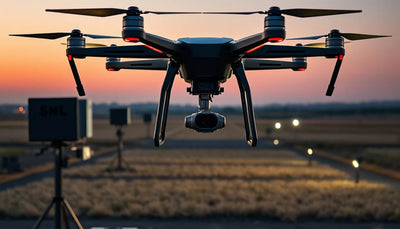
According to the source article, "Triika" did not wait for official military procurement. Instead, the group independently assembled and funded an air defense regiment dedicated to intercepting hostile drones and protecting key infrastructure. The regiment’s success, the report notes, has become a cornerstone of safety for both combat units and civilians in rear areas.
Fleet readiness
Keep DJI hardware available without overbuying new units.
Use defense and fleet news as a planning signal for repair support, inspected pre-owned aircraft, and replacement timing.

This is not an isolated story. Across Ukraine, similar volunteer-founded air defense cells have emerged, pooling resources to acquire small UAVs, electronic warfare countermeasures, and even converted commercial drones for reconnaissance. The Triika example reveals a broader pattern: when institutional supply chains are slow, end users find alternative ways to equip themselves. For the drone industry, this means demand is coming from non-traditional buyers—groups that may not have formal procurement budgets but are willing to pay premium prices for ready-to-fly equipment, reliable pre-owned drones, and rapid repair services.
Supply chain strain and the pre-owned market effect
One direct consequence of this grassroots air defense activity is increased pressure on already tight drone supply chains. New DJI Matrice and Mavic Enterprise units have been in short supply globally due to sanctions, export controls, and production constraints. When volunteer defense groups compete with civilian enterprises for the same aircraft, second-hand channels become critical.
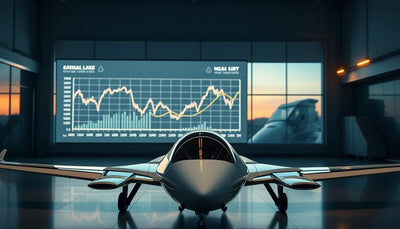
In recent months, prices for pre-owned DJI drones with thermal or zoom cameras—models like the Matrice 300 RTK or Mavic 3 Thermal—have risen by as much as 15–20 percent on secondary markets. Buyers who once relied on quick purchases of refurbished units now face longer lead times and higher bids. The Triika report underscores that this demand is not fading; if anything, counter-UAS requirements are expanding as battlefield tactics evolve.
For fleet operators, this creates both risk and opportunity. Risk comes from paying inflated prices for pre-owned drones that may have unknown flight hours or repair history. Opportunity exists in maintaining a disciplined trade-in cycle—selling older units when market demand peaks and reinvesting in certified pre-owned equipment that has been properly inspected and serviced.
What this means for drone buyers
For anyone purchasing drones today—whether for agriculture, inspection, public safety, or resale—the Triika story offers a clear signal: the secondary market is evolving into a primary source for capable UAVs. Commercial buyers should consider adjusting their procurement strategies accordingly.
Reboot Hub analysis: First, rely on verified sources. When buying a pre-owned DJI drone, insist on units that have undergone professional DJI repair services with genuine OEM spare parts. Unserviced drones, especially those with high flight time or exposure to electronic warfare environments, are more likely to have degraded electronics or compass issues.
Second, consider trade-in programs that allow you to upgrade your fleet while taking advantage of strong resale demand. A well-maintained Matrice 210 or Phantom 4 RTK may still fetch a premium if sold to a buyer who needs it for immediate deployment. The prudent operator will time these transactions rather than holding equipment until it depreciates heavily.
Third, plan for longer repair turnaround. As more combat groups compete for replacement parts and repair slots, routine maintenance queues may extend. Having a spare drone or a backup battery kit can prevent operational downtime. For businesses that rely on aerial data collection, this is not a luxury—it is a basic continuity measure.
Finally, stay informed. The drone industry is no longer insulated from geopolitical events. The rise of volunteer air defense regiments like Triika is a leading indicator that demand for small UAVs will remain elevated for years, which in turn supports prices on the pre-owned market and makes careful asset management more valuable than ever.
Lessons for civilian drone operators
Even operators far from conflict zones can extract practical lessons from the Triika regiment’s approach. The group succeeded because it prioritized mission-readiness over ownership. Members pooled resources, shared maintenance responsibilities, and treated each aircraft as a strategic asset rather than a consumable tool.
Commercial drone fleets should adopt a similar mindset. Instead of buying brand-new units for every deployment, consider blending new and pre-owned DJI drones to optimize capital. A mix of new aircraft for high-value missions and inspected pre-owned units for routine inspections can keep costs predictable while maintaining capability.
Additionally, the Triika example highlights the importance of rapid repair capability. When every aircraft downtime matters, having access to professional DJI repair services with genuine OEM spare parts becomes a competitive advantage. Fleet managers should develop relationships with authorized repair centers, stock critical spare parts internally (e.g., motors, propellers, gimbal ribbons), and train pilots on basic troubleshooting.
Equally important is trade-in planning. The drone trade-in guide published by Reboot Hub outlines how regular equipment rotation helps operators avoid being stuck with obsolete models. In a market where demand for second-hand drones is structurally high, a proactive trade-in strategy makes financial sense.
Drone buyers should not view the rise of volunteer air defense units as a distant news item. It is a market reality that affects pricing, availability, and service lead times for everyone. By incorporating a few smart procurement habits—choosing certified pre-owned equipment, investing in genuine repairs, and timing trade-ins—operators can navigate this environment with confidence.
How does grassroots air defense activity affect the price of pre-owned DJI drones?
Increased competition for capable UAVs, especially models with thermal or zoom cameras, has driven prices upward. Reports from secondary markets indicate 15–20 percent price increases over the past 12 months. Buyers should expect elevated pricing to persist as long as conflicts and security needs generate demand.
What should I look for when buying a pre-owned drone that may have been used in a high-demand environment?
Demand proof of proper maintenance and repair history. Avoid units that lack documentation or come from unknown sources. Choose inspected pre-owned drones that have been serviced with genuine OEM spare parts and passed functional testing. High flight hours or exposure to dusty conditions can shorten component life.
Is now a good time to trade in my old drone for a newer model?
Yes, because resale values are currently strong due to sustained demand. Operators who trade in older but reliable drones can recoup a larger portion of their investment and apply it toward a newer, more capable unit. Consult a drone trade-in guide to understand current market values before making a decision.