Kansas City Debuts World Cup Drone Shield: What It Means for UAS Operators
Kansas City has activated a first-of-its-kind integrated drone traffic management and counter-UAS network ahead of the 2026 FIFA World Cup. This joint deployment by Airspace Link and regional public safety agencies creates a blueprint for urban airspace security that will redefine BVLOS operations, Part 107 compliance, and second-hand drone market dynamics. The system’s ability to identify, track, and mitigate rogue drones signals a new era of enforcement. Commercial operators face immediate airspace restrictions, while the demand for compliant, traceable hardware is set to skyrocket. For pilots and fleet managers, understanding this shift is no longer optional—it is a matter of operational survival.

Editorial notes
- This article combines named outside reporting with Reboot Hub's own analysis for drone buyers, fleet operators, repair customers, and pre-owned DJI market watchers.
- Source facts are separated from interpretation. When a report provides limited data, the article states that limitation and frames Reboot Hub's view as analysis.
- Reboot Hub has commercial links to drone products and repair services; those links are reader resources and do not determine the article's conclusion.
The countdown to the 2026 FIFA World Cup has officially entered its final, high-stakes phase, and for the commercial drone industry, the implications are seismic. On May 20, 2026, Kansas City, Missouri, announced the activation of a region-wide integrated drone traffic coordination and counter-Unmanned Aircraft System (counter-UAS) platform. Developed in partnership with Airspace Link and multiple regional public safety agencies, this system is not merely a security measure for the upcoming global sporting event—it is a prototype for the future of urban airspace governance across the United States.
This deployment represents a paradigm shift. For the first time, a major U.S. metropolitan area has fused airspace management for legitimate drone operations with the aggressive, real-time capability to detect, identify, and neutralize unauthorized aircraft. The message is clear: the era of unregulated drone flight over sensitive urban infrastructure is ending. For commercial operators, Part 107 pilots, and stakeholders in the second-hand drone market, this development demands immediate attention and strategic recalibration.

The Architecture of a World Cup-Era Drone Defense Network
The Kansas City system, built on Airspace Link’s proven platform, is designed to solve two conflicting challenges simultaneously. First, it must facilitate the safe, efficient integration of thousands of authorized drone flights—from media coverage and security patrols to infrastructure inspection and logistics—during the World Cup. Second, it must provide law enforcement with the tools to instantly detect and counter rogue drones that pose a threat to stadiums, VIP zones, and crowded public spaces.
Fleet readiness
Keep DJI hardware available without overbuying new units.
Use this news as a planning signal for inspected DJI aircraft, repair support, and trade-in timing.
According to sources familiar with the deployment, the platform incorporates a layered defense strategy. At its core is a digital airspace management system that allows authorized operators to file flight plans, receive real-time clearance, and operate within geofenced corridors. This is overlaid with a network of radio frequency (RF) sensors, radar units, and optical identification systems capable of tracking drones across the entire metropolitan area. When an unauthorized or threatening drone is detected, the system can trigger a range of countermeasures, including signal jamming, GPS spoofing, and kinetic interception via dedicated counter-UAS drones.

“This is not just about the World Cup,” said a senior analyst at Reboot Hub. “Kansas City is building the operational template for how every major city will manage drone traffic in the next five years. The technology is proven, the regulatory framework is evolving, and the commercial incentives are enormous. The question is whether the industry is ready to adapt.”

What This Means for Commercial Drone Pilots and Fleet Operators
Ready to Upgrade Your Fleet?
Browse our collection of inspected pre-owned DJI drones — inspected, flight-tested, and backed by a 6-month warranty. Save up to 40% versus retail.
For the thousands of commercial drone pilots operating under FAA Part 107, the Kansas City deployment is a double-edged sword. On one hand, the system promises to streamline authorized operations by providing clear, predictable airspace access. Pilots flying for media, inspection, or surveying during the World Cup will benefit from a dedicated coordination channel that reduces the risk of conflicts with manned aircraft and other drones.
On the other hand, the counter-UAS capabilities introduce a new layer of enforcement risk. Any drone that strays into a restricted zone, even accidentally, could be subject to immediate electronic countermeasures. This means loss of control, forced landing, or even physical destruction of the aircraft. For operators flying older, less sophisticated drones—particularly those without robust geofencing or remote identification (Remote ID) capabilities—the risk is acute.
This is where the second-hand and refurbished drone market comes into sharp focus. As cities like Kansas City deploy these advanced defense networks, the demand for drones that are fully compliant with Remote ID and geofencing mandates will surge. Older models that lack these features will become increasingly difficult to operate legally in urban environments. This creates a significant opportunity for platforms like pre-owned DJI drones, which offer a cost-effective path to upgrading to compliant hardware without the expense of a pre-owned aircraft.
Ready to Upgrade Your Fleet?
Browse our collection of inspected pre-owned DJI drones — inspected, flight-tested, and backed by a 6-month warranty. Save up to 40% versus retail.
The Counter-UAS Arms Race: A New Reality for Urban Airspace
The Kansas City deployment is part of a broader trend. Across the United States, law enforcement agencies are rapidly acquiring counter-UAS technology. The FAA has authorized several state and local agencies to operate such systems under strict guidelines, and the 2026 World Cup has acted as a powerful catalyst. Cities like Los Angeles, New York, and Atlanta are expected to announce similar initiatives in the coming months.
For the commercial drone industry, this represents a fundamental shift in the operating environment. The days of relatively unconstrained flight over urban areas are ending. Pilots will need to navigate a complex patchwork of restricted zones, temporary flight restrictions (TFRs), and counter-UAS-enabled airspace. This will require not only compliant hardware but also sophisticated flight planning software and a deep understanding of local regulations.
The economic impact is also significant. The counter-UAS market is projected to grow from $2.5 billion in 2025 to over $10 billion by 2030, driven by demand from sports events, critical infrastructure protection, and military applications. This growth will create new opportunities for drone manufacturers, sensor developers, and software providers. However, it also means increased scrutiny and enforcement for everyday operators.
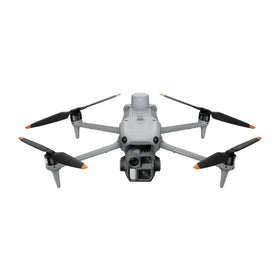
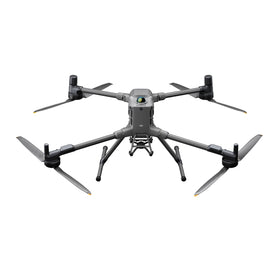
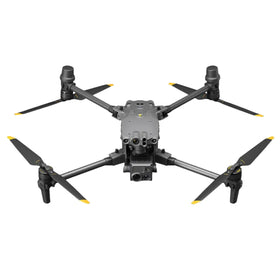
For those in the used drone market, the implications are clear. Drones that cannot be upgraded to meet the new compliance standards will see their resale value plummet. Conversely, models that are fully compliant with Remote ID and have robust geofencing capabilities—such as the DJI Mavic 3 Series, DJI Matrice 300 RTK, and DJI Matrice 30 Series—will command a premium. Savvy buyers and sellers will need to stay ahead of these trends to maximize value and minimize risk.
Q&A: What Does the Kansas City Drone Defense Network Mean for You?
Q: How will this affect the second-hand drone market?
A: The Kansas City deployment, and similar initiatives expected nationwide, will accelerate the obsolescence of non-compliant drones. Older models without Remote ID or advanced geofencing will become difficult to sell and operate in urban environments. This is already driving demand for pre-owned DJI drones, which offer a reliable, cost-effective upgrade path. We expect to see a significant shift in the used market toward compliant hardware, with prices for legacy models dropping sharply.
Q: Can I still fly my drone in Kansas City during the World Cup?
A: Yes, but only if you are an authorized operator with a valid Part 107 certificate and a flight plan approved through the Airspace Link platform. The system is designed to facilitate legitimate operations, but unauthorized flights will be subject to immediate countermeasures. This includes the risk of drone seizure, civil penalties, and potential criminal charges. It is essential to check for TFRs and restricted zones before every flight.
Q: What counter-UAS technologies are being used in Kansas City?
A: The system likely employs a combination of RF detection, radar, and optical sensors to identify drones. Countermeasures include non-kinetic options like signal jamming and GPS spoofing, as well as kinetic options like net-firing drones or directed energy weapons. The exact capabilities are classified for security reasons, but the system is designed to be scalable and adaptable to evolving threats.
Preparing for the Future: A Call to Action for Drone Operators
The Kansas City drone defense network is more than a news story—it is a watershed moment for the commercial UAS industry. As the 2026 World Cup approaches, every operator should take the following steps to ensure compliance and protect their investment:
1. Audit Your Fleet: Review every drone in your inventory for Remote ID compliance, geofencing capabilities, and firmware update status. Drones that cannot be updated should be considered for replacement.
2. Upgrade Strategically: Consider the cost benefits of purchasing pre-owned DJI drones. These units offer the same performance and reliability as new models at a significantly lower price point, freeing up capital for other business needs.
3. Invest in Training: Ensure that all pilots are trained on the latest airspace management systems, including the Airspace Link platform and any local counter-UAS protocols.
4. Maintain Your Equipment: In a high-stakes enforcement environment, a malfunctioning drone is not just an inconvenience—it is a liability. Regular maintenance by certified technicians is essential. Reboot Hub’s professional DJI repair services use only genuine parts to ensure your fleet remains airworthy and compliant.
The World Cup is coming, and with it, a new era of drone governance. The operators who adapt quickly will thrive. Those who hesitate will find themselves grounded.
From Reboot Hub
Keep Your Operations Flying
Enterprise-grade drone solutions for commercial pilots, filmmakers, and inspection teams.
Pre-owned Fleet
Fully inspected DJI drones with 6-month warranty. Save up to 40%.
Browse Inventory ->