DJI Osmo 360 II Leak: Larger Battery Signals Product Refresh
Leaked photos and an FCC filing reveal DJI is testing an Osmo 360 II prototype with a larger battery. The refresh signals longer shooting times for commercial operators and could affect pre-owned Osmo prices.

Leaked photos and a recent FCC filing indicate that DJI is testing a prototype of the Osmo 360 II, a refresh of its popular 360-degree camera line that appears to focus on one critical upgrade: a larger battery. For drone operators, fleet managers, and buyers in the pre-owned DJI market, this is more than a minor hardware tweak. Battery capacity directly affects how long you can keep a 360 camera running on a stabilizer, on a boom, or even mounted on a drone gimbal. A late-stage prototype suggests DJI is close to finalizing the design, which means the current-generation Osmo 360 could see price shifts on the secondary market as anticipation builds.
The source, DroneXL.co, reports that the leak includes images of the device and an earlier FCC filing, both pointing to an enlarged power cell compared to the existing Osmo 360. No official launch date has been announced, and DJI has not commented on the leak. But for anyone who relies on 360-degree capture for inspection, mapping, or content production, the implication is clear: DJI is investing in longer runtimes rather than lens or resolution changes. For commercial buyers, that makes battery life the deciding factor in whether to wait or purchase now.
What the leak tells us about the Osmo 360 II
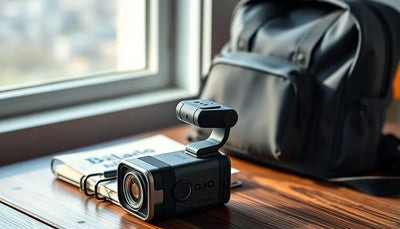
The images published by DroneXL show a camera very similar in form factor to the current Osmo 360, but with a visibly thicker base. That extra volume is what the leak attributes to a larger battery. The FCC filing, which often appears just before a product launch, further supports the conclusion that DJI is in the final testing phase. FCC filings are required for devices that use wireless communication, and the timing suggests a release within months rather than years.
DJI buying context
Match product news to hardware you can actually deploy.
Check inspected DJI aircraft, repair support, and trade-in timing before deciding whether to upgrade, repair, or wait.

For fleet operators who use 360 cameras for street-level mapping or asset documentation, runtime is a constraint that directly affects workflow. A larger battery could extend a single charge from the current unit’s typical 45–50 minutes to something closer to 60–70 minutes. While exact figures are not part of the leaked data, the battery size increase alone suggests meaningful improvement. If you are planning a multi-operator deployment later this year, it may be worth delaying new Osmo purchases until the II model arrives.
For repair customers, the larger battery means the new model will not share the same battery compartment as the old one. That has implications for spare parts inventory. If you operate a fleet of current Osmo 360 units, stock up on OEM-pulled batteries while they remain available. Once the II model ships, the original cells could become harder to source.
What this means for drone buyers
If you are considering a 360 camera for drone-based inspection or panoramic site documentation, the Osmo 360 II leak introduces a timing decision. Buying the current model now could save money if you prioritise immediate availability and are comfortable with the existing battery life. However, prices on the pre-owned DJI market may soften once the II model is officially announced. Sellers often discount current-gen gear ahead of a refresh, which can be advantageous if you are looking for an inspected pre-owned unit.
For those who value maximum runtime and are not in a rush, waiting for the Osmo 360 II is the logical move. A larger battery improves operational efficiency, especially in jobs where swapping batteries mid-session interrupts data capture. Fleet managers should also factor in that the new camera may require different accessories, such as mounting brackets or charging hubs, which could increase total cost of ownership in the first few months.
If you have a current Osmo 360 in good condition, now may be a good time to explore a trade-in program. Many operators upgrade to the latest hardware while their current unit still holds value. The drone trade-in guide from Reboot Hub offers a straightforward way to assess your device’s worth and plan a transition.
Implications for the pre-owned DJI camera market
Whenever DJI releases a product refresh, the secondary market reacts. Current Osmo 360 units will likely drop in value by 10–20 percent once the II model becomes available, depending on condition and accessory bundle. Buyers looking for a bargain on the pre-owned market should monitor listings closely after the official launch. Suppliers of pre-owned DJI drones and cameras will also adjust pricing, creating opportunities for cost-conscious operators.
Repair services will see a shift in demand. The larger battery of the Osmo 360 II means that older battery packs for the original model will become less common in professional repair inventories. If you rely on professional DJI repair services for your camera gear, it is wise to enquire about stock levels of original Osmo 360 batteries while they are still plentiful. OEM-pulled parts for the current model will remain available for some time, but prices may rise as supply tightens.
For second-hand market readers, the lease is a reminder that product lifecycles are predictable. Leaking FCC filings and prototype photos are reliable indicators of an upcoming refresh. If you buy pre-owned DJI cameras, try to time your purchase eight to ten weeks after a product announcement—prices often hit their lowest point as early adopters move to the new model and sellers clear inventory.
Planning your next move as a commercial operator
For now, the Osmo 360 II remains unconfirmed outside of leaked images and a regulatory filing. But the pattern is consistent with DJI’s history of mid-cycle battery upgrades—the company has done similar refreshes on the Mavic and Osmo lines before. The practical takeaway for buyers, fleet operators, and repair customers is to monitor official announcements from DJI over the next 60 to 90 days. If the II model launches before the end of 2026, you will have a clear window to sell or trade in older units at reasonable prices.
One concrete action: if your current Osmo 360 is nearing the end of its usable battery life, do not invest in a third-party replacement. Instead, consider putting that money toward the new model. The larger battery in the prototype suggests DJI is addressing the most common complaint among 360 camera users—runtime. That alone justifies waiting a few months if your work schedule allows.
For repair shops and parts resellers, this leak is a signal to gradually reduce inventory of original Osmo 360 batteries and focus on stocking genuine OEM spare parts for the II model once it launches. If you operate a fleet, start budgeting for potential charger and accessory changes.
Will the Osmo 360 II be compatible with existing mounts and accessories?
Based on the leaked photos, the Osmo 360 II shares the same general shape as its predecessor, but the thicker base may not fit snugly into existing third-party mounts or DJI’s own waterproof housing. Compatibility is uncertain until official specifications are released. If you rely on custom rigs for drone mounting, wait for confirmed dimensions before buying new accessories.
Should I buy the current Osmo 360 now or wait for the II model?
If you need a 360 camera immediately for a project and battery life is not a primary concern, buying a current-model pre-owned unit at a discount is a sensible option. But if extended runtime will improve your workflow or reduce field downtime, waiting for the larger battery in the Osmo 360 II is likely worth the delay.
How will the Osmo 360 II affect the second-hand value of the original Osmo 360?
Second-hand prices for the original Osmo 360 typically drop 10–20 percent after a refresh announcement, as sellers compete to move inventory. If you plan to sell, do so before the II model officially launches. Buyers looking for a bargain should watch the market closely in the weeks following the product reveal.
Sources consulted
- Review – DroneXL.co - primary source
- DroneXL.co - primary reporting source
Reboot Hub Editorial adds buyer, repair, resale, and operational analysis for drone owners. If you spot an error, contact us for correction review through our editorial policy.