Axon Vision’s ForceField: Real Counter-Drone Capability or Smoke and Mirrors?
Axon Vision’s ForceField system claims to detect and destroy FPV drone targets in live-fire trials. But newly released footage raises doubts about whether the targets were actual fast FPV drones or slower camera aircraft. Here’s what operators should consider.

Axon Vision, a company known for its Taser and body camera products, has entered the counter-drone space with its ForceField system. According to a report published by DroneXL.co on July 18, 2026, ForceField was put through live-fire trials where it detected, tracked, and reportedly destroyed FPV drone targets. The company says the trials demonstrate a credible new capability against the small, fast-moving drones that have become a serious concern for military and security forces. But not everyone is convinced—and the public footage released from the trials raises a harder question: were the targets really the nimble, high-speed FPV drones that defenders fear most, or were they slower, more predictable camera platforms?
The claims versus the footage
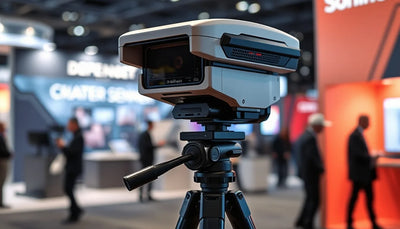
Axon Vision’s ForceField system is described by the company as a layered counter-drone solution that combines detection sensors with an effector—likely a kinetic interceptor or electronic warfare payload—to engage unmanned aerial threats. The live-fire demo, as reported, involved multiple FPV drone targets, all of which were neutralized. That is a significant claim given that FPV drones are notoriously difficult to track and engage due to their speed, erratic flight paths, and small radar cross-sections.
However, the DroneXL.co analysis points out that the publicly available footage from the demo does not clearly confirm the speed or maneuverability of the target drones. The article suggests the drones in the video may have been flying slower than typical racing or combat FPV aircraft. Without independent verification of the target specifications—airframe type, motor size, battery voltage, and pilot skill level—it is difficult to assess whether the test was realistic. This uncertainty matters not only for defense procurement officers but also for commercial drone operators who may wonder how such systems would affect their own operations if deployed at airports, stadiums, or other sensitive sites.
Fleet readiness
Keep DJI hardware available without overbuying new units.
Use defense and fleet news as a planning signal for repair support, inspected pre-owned aircraft, and replacement timing.

Axon Vision has not released detailed technical specifications of the targets used. The lack of transparent data means the demo should be viewed with caution until third-party validation is published.
Why target type matters for counter-drone credibility
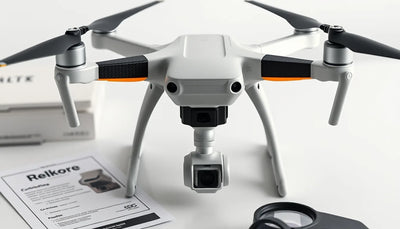
The distinction between a fast FPV drone and a slower camera drone is not academic—it is central to the entire value proposition of a counter-drone system. An FPV drone can reach speeds over 100 km/h in a straight line and execute aggressive evasive maneuvers that are almost impossible for traditional radar and tracking systems to follow. A slower camera drone, such as a DJI Phantom or Mavic-class aircraft, flies at less than half that speed and follows much more predictable flight paths. Engaging the latter is far easier and carries less risk of collateral damage or system failure.
According to the source article, some observers have suggested that the footage shows target drones with a flight profile closer to a camera drone than a dedicated FPV racer. If true, the ForceField system has yet to prove it can counter the most dangerous FPV threats. This is reminiscent of earlier counter-drone demos in which systems claimed high success rates against easy targets but struggled in realistic scenarios. For buyers and fleet operators evaluating counter-UAS technology, the lesson is clear: ask for detailed target specifications and independent test data before making procurement decisions.
Reboot Hub analysis: For the pre-owned drone market, this demo reinforces the importance of understanding which platforms are most likely to be targeted by countermeasures. If security forces begin deploying systems like ForceField, operators of older, slower consumer drones may face increased risk of engagement in restricted airspace. That could accelerate the shift toward more maneuverable or hardened platforms—or simply toward stricter compliance with no-fly zones.
What this means for drone buyers
For drone buyers—whether individual pilots, enterprise fleet operators, or government agencies—the Axon Vision demo carries several practical implications. First, it highlights the growing emphasis on counter-drone technology. As systems like ForceField become operational, airspace restrictions will likely become more vigorously enforced. Operators should expect increased surveillance and possible interference in sensitive areas. That does not mean consumer drones are suddenly worthless, but it does mean that drone buyers need to invest in geofencing awareness, remote identification compliance, and perhaps even upgraded flight controllers that support automated avoidance of airspace restrictions.
Second, the demo introduces uncertainty for the second-hand market. If security forces ramp up counter-drone capabilities, older and slower drones—especially those without robust geofencing or ADS-B-like transponders—may see reduced demand. Buyers looking for pre-owned DJI drones should prioritize models that offer strong firmware support and compliance features. At the same time, the reliability of used FPV drones may increase if some operators choose to divest from platforms that become harder to fly safely. The market is still well served by inspected pre-owned options, but the risk profile is shifting.
Finally, fleet managers should review their drone selection criteria. The Axon Vision demo shows that counter-UAS technology is maturing fast. Choosing a drone that can be flown safely with minimal risk of interception—such as those with built-in remote identification and clear flight logs—will be a competitive advantage. The professional DJI repair ecosystem, including OEM-pulled parts and genuine OEM spare parts, remains a reliable way to keep existing fleets airworthy while evaluating new hardware.
Broader implications for FPV operations and fleet planning
The controversy over the Axon Vision footage underscores a broader trend: the arms race between drones and counter-drone systems is intensifying. For FPV operators—whether recreational racers or commercial surveyors—this means staying informed about local regulations and possible new detection requirements. Some jurisdictions may begin requiring FPV drones to carry transponders or other identification devices, adding weight and cost. Fleet operators that use FPV for inspections or mapping should plan for these changes now.
From a repair and spare parts perspective, the potential for increased wear and tear on drones flown in challenging environments—such as those testing evasion tactics or flying near counter-drone systems—means that access to genuine OEM spare parts will become more important. Reliable repair services that use OEM-pulled parts can extend the life of drones that might otherwise be written off. The pre-owned DJI market continues to offer value, but buyers should insist on clear maintenance records.
Finally, the source article serves as a reminder that hype is not evidence. Axon Vision is a credible defense company, but its marketing materials should be scrutinized. Drone buyers and fleet managers should demand the same standard of proof for counter-drone claims as they do for drone specifications. The live-fire video may be dramatic, but without verifiable target data, it does not settle the question of whether today’s FPV drones can be reliably neutralized.
FAQ: What drone operators should know about the Axon Vision ForceField demo
What exactly is the Axon Vision ForceField system?
ForceField is a counter-drone system designed by Axon Vision to detect, track, and destroy unmanned aerial targets. The company demonstrated it against FPV drones in a live-fire trial. However, the public footage has raised questions about whether the targets were true high-speed FPV aircraft or slower camera drones.
Should commercial drone operators be concerned about counter-drone systems like ForceField?
Yes, but not panicked. As counter-drone technology matures, airspace enforcement will tighten. Operators should ensure their drones comply with remote identification rules, respect no-fly zones, and consider upgrading to platforms with better geofencing. The risk of accidental engagement remains low for law-abiding flights, but it may increase for drones that stray into sensitive areas.
How does this affect the pre-owned drone market?
Reboot Hub analysis: If security forces deploy more counter-drone systems, older and slower drones without compliance features may lose value. Buyers in the second-hand market should favor models with strong firmware support and remote ID capability. The demand for inspected pre-owned DJI drones with clear provenance is likely to remain strong, as these platforms offer reliability and upgrade paths.
Sources consulted
- DroneXL.co - primary source
- AeroVironment unmanned systems solutions - official company source
- FAA UAS official guidance - official regulator source
- Defense.gov official source - official government source
- DIU Blue UAS - official government source
Reboot Hub Editorial adds buyer, repair, resale, and operational analysis for drone owners. If you spot an error, contact us for correction review through our editorial policy.