Reboot Hub Drone Intelligence
News  /  產業熱點分析  /  Vertical Aerospace Update Signals Electric Aviation Maturation for...
Finance

Vertical Aerospace Update Signals Electric Aviation Maturation for Operators

Vertical Aerospace's business update ahead of Farnborough shows progress toward eVTOL certification and entry into service. We analyze what this means for drone fleet operators, the pre-owned DJI market, and repair planning.

Vertical Aerospace Update Signals Electric Aviation Maturation for Operators

Vertical Aerospace (NYSE: EVTL) released a business update on July 13, 2026, ahead of the Farnborough International Airshow, detailing progress toward certification and entry into service for its electric vertical take-off and landing (eVTOL) aircraft. For commercial drone fleet operators and those active in the second-hand DJI market, this announcement carries more than just investment sentiment—it signals a broader maturation of electric aviation technology that will influence procurement, maintenance, and fleet planning decisions over the next two to three years.

The London-based company, one of the early movers in electric aviation, provided what it called a “programme update” highlighting milestones across its development timeline. While no specific technical specifications were disclosed in the release, the emphasis on preparing for the next phase of development and eventual entry into service confirms that regulators, investors, and supply chain partners are aligning around a realistic timeline. For readers of Reboot Hub who manage fleets of DJI drones, fly commercially, or buy pre-owned equipment, the implications stretch beyond Vertical’s stock ticker—they touch on battery evolution, charging infrastructure standards, and the aftermarket ecosystem that supports both new and used electric aircraft.

What the Vertical Aerospace Update Reveals

The update, published on Yahoo Finance under the title “Vertical Aerospace Shares Business Update Ahead of Farnborough International Airshow,” indicates that the company is moving forward with its certification path. Vertical Aerospace is listed on the NYSE (EVTL) and has previously worked with leading aerospace partners on its VX4 eVTOL aircraft. The news did not include specific dates or regulatory milestones, but the tone was forward-looking, suggesting that the company sees the Farnborough forum as an opportunity to demonstrate progress to potential customers and investors alike.

Purchase timing

Use market shifts to buy, sell, repair, or wait with more context.

Compare trade-in timing, pre-owned DJI pricing, and repair economics before committing new capital.

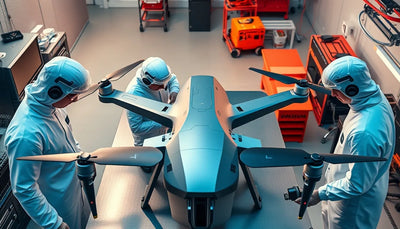
Vertical Aerospace Update Signals Electric Aviation Maturation for Operators - Reboot Hub editorial image
Reboot Hub editorial image for this drone industry analysis.

Reboot Hub analysis: One concrete detail from the source is the mention of “entry into service.” For drone operators, entry into service timelines for eVTOLs directly affect shared airspace integration. When electric air taxis begin commercial operations—expected initially under strict operational limits—the demand for UTM (Unmanned Traffic Management) infrastructure will accelerate. Fleet managers flying DJI Matrice or Inspire series drones for mapping, inspection, or logistics should monitor how these entry‑into‑service dates shape local airspace classification and operator permissions. According to industry precedent, early eVTOL operations are likely to occur in segregated corridors, but the long‑term vision includes seamless mixing with drones, which may require firmware updates or hardware retrofits on existing equipment.

Another source-level observation: the update was released just ahead of Farnborough, a major aerospace event where Vertical Aerospace may showcase its VX4 prototype or announce new partnerships. Such announcements often catalyze investment cycles that flow downstream into battery R&D, electric motor manufacturing, and charging solutions—all technologies shared with high‑end commercial drones. For buyers of pre-owned DJI drones, this means that OEM‑level components (batteries, motors, ESCs) used in current drone generations may soon be superseded by newer standards, potentially affecting the resale value of older platforms. Keeping a close eye on eVTOL battery chemistry announcements can help fleet operators time their trade‑ins or upgrades more strategically.

What this means for drone buyers

It may seem that a London‑based eVTOL company’s update is distant from the daily decisions of a DJI drone operator in North America or Europe. But the entire electric aviation supply chain is connected. Vertical Aerospace’s progress is a proxy for the overall health and velocity of electric flight certification. When a high‑profile company like Vertical moves toward “entry into service,” it validates the regulatory framework being built by agencies such as the EASA and FAA. That same framework will eventually govern drone operations in increasingly complex airspace.

For drone buyers evaluating a new or used purchase today, the practical implication is twofold. First, battery technology seen on large eVTOL platforms often trickles down to drone packs within two to three years. If Vertical’s certification requires high‑cycle‑life, fast‑charging battery packs, those innovations will likely appear in future DJI Enterprise series batteries. Second, the second‑hand market for drones—especially the pre-owned DJI drones segment—will see price adjustments based on obsolescence perceptions. If operators believe that current‑generation batteries will be eclipsed by eVTOL‑derived chemistry, they may accelerate their trade‑in cycles, increasing supply and potentially lowering prices for buyers who act earlier. Our drone trade-in guide can help you evaluate whether your current fleet is positioned for maximum resale value before a technology shift depresses prices.

Additionally, repair decisions become more nuanced as the electric aviation ecosystem matures. Drone shops that offer professional DJI repair services will need to stock batteries and motors that are backward‑compatible with older platforms while also preparing for next‑generation connectors and protocols. For fleet managers, choosing a repair partner that keeps pace with certification‑driven changes is a risk‑management move—especially if your operation relies on larger drones that share powertrain technologies with early eVTOL prototypes.

Broader Market Trends and Pre-owned DJI Implications

Vertical Aerospace’s update sits within a larger financial narrative. The eVTOL sector has seen capital flow toward companies that demonstrate clear certification pathways and commercial partnerships. The fact that Vertical is issuing a pre‑Farnborough update suggests confidence in its near‑term milestones, which can positively influence investor sentiment and, in turn, sector funding. More funding for eVTOL means more R&D into electric propulsion, lightweight materials, and high‑density batteries—technologies that will eventually find their way into commercial UAVs.

For the second‑hand drone market, this creates a predictable pattern: as new electric propulsion standards emerge, older drones powered by more mature battery chemistries (like current Li‑Ion packs) may be perceived as less capable, even if they remain perfectly functional for many operational needs. Savvy buyers of pre‑owned DJI drones should focus on airframe condition, motor hours, and overall system health rather than fearing spec‑sheet obsolescence. A well‑maintained DJI M200 or M300 series drone can still handle industrial inspection and mapping tasks years into the future, especially if genuine OEM spare parts remain available through services like professional DJI repair. The risk is not immediate loss of capability but rather gradual supply chain shifts if OEMs redirect production toward next‑generation components.

The Farnborough Airshow itself, starting a week after this update, will likely feature eVTOL demonstrations and supply chain announcements that clarify timing. Commercial drone operators attending or watching remotely should take notes on battery charging standards and connector types—these will inform infrastructure decisions for drone hangars and ground support equipment in the years ahead.

Preparing for Entry into Service: Fleet Manager’s Next Steps

Vertical Aerospace’s “next phase of development and entry into service” wording suggests that the company is moving beyond lab‐scale prototypes and into production‑ready design verification. For a fleet manager overseeing 20+ DJI enterprise drones, the strategic question is: how much should you invest in your current fleet before the eVTOL‐enabled ecosystem arrives? The answer depends on your operational timeline. If you plan to fly your Matrice or Inspire series for three more years, focusing on OEM‑genuine repairs and battery maintenance is a sound path. If you are considering a fleet expansion within 12 months, evaluating trade‑in value now—before any new battery standards cool the second‑hand market—makes sense.

The drone repair industry will play a supporting role in this transition. As eVTOL certification progresses, the pool of technicians trained on high‑voltage systems will grow, and some of that expertise will cross over into drone repair shops. Fleet managers should prioritize repair partners who invest in ongoing training and certification, as they will be better equipped to handle hybrid airframes that may incorporate similar motor controllers or battery management systems. Our professional DJI repair services already use only genuine OEM parts and follow manufacturer‑approved procedures, which aligns with the quality standards that will be demanded as electric aviation regulation matures.

Reboot Hub analysis: Finally, the pre‑owned DJI market is likely to experience a mid‑cycle shift when the first eVTOL operators commence commercial flights. Media coverage of pilotless or piloted electric air taxis will raise public awareness of electric flight, potentially driving demand for smaller electric drones used in photography, mapping, and inspection. That increased interest could buoy prices for well‑kept pre‑owned units, particularly if inventory tightens due to supply chain constraints. Buyers who monitor these trends and act before the Farnborough headlines fully hit will capture better deals.

How does Vertical Aerospace’s update affect my choice of drone today?

It provides a timeline signal. If you are buying a DJI drone now for professional use, ensure your battery management and charging equipment are compatible with emerging standards. The update does not change current product availability or pricing, but it supports a decision to opt for inspected pre‑owned drones with low flight hours rather than overpaying for new units that may be superseded within two years.

Should I sell my used DJI drone before eVTOL entry into service?

Not necessarily. The second‑hand market remains robust for airframes that are well maintained. However, if you own a high‑time unit with degraded batteries, the trade‑in value may drop faster after eVTOL certification generates media attention about “next‑gen” batteries. Consider selling or trading in through a professional service sooner rather than later to capture current market prices.

Will eVTOL progress mean higher repair costs for my current drone?

In the short term, no. OEM spare parts for current DJI models will remain available for years. Over time, as supply chains pivot to support eVTOL production, some common components (e.g., motor windings, battery cells) may see price volatility. Sticking with a repair shop that uses genuine OEM parts and maintains strong supplier relationships—like Reboot Hub’s professional repair services—can mitigate that risk.

About Reboot Hub Editorial

Drone reporting with operator context

Reboot Hub Editorial Desk reviews public reporting, company announcements, regulatory updates, and market signals, then adds practical analysis for DJI buyers, repair customers, and fleet operators. Commercial links are separated from editorial claims, and corrections can be sent through Contact Us.

Sources consulted

Reboot Hub Editorial adds buyer, repair, resale, and operational analysis for drone owners. If you spot an error, contact us for correction review through our editorial policy.

This article is market commentary for drone operators and buyers, not investment advice. Reboot Hub does not provide financial advice or recommend securities transactions.

Finance Drone industry analysis