Reboot Hub Drone Intelligence
News  /  產業熱點分析  /  DJI Products at Risk: Government Crackdown Implications for...
Regulation

DJI Products at Risk: Government Crackdown Implications for Buyers

Recent reports indicate a government crackdown may restrict DJI products. For drone buyers and fleet operators, this signals potential supply constraints, price volatility, and increased demand for pre-owned DJI drones and professional repair services. Planning procurement now is critical.

DJI Products at Risk: Government Crackdown Implications for Buyers

Recent reporting from channelnews.com.au has drawn attention to growing regulatory pressure on DJI, the world’s leading consumer and enterprise drone manufacturer. The article, titled "DJI Products At Risk After Government Crackdown", highlights an evolving policy landscape that could constrain the availability of new DJI hardware in certain markets. While the exact scope and agency behind the crackdown remain unspecified in the source, the implication is clear: DJI products are facing heightened scrutiny from government authorities. For commercial drone operators, fleet managers, and buyers in the second-hand market, this development demands a reassessment of procurement strategy, repair planning, and long-term fleet sustainability.

This analysis examines what the reported crackdown means for the drone ecosystem, with a focus on concrete operational impacts rather than speculation. We will cover supply chain risks, the growing role of the pre-owned DJI market, repair considerations, and practical steps buyers can take to navigate uncertainty.

What the government crackdown involves

The channelnews.com.au report explicitly states that DJI products are at risk due to a government crackdown. Although the article does not name the specific regulatory body or list precise restrictions, the context suggests that existing national security concerns around Chinese-manufactured drones are entering a new phase. Previous actions in markets such as the United States and Australia have included bans on DJI drones for government use, import restrictions, and procurement limitations for public agencies. The current report indicates that these pressures may extend further, potentially affecting commercial availability and aftermarket support.

Operator checklist

Turn policy news into a safer fleet decision.

Before changing aircraft, compare repair paths, available DJI inventory, and trade-in timing against the rule change.

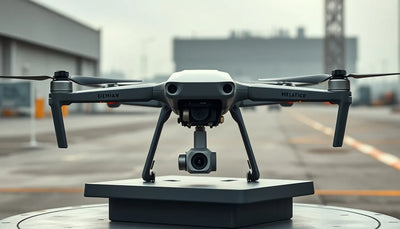
DJI Products at Risk: Government Crackdown Implications for Buyers - Reboot Hub editorial image
Reboot Hub editorial image for this drone industry analysis.

For drone operators, the key takeaway is that regulatory risk is now a concrete factor in equipment planning. Even if no immediate ban is enacted, the uncertainty alone can disrupt supply chains, cause price increases for new units, and shorten the window for purchasing new DJI products at current prices. Fleet managers should monitor official announcements from relevant aviation authorities and trade bodies rather than rely on rumor. The practical implication is that waiting for clarity may be more expensive than acting early.

What this means for drone buyers

For anyone considering a new DJI drone purchase, the crackdown introduces several immediate considerations. First, if new product shipments are delayed or restricted, prices for remaining inventory may rise. Second, aftermarket support for software updates and spare parts could become less predictable if DJI’s distribution network faces regulatory hurdles. Third, commercial certifications or compliance requirements—such as Remote ID or approved operator status—might shift in response to the crackdown.

Drone buyers should therefore evaluate their procurement timelines. If a new drone is needed within the next six months, purchasing sooner rather than later may avoid potential shortages. Alternatively, buyers can look to the pre-owned DJI drones market, which offers a way to acquire airframes that are already in the local market and not subject to new import restrictions. These inspected pre-owned units can provide equivalent performance at a lower cost while reducing exposure to supply chain disruptions.

One operator-facing recommendation: prioritize fleet diversity. Relying solely on one DJI platform for mission-critical tasks may be riskier under the current regulatory climate. Consider adding a secondary, non-DJI system for backup, or build a stock of genuine OEM spare parts for your existing DJI fleet to extend operational life.

Pre-owned DJI market and repair implications

Reboot Hub analysis: The government crackdown is likely to accelerate demand for pre-owned DJI drones. When new supply is constrained, buyers naturally turn to the secondary market. This dynamic has been observed in previous regulatory actions, such as the US Department of Defense ban on DJI, which spurred a surge in certified pre-owned sales. In the current environment, we anticipate similar pressure on inventory of popular models like the Mavic 3, Matrice 300, and Phantom series.

For fleet operators, this means that pre-owned DJI drones will hold their value better than usual. Selling existing fleet assets via a drone trade-in guide may fetch favorable prices if done before supply tightens further. Conversely, buyers seeking pre-owned units should act promptly and verify the provenance of the airframe, including flight hours, maintenance history, and parts authenticity.

Repair services also become more critical as the fleet ages. With potential restrictions on new OEM parts distribution, the ability to repair drones using high-quality OEM-pulled parts from retired airframes will be a key differentiator. Professional DJI repair services that use genuine components can extend the life of existing drones by years, delaying the need for new purchases. Operators should establish relationships with independent repair providers that stock genuine DJI parts and offer detailed diagnostics.

It is also important to note that the crackdown does not necessarily affect servicing of already imported drones. Most regulatory actions target new importation rather than maintenance of existing units. Therefore, investing in repair capability now—whether in-house or through a trusted partner—is a prudent hedge against supply uncertainty.

Planning for supply chain uncertainty

The DJI crackdown story is a reminder that drone operators operate within a geopolitical framework that can shift rapidly. While the source does not provide a timeline or specific penalty thresholds, the direction of travel is unmistakable. Fleet managers should incorporate regulatory scenarios into their procurement budget for the next 12 to 24 months.

Practical steps include: ordering spare parts in bulk for the most common components (propellers, batteries, motors, gimbals) while they remain easily available; evaluating the total cost of ownership for pre-owned airframes versus new units under potential tariff or licensing requirements; and considering longer-term maintenance contracts with repair specialists who have access to genuine OEM spare parts.

For individual buyers, the advice is equally straightforward. If you have been considering a DJI drone for work or hobby, do not delay the purchase without weighing the risk of price inflation or non-availability. Additionally, explore the pre-owned market where units are already in-market and not subject to new import controls. Finally, maintain your current drone to the highest standard so it remains airworthy as long as possible.

Is DJI banned entirely?

No, the source does not report a complete ban. It indicates that DJI products are at risk due to a government crackdown, but no specific prohibition has been confirmed as of July 2026. Operators should continue monitoring official announcements.

How will this affect used drone prices?

Historical precedent suggests that when new supply is constrained, pre-owned DJI drone prices rise. Buyers may see higher asking prices for popular models, making inspected pre-owned units a more attractive alternative to new purchases.

What should I do with my current DJI fleet?

Implement a proactive maintenance schedule. Stock up on genuine OEM spare parts while they are available and schedule professional assessments to identify components that may wear out soon. Consider a trade-in for higher-value models if your fleet is underutilized.

About Reboot Hub Editorial

Drone reporting with operator context

Reboot Hub Editorial Desk reviews public reporting, company announcements, regulatory updates, and market signals, then adds practical analysis for DJI buyers, repair customers, and fleet operators. Commercial links are separated from editorial claims, and corrections can be sent through Contact Us.

Regulation Drone industry analysis