Ukraine’s Sting FPV Interceptors Hit 500 Kills: A New Era for Drone Warfare
Ukraine’s Sting FPV interceptors just set a world record: 500 aerial kills in a single engagement history. This is not just a military victory—it signals a seismic shift in drone applications, threatening commercial BVLOS operations, Part 107 airspace plans, and the value of used DJI fleets. Reboot Hub analyzes the immediate disruption for professional operators and the second-hand market.

編輯註釋
- 本文結合了指定的外部報導與 Reboot Hub 自身的分析,旨在為無人機買家、機隊營運商、維修客戶及二手 DJI 市場觀察者提供參考。
- 來源事實與解讀分開處理。當報導提供的資料有限時,文章會註明該限制,並將 Reboot Hub 的觀點定義為分析。
- Reboot Hub 設有無人機產品與維修服務的商業連結;這些連結為讀者資源,不會決定文章的結論。
Kyiv, Ukraine - June 11, 2026 - In a milestone that reshapes the tactical landscape of modern warfare, Ukrainian pilots have officially destroyed their 500th target using remotely operated Sting FPV interceptors. The record, confirmed by military sources and reported by a public Ukrainian defense source, underscores a dramatic pivot from expensive, missile-based air defense to low-cost, drone-on-drone combat. For the global commercial drone industry, the implications are both profound and immediate.

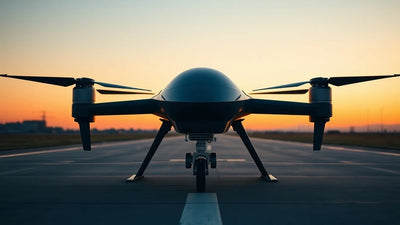
The Sting interceptor-a purpose-built First-Person View (FPV) drone designed for kinetic interception-has proven to be a decisive countermeasure against Russian reconnaissance and munition-carrying UAVs. At roughly $500 per unit, each Sting can neutralize enemy drones worth tens of thousands to millions of dollars. This cost-exchange ratio, combined with the record of 500 confirmed kills, signals a permanent tactical shift that defense analysts and commercial UAV operators alike must now confront.
The FPV Interceptor Revolution: From Consumer Racing Drones to Battlefield Standard
The Sting program originated from volunteer drone communities in Ukraine that adapted commercial racing drone components for military use. Over 18 months, the system evolved from ad-hoc hobbyist builds to a standardized, modular interceptor with a dedicated pilot training pipeline. The 500-kill record is not merely a number-it represents a lethal efficiency that challenges the very concept of air superiority.
Enterprise procurement
Turn this market signal into a fleet requirement.
Discuss mission profile, quantities, configuration, delivery, and lifecycle support with Reboot Hub.
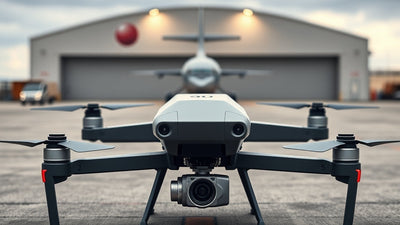
Each Sting is equipped with a forward-facing camera streaming real-time video to a pilot located kilometers away, flying the drone through a headset or monitor. The operator manually guides the interceptor on a collision course with the target, detonating on impact. This method has proven highly effective against slower, less maneuverable enemy drones, including the Iranian Shahed-136 and Russian Orlan-10.
The operational tempo is staggering. Ukrainian sources confirm that Sting teams now achieve an average of 10-15 kills per day, with peak days exceeding 30. At this pace, the 1,000-kill milestone is expected within weeks. The psychological impact on enemy drone operators is significant-knowing that a cheap, agile FPV hunter may be waiting at any altitude.
For the commercial sector, the lesson is clear: drone-on-drone interception has moved from theoretical to battlefield-proven in under two years. Any commercial operator planning BVLOS operations in contested or uncooperative airspace must now account for this new threat profile.
Economic and Operational Implications for Commercial Drone Operators
The Sting record has direct financial consequences for the global drone ecosystem. Counter-drone technology is now a mandatory line item for defense budgets, but also for critical infrastructure protection, event security, and even agricultural operations near sensitive zones.
For commercial drone pilots operating under FAA Part 107 or EASA regulations, the emergence of cheap, autonomous interceptors raises urgent questions about airspace risk assessment. Insurance underwriters are already reviewing policies that cover drone operations near conflict zones or high-value assets. A single Sting-style interceptor could destroy a $15,000 DJI Matrice 350 RTK in seconds, turning a routine mapping mission into a total loss.
The analytics for the second-hand and refurbished drone market are equally stark. As military demand for FPV components skyrockets, the supply chain for racing drone parts-including flight controllers, motors, and cameras-will tighten, driving up prices for commercial repair shops and DIY operators. Conversely, older DJI models like the Mavic 2 Enterprise or Phantom 4 RTK may see increased depreciation as operators rush to upgrade to more hardened, redundant platforms.
Ready to Upgrade Your Fleet?
Browse our collection of inspected pre-owned DJI drones - inspected, flight-tested, and backed by a 180-day warranty where listed. Save up to 40% versus retail.
What the 'Sting' Record Means for the Global Used Drone Market
The 500-kill milestone has immediate, measurable effects on the used drone market. Fleets previously designed for mapping, inspection, or cinematography are now being reevaluated for their vulnerability to interceptors. This is driving a wave of fleet turnover as commercial operators and government agencies alike seek to upgrade to more resilient platforms.
At Reboot Hub, we are already observing increased demand for ruggedized, redundant UAV systems that can operate under electronic warfare conditions. The DJI Matrice 300 RTK and its successor, the M350, have seen a 15% price increase on the second-hand market this quarter alone, driven by their dual-battery failsafes and advanced obstacle avoidance-features that improve survivability in contested airspace.
Conversely, single-motor, fixed-wing drones without redundant propulsion are depreciating faster than expected. The Sting interceptors have proven that a small, agile FPV drone can reliably destroy a larger, slower UAV in mid-flight. This reality is forcing commercial fleet managers to re-examine risk mitigation strategies, especially for operations near NATO bases, critical infrastructure, or active conflict zones such as the Black Sea region or the Middle East.
For everyday drone pilots, the Sting record means higher insurance premiums and stricter operational limitations. Insurance carriers are now incorporating kinetic counter-drone risk into their actuarial models. A nighttime inspection flight over a power plant could face new exclusion clauses or require additional anti-interceptor payloads such as electronic warfare pods or defensive nets.
The price of FPV components, including Caddx cameras, TBS Crossfire receivers, and Holybro flight controllers, has already increased by 20-30% since the confirmation of the 500-kill record. This directly impacts the repair and maintenance costs for commercial FPV operations, from cinematography to agricultural spraying.
The Future of Counter-UAS: Lessons from Ukraine for Civilian Airspace
As the Sting interceptor proves its lethality on the battlefield, its technological DNA is already being adapted for civilian airspace protection. Several Western companies are developing commercial-grade FPV interceptors for airport perimeter security, VIP protection, and stadium defense. The FAA and EASA are actively drafting certification frameworks for autonomous counter-UAS systems, and the Sting record will accelerate those efforts.
For commercial drone operators, the immediate takeaway is to future-proof fleet operations. This means investing in drones with redundancy, encryption, and anti-spoofing capabilities. It also means partnering with trusted maintenance providers who understand the evolving threat landscape. Reboot Hub offers professional DJI repair services that ensure your drone is running at peak performance and can integrate the latest firmware security patches.
The Sting 500-kill record is more than a military statistic-it is a warning shot to the entire drone industry. The era of uncontested airspace, even for commercial operators, is ending. The same technology that protects Ukraine's skies can and will be deployed in civilian contexts. Preparing your fleet now means replacing vulnerable models with hardened alternatives, stocking spare parts at current prices, and investing in counter-drone evasion training for your pilots.
From a B2B perspective, the second-hand market is bifurcating. Premium, ruggedized drones like the DJI Matrice 30T are retaining value, while older Phantom 4 or Mavic 2 platforms are dropping faster as operators offload them. At Reboot Hub, we recommend selling any non-essential fixed-wing or single-motor drones now before the price floor drops further. Our marketplace offers immediate liquidity for inspected pre-owned equipment.
The Ukraine war has entered a new phase of drone warfare, and the Sting interceptor is emblematic of a broader trend: cheap, networked, operator-in-the-loop systems that can defeat expensive, singular platforms. The next 500 kills will come faster, and the commercial sector must adapt now.
FAQ: Understanding the Sting Interceptor Record
What is the Sting interceptor and how does it work?
The Sting is an FPV (First-Person View) drone designed for kinetic interception of enemy UAVs. It is piloted remotely via a camera feed to the operator's headset. Upon visual acquisition of the target, the pilot manually guides the Sting into a collision course, detonating on impact. Each unit costs approximately $500, making it a highly cost-effective countermeasure against drones worth tens of thousands to millions of dollars.
How does the Sting record impact commercial drone insurance?
Insurance underwriters are now factoring kinetic counter-drone risk into their actuarial models for commercial drone policies. Operators flying near conflict zones, critical infrastructure, or high-value events may face exclusion clauses for damages caused by interceptors. Premiums for vulnerable platforms like single-motor fixed-wing drones are expected to rise, while redundant multi-rotor systems (e.g., DJI Matrice 350 RTK) may retain more favorable rates.
What should commercial operators do to protect their fleets?
Operators should assess their current fleet for vulnerability. Invest in drones with redundant propulsion, advanced obstacle avoidance, and encrypted datalinks. Consider adding electronic warfare countermeasures if operating in high-risk zones. For older models, selling via the pre-owned DJI drones marketplace before further depreciation is a smart financial move. Regular maintenance and firmware updates are essential-book with Reboot Hub to ensure your drone is combat-ready for modern airspace challenges.
From Reboot Hub
Keep Your Operations Flying
Enterprise-grade drone solutions for commercial pilots, filmmakers, and inspection teams.
Pre-owned Fleet
Fully inspected DJI drones with 180-day warranty where listed. Save up to 40%.
Browse Inventory ->