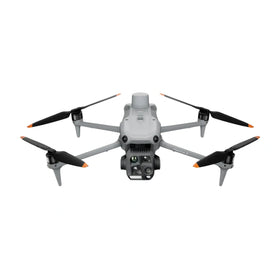
Drones at 100: From the Queen Bee to the Age of Autonomous Swarms
A century ago, the "Queen Bee" took flight, birthing the drone industry. As we hit this 100-year milestone in 2026, the commercial UAV landscape is unrecognizable. From BVLOS waivers and RTK-grade surveying to a booming used drone market driven by rapid fleet turnover, this analysis breaks down what the legacy of the Queen Bee means for today's operators facing Part 107 compliance, airspace restrictions, and the relentless push toward fully autonomous operations. The stakes for staying current have never been higher.

編輯註釋
- 本文結合了指定的外部報導與 Reboot Hub 自身的分析,旨在為無人機買家、機隊營運商、維修客戶及二手 DJI 市場觀察者提供參考。
- 來源事實與解讀分開處理。當報導提供的資料有限時,文章會註明該限制,並將 Reboot Hub 的觀點定義為分析。
- Reboot Hub 設有無人機產品與維修服務的商業連結;這些連結為讀者資源,不會決定文章的結論。
On this day, May 31, 2026, we mark an extraordinary milestone: exactly 100 years since the first flight of the de Havilland Tiger Moth "Queen Bee" - the world's first mass-produced remote-controlled aircraft. What began as a radio-controlled target drone for the British Royal Navy has evolved into a global industry worth tens of billions of dollars, reshaping everything from Hollywood cinematography to precision agriculture, infrastructure inspection, and last-mile delivery. The centennial of the Queen Bee is not merely a historical footnote; it is a powerful lens through which to examine the explosive growth, the regulatory crucible, and the market dynamics defining the commercial drone sector today.
The Queen Bee, a modified Tiger Moth biplane fitted with a radio control system developed by the Royal Aircraft Establishment, first flew on May 31, 1926. It was a marvel of its era: a wooden, fabric-covered aircraft that could be flown remotely for gunnery practice. Over 400 were built, and they served until the 1940s. This humble beginning laid the technological and philosophical groundwork for every modern UAV, from the DJI Phantom to the General Atomics MQ-9 Reaper. As we look back at this centennial, we must also look forward - to a market that is simultaneously maturing, fragmenting, and accelerating at a dizzying pace.
The Queen Bee's DNA: How a 1926 Target Drone Shaped Modern UAV Architecture
The Queen Bee's fundamental innovation was not just remote control; it was the concept of a reusable, expendable, and remotely piloted airframe. This DNA is visible in every modern drone. The Queen Bee introduced the idea of a "drone" as a system of components: an airframe, a control link, a power source (engine and fuel), and a payload (in its case, a target banner). Today, commercial drones follow the exact same architecture, albeit with silicon, lithium polymer, and GPS.
Reader resources
Turn this drone news into a practical next step.
Compare inspected pre-owned DJI drones, repair options, and trade-in timing before the market moves again.
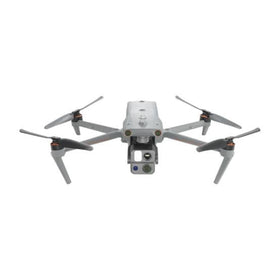
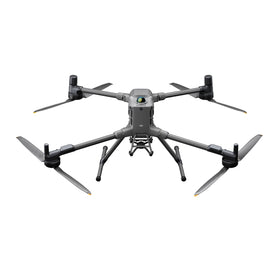
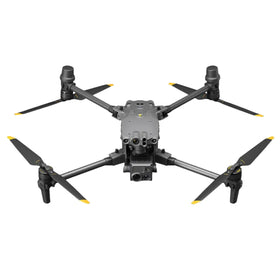
The legacy is especially pronounced in the defense sector, where the Queen Bee's direct descendants - target drones like the BQM-167 and the Kratos BQM-177 - are still used for air-to-air and surface-to-air missile training. However, the commercial spillover has been immense. The miniaturization of sensors, the proliferation of 4G/5G telemetry, and the advent of RTK (Real-Time Kinematic) positioning have all been accelerated by the foundational concept of the drone as a remote sensing platform. For the modern commercial operator flying a DJI Matrice 350 RTK or an Autel EVO Max 4T, the Queen Bee is the great-grandparent of their workflow.
What does this centennial mean for the average Part 107 pilot in 2026? It is a stark reminder that the technology we take for granted - automated flight, geofencing, obstacle avoidance - is the result of a century of iterative innovation. The Queen Bee required a pilot on the ground with a joystick and a lot of luck. Today, a single operator can manage a fleet of autonomous drones flying BVLOS (Beyond Visual Line of Sight) routes over miles of pipeline or farmland, collecting data with centimeter-level accuracy. The progression from manual radio control to AI-driven swarm autonomy is the defining narrative of this century-long journey.
Market Implications: The Centennial Effect on Fleet Lifecycles and the Second-Hand Market
For the commercial drone market, the Queen Bee centennial arrives at a pivotal moment. The industry is grappling with rapid technological obsolescence. A drone purchased just three years ago may lack the advanced obstacle avoidance, RTK modules, or thermal integration required for modern contracts. This has created a vibrant and essential used drone market, where operators can acquire capable, pre-owned equipment at a fraction of the retail cost.
The centennial underscores a critical truth: the drone industry is now a mature technology sector, not a nascent experiment. Just as the automotive industry has a thriving second-hand market, so too does the UAV industry. The Queen Bee itself was based on a proven airframe (the Tiger Moth), and that principle of leveraging existing, proven hardware continues today. For commercial operators looking to expand their fleet, enter a new vertical like thermal inspection or LiDAR mapping, or simply replace a damaged unit, the second-hand market offers a path to profitability that bypasses the steep depreciation of new models.
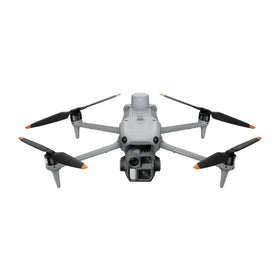
This is where Reboot Hub plays a crucial role. As the drone ecosystem matures, the need for trusted intermediaries who can inspect, certify, and warranty pre-owned equipment becomes paramount. The Queen Bee centennial is a perfect moment to reflect on the lifecycle of drone technology. A well-maintained DJI Mavic 3 Enterprise or a Phantom 4 RTK can still deliver exceptional results for many surveying and inspection tasks, provided it has been properly serviced and calibrated. The key is knowing where to find reliable, flight-tested equipment.
Ready to Upgrade Your Fleet?
Browse our collection of inspected pre-owned DJI drones - inspected, flight-tested, and backed by a 6-month warranty. Save up to 40% versus retail.
Regulatory Crossroads: From Queen Bee's Open Skies to Modern Airspace Integration
The Queen Bee flew in an era of virtually no airspace regulation. The only rules were those of physics and common sense. Today, the regulatory landscape is the single greatest determinant of commercial drone viability. The FAA's Part 107 rules, Remote ID mandate, and the slow but steady rollout of BVLOS waivers are the modern equivalent of the radio control frequencies that governed the Queen Bee.
In 2026, the regulatory environment is at a critical juncture. The FAA has recently expanded the scope of its BVLOS Aviation Rulemaking Committee (ARC) recommendations, pushing toward a framework that allows routine, scalable BVLOS operations. This is a direct echo of the Queen Bee's original mission: to operate beyond the visual line of sight of its pilot. The difference is that today's BVLOS operations involve sophisticated detect-and-avoid systems, networked ground control stations, and real-time telemetry links that would have been science fiction to the Queen Bee's designers.
For commercial operators, the regulatory trajectory is clear: the future belongs to those who can demonstrate compliance and safety. This means investing in drones that are equipped with robust geofencing, ADS-B in/out, and redundant communication links. It also means understanding the lifecycle of your equipment. As regulations tighten, older drones that cannot be upgraded to meet new standards (such as Remote ID broadcast modules or specific software requirements) will become obsolete. This is another driver of the used drone market, as operators sell off legacy fleets to upgrade to compliant platforms.
What the Queen Bee Centennial Means for Today's Drone Pilot and Operator
To distill the impact of this centennial, we can frame it as a direct Q&A for the commercial drone community.
Q: How does the Queen Bee centennial affect my daily operations as a Part 107 pilot?
A: It provides a crucial historical perspective. The Queen Bee's development was driven by a specific military need, but the commercial spillover has been vast. The centennial is a reminder that the drone industry is not a fad; it is a 100-year-old technology sector undergoing rapid, iterative change. For the daily operator, this means that staying current with technology and regulations is not optional - it is a survival imperative. The gap between a 2026 drone and a 2023 model is as wide as the gap between the Queen Bee and a 1980s radio-controlled model aircraft.
Q: What does this mean for fleet management and equipment purchasing?
A: The centennial highlights the importance of lifecycle management. The Queen Bee was built to be reused, but it had a finite service life. Modern drones are no different. The best strategy for a commercial operator is to treat drones as capital equipment with a predictable depreciation curve. This is where the second-hand market becomes a strategic asset. By purchasing pre-owned DJI drones from a trusted source like Reboot Hub, operators can acquire high-performance platforms at a price point that allows for faster ROI and more aggressive bidding on contracts.
Q: What is the biggest risk for operators ignoring this trend?
A: Obsolescence. The drone market is moving toward autonomy, AI-driven data processing, and tighter regulatory compliance. An operator flying a non-compliant or outdated drone will find themselves locked out of high-value contracts that require RTK accuracy, thermal imaging, or BVLOS capability. The cost of being left behind - lost revenue, missed opportunities, and potential fines for non-compliance - far outweighs the initial savings of buying old, unsupported equipment.
The Queen Bee's legacy is not just about the past; it is a blueprint for the future. The drone industry is entering its second century, and the pace of change will only increase. For the commercial operator, the path forward involves smart investment in proven technology, a clear understanding of regulatory trends, and a willingness to leverage the second-hand market to build a resilient, cost-effective fleet.
At Reboot Hub, we understand this dynamic. Our mission is to provide the commercial drone community with access to high-quality, pre-owned DJI drones that meet the demands of modern operations. Whether you are upgrading your fleet, replacing a damaged unit, or entering a new market segment, our inventory of flight-tested equipment - backed by a rigorous inspection process and a comprehensive warranty - offers a reliable, cost-effective solution. Additionally, our professional DJI repair services ensure that your existing fleet remains airworthy and compliant, extending its useful life and maximizing your investment.
As we commemorate 100 years of drone innovation, from the Queen Bee's first flight to the autonomous swarms of tomorrow, one thing is certain: the market for capable, reliable, and affordable UAVs has never been stronger. The second-hand market is not a compromise; it is a strategic advantage. Embrace it, and you will be well-positioned for the next century of flight.
FAQ: The Queen Bee Centennial and the Commercial Drone Market
Why is the Queen Bee considered the first modern drone?
The Queen Bee was the first aircraft designed from the outset for remote control and mass production. It established the core concept of a reusable, remotely piloted airframe that could carry a payload, a principle that underpins every commercial drone today.
How does the centennial affect the value of my current drone?
While the centennial itself does not directly change market values, it highlights the rapid pace of technological change. Drones that are 3-5 years old may have significantly lower resale value due to advancements in sensors, autonomy, and regulatory compliance. This makes the inspected pre-owned market an excellent place to buy, as depreciation has already occurred.
Where can I find reliable, inspected pre-owned drones?
Reboot Hub specializes in providing pre-owned DJI drones that have been professionally inspected, flight-tested, and come with a warranty. This offers a safe, transparent alternative to peer-to-peer marketplaces.
--
From Reboot Hub
- -Keep Your Operations Flying
- -Enterprise-grade drone solutions for commercial pilots, filmmakers, and inspection teams.
- -Pre-owned Fleet
- - - -Fully inspected DJI drones with 6-month warranty. Save up to 40%.
- - - - Browse Inventory -> - - -Expert Repair
- - - -Professional diagnostics with genuine OEM parts. Same-day estimates.
- - - - Book a Repair -> - - -Spare Parts
- - - -Batteries, propellers, gimbals -- premium OEM components, fast shipping.
- - - - Shop Parts -> - - -