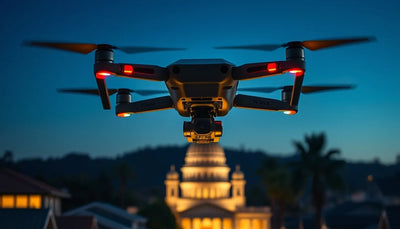
DJI Mavic Pro Legacy: What It Means for Buyers and the Pre-Owned Market
The DJI Mavic Pro redefined portable aerial cinematography. Years later, its legacy influences buying decisions in the pre-owned drone market. We examine what fleet operators and individual buyers should consider when evaluating this classic model.

The DJI Mavic Pro, once hailed as the lightest DJI drone of its era, remains a significant reference point in the commercial and consumer drone landscape. A recent review highlighted by WIRED and covered by consumerthai underscores the enduring appeal of this model, which brought "movie magic" to a portable form factor. Nearly a decade after its launch, the Mavic Pro still occupies a meaningful place in the pre-owned market, second-hand trades, and repair workshops. For buyers weighing budget versus capability, and for fleet operators managing mixed inventories, understanding the Mavic Pro's current position is essential.
The Mavic Pro's legacy in a changing market
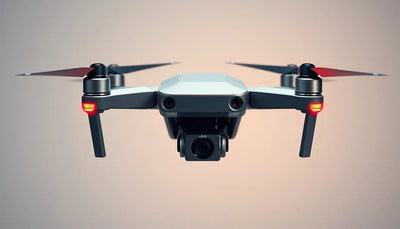
The source article from Google News DJI notes the Mavic Pro's reputation as a lightweight, capable drone that delivered professional-grade imagery. At its release, the Mavic Pro disrupted the assumption that cinematic aerial footage required large, cumbersome equipment. That breakthrough reshaped buyer expectations and indirectly pushed the entire industry toward more compact designs. Today, the Mavic Pro is no longer the lightest DJI drone—newer Mini series models have claimed that title—but its build quality, foldable design, and stable flight characteristics continue to attract a loyal following.
For drone buyers exploring the pre-owned DJI market, the Mavic Pro represents a proven entry point. Its camera, while not matching the latest sensors, still produces usable content for real estate photography, small-scale mapping, and inspection work. Fleet operators often keep Mavic Pro units as backup airframes because of their predictable handling and widespread availability of spare parts. The source's emphasis on "movie magic" reminds us that the Mavic Pro was never just a toy—it was a tool that broadened access to serious aerial cinematography.
Market context
Turn market news into a buy, repair, or trade-in decision.
Compare pre-owned availability, resale timing, and repair economics before the market moves again.

What this means for drone buyers
Anyone considering a Mavic Pro today should approach it with clear eyes. The unit is no longer in active production from DJI, meaning new old stock may be difficult to find, and warranty support is minimal. However, the active pre-owned market offers many well-maintained units at attractive price points. Buyers should prioritize airframes with low flight time, original props, and documented care history. Because the Mavic Pro uses a first-generation OcuSync transmission system, operators in dense urban or high-interference environments may experience slightly shorter effective range compared to newer models.
If you are buying for a fleet or as a personal starter drone, the Mavic Pro remains a sensible option—provided you account for the aging electronics. For those looking to upgrade or trade in an older unit, the drone trade-in guide can help you understand current resale value. Fleet managers should also note that professional repair services are well-versed in Mavic Pro maintenance. Sourcing genuine OEM spare parts is straightforward through specialized channels, which extends the operational life of these drones significantly.
Pre-owned market dynamics and buyer considerations
The Mavic Pro's strong presence in the second-hand market is a direct result of its original popularity and durable design. Many drones from the 2016-2018 era have been retired or upgraded, creating a steady supply of used units. The source article's mention of "lightest DJI drone" at the time helps explain why many owners held onto their Mavic Pro for years—it was compact enough to travel, powerful enough to deliver, and easy enough to maintain.
When evaluating pre-owned DJI drones, particularly the Mavic Pro, pay close attention to battery health, gimbal condition, and firmware compatibility. Older batteries may have reduced capacity, and some original units lack the latest geofencing updates. A thorough inspection by a professional DJI repair service can verify structural integrity and ensure that all components meet safety standards. For buyers seeking a quiet, proven airframe without the cost of new equipment, the Mavic Pro represents a compelling value.
Impact on repair services and spare parts supply
Because the Mavic Pro has been in the market for nearly a decade, a robust ecosystem of replacement parts and repair expertise has developed. This is good news for operators who want to keep their units flying rather than replace them. Common wear items such as propellers, motor bearings, and gimbal ribbons are widely available as genuine OEM spare parts. Many independent repair centers stock these components, and lead times are usually short.
For those considering a pre-owned purchase, the availability of parts reduces long-term total cost of ownership. A well-maintained Mavic Pro can serve reliably for years with periodic service. Conversely, a neglected unit may require costly repairs that exceed its resale value. The source article's focus on the Mavic Pro's cinematic capability reminds operators that image quality alone does not determine a drone's usefulness—reliability and support infrastructure matter just as much. If you are planning to buy a used Mavic Pro, factor in a professional inspection and a spare parts budget from the start.
Is the DJI Mavic Pro still worth buying in 2026?
Yes, for budget-conscious buyers who value portability and proven performance. The Mavic Pro can still deliver solid aerial footage and is fully capable for many commercial tasks. The key is to buy from a reputable source, verify the condition, and accept that it lacks newer features like obstacle sensing in all directions or improved transmission range.
How does the Mavic Pro compare to the latest DJI Mini series?
No direct specs are available from the source for comparison, but generally the Mavic Pro offers a more stable camera gimbal and a slightly larger sensor than many Mini models, while the Mini series is lighter and benefits from newer transmission technology. For operators who need robust footage in moderate wind, the Mavic Pro still holds an edge.
Where can I find genuine spare parts for a Mavic Pro repair?
Genuine OEM spare parts for the Mavic Pro are available through authorized service centers and specialty retailers that stock legacy components. Many professional DJI repair facilities, including those listed on the professional DJI repair services page, have access to original parts. Always verify that the parts are OEM to maintain flight safety and reliability.
參考來源
- consumerthai via Google News - primary source
- DJI official product information - official company source
- Reboot Hub professional DJI repair services - official service context
- DJI Support - official support source
Reboot Hub 編輯部為無人機所有者提供購買、維修、轉售及營運分析。若發現錯誤,請根據我們的編輯政策聯絡我們進行更正審查。