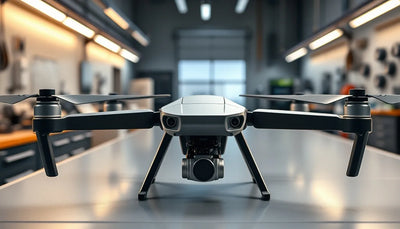
Arsenal de drones DIY da Ucrânia: o que significa para os compradores comerciais
A dependência da Ucrânia em relação às modificações dos drones DIY expõe uma lacuna crítica na indústria de defesa. Para os operadores comerciais, esta tendência levanta questões sobre a integridade da garantia, a sustentabilidade das reparações e o valor a longo prazo dos equipamentos usados que podem ter sido modificados no terreno.

O recente relatório sobre o laboratório de armas DIY da Ucrânia, publicado pela Medium e agregado pela Google News, pinta um quadro nítido de uma indústria de defesa que está a lutar para acompanhar o ritmo da improvisação no campo de batalha. O artigo descreve como os engenheiros e voluntários ucranianos estão a montar drones modificados, a reutilizar componentes comerciais e a construir sistemas não tripulados armados a partir de peças nunca destinadas ao combate. Embora o artigo argumente que isto é uma “vergonha” para toda a indústria de defesa, a história comercial mais profunda é sobre o que estas modificações significam para os próprios drones e para os compradores, operadores de frotas e clientes de reparação que dependem deles.
Para quem compra, mantém ou revende UAV comerciais, o fenómeno DIY da Ucrânia não é uma história de guerra distante. É um caso de estudo real sobre como as modificações eletrónicas, as alterações não autorizadas de firmware e as substituições de peças fora do mercado afetam a segurança, a fiabilidade e o valor residual do drone. As mesmas forças que impulsionam a improvisação no campo de batalha também aparecem no mundo civil quando os utilizadores tentam ampliar o alcance, adicionar cargas úteis ou contornar restrições de software. Compreender os riscos na Ucrânia ajuda os operadores comerciais a tomar decisões mais claras sobre a manutenção, o fornecimento e o mercado de usados.
O que nos diz o laboratório DIY da Ucrânia sobre os riscos de modificação
O relatório do Medium destaca que as equipas ucranianas estão a desmontar drones disponíveis comercialmente e a reconstruí-los com cargas úteis, baterias e sistemas de controlo que os fabricantes originais nunca aprovaram. Não se trata de um fenómeno novo, mas a escala e a urgência das necessidades de defesa aceleraram a prática. A fonte não cita modelos específicos de drones, mas a implicação é que muitas plataformas provêm de fabricantes chineses, europeus ou americanos cuja documentação de serviço e cadeias de fornecimento de peças sobressalentes não foram concebidas para reparação em campos de batalha.
Fleet readiness
Keep DJI hardware available without overbuying new units.
Use defense and fleet news as a planning signal for repair support, inspected pre-owned aircraft, and replacement timing.

O paralelo comercial é claro: qualquer modificação não autorizada de hardware ou software anula a cobertura da garantia, desliga o drone do apoio do fabricante e, muitas vezes, invalida as apólices de seguro. Para os operadores de frotas, uma única fuselagem modificada pode criar responsabilidades durante uma rotação inteira se forem trocadas peças sobressalentes, baterias ou motores sem proveniência documentada. A abordagem DIY na Ucrânia, embora eficaz para as necessidades militares urgentes, produz drones cuja manutenção é quase impossível através dos canais normais. Esta é uma nota de aviso para qualquer comprador que considere um drone usado que possa ter sido submetido a reparações no terreno ou a uma troca de componentes pelo proprietário anterior.
As críticas do artigo à indústria de defesa apontam também para uma lacuna no mercado pós-venda: não existe um ecossistema padronizado para recertificar os drones modificados de volta à condição de aeronavegabilidade. No mundo civil, esta lacuna é parcialmente colmatada por serviços como serviços profissionais de reparação DJI que utilizam peças sobressalentes originais OEM e seguem os protocolos do fabricante. Sem esta infraestrutura, os drones DIY tornam-se ativos de missão única sem valor de revenda.
O que significa isto para os compradores de drones
Para os compradores comerciais de drones, a história do DIY da Ucrânia reforça a importância da origem. Um drone que foi aberto, soldado ou atualizado com firmware personalizado é um drone que perdeu a sua aeronavegabilidade garantida pelo fabricante. O mercado de usados já está cauteloso em relação às aeronaves modificadas, e esta notícia só vai aumentar o escrutínio. Os compradores devem insistir em registos de manutenção, exportações de dados de telemetria e provas visuais de que a fuselagem não foi comprometida.
Os gestores de frotas que operam em setores adjacentes à defesa – como a busca e salvamento, a inspeção de infraestruturas críticas ou a segurança – devem também rever as suas políticas internas sobre a modificação de drones. A linha entre “atualização consistente” e “alteração DIY” é frequentemente confundida pelos vendedores de acessórios de terceiros. O exemplo da Ucrânia demonstra o risco operacional: um drone modificado pode ter um bom desempenho numa oficina, mas falhar imprevisivelmente no terreno. Para os compradores que pretendam adquirir equipamentos usados, é essencial adquirir um fornecedor que inspecione e documente rigorosamente cada componente. Plataformas como drones DJI usados de vendedores estabelecidos oferecem uma rastreabilidade que as listagens individuais do mercado não conseguem igualar.
A lição prática para um comprador ou piloto: antes de comprar qualquer drone usado, faça duas perguntas específicas. Em primeiro lugar, os controladores eletrónicos de velocidade, o controlador de voo ou os motores foram substituídos por peças não OEM? Em segundo lugar, o drone já voou com uma carga superior ao peso máximo publicado pelo fabricante? Se o vendedor não conseguir responder com a documentação, o risco de herdar uma modificação ao estilo DIY é elevado.
Lições sobre a cadeia de abastecimento para operadores de frotas e oficinas
O artigo do Medium refere que os laboratórios DIY da Ucrânia são uma resposta direta ao fornecimento insuficiente de drones militares construídos especificamente. Esta mesma fragilidade no fornecimento afeta os operadores comerciais quando as peças sobressalentes OEM são atrasadas, descontinuadas ou alocadas a contratos governamentais. A dependência da indústria de drones num pequeno número de fabricantes de componentes significa que as oficinas recorrem frequentemente a remessas cruzadas ou equivalentes de pós-venda – uma forma mais suave das modificações DIY vistas na Ucrânia.
Para os clientes de reparação, a lição é que as peças sobressalentes originais OEM não são um luxo; são um pré-requisito para manter a integridade da fuselagem e o valor de revenda futuro. A experiência ucraniana mostra que quando a cadeia de abastecimento se rompe, a improvisação assume o controlo e o resultado é uma frota de drones que não pode ser mantida ou comercializada de forma fiável. Os operadores comerciais devem armazenar peças sobressalentes críticas de fontes fiáveis e evitar a tentação de “se contentar” com componentes de origens desconhecidas. Os centros de reparação profissionais que utilizam peças OEM, como serviços profissionais de reparação DJI, oferecem um caminho intermédio: a fiabilidade das especificações do fabricante sem os atrasos do suporte direto da fábrica.
Outra implicação é para o mercado de usados. Os drones que foram assistidos com peças OEM e procedimentos documentados alcançam preços mais elevados e atraem mais compradores. Como realça a história da Ucrânia, a história de uma fuselagem é o seu activo mais valioso – e mais frágil. Os operadores de frotas que planeiam atualizar devem considerar um guia de troca de drones isto ajuda a avaliar se um modelo mais antigo ainda tem valor ou se deve ser retirado antes de se tornar uma experiência DIY.
Erosão de valor a longo prazo no mercado DJI usado
O mercado de drones usados cresceu rapidamente à medida que as operadoras atualizam para modelos mais recentes e vendem as suas fuselagens mais antigas. A tendência DIY da Ucrânia introduz um novo risco: alguns drones que parecem ser modelos comerciais padrão podem ter sido modificados para uso militar e depois repatriados para mercados civis. O artigo original não menciona rotas comerciais específicas, mas a consequência lógica é que os drones utilizados provenientes de zonas de conflito ou regiões adjacentes podem transportar modificações ocultas.
Para os compradores, isto significa que a devida diligência deve ir além da inspeção cosmética. As verificações visuais não podem revelar firmware atualizado, placas de gestão de energia alteradas ou módulos de rádio trocados. Um drone DJI usado pode parecer perfeito por fora, mas tem alterações internas que o impedem de se ligar aos servidores do DJI, receber atualizações de firmware ou passar nas verificações de segurança antes do voo. O valor de uma fuselagem deste tipo é significativamente mais baixo e repará-la de acordo com as normas OEM pode custar mais do que o preço de compra.
Por outro lado, a procura por drones usados imaculados que foram mantidos profissionalmente irá provavelmente aumentar. Os operadores que valorizam a fiabilidade e a tranquilidade da garantia gravitarão em torno de unidades usadas inspecionadas de concessionários de confiança. A história da Ucrânia reforça indirectamente a defesa da compra a fontes que fornecem documentação completa, incluindo recibos de compra originais, registos de serviço e histórico de telemetria. À medida que a linha entre os drones comerciais e os militares improvisados se esbate na consciência pública, o mercado de usados irá recompensar a transparência e penalizar a opacidade.
A conclusão comercial é clara: um drone modificado não é um ativo; é uma responsabilidade. Para quem compra, vende ou repara UAV, o laboratório DIY da Ucrânia serve como uma demonstração do mundo real de que a improvisação de hardware tem consequências que vão muito para além do campo de batalha.
Como posso saber se um drone usado foi modificado?
Solicite registos de voo que mostrem os parâmetros do motor, o histórico de versões do firmware e quaisquer sinalizadores de erro. Inspecione o interior do drone em busca de cablagem fora do padrão, juntas de solda de substituição ou autocolantes sobre vedantes de fábrica. Se o vendedor não puder fornecer um registo de manutenção detalhado, assuma que o risco de alteração do DIY é mais elevado.
A utilização de acessórios de terceiros conta como modificação DIY?
Não necessariamente, mas qualquer acessório que exija a abertura do drone, soldadura ou alteração do firmware retira o drone da conformidade do fabricante. Os acessórios aparafusados, como extensões de trem de aterragem ou guarda-sóis, são normalmente seguros, mas tudo o que interaja com o controlador de voo ou o sistema de energia deve ser tratado como uma modificação.
Ainda devo comprar drones DJI usados, dados estes riscos?
Sim, mas apenas de fontes que realizam inspeções documentadas, utilizam peças sobressalentes originais OEM para quaisquer reparações necessárias e fornecem um histórico claro da fuselagem. Um drone DJI usado com manutenção profissional continua a ser uma forte proposta de valor em comparação com uma nova unidade, desde que o comprador verifique se não ocorreram modificações não autorizadas.
Fontes consultadas
- Ukraine official support page - primary source
Não estava disponível documentação oficial adicional no momento da publicação.
O Editorial Reboot Hub acrescenta análises de compra, reparação, revenda e operacionais para proprietários de drones. Se detetar um erro, contacte-nos para a revisão da correção através da nossa política editorial.