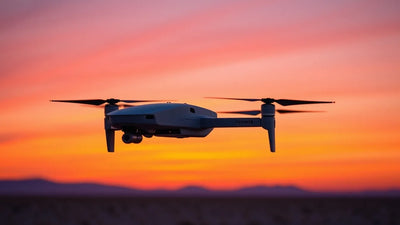
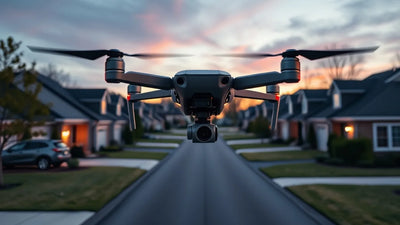
Ukraine’s Adis Bomber Drone Makes Satellite Control a Battlefield Game-Changer
Ukraine’s Martyn Tech unveils Adis heavy bomber drone controlled via satellite, eliminating direct line-of-sight radio links. This BVLOS breakthrough reshapes military drone warfare and raises legal stakes for Part 107 operators. Commercial pilots who ignore satellite-grade command and control face obsolescence. The second-hand market for older, radio-only drones like the DJI M300 RTK is now critically at risk.

Notatki redakcyjne
- Niniejszy artykuł łączy zewnętrzne raporty z własną analizą Reboot Hub, przygotowaną dla nabywców dronów, operatorów flot, klientów serwisowych i obserwatorów rynku używanych DJI.
- Fakty źródłowe są oddzielone od interpretacji. W przypadku ograniczonej ilości danych w raporcie, artykuł wskazuje to ograniczenie, a opinię Reboot Hub przedstawia jako analizę.
- Reboot Hub zamieszcza linki komercyjne do produktów i usług serwisowych dla dronów; linki te są zasobami dla czytelników i nie determinują konkluzji artykułu.
On June 10, 2026, Ukrainian defense contractor Martyn Tech publicly unveiled the Adis heavy bomber quadcopter, and the headline feature is not its payload capacity or endurance-it is the satellite-based command link. By controlling the drone through a satellite rather than a direct radio signal, the operator no longer has to sit near the front line to fly a mission. This development has massive ripple effects, not just for military drone warfare but for the entire commercial UAV ecosystem, including the used drone market and operators who rely on legacy radio control systems like DJI's Lightbridge or OcuSync.

The Adis bomber marks a strategic pivot in drone design: the shift from ground-based radio links to satellite-based command and control (C2). While satellite communication has long been available for large fixed-wing drones like the MQ-9 Reaper, its integration into a small quadcopter platform is unprecedented. For commercial operators-especially those flying under FAA Part 107-this innovation signals the eventual obsolescence of radio-controlled drones for long-range missions. The implications for fleet planning, regulatory compliance, and even the resale value of DJI's M300, M350, and M30 series are profound.
Satellite Link: How Adis Breaks the Line-of-Sight Barrier
Direct radio frequency (RF) control limits drones to visual line of sight (VLOS) or, with waivers, extended VLOS (EVLOS). The Adis uses a low-Earth orbit satellite constellation for its C2 link, allowing the pilot to be hundreds of kilometers away-safe from artillery or electronic warfare. Martyn Tech claims the Adis can carry a 15 kg payload and operate beyond 100 km from the operator, a range impossible with traditional radio systems. The satellite link also offers better resistance to jamming and spoofing, which are critical on the modern battlefield.
Enterprise procurement
Turn this market signal into a fleet requirement.
Discuss mission profile, quantities, configuration, delivery, and lifecycle support with Reboot Hub.
For commercial operators, this raises a fundamental question: if a defense startup can deliver satellite-controlled BVLOS on a quadcopter, why can't DJI, Autel, or Skydio offer similar capabilities for civilian use? The answer lies in cost, licensing, and regulatory hurdles. Satellite datalinks are expensive and often restricted by national telecom regulations. However, as satellite bandwidth becomes cheaper and more accessible, the same technology will eventually trickle down to agriculture, inspection, and surveying drones. The pre-owned DJI drones available today-all reliant on direct RF-may lose value as the industry shifts toward satellite-enabled platforms.
What Does the Adis Bomber Mean for Commercial Drone Operators?
The direct military-to-civilian technology transfer is inevitable. Satellite C2 will first appear in high-end commercial platforms within 18-24 months. For Part 107 operators, this means a new wave of compliance challenges. The FAA's current BVLOS rulemaking, which remains in proposal stage as of mid-2026, does not yet account for satellite-controlled drones. But when it does, operators who cannot demonstrate robust command link security-including satellite-grade encryption-may face massive fines and even airspace bans. The need to upgrade fleet hardware is urgent.
Ready to Upgrade Your Fleet?
Browse our collection of inspected pre-owned DJI drones - inspected, flight-tested, and backed by a 6-month warranty. Save up to 40% versus retail.
This technological leap also accelerates the depreciation of current radio-only drones. A DJI M350 RTK originally purchased for $14,000 could see its resale value drop by 30% or more as operators begin demanding satellite-capable alternatives. For the second-hand market, this creates both risk and opportunity: sellers must offload inventory before the transition accelerates, while buyers can acquire high-quality used hardware at historic lows-provided they are willing to operate within ever-tightening VLOS restrictions. Reboot Hub's inventory of pre-owned DJI drones offers a safe intermediary step, allowing operators to save money without sacrificing reliability while they wait for the satellite-based BVLOS revolution to mature.
Implications for the Used Drone Market and Fleet Upgrades
The Adis satellite link directly impacts how the used drone market values platforms. Historically, drones like the DJI Phantom 4 RTK or M210 maintained strong resale prices due to their robust radio control and mature ecosystem. But the satellite-linked Adis exposes the fundamental limitation of those platforms: they cannot be upgraded to satellite C2. Once the civilian sector adopts similar technology, fleets of radio-only drones will become legacy hardware overnight. Smart fleet managers are already planning upgrade paths.
For example, a utility company currently using DJI M30Ts for power line inspection may find that their BVLOS waiver applications are denied in favor of operators with satellite-capable drones. The FAA, EASA, and other regulators are likely to view satellite C2 as inherently safer because it eliminates RF vulnerabilities and allows continuous command link over longer distances. Therefore, investing in a refurbished DJI drone today can extend operational life by two to three years, but a longer-term strategy must include satellite-ready platforms. Reboot Hub's professional DJI repair services ensure that existing hardware remains airworthy and compliant during the transition, protecting your capital investment.
The Future of BVLOS: Adis vs. DJI and the Race for Beyond Visual Line of Sight
DJI has not yet announced any consumer or enterprise drone with satellite C2. The company's focus has been on improving OcuSync radio range and reliability, with the latest M350 RTK achieving 20 km range under ideal conditions. That pales in comparison to the Adis's claimed 100 km-plus through satellite links. However, DJI has the resources and expertise to integrate satellite modems into its next-generation platforms-likely the rumored M400 series. But until then, the Adis is a stark reminder that military innovation can outpace civilian development, creating pressure on regulators and manufacturers alike.
For commercial pilots, the takeaway is clear: begin researching satellite C2 options now. Even if you do not need BVLOS today, future compliance may require it. At the same time, don't rush to sell your current fleet at a loss. The second-hand market remains strong for radio-based drones, especially for VLOS tasks like roof inspections, aerial photography, and short-range agricultural surveys. Reboot Hub's expert refurbishment ensures that these drones remain dependable workhorses, with full warranty coverage and genuine parts support through our professional DJI repair services.
FAQ
Can the Adis satellite link be retrofitted onto existing DJI drones?
No. The Adis uses an integrated satellite modem and antenna system designed specifically for its airframe. Retrofitting a DJI M300 or M30 would require extensive hardware modifications, potentially compromising flight stability and voiding warranties. It is more cost-effective to either continue using the DJI drone for VLOS missions or invest in a platform with native satellite C2.
How does satellite C2 affect FAA Part 107 BVLOS waivers?
The FAA has not yet published specific guidance for satellite-controlled drones, but its draft BVLOS rule (expected 2027) prioritizes command link reliability and security. Satellite links are likely to be viewed favorably because they are less susceptible to RF interference and enable continuous monitoring. Operators who can demonstrate satellite C2 may receive expedited waiver approvals.
Will the Adis satellite technology appear in civilian drones soon?
Yes. Martyn Tech's technology is based on commercial off-the-shelf satellite components, and several startups are already developing satellite C2 modules for survey and inspection drones. Expect the first civilian platforms to emerge by late 2027 or early 2028. In the meantime, buying a high-quality refurbished DJI drone through Reboot Hub provides immediate operational capability while preserving budget for future upgrades.
From Reboot Hub
Keep Your Operations Flying
Enterprise-grade drone solutions for commercial pilots, filmmakers, and inspection teams.
Pre-owned Fleet
Fully inspected DJI drones with 6-month warranty. Save up to 40%.
Browse Inventory ->