The 2019 UK Drone Strategy Is Dead: What the War in Ukraine Means for Commercial Operators
The UK's 2019 Counter-Unmanned Aircraft Strategy is dead. Ukrainian mass swarm tactics and Iranian one-way attack drones have shattered old anti-drone assumptions. For commercial Part 107 operators, RTK surveying teams, and second-hand drone buyers, this means a seismic shift in airspace risk profiles, insurance premium spikes, and mandatory equipment upgrades. Reboot Hub dissects the new reality and what it means for your fleet.

Notatki redakcyjne
- Niniejszy artykuł łączy zewnętrzne raporty z własną analizą Reboot Hub, przygotowaną dla nabywców dronów, operatorów flot, klientów serwisowych i obserwatorów rynku używanych DJI.
- Fakty źródłowe są oddzielone od interpretacji. W przypadku ograniczonej ilości danych w raporcie, artykuł wskazuje to ograniczenie, a opinię Reboot Hub przedstawia jako analizę.
- Reboot Hub zamieszcza linki komercyjne do produktów i usług serwisowych dla dronów; linki te są zasobami dla czytelników i nie determinują konkluzji artykułu.
The 2019 UK Counter-Unmanned Aircraft Strategy was designed for a world where drones were a police nuisance - flown by hobbyists near airports, not by state actors in coordinated, AI-directed saturation attacks. On June 9, 2026, that world no longer exists. The operational reality forged in Ukraine since 2022, and refined across the Iranian theatre, has made every assumption in the 2019 document dangerously obsolete. The central lesson of the last three years is that drones have evolved into strategic mass systems, used not for isolated strikes but for the systematic erosion of air defense networks through saturation, electronic warfare, and low-cost attrition.

For commercial drone operators in the UK - from precision agriculture teams flying DJI Agras units to infrastructure inspectors operating high-end RTK-equipped M300 matrices - the collapse of the 2019 framework is not a distant policy debate. It is a direct threat to their airspace access, insurance costs, and the compliance standards they must meet. The UK government is now scrambling to replace its decade-old assumptions with a doctrine that acknowledges the drone as a weapon of mass effect. This article breaks down what the strategic shift means, how it will reshape regulation, and what opportunities it creates for the second-hand drone market.
The Strategic Collapse of the 2019 Doctrine
The original strategy correctly focused on mitigating risks from reckless or criminal drone use near critical infrastructure and airports. It established counter-UAS (C-UAS) powers for police and prioritized the development of electronic detection systems like the Drone Dome. What it did not - and could not - foresee was a conflict where a nation would launch hundreds of disposable first-person-view (FPV) drones as a single salvo, coordinated with cruise missiles and supported by dense electronic warfare to jam radar and GPS. That is now the standard operating model for both Russian and Ukrainian forces, and its lessons have direct implications for any nation that relies on drones for civilian and military purposes.
Fleet readiness
Keep DJI hardware available without overbuying new units.
Use this news as a planning signal for inspected DJI aircraft, repair support, and trade-in timing.
The phrase "massed one-way attack drones" did not appear in the 2019 strategy. Today it defines the threat landscape. The combination of AI-assisted machine vision for terminal guidance, ultra-cheap airframes, and decentralized launch points has made it impossible for traditional air defense to stop every incoming system. For the commercial sector, the knock-on effect is that governments will inevitably tighten airspace controls to prevent drone-on-drone collisions and to reduce the likelihood of a civilian UAS being mistaken for a hostile one.
What the Shift Means for Commercial Drone Operators
Three immediate impacts are visible from the strategic overhaul. First, airspace access will become more restricted. The UK Civil Aviation Authority (CAA) is already consulting on new "C-UAS buffer zones" around airports, military bases, and government facilities. These zones will require operators to file real-time, geotagged flight plans and maintain digital identification that is resistant to spoofing. Operators flying older DJI drones without Remote ID or AeroScope-compatible firmware may find themselves grounded.
Second, insurance premiums are rising. Underwriters now view drone liability through the lens of electronic warfare and cyber-physical threats. A drone that can be jammed, spoofed, or hijacked is a drone that represents systemic risk. Expect premiums for Part 107 equivalent operations to increase by 15-30% in the next policy cycle.
Third, there is an urgent need to upgrade or replace legacy UAS equipment. The Ukraine conflict demonstrated that cheap, disposable drones can overwhelm expensive defense systems, but the converse is also true: reliable, well-maintained drones with hardened communications and RF noise rejection are more valuable than ever. This creates a paradox for the commercial second-hand market: older drone models that lack these features will depreciate faster, while those built to higher electronic warfare resilience will command premium prices.
Ready to Upgrade Your Fleet?
Browse our collection of inspected pre-owned DJI drones - inspected, flight-tested, and backed by a 6-month warranty. Save up to 40% versus retail.
Regulatory and Policy Upheaval: What Comes Next
The UK government is expected to publish a new Counter-Unmanned Aircraft Strategy by Q4 2026. Based on leaked briefings and Ministry of Defence white papers, the new framework will have three pillars: detect, deny, and disrupt. Detection will shift away from radio frequency only and into multimodal sensor fusion (radar, acoustic, EO/IR). Deny will include active jamming of commercial GPS bands - a development that terrifies any operator flying beyond visual line of sight (BVLOS). Disruption will involve kinetic and non-kinetic interceptors, raising the risk of collateral damage to non-hostile drones in the vicinity.
For commercial operators, the most immediate regulatory change will be the introduction of mandatory digital remote identification (RID) on all drones above 250 grams, aligned with the FAA Part 89 rules but with stronger encryption. The EU has already mandated RID under Delegated Regulation 2019/945, and the UK is likely to follow suit within 12 months. This will render any drone without an active RID module - including many second-hand models - functionally illegal to fly in controlled airspace.
Opportunities in the Second-Hand and Refurbished Market
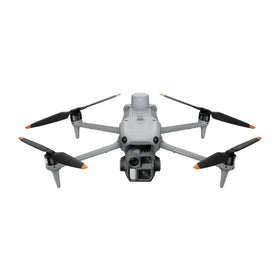
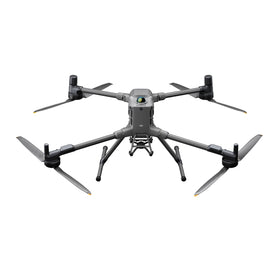
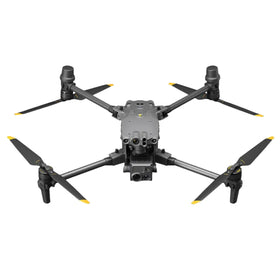
While regulatory upheaval creates challenges, it also generates clear signals for the used drone market. Operators looking to comply with new RID and EW resilience requirements will seek out upgradeable platforms - notably the DJI Mavic 3 Enterprise and Matrice 350 RTK - which offer modular designs, secure firmware, and field-replaceable modules. Older units like the Phantom 4 Pro V2.0 and Mavic 2 Pro, while still excellent for visual work, lack the interoperability needed for the coming regulatory framework. Their resale value is already dropping.
At Reboot Hub, we are seeing a surge in demand for pre-owned DJI drones that have been upgraded with latest firmware and hardware modifications. For operators who need to scale their fleets cost-effectively, buying refurbished is now the smartest path - especially as new unit prices rise due to supply chain pressures on components like CMOS sensors and RF modules. We also offer professional DJI repair services to retrofit existing drones with enhanced shielding and upgraded antennas, extending operational life while keeping costs manageable.
The strategic lessons of Ukraine and Iran are stark: the era of the drone as a simple tool is over. The drone is now a weapon of mass effect, and every commercial operator must treat their equipment with the same seriousness as a security professional. That means investing in proven, reliable, upgradeable hardware - and doing it before the regulations force you to.
Frequently Asked Questions
Will the UK ban all drone flights near military bases?
Yes, new temporary danger zones are likely to become permanent no-fly zones with automatic geofencing required on all UAS. Commercial operators with flight permissions may need to reapply under stricter criteria.
Should I sell my older DJI drone now before values drop further?
If your drone lacks Remote ID or is not firmware-upgradeable to meet future CAA standards, it is advisable to trade up soon. The secondary market for legacy models is tightening, but demand remains solid for capable units like the Mavic 2 Pro for non-critical work.
Can I still buy a used DJI drone from Reboot Hub that is compliant with new UK rules?
Yes. All pre-owned units in our inventory are tested for firmware compliance, and we can advise on necessary upgrades before you fly. Our 6-month warranty covers any unforeseen compliance issues, giving you peace of mind through the regulatory transition.
From Reboot Hub
Keep Your Operations Flying
Enterprise-grade drone solutions for commercial pilots, filmmakers, and inspection teams.
Pre-owned Fleet
Fully inspected DJI drones with 6-month warranty. Save up to 40%.
Browse Inventory ->