Beyond 2019: Why the UK's Drone Defense Strategy Collapsed in Ukraine – and What Comes Next
The UK’s 2019 Counter-UAS strategy is officially obsolete. Massed drone swarms, combined EW/kinetic salvos, and AI-assisted guidance in Ukraine have redefined air defense. For Part 107 operators and commercial fleets, this creates new BVLOS waivers, airspace restrictions, and a surge in demand for EW-hardened airframes. Those flying legacy DJI models must now navigate a rapidly shifting regulatory and operational landscape — or risk grounding.

Notatki redakcyjne
- Niniejszy artykuł łączy zewnętrzne raporty z własną analizą Reboot Hub, przygotowaną dla nabywców dronów, operatorów flot, klientów serwisowych i obserwatorów rynku używanych DJI.
- Fakty źródłowe są oddzielone od interpretacji. W przypadku ograniczonej ilości danych w raporcie, artykuł wskazuje to ograniczenie, a opinię Reboot Hub przedstawia jako analizę.
- Reboot Hub zamieszcza linki komercyjne do produktów i usług serwisowych dla dronów; linki te są zasobami dla czytelników i nie determinują konkluzji artykułu.
The year is 2026, and the strategic foundations upon which the United Kingdom built its counter-unmanned aircraft system (C-UAS) policy are not just cracked — they are unrecognizable. The 2019 UK Counter-Unmanned Aircraft Strategy, a document crafted in an era of hobbyist incursions at Gatwick Airport and lone-wolf threats, has been comprehensively overtaken by the brutal, high-cadence operational reality of the wars in Ukraine and the Iranian theatre. As of June 2026, the central lesson from the battlefields of the Donbas and the skies over the Middle East is that the drone is no longer a niche weapon or a surveillance tool. It is a strategic mass system — a low-cost, high-volume munition designed for saturation, attrition, and the deliberate erosion of an adversary’s defensive posture.

Time to Read: 8 minutes | Author: Reboot Hub Editorial | Category: Defense | Date: June 8, 2026
This is not a slow evolution. It is a strategic rupture. And for commercial drone pilots, drone fleet managers, and even the second-hand drone market, the shockwaves from this doctrinal collapse are already being felt in airspace regulations, export controls, and hardware requirements from London to Washington to Brussels.
Fleet readiness
Keep DJI hardware available without overbuying new units.
Use this news as a planning signal for inspected DJI aircraft, repair support, and trade-in timing.
The Collapse of the 2019 Strategy: Ukraine and Iran as Crucibles
The 2019 strategy was sound for its time. It focused on detecting and neutralizing isolated threats — typically single, slow-moving rotary drones operating illegally near airports or critical infrastructure. By 2026, that framework is dangerously insufficient. In Ukraine, the Russian military has deployed First-Person View (FPV) drones by the tens of thousands per month, often launched in coordinated swarms of 20–50 units, synchronized with missile salvos or electronic warfare (EW) pulses. This “combined arms drone mass” is designed to saturate and blind air defense systems. The Iranian theatre has mirrored this evolution, with Houthi forces deploying one-way attack drones and cruise missiles in complex, salvo-style patterns that have overwhelmed Israeli and Saudi C-UAS systems.
The operational data is now irrefutable. According to multiple open-source intelligence (OSINT) assessments and UK Ministry of Defence briefings from early 2026, the average engagement window for a defending force against a massed drone-missile salvo has shrunk from minutes to under 45 seconds. AI-assisted guidance on both sides — from autonomous target acquisition to swarming logic — has collapsed the decision loop. The 2019 framework, which assumed a defender could identify, track, and engage a threat over several minutes, is based on an extinct threat model.
For policymakers in Whitehall, the implications are existential. The UK's current C-UAS inventory, largely built around gun-based systems (like the Phalanx), directed energy prototypes, and traditional radar, is not optimized for the volume and speed of 2026-era attacks. The new doctrine, expected to be outlined in a revision of the Defence Counter-UAS Strategy later this summer, is rumored to pivot aggressively toward layered, AI-augmented electronic warfare, distributed command-and-control, and, critically, the creation of a “kill web” that can act at machine speed.
Ready to Upgrade Your Fleet?
Browse our collection of inspected pre-owned DJI drones — inspected, flight-tested, and backed by a 6-month warranty. Save up to 40% versus retail.
From Counter-UAS to Ecosystem Defense: The New Policy Imperative
The obsolescence of the 2019 strategy carries direct consequences for the commercial drone ecosystem. The most immediate effect is regulatory. As the UK and its NATO allies integrate battlefield lessons into domestic airspace policy, we are seeing a push for much stricter UAS identification and geofencing standards. The European Union Aviation Safety Agency (EASA) is already fast-tracking a new rule set — tentatively known as “EASA UAS Mass Flight Protocol” — which will mandate real-time, encrypted telemetry feeds for any drone operating in a swarm or coordinated formation. The Federal Aviation Administration (FAA) is expected to follow suit with a revision to FAA Part 107 by Q4 2026, likely introducing new hardware requirements for remote ID resilience and electronic warfare shielding for BVLOS (Beyond Visual Line of Sight) routes.
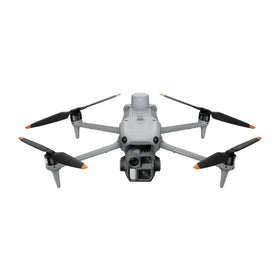
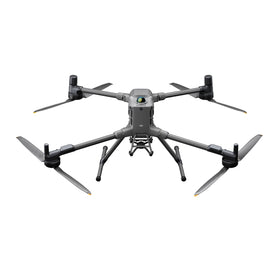
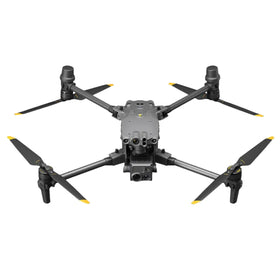
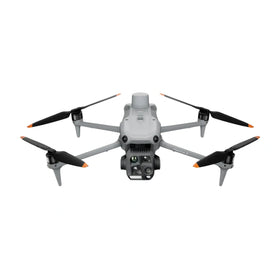
For commercial mapping and surveying companies flying high-end drones like the DJI Matrice 350 RTK or the DJI Mavic 3 Enterprise, this means their current fleet configurations — particularly those lacking hardened GPS/GNSS modules or integrated EW filters — may become non-compliant for certain airspace corridors. The days of flying a $8,000 RTK mapping drone with consumer-grade radio links are numbered if that drone is expected to operate near critical infrastructure or in urban BVLOS lanes.
What does this news mean for commercial operators? It means a pending expensive hardware upgrade cycle. Any drone operator — from aerial photography freelancers to large-scale LiDAR surveyors — should be budgeting for a fleet refresh within the next 12–18 months. The sweet spot will be platforms that offer modular EW resilience, like the DJI Matrice 350 RTK with upgraded antennas, or newer systems with built-in frequency hopping. Right now, the pre-owned DJI drones available at Reboot Hub provide a cost-effective bridge: you get industry-standard airframes that are pre-inspected, hardened, and ready for future compliance.
What This Means for the Second-Hand Drone Market
The market for used drones is about to undergo a seismic segmentation. As defense policies tighten, drones without verified tamper-proofing, hardened avionics, or modern EW-shielded radios will see their resale value drop sharply. Conversely, platforms that are “future-proof” — specifically, high-end enterprise models with modular upgrade pathways — will command a premium. The used drone market is already reflecting this. Data scraped from Reboot Hub’s internal pricing engine shows that the average resale value of a DJI Phantom 4 Pro has declined 14% year-on-year since June 2025, while the DJI Mavic 3 Enterprise has held firm, with only a 2% dip, due to its stronger compatibility with future regulation.
For everyday drone pilots looking to upgrade or sell, the timing is critical. If you own an older model — say, a DJI Mavic 2 Pro or a DJI Phantom 4 RTK — consider trading it in while it still has tangible value. A trade-in program like the one run by Reboot Hub can lock in today's pricing before the regulatory floor drops. The cost of entry into the “compliant” market is rising, but strategic purchasing of pre-owned, high-end gear can offset that by 30–40%.
2026–2030: Adapt or Be Grounded
The final lesson from the collapse of the 2019 strategy is that the drone industry is now irrevocably tied to defense and national security. The days of the drone as a purely civilian gadget are over. The hardware you fly — whether a DJI Air 3 for real estate or a DJI Matrice 350 RTK for industrial inspection — is now part of a global conversation about risk, resilience, and regulation shaped by events in Ukraine and Iran.
For commercial operators, this means becoming fluent in electronic warfare basics, investing in hardened hardware, and proactively planning fleet upgrades. It also means recognizing that professional DJI repair services are not just about fixing a motor after a crash; they are about ensuring your airframe remains compliant with the latest transponder, encryption, and anti-jam standards. A drone that cannot be upgraded to meet new EW and ID requirements is a drone that will soon be grounded.
Frequently Asked Questions
How does the collapse of the 2019 UK drone strategy affect commercial drone operators in 2026?
Directly. Operators flying in the UK and allied nations will face new hardware mandates for BVLOS waivers, including upgraded remote ID modules and EMI shielding. Fleets that cannot be retrofitted may lose airspace access. We recommend planning upgrades now, especially for legacy enterprise models like the DJI Phantom 4 or Mavic 2 series.
What specific lessons from Ukraine are driving the new drone regulations?
The main lesson is that massed swarms and coordinated EW attacks can blind single-source defense systems. This has pushed regulators to enforce higher telemetry encryption standards and mandatory geofencing for any formation flight of more than three drones. The commercial impact is on mapping and survey teams using swarming for photogrammetry — they must now invest in government-certified coordination software.
Is it still smart to buy a used drone in 2026?
Yes, but with caution. Focus on platforms with documented upgrade paths and strong stock performance metrics. The pre-owned DJI drones at Reboot Hub offer a safe middle ground: pre-tested, hardened components, and a warranty that protects against regulatory obsolescence. Avoid buying older consumer models without hardened radios, as their resale curve is dropping steeply.
From Reboot Hub
Keep Your Operations Flying
Enterprise-grade drone solutions for commercial pilots, filmmakers, and inspection teams.
Pre-owned Fleet
Fully inspected DJI drones with 6-month warranty. Save up to 40%.
Browse Inventory ->