Amazon Prime Lands in South Africa, but Its Drones Stay Grounded – What It Means for the Industry
Amazon has launched Prime in South Africa at R59/month, but its regional director remained conspicuously silent when asked about Prime Air. The absence of delivery drones in one of Africa's most developed e‑commerce markets signals deep operational and regulatory bottlenecks that may delay global BVLOS adoption. For commercial UAV operators, the lack of Amazon’s logistics drones reduces immediate competitive pressure but also stalls the maturation of Africa’s drone ecosystem, affecting RTK surveying, mapping, and last‑mile delivery use cases. This news forces a recalculation of deployment timelines for drone fleet owners and second‑hand buyers alike.

Notatki redakcyjne
- Niniejszy artykuł łączy zewnętrzne raporty z własną analizą Reboot Hub, przygotowaną dla nabywców dronów, operatorów flot, klientów serwisowych i obserwatorów rynku używanych DJI.
- Fakty źródłowe są oddzielone od interpretacji. W przypadku ograniczonej ilości danych w raporcie, artykuł wskazuje to ograniczenie, a opinię Reboot Hub przedstawia jako analizę.
- Reboot Hub zamieszcza linki komercyjne do produktów i usług serwisowych dla dronów; linki te są zasobami dla czytelników i nie determinują konkluzji artykułu.
On June 10, 2026, Amazon officially launched its Prime subscription service in South Africa, offering same-day delivery, cloud gaming, and discounts for R59 per month. But the most anticipated feature - drone delivery via Prime Air - was conspicuously absent. When asked about the company's plans to bring unmanned aerial vehicles to the country, Amazon's regional managing director declined to comment. The silence, analysts say, speaks volumes about the state of global drone delivery expansion.

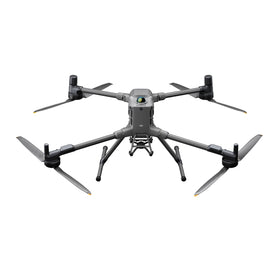
The move marks the first time Amazon has introduced its full Prime bundle on the African continent. Yet the omission of Prime Air, which has been operational in limited U.S. and U.K. markets since 2022, underscores the persistent regulatory, infrastructural, and economic hurdles that keep commercial delivery drones grounded in emerging economies. For the drone industry - from operators using DJI Matrice 350 RTKs for precision agriculture to refurbished drone dealers serving African surveyors - this news reshapes market expectations and investment timelines.
1. The Absence That Speaks Volumes: Prime Air's No-Show in South Africa
Amazon has not publicly detailed why Prime Air will skip South Africa's launch. But industry insiders point to a combination of factors. South Africa's Civil Aviation Authority (SACAA) has been slow to approve beyond visual line of sight (BVLOS) operations for delivery drones. Unlike the FAA's Part 107 waivers in the United States or EASA's framework in Europe, SACAA's regulations require drones to remain within visual line of sight unless special exemptions are granted - exemptions that are rarely given for urban logistics.
Enterprise procurement
Turn this market signal into a fleet requirement.
Discuss mission profile, quantities, configuration, delivery, and lifecycle support with Reboot Hub.
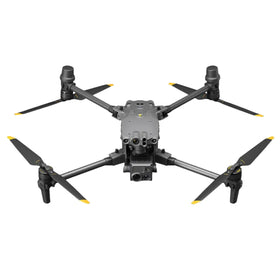
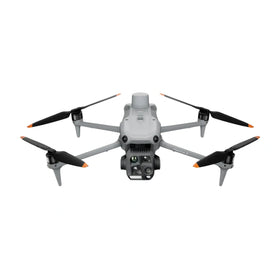
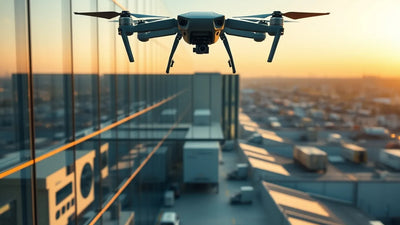
Additionally, Amazon's drone fleet - the MK30 - relies on a network of low-altitude, uncrewed traffic management (UTM) infrastructure that is not yet deployed in South Africa. The company also faces logistical challenges in building landing pads and charging stations in a country with frequent load-shedding and inconsistent power grids. The regional director's silence, then, is a diplomatic way of acknowledging that Prime Air is not ready for the continent's largest e-commerce market.
This mirrors Amazon's earlier struggles in the U.S., where the company spent years securing FAA approvals for limited drone deliveries in College Station, Texas, and Lockeford, California. In South Africa, those approvals are even harder to obtain, and the business case for drone delivery is weaker when labor costs are lower than in the U.S. or Europe.
2. What Amazon's Silence Means for the Global Drone Delivery Landscape
Amazon's retreat from an immediate African expansion sends a clear signal to competitors like Alphabet's Wing, Zipline, and JD.com: drone delivery at scale remains a first-world luxury. The technology is proven, but the regulatory and economic models are not easily transferable. For commercial drone operators worldwide, this means that Amazon's looming shadow - which had been expected to reshape last-mile logistics - will stay confined to a few wealthy markets for at least another three to five years.
This is particularly relevant for the used drone market. When Amazon announces a new Prime Air region, demand for heavy-lift drones for logistics testing typically spikes among startups and integrators. Without that stimulus in Africa, demand for used delivery drones (like modified DJI M300s or custom Octocopters) will remain niche. Instead, the focus stays on industrial applications - surveying, mapping, and inspection - which already have established second-hand supply chains.
Ready to Upgrade Your Fleet?
Browse our collection of inspected pre-owned DJI drones - inspected, flight-tested, and backed by a 6-month warranty. Save up to 40% versus retail.
3. The Practical Reality: Why Drone Delivery Remains Elusive for Emerging Markets
Amazon's decision - or rather, its non-decision - highlights a fundamental truth: drone delivery is not a technology problem, but a systems-engineering and regulatory problem. Even in advanced economies, Prime Air handles only a few dozen packages per day per station. The cost per delivery, estimated at $2-3 in the U.S., becomes prohibitive when average order values in South Africa are around $15-20. Warehousing costs, last-mile logistics, and the need for dedicated landing zones further erode the business case.
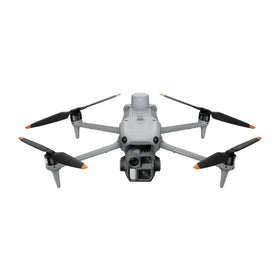
For South Africa, the absence of Prime Air also means that the country's nascent drone ecosystem - which includes companies like RocketAir and DroneMasters - will continue to rely on imported, often second-hand hardware. The demand for affordable, flight-tested platforms like the DJI Phantom 4 RTK or the Mavic 3 Enterprise will remain strong for mapping and inspection use cases, but the promise of high-volume last-mile drone delivery remains a distant vision.
This is where the second-hand drone market plays a critical role. Operators in South Africa can acquire pre-owned DJI drones from platforms like Reboot Hub at a fraction of the retail price, enabling them to build competitive service offerings without the capital expenditure of new equipment. The lack of Amazon's delivery drones actually strengthens the business case for refurbished industrial UAVs, as commercial pilots focus on high-margin tasks like thermal inspection and photogrammetry rather than low-margin parcel drops.
For everyday drone pilots and commercial operators, the takeaway is clear: do not bet your business model on Amazon's delivery network. Instead, invest in versatile platforms that can handle RTK surveying, agricultural spraying, or construction site monitoring. The long-term viability of drone operations in Africa depends on local adaptation, not global giants.
4. Opportunities for Commercial Operators and the Second-Hand Drone Market
The silver lining in Amazon's no-show is that it leaves room for smaller, nimbler operators to innovate without the risk of being steamrolled by a trillion-dollar company. African drone startups have already pioneered life-saving deliveries of blood and vaccines using BVLOS waivers from local authorities. Zipline, for example, operates in Rwanda and Ghana, but Amazon's absence in South Africa means that the continent's largest economy remains open for homegrown solutions.
For drone fleet owners looking to upgrade or expand, now is the time to acquire top-tier hardware at used prices. The second-hand market for drones like the DJI Matrice 300 RTK, the Mavic 3E, and the Phantom 4 RTK is robust, with units that have been professionally maintained and flight-logged. At Reboot Hub, we offer full inspection, calibration, and a 6-month warranty on every unit. Our professional DJI repair services ensure that your fleet stays airworthy, even if Amazon isn't delivering your packages.
The broader implication is that the drone industry's growth curve is not linear. The Amazon Prime Air delay in South Africa is a reminder that hype cycles often outpace real-world deployment. For investors, this means focusing on sectors with immediate ROI - precision agriculture, infrastructure inspection, emergency response - rather than speculative long-range delivery. For drone pilots, it means continuing to master Part 107 and local regulations, because the path to profitability runs through compliance and reliability, not flashy promises.
FAQ: Amazon's Prime Air and the South African Drone Market
1. Why didn't Amazon bring Prime Air to South Africa?
Amazon has not officially stated the reasons, but industry experts point to regulatory hurdles from the South African Civil Aviation Authority (SACAA), lack of BVLOS approvals, insufficient UTM infrastructure, and economic factors that make drone delivery less viable when labor costs are low. The regional director's silence suggests that Amazon is not close to resolving these issues.
2. What does this mean for commercial drone operators in Africa?
It means that the race for last-mile aerial logistics will be led by local startups and government-backed initiatives rather than global tech giants. Operators should continue to focus on high-value applications like mapping, survey, and inspection using reliable, cost-effective platforms - including pre-owned DJI drones - rather than betting on parcel delivery revenue.
3. How does this affect the second-hand drone market?
The lack of Amazon's delivery drone deployment reduces demand for specialized logistics UAVs but increases demand for versatile, used industrial drones that can perform surveying, thermography, and spraying. The second-hand market, especially for DJI models, remains strong and is supported by the need for affordable entry points for African operators. Reboot Hub's refurbishment-labeled inventory is well-positioned to serve this demand.
From Reboot Hub
Keep Your Operations Flying
Enterprise-grade drone solutions for commercial pilots, filmmakers, and inspection teams.
Pre-owned Fleet
Fully inspected DJI drones with 6-month warranty. Save up to 40%.
Browse Inventory ->