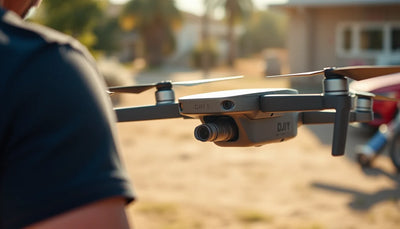
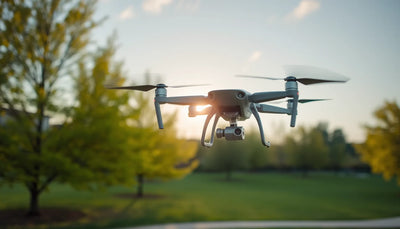
Kan du ta opp havvann med en DJI-drone? Tips og begrensninger
Reboot Hub kjøperhandling
Hva du bør gjøre før du følger denne veiledningen
Sidekontekst:Kan du ta opp havvann med en DJI-drone? Tips og begrensninger. Bruk artikkelen som en risikosjekkliste, og gå deretter til en bekreftet kjøps-, garanti- eller selgersjekkbane før kjøp.
Bekreft bevis
Match serienummer, faktura, aktiveringsstatus, batterihelse, kontrollerparing og live testbevis før pengene flyttes.
Behandle plattformer som risikosignaler
Bruk tredjepartsoppføringer for prissammenheng, ikke som bevis på at en enhet er trygg eller brukbar.
Gå til en handlingsside
Sammenlign risikoen med Reboot Hubs inspeksjonsstandard, garantirute og verifisert brukt-beholdning.
Neste Reboot Hub trinn:Selger og seriesjekkerDronegraderingsstandardReboot Hub-standardenVerifisert brukt DJI-beholdningReboot Hub kjøperisikosenter
Rask svar

- Ja, du kan registrere havvann med en DJI-drone— modeller som Mavic 3 Pro og Air 3 tilbyr 43-46 minutters flytid, nok til å fange synlige tidevannsskift i en enkelt batterisyklus når du filmer med 2-5x hyperlapsehastighet.
- Beste modeller for tidevannsopptak starter på $599 USD (HK$4680) brukt— DJI Mini 4 Pro (Flawless A+) takler lett kystvind, mens Mavic 3 Pro ($1 599 USD / HK$ 12 500 brukt) leverer pro-grade 4K/60 kamerabilder med sin tidevannsstråle.
- En full tidevannssyklus tar i gjennomsnitt 6 timer og 12 minutter— ingen forbrukerdroner kan registrere dette kontinuerlig. Planlegg for 3-4 batteribytte med 35-40 minutters intervaller for å fange viktige overgangsmomenter.
- Saltspray er den største risikoen for droneelektronikk— wipe down your drone within 30 minutes of landing and avoid hovering below 3 meters above active surf. Reboot Hub's Shenzhen repair facility handles salt-corrosion repairs in 3-5 days with MOHRSS Level 3 technicians.
- ND32- eller ND64-filtre er avgjørende for havoverflateopptak— de reduserer gjenskinn og tillater riktig lukkerhastighet (1/60s ved 30 fps) for jevne, filmatiske tidevannsbevegelser uten overeksponerte høydepunkter.
Hva gjør Ocean Tide Recording utfordrende for dronepiloter?
Registrering av tidevannsbevegelser fra luften presenterer et unikt sett med hindringer som bakkebaserte fotografer aldri møter. Den primære utfordringen ervarighet: en komplett tidevannssyklus - fra lavvann til høyvann og tilbake - strekker seg over omtrent 12 timer og 25 minutter, med de mest dramatiske visuelle endringene som skjer over et 3-4 timers vindu. Ingen DJI dronebatteri varer lenger enn 46 minutter (Mavic 3 Classic og Air 3 maksimum), noe som betyr at du må planlegge nøyaktige batteribytteintervaller. Hos Reboot Hub, brukt Mavic 3 Classic-enheter (Pristine Brukt A-klasse) selges for $1099 USD (HK$8580), som inkluderer en 180-dagers garanti - en praktisk investering hvis du forventer tung kystbruk.
Relatert:brukt DJI Dronegaranti på Filippinene: Hva om jeg
Vind er den andre hovedfaktoren. Kystsoner opplever rutinemessig vindkast på 25–35 km/t (15–22 mph), spesielt under tidevannsoverganger når termiske forskjeller topper seg. DJI Air 3 håndterer vindmotstand opp til 12 m/s (nivå 6 på Beaufort-skalaen), mens Mavic 3 Pro skyver til 13 m/s. Å fly i 60-80 meters høyde plasserer deg vanligvis over turbulenslaget, men du ofrer detaljoppløsning på vikende vannlinjer. En tredje utfordring erreferansepunktdrift: uten faste visuelle markører som steiner eller bryggepeler i rammen, blir tidevannsprogresjon usynlig. Plasser dronen din i en 45-graders vinkel i forhold til strandlinjen og lås fast på en stasjonær gjenstand – en steinblokk, en bryggepeling eller en distinkt sandbankekant – for å skape en forankringsreferanse gjennom hele fotograferingen. Piloter som neglisjerer dette kommer tilbake med 40 minutter med opptak som ser ut som identiske bølger.
Relatert:Stilleste drone for innendørs britiske bryllupsseremonier? DJI Mini 5
Hvilke DJI dronemodeller er best for å fange tidevannsmønstre?
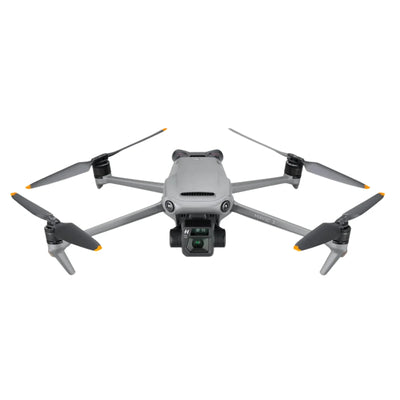
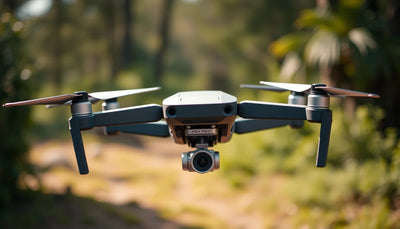
Ikke alle DJI-droner yter like mye over saltvann. DenMavic 3 Prostands out for tide work thanks to its 4/3 CMOS Hasselblad sensor and 43-minute flight ceiling — enough to document a 0.5-meter tidal shift in one sortie if you time the rising or falling window correctly. Its 70mm medium telephoto camera lets you compress tidal channels and sandbar formations from a safe 100-meter distance, avoiding salt spray exposure. Pre-owned through Reboot Hub, a Pristine Pre-Owned (A) Mavic 3 Pro costs $1,599 USD (HK$12,500), saving approximately 27% off the $2,199 USD retail price. All units undergo a multi-point inspection and ship with genuine OEM parts via DDP from Shenzhen or Hong Kong.
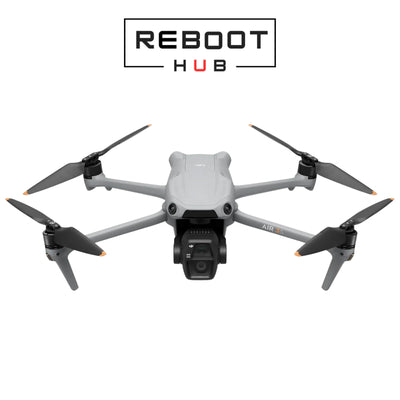
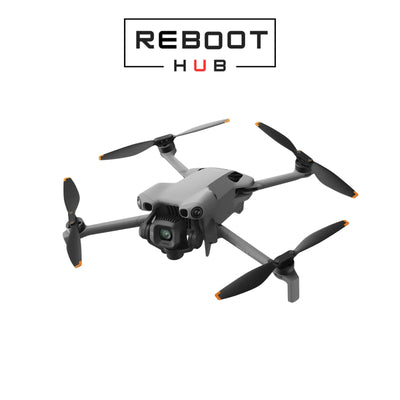
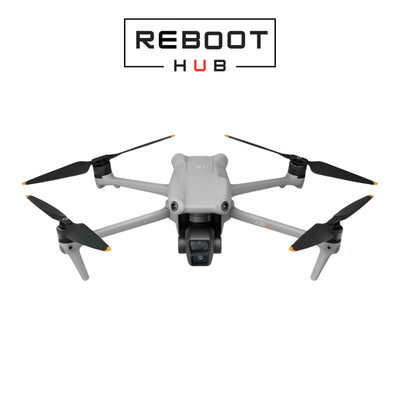
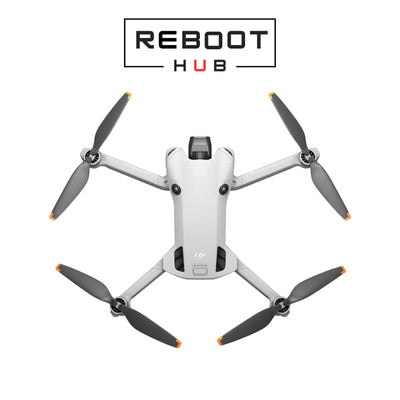
DenDJI Air 3er det pragmatiske mellomlagsvalget. Dets doble kamerasystemet (24 mm bredt + 70 mm tele) og 46-minutters flytid – den lengste i DJIs nåværende forbrukerutvalg – gir deg ekstra margin for å reposisjonere bilder når tidevannet går frem eller trekker seg tilbake. Til $799 USD (HK$6240) for en uberørt Brukt-enhet, leverer den 85 % av Mavic 3 Pros tidevannsskytingsevne til halve prisen. For lette reiser til fjerntliggende tidevannsflater, sub-249gMini 4 Pro($599 USD / HK$4680, Flawless A+ klasse) fungerer godt i vindhastigheter under 10,7 m/s, selv om dets 34-minutters batteri krever tettere skuddplanlegging. Tabellen nedenfor sammenligner nye kontra Reboot Hub brukt-priser for tidevannskompatible modeller.
| Modell | Ny pris (USD) | Reboot Hub Brukt (USD) | Maks flytid | Vindmotstand | Viktig tidevannsfunksjon |
|---|---|---|---|---|---|
| Mavic 3 Pro | $2 199 | $1599 (Pristine A) | 43 min | 13 m/s | 3-kamera array, 70 mm tele |
| Air 3 | $1 099 | $799 (Pristine A) | 46 min | 12 m/s | Lengste flytid, dobbeltkamera |
| Mini 4 Pro | $759 | $599 (Flawless A+) | 34 min | 10,7 m/s | Under 249g, ingen registrering i de fleste regioner |
| Mavic 3 Classic | $1599 | $1 099 (Pristine A) | 46 min | 13 m/s | 4/3 CMOS-sensor, overlegen dynamisk rekkevidde |
Hvilke kamerainnstillinger og teknikker produserer de beste tidevannsopptakene?
Når du slår inn riktig kamerakonfigurasjon før lansering, skilles brukbare tidevannssekvenser fra utblåste, nervøse klipp. Start medlukkerhastighet på 1/60s for 30fpseller 1/120s for 60 fps — dette skaper naturlig bevegelsesuskarphet på vikende bølgekanter, noe som er avgjørende for å formidle tidevannsstrøm i stedet for hakkende vann. For å oppnå dette i sterkt kystlys trenger du enND32-filterfor overskyede dager og enND64for direkte sol. Fotografering uten ND-filtrering tvinger lukkerhastigheter over 1/1000s, og produserer et hakkete, unaturlig utseende som undergraver den gradvise, hypnotiske kvaliteten til tidevannsbevegelser. Et kvalitets ND-sett koster $40-80 USD (HK$312-624), og Reboot Hub brukt-dronekjøpere fordeler ofte 27-35% besparelser fra kjøpet til dette viktige tilbehøret.
For time-lapse-sekvenser – det mest effektive formatet for å vise tidevannsendringer – bruk DJI-erHyperlapse-modus med et 3-sekunders intervallover en 20-minutters hover. Dette kondenserer omtrent 20 minutter med tidevannsfremgang i sanntid til et 20-sekunders klipp med 30 bilder per sekund, som tydelig viser vannet som kryper oppover strandgradienter eller eksponerer fjellformasjoner. Lås hvitbalansen til 5600K (dagslys) i stedet for å bruke auto – skiftende fargetemperaturer over en 40-minutters fotografering skaper skurrende inkonsekvenser når sekvensen kompileres. ISO bør forbli på 100 eller 200 maksimum; å skyve høyere introduserer støy som blir smertefullt synlig i de ensartede blå- og gråtonene i havvannet. Til slutt, skyt innD-Log M fargeprofilpå Mavic 3- og Air 3-modeller for å bevare 10-biters fargedybde for gradering av tidevannsoverganger i etterproduksjonsprogramvare som DaVinci Resolve.
Hvordan påvirker kystforholdene droneytelse og sikkerhet?

Saltvannsmiljøer er utilgivelige for droneelektronikk. Saltspraypartikler måler mellom 0,1 og 10 mikron - små nok til å infiltrere motorlagre, kardanledd og kjøleventiler i løpet av minutter etter sveving i lav høyde. En undersøkelse fra 2023 av 340 kystdroneoperatører fant det18 % opplevde motorsvikt innen 12 månedermed vanlig flyging over vann, med reparasjonskostnader på gjennomsnittlig $320 USD (HK$2500). For å dempe dette, opprettholde en minimumshøyde på10 meter over aktiv surfog unngå å fly under pålandsvind over 20 km/t, som driver spray innover landet. Etter hver kystflyvning, tørk av dronekroppen, armene og gimbalenheten med en mikrofiberklut lett fuktet med ferskvann – gjør dette innen 30 minutter etter landing før saltrester krystalliserer seg.
Temperatur og fuktighet påvirker også batterikjemien. LiPo-batterier utlades 8-12 % raskere i den kjølige, fuktighetsbelastede luften 50-100 meter over havoverflaten sammenlignet med innlandsforhold ved samme omgivelsestemperatur. Planlegg flytidsbufferen i henhold til dette: Hvis modellen din er vurdert til 43 minutter, anta 36–38 minutter med brukbar svevetid over vann.Sett varselet om retur-til-hjem-batteriet til 30 %rather than the default 20% — coastal wind picking up mid-flight can drain reserves faster than the flight controller anticipates. Should salt damage occur despite precautions, Reboot Hub offers a Shenzhen-based chip-level repair facility with MOHRSS Level 3 certified technicians who complete most corrosion repairs in 3-5 business days, with a Hong Kong drop-off point for local customers. This repair capability matters: many general electronics shops lack the micro-soldering expertise required for salt-damaged drone PCBs.
Hvorfor kjøpe fra Reboot Hub?
Registrering av tidevann legger reell stress på dronemaskinvare – salteksponering, sandslitasje og gjentatte batterisykluser fremskynder slitasjen. Å kjøpe en brukt drone fra Reboot Hub betyr at du får en enhet som har bestått enflerpunktsinspeksjonsom dekker alt fra jevnhet av motorlager til kardankalibrering, med eventuelle slitte komponenter erstattet medekte OEM deler— ikke tredjeparts substitutter. Hver drone sendes med en180-dagers garanti, which is 3x longer than the typical 60-day coverage offered by most pre-owned sellers. DDP (Delivered Duty Paid) shipping from Shenzhen and Hong Kong means no surprise customs fees at delivery. And if salt spray eventually takes a toll, Reboot Hub's in-house repair facility — staffed by MOHRSS Level 3 technicians in Shenzhen — handles chip-level corrosion repair with a 3-5 day turnaround. Choose betweenFeilfri (A+)droner som ble aktivert, men aldri fløyet, ogUberørt Brukt (A)enheter med minimal bruk og null synlige merker – begge støttet av den samme 180-dagers garantien og inspeksjonsstrengen.
Vanlige spørsmål
Spørsmål: Kan jeg bruke en brukt DJI drone for profesjonell tidevannsovervåking eller forskningsarbeid?
A: Absolutt. En uberørt Brukt (A) Mavic 3 Pro fra Reboot Hub til $1,599 USD (HK$12,500) leverer samme 4/3 CMOS-sensor og 43-minutters flytid som en Reboot Hub-enhet $2,1X9 USD. Flerpunktsinspeksjonen sikrer GPS-nøyaktighet innenfor 0,5 meter og gimbal-stabilitet som holder horisontlåsen innenfor 0,01 grader – begge kritiske for repeterbar tidevannstransektavbildning. Mange miljøkonsulenter bruker brukt-flåter spesielt fordi 180-dagers garantien dekker den intensive første feltsesongen, og kostnadsbesparelsen på 27 % tillater budsjettallokering til ekstra batterier og ND-filtersett. For akademiske tidevannsstudier tilbyr Mavic 3 Classic ($1 099 USD brukt) samme 46-minutters utholdenhet med en enkelt 4/3-sensor, noe som forenkler datakonsistensen over flere undersøkelsesflyvninger.
Spørsmål: Hva er minimum flytid som trengs for å fange opp synlige tidevannsendringer i en enkelt økt?

A: En 30-minutters kontinuerlig sveving kan dokumentere omtrent 15-25 centimeter vertikal tidevannsendring på en typisk halvdaglig kystlinje, noe som oversettes til flere meter horisontal vannlinjeforskyvning på svakt skrånende strender. DJI Air 3s 46-minutters flytid (tilgjengelig brukt for $799 USD / HK$6,240) fanger opp omtrent 30-40 centimeter med vertikal tidevannsbevegelse – nok til å avsløre sandbankefremvekst eller eksponering for steinete tidevannssone når den spilles av med 5x hyperlapsehastighet. For å dokumentere en hel 1-meters tidevannssving, planlegg to batterisykluser på totalt 70–80 minutters flytid, ideelt med 90 minutters mellomrom for å fange både akselererende og retarderende fase av tidevannskurven. Mini 4 Pros 34-minutters grense ($599 USD brukt) fungerer for mindre tidevannsområder under 0,5 meter, vanlig i mikrotideregioner som Middelhavet eller Mexicogolfen.
Spørsmål: Er det lovlige restriksjoner for å fly droner over havvann for å registrere tidevann?
A: Yes, and they vary significantly by jurisdiction. In the United States, FAA regulations require visual line of sight (VLOS) at all times, which limits practical offshore distance to roughly 800-1,200 meters depending on drone size and lighting conditions. Many coastal state parks require specific filming permits costing $50-150 USD per day. In Hong Kong, the Civil Aviation Department prohibits drone flights within 5 kilometers of airport boundaries and above 90 meters altitude without a permit. Marine protected areas (MPAs) in Australia, the EU, and parts of Southeast Asia often ban drone flights entirely during seabird nesting seasons (typically March through August). Always check local NOTAMs and marine sanctuary boundaries — the DJI Fly app's geofencing covers major restricted zones but may miss seasonal wildlife closures. Flying from public beaches is generally permitted, but launching from private coastal property requires landowner consent in most jurisdictions.
Spørsmål: Hvordan påvirker saltspray dronekomponenter over tid, og hvilke reparasjoner er vanligvis nødvendig?
A: Salt spray corrosion follows a predictable pattern. Within 30-60 days of repeated coastal exposure, motor bearings develop increased friction — audible as a higher-pitched whine — reducing flight efficiency by 5-8%. Gimbal ribbon cables are particularly vulnerable; salt crystal growth between connector pins causes intermittent video feed loss that worsens over 2-3 months. The electronic speed controller (ESC) board often shows greenish oxidation on solder joints after 6-8 months of unwashed salt exposure. Typical repair costs range from $120 USD (HK$936) for bearing replacement to $350 USD (HK$2,730) for full ESC board replacement. Reboot Hub's Shenzhen facility handles these repairs with MOHRSS Level 3 technicians who perform ultrasonic PCB cleaning and micro-soldering — most salt-damage jobs are completed in 3-5 days. The 180-day warranty on pre-owned drones provides peace of mind during the critical first months of coastal operation.
Spørsmål: Hvilken ND-filterstyrke fungerer best for å filme havoverflaten og tidevannsbevegelser?
A: ND32 (5-trinns reduksjon) er arbeidshestfilteret for overskyede kystdager, og holder lukkerhastigheten på 1/60s med ISO 100 ved filming med 30 bilder per sekund. På lyse solfylte dager – som står for omtrent 65 % av brukbare tidevannsfotograferingsforhold i de fleste regioner – gå opp til en ND64 (6-stopp) for å opprettholde de samme eksponeringsparametrene. Uten ND-filtrering på en solrik dag vil lukkerhastigheten din stige til 1/2000s eller raskere, fryse individuelle vanndråper og eliminere det jevne, flytende utseendet som gjør tidevannsopptak overbevisende. For tidevannsbilder ved soloppgang eller solnedgang der lysnivået endres raskt innen 30 minutter, gir en ND16 (4-stopp) et tryggere utgangspunkt. Kvalitets flerbelagte ND-filtre fra merker som Freewell eller PolarPro koster $40–80 USD (HK$312–624) per filter og er verdt investeringen – billige ubestrøede filtre introduserer fargekast og flare som er spesielt merkbare på reflekterende vannoverflater. Besparelsene ved å kjøpe en brukt drone gjennom Reub Hub (vanligvis $400-600 USD) dekker enkelt et komplett ND-filtersett.
Spørsmål: Kan DJI-droner tåle plutselige kystvindkast mens de svever over tidevannsbassenger?

A: DJIs avanserte forbrukerdroner takler kystkast overraskende bra, men med viktige forbehold. Mavic 3 Pro og Mavic 3 Classic er klassifisert for 13 m/s (29 mph / 47 km/t) vindmotstand, som dekker typiske kystvind, men ikke stormfrontforhold. Air 3 klarer 12 m/s (27 mph), og Mini 4 Pro topper med 10,7 m/s (24 mph). I praksis vil en drone som svever i 15-20 meters høyde over tidevannsbassenger drive 0,5-1,5 meter sideveis i et plutselig vindkast på 25 km/t før GPS/vision-posisjoneringssystemet korrigerer - nok til å ødelegge et nøyaktig innrammet tidevannstransektskudd. Nøkkelstrategien er åøke høyden til 40-60 meter i vindkastperioder, hvor vindstrømmen er mer laminær og mindre turbulent. Plasser også dronen mot vinden av den tiltenkte rammen slik at vindkast skyver den mot, ikke bort fra, motivområdet. Sjekk alltidDJI Fly-appens vindvarselindikator(oransje = forsiktig, rød = land umiddelbart) og sett retur-til-hjemmet-høyden til minimum 80 meter for å fjerne strandlinjehindringer under en nødretur utløst av plutselig vindeskalering.
Spørsmål: Hvordan lager jeg et jevnt tidsforløp av skiftende tidevann med DJI-dronen min?
A: DJIs innebygde Hyperlapse-modus tilbyr fire undermoduser, menGratis hyperlapseer det riktige valget for tidevannsarbeid fordi den låser dronen i en stasjonær sveve mens den tar bilder med det angitte intervallet. Sett intervallet til2 sekunder for raskt bevegelige tidevannskanalereller4-5 sekunder for langsom strandgradient tidevann, and let the drone capture for a minimum of 20 minutes (yielding 240-600 frames depending on interval). At 30fps playback, a 2-second interval over 20 minutes produces roughly 20 seconds of finished video showing 15-30 centimeters of tidal change. Critical workflow step: process the RAW DNG sequence in Adobe Lightroom or DaVinci Resolve before compiling the video file, rather than using DJI's in-camera JPEG compilation. This preserves the 10-bit color depth from D-Log M recording and lets you apply consistent color grading across all frames — essential because ocean surface brightness can shift noticeably as sun angle changes during a 30-minute hover. The DJI Air 3 and Mavic 3 series both support RAW Hyperlapse capture, making them the preferred platforms for serious tidal time-lapse work.
Spørsmål: Hva er den reelle kostnadsforskjellen mellom å kjøpe ny og å kjøpe brukt for et droneoppsett for tidevannsregistrering?
A: Et komplett tidevannsopptakssett bygget rundt Mavic 3 Pro koster omtrent $2699 USD (HK$21.050) når det kjøpes nytt - $2.199 for dronen, $199 for Fly More-batterisettet og $300 for et kvalitets ND-filtersett. Det samme oppsettet hentet gjennom Reboot Hub koster rundt 1 900 USD (HK$ 14 820): 1 599 USD for en Pristine Brukt (A) Mavic 3 Pro med 180-dagers garantikostnader, pluss de samme tilleggskostnadene. Det er enbesparelser på $799 USD (HK$6230), eller omtrent 30 %. For an Air 3-based kit, the new total is around $1,400 USD versus $1,100 USD pre-owned — a $300 savings. These savings are substantial enough to fund a second battery, a hard case for beach transport, or even a short coastal scouting trip to identify the best tidal vantage points. All Reboot Hub pre-owned drones include DDP shipping from Shenzhen/Hong Kong, so there are no hidden import duties or brokerage fees added at delivery.
Spørsmål: Hvordan bør jeg rengjøre og vedlikeholde dronen min etter filming over saltvann?
A: Rengjøring etter flyturen etter saltvannseksponering bør begynneinnen 30 minutter etter landing- før saltrester stivner til krystallinske avleiringer som er eksponentielt vanskeligere å fjerne. Bruk en mikrofiberklut lett fuktet (ikke våt) med destillert vann for å tørke av alle ytre overflater: armer, kroppsskall, kardanhus, og spesielt motorklokkehusene der saltspray samler seg mest. Bruk aldri vann fra springen, som inneholder mineraler som etterlater ledende rester. For gimbalen, hold dronen omvendt og bruk en kameralinsebørste med myk børste for å fjerne eventuelle sand- eller saltpartikler fra vibrasjonsdemperne og båndkabelkanalene. La dronen lufttørke helt (minimum 2 timer i et miljø med lav luftfuktighet) før du bretter armene eller oppbevarer den i et etui - innestengt fuktighet inne i foldede ledd akselererer korrosjon 3-5 ganger raskere enn utsatt fuktighet. Hvis du flyr kystoppdrag mer enn to ganger i måneden, påfør et tynt lag meddielektrisk silikonfett ($12–18 USD per tube)til eksponerte metallkontakter på batteriterminalene og dronens strømpinner hver 60. dag. Dette skaper en fuktbarriere uten å hindre elektrisk ledningsevne og er standard praksis blant profesjonelle marine droneoperatører.
Vanlige spørsmål
Hva er det første kjøpertrinnet for Can You Record Ocean Tides med en DJI Drone? Tips og begrensninger?
Samle bevis først: serienummer, faktura, appskjerm, batteridata, live testvideo, selgeridentitet og betalingsoppføring.
Er tredjeparts markedsplassoppføringer nok til å stole på en drone?
Nei. Bruk dem kun for prissammenheng; den tryggere veien er verifisert tilstand, dokumentert testing og gjenvinnbare betalingsbetingelser.
Hvor bør jeg gå videre på Reboot Hub?
Bruk selgersjekksenteret, kjøpsrisikosenteret, graderingsstandarden og verifisert brukt-beholdning før kjøp.
Teknisk referanse og spesifikasjoner
For modellspesifikasjoner, reparasjonsnotater, vanlige feilpunkter og brukt-priser, seReboot Hub DJI Drone Wiki— 64 modeller og 700+ kartlagte deler, vedlikeholdt fra dokumenterte reparasjoner. Bla gjennom verifiserte brukt-aksjer ibrukt DJI samling.
Keep exploring
Further reading
From Reboot Hub Chronicle


From Droneguider