Kratos mottar $400M i DoD-finansiering: Dette må droneoperatører vite
Kratos (KTOS)-aksjen steg 4.9% etter kunngjøringen om ~$400 millioner i amerikanske forsvarsmidler. Utviklingen signaliserer økte statlige droneanskaffelser og kan endre prioriteringsrekkefølgen i forsyningskjeden for kommersielle flåteoperatører og bruktmarkedet.

Aksjene i Kratos Defence & Security Solutions (NASDAQ:KTOS) steg 4.9% i morgenhandelen etter at selskapet bekreftet at det mottok cirka $400 millioner i finansiering fra det amerikanske forsvarsdepartementet. Kunngjøringen, rapportert i juli 14, 2026,, understreker Pentagons akselererende forpliktelse til ubemannede systemer og avansert forsvarsteknologi. For kommersielle droneoperatører, flåteforvaltere og kjøpere i det pre-eide markedet, har denne finansieringssyklusen implikasjoner utover tradisjonell forsvarskontrakt.
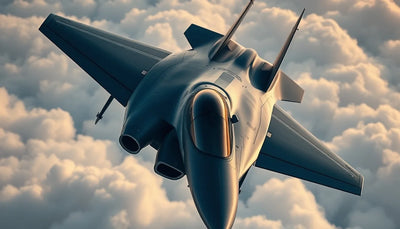
Kratos er best kjent for sine jetdrevne taktiske droner og romfartskomponenter, inkludert BQM-177A og XQ-58A Valkyrie. Den siste kapitaltilførselen forventes å støtte oppskalering av produksjonen, forskning på neste generasjons autonome plattformer og vedlikeholdskontrakter. Selv om selskapet ikke opplyste om nøyaktige programallokeringer, signaliserer omfanget av tildelingen at forsvarsdepartementet anser ubemannede luftsystemer som en sentral strategisk prioritet for det kommende tiåret.
Hva finansieringen betyr for droneindustrien
Tildelingen på $400 millioner til Kratos er ikke en isolert hendelse. Den er en del av et bredere mønster i amerikanske forsvarsutgifter rettet mot ubemannede kapasiteter. I løpet av de siste 12 månedene har Pentagon økt budsjettet for ubemannede flysystemer i gruppene 3,, 4, og 5, med særlig vekt på samarbeidende autonomi og robuste flyskrog. Kratos drar direkte nytte av dette som hovedentreprenør, men ringvirkningene påvirker hele droneøkosystemet.
Fleet readiness
Keep DJI hardware available without overbuying new units.
Use defense and fleet news as a planning signal for repair support, inspected pre-owned aircraft, and replacement timing.

For leverandører og underleverandører fører slik finansiering ofte til strammere allokering av komponenter, sensorer og fremdriftssystemer av luftfartskvalitet. Kommersielle droneprodusenter som deler samme forsyningskjeder for halvledere og materialer, kan oppleve lengre leveringstider for premiumkomponenter. Dette er spesielt relevant for operatører som flyr store plattformer for bedriftsmarkedet, slik som Matrice-serien, som har overlappende forsyningskjeder med militære systemer. Flåtestyrere som planlegger innkjøp av nytt utstyr, bør overvåke komponenttilgjengeligheten i løpet av de neste to til tre kvartalene.
I tillegg pleier forsvarsfinansiering å akselerere sertifiseringsprosessene for autonomiprogramvare, systemer for deteksjon og unngåelse (detect-and-avoid), samt sikre datakoblinger. Teknologier som modnes i militære programmer, siver ofte ned til kommersielle produkter innen tre til fem år. Operatører som investerer i flåteprogramvare i dag, kan dra nytte av fremtidige kapasitetsoppgraderinger avledet fra denne FoU-syklusen.
Hva dette betyr for dronekjøpere
For kjøpere som vurderer en ny eller brukt DJI-drone, forsterker nyheten om Kratos-finansieringen det strategiske argumentet for fleksibilitet. Når forsvarsbudsjettene begrenser tilgangen på visse avanserte komponenter, blir bruktmarkedet en mer pålitelig kilde for flyskrog som allerede er i drift og sertifisert. Kjøpere kan sikre seg kapabel maskinvare uten å måtte vente i produksjonskøer som kan bli lengre på grunn av militær prioritering.
Operatører som benytter DJI-plattformer til kartlegging, inspeksjon eller landbruk, bør også følge med på pristrendene i bruktmarkedet. Når den militære finansieringen øker, velger enkelte flåtestyrere i bedriftsmarkedet å oppgradere til nyere, militærkompatible systemer og selge eksisterende kommersielt inventar. Denne dynamikken kan skape muligheter for kjøpere som søker brukte DJI-droner som er profesjonelt vedlikeholdt og klare for umiddelbar utplassering.
Videre kan det økte fokuset på ubemannede forsvarssystemer føre til at flere offentlige etater avhender eldre kommersielle droner til fordel for spesialiserte plattformer. Denne strømmen av inspisert bruktutstyr kan være til nytte for kommersielle kunder som trenger rimelig og velprøvd maskinvare til ikke-militære formål. Flåteoperatører bør opprettholde en fleksibel anskaffelsesstrategi som inkluderer både nye og brukte kilder, spesielt dersom leveringstidene for komponenter forblir ustabile.
Forsvarsfinansiering og tjenesteøkosystemet
Store forsvarskontrakter som den Kratos har mottatt, påvirker også det bredere landskapet for vedlikehold, reparasjon og overhaling (MRO). Militære depoter og autoriserte servicesentre vil oppleve økt gjennomstrømning av statlige droner, noe som kan begrense kapasiteten for kommersielle reparasjoner. Droneeiere og flåtestyrere kan oppleve lengre behandlingstider for service på OEM-nivå for bedriftsplattformer, inkludert DJIs high-end modeller.
Det er her pålitelige profesjonelle DJI-reparasjonstjenester som bruker originale reservedeler, blir et kritisk alternativ. Uavhengige reparasjonssentre som lagerfører OEM-komponenter og sysselsetter FAA-sertifiserte teknikere, kan fylle gapet som oppstår når servicekanalene prioriterer forsvaret. For kommersielle operatører kan det å etablere en relasjon med en tredjeparts reparasjonsleverandør før et havari oppstår, forhindre kostbar nedetid.
Reparasjonsindustrien kan også se en tilstrømning av overskuddskomponenter av militær grad som blir tilgjengelige når forsvarsentreprenører roterer lageret. Selv om disse delene sjelden er utskiftbare med kommersielle DJI-modeller, kan de bidra til ettermarkedstøtte for spesialiserte nyttelaster og gimbals brukt i offentlige og kommersielle operasjoner. Flåtestyrere bør evaluere reparasjonspartnernes evne til å skaffe originale OEM-reservedeler raskt, uavhengig av forsvarsdrevne forsyningsbegrensninger.
Strategiske hovedpunkter for flåteoperatører
Kunngjøringen om finansieringen av Kratos er et tydelig signal om at ubemannede systemer vil forbli et høyt prioritert investeringsområde for det amerikanske forsvarsdepartementet. For kommersielle droneoperatører er hovedpoenget å forberede seg på et marked der etterspørselen fra forsvarssektoren påvirker kommersielle forsyningskjeder, tjenestetilgjengelighet og gjensalgsverdi på utstyr.
Flåteledere bør vurdere følgende tiltak på kort sikt:
- Gjennomgå gjeldende tidslinjer for utstyrsanskaffelser og legg inn marginer for mulige forsinkelser i komponentleveranser.
- Vurder tilstanden og markedsverdien til eksisterende flåteaktiva; salg av underutnyttede droner nå kan gi høyere priser etter hvert som forsvarets avhendingssykluser starter.
- Etabler samarbeid med en reparasjonstjeneste som benytter originaldeler og kan håndtere DJI-plattformer uavhengig av militære MRO-køer.
- Hvis du planlegger å oppgradere, kan du utforske innbytteguiden for droner for å forstå hvordan du maksimerer verdien av utgående utstyr.
Markedet for forsvarsdroner vokser, men kommersielle operatører trenger ikke føle seg utkonkurrert. Ved å holde seg oppdatert på finansieringstrender og justere innkjøps- og servicestrategier deretter, kan kjøpere og flåteledere fortsette å operere effektivt og kostnadseffektivt.
Vil denne finansieringen påvirke prisen på brukte DJI-droner?
Det kan den, indirekte. Hvis forsvarsanskaffelser driver frem flåteoppgraderinger hos bedrifts- og offentlige brukere, kan flere brukte kommersielle droner komme ut på bruktmarkedet. Økt tilbud kan moderere prisene, men enhver prisendring vil avhenge av den samlede etterspørselen fra kommersielle kjøpere.
Bør kommersielle operatører bekymre seg for mangel på deler?
Det er en moderat risiko for knapphet på enkelte elektroniske komponenter og sensorer som deles mellom militære og avanserte kommersielle droner. Flåteledere bør bestille reservedeler tidlig og vurdere en reparasjonstjeneste som lagerfører originale OEM-deler for å unngå forsinkelser.
Hvordan kan flåteoperatører best forberede seg på markedsendringer drevet av forsvarssektoren?
Oppretthold en fleksibel flåteplan som balanserer nyinnkjøp med inspisert brukt utstyr, bygg opp servicerelasjoner uavhengig av militære MRO-kanaler, og hold deg oppdatert på kontraktskunngjøringer for å forutse endringer i tilbud eller prising.
Sources consulted
- Kratos Defense & Security Solutions (KTOS) - primary source
- Why Kratos (KTOS) Stock Is Trading Up Today - official source
- Source material - primary reporting source
Reboot Hub Editorial adds buyer, repair, resale, and operational analysis for drone owners. If you spot an error, contact us for correction review through our editorial policy.