Goldman nedgraderer EHang Stock: Hva droneoperatører bør vite
Goldman Sachs nedgraderte EHang (NASDAQ:EH) til nøytral, med henvisning til lengre tidslinje for eVTOL-distribusjon. For droneoperatører signaliserer dette forsiktighet for investeringer i flytaxi mens etablerte pre-eide droneplattformer forblir pålitelige.

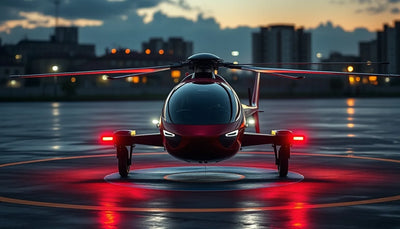
I juli publiserte 14, 2026, Goldman Sachs et notat som nedgraderte EHang Holdings (NASDAQ: EH) til nøytral fra kjøp. Investeringsbanken siterte en rettferdig verdsettelse og en lengre enn forventet tidslinje for kommersiell distribusjon av EH216-S elektriske vertikale start og landing (eVTOL) fly. Til tross for å opprettholde et positivt langsiktig syn på Kinas lavhøydeøkonomi, signaliserer Goldmans trekk at investorer og kommersielle droneoperatører bør dempe forventningene på kort sikt for passasjerbærende eVTOL-operasjoner.
For kjøpere, flåteforvaltere og reparasjonskunder som følger det bredere dronemarkedet, bærer denne nedgraderingen praktiske signaler om teknologiberedskap, regulatorisk tempo og hvor man skal allokere kapital til flyoperasjoner i dag. Mens eVTOL-plattformer lover transformativ mobilitet, er veien til kommersiell service fortsatt full av sertifiseringshinder, infrastrukturhull og usikker etterspørsel – som alle påvirker bruktdronemarkedet, reservedeler og planlegging av reparasjonstjenester.
Nedgraderingen og dens operasjonelle tidslinjesignal
Goldman Sachs beslutning om å nedgradere EHang stammer fra en revurdering av hvor raskt EH216-S kan generere meningsfulle kommersielle inntekter. Banken anerkjenner styrken i Kinas lavhøydeøkonomi – et politisk fremstøt for å åpne luftrom for droner, lufttaxier og logistikk – men mener at utplasseringskurven strekker seg lenger ut enn tidligere modellert.
Purchase timing
Use market shifts to buy, sell, repair, or wait with more context.
Compare trade-in timing, pre-owned DJI pricing, and repair economics before committing new capital.

Dette stemmer overens med det mange flåteoperatører har observert: eVTOL-sertifiseringsprosesser, spesielt for autonom passasjerflyvning, er tregere enn tidligere optimisme antydet. Selv med EHang som har sikret typesertifikater for EH216-S i Kina i 2024, operasjonsgodkjenninger for vanlige kommersielle ruter, tar pilotopplæringsstandarder og vertiport-nettverk år å modnes. For dronekjøpere som vurderer om de skal investere i eVTOL-teknologi som en flåteoppgradering, forsterker nedgraderingen realiteten at kortsiktige inntekter fra flytaxier forblir spekulative.
Implikasjonen er enkel: En lengre tidslinje for eVTOL-distribusjon presser lønnsom drift lenger ut, noe som gjør økonomien mindre attraktiv for små og mellomstore operatører som trenger umiddelbar avkastning på investeringen. Større flåter med dype lommer kan fortsatt posisjonere seg for det lange spillet, men risikopremien har steget.
Hva dette betyr for dronekjøpere
For kommersielle dronekjøpere – enten de kjøper for kartlegging, inspeksjon, landbruk eller levering – er EHang-nedgraderingen en påminnelse om å holde seg til velprøvde plattformer som allerede genererer inntekter i dag. Brukte DJI droner fortsetter å dominere markedet fordi de tilbyr forutsigbar ytelse, modne programvareøkosystemer og et stort støttenettverk av profesjonelle DJI reparasjonstjenester. Ingen eVTOL-modell, inkludert EH216-S, kan kreve den bredden av operasjonshistorien.
Nedgraderingen påvirker også indirekte verdsettelser av brukte drone. Når investorer roterer ut av spekulative eVTOL-aksjer, kan kapital strømme tilbake til etablerte droneprodusenter og tjenesteleverandører. Det kan stabilisere eller til og med løfte restverdien til pre-eide bedriftsdroner som DJI Matrice 350 eller Mavic 3E, som er arbeidshester for kommersielle arbeidsflyter. Hvis du er en flåteforvalter som vurderer å bytte inn eller oppgradere, favoriserer det nåværende miljøet å beholde velprøvde mellomtoneplattformer i stedet for å jage uprøvd eVTOL-evne.
I tillegg kan den regulatoriske forsiktigheten rundt eVTOL-sertifiseringen sive ned til strengere samsvarskrav for droneoperasjoner i Kinas lavhøydesoner. Dette kan påvirke grenseoverskridende dronekjøpere som henter forhåndseid DJI-utstyr fra asiatiske markeder. Å forstå lokale luftromsregler blir enda mer kritisk når man kjøper brukte enheter beregnet for kommersiell bruk.
Hvordan det pre-eide DJI-markedet forblir spenstig
Mens eVTOL-aksjer står overfor nedgraderinger, er markedet for inspiserte pre-eide DJI-droner fortsatt levende. Normalisering av forsyningskjeden har gjort nye dronepriser mer konkurransedyktige, men verdiforslaget til testede OEM-trukket deler og godt vedlikeholdte brukte enheter fortsetter å tiltrekke seg budsjettbevisste operatører. EHang-nyhetene påvirker ikke produktutvalget til DJI direkte, men det fremhever kontrasten mellom spekulativ luftmobilitet og pålitelige kommersielle droneplattformer.
Flåteoperatører som ønsker å utvide kapasiteten uten store kapitalutgifter kan fortsatt skaffe pre-eide DJI droner fra anerkjente kilder som gir detaljerte inspeksjonslogger og ekte OEM reservedeler. Levetiden til DJIs bedriftsøkosystem – fra Matrice-serien til Phantom 4 RTK – sikrer at reparasjonstjenester forblir tilgjengelige og kostnadseffektive. I tider med usikkerhet i markedet er en velprøvd plattform med en moden forsyningskjede en tryggere innsats enn en ny teknologi med en udefinert inntektsplan.
Dessuten kan nedgraderingen fremskynde konsolideringen i dronefinansieringssektoren. Investorer kan flytte fokus mot selskaper med etablerte tilbakevendende inntekter, for eksempel dronetjenesteleverandører og vedlikeholdsnettverk. Dette kan være til fordel for reparasjonsverksteder og deleleverandører som støtter DJI-flåter, ettersom operatører prioriterer vedlikehold fremfor dyre nye kjøp.
Strategiske vurderinger for flåteforvaltere og reparasjonskunder
For beslutningstakere som administrerer en droneflåte, er EHang-nedgraderingen et datapunkt som favoriserer tålmodighet. I stedet for å allokere budsjett til spekulative eVTOL-forhåndsbestillinger eller aksjeposisjoner, bør du vurdere å reinvestere i din nåværende flåtes beredskap - oppgradere sensorer, bytte ut høysyklusbatterier og planlegge profesjonelle DJI-reparasjonstjenester for å forlenge flyets levetid. Den innbytteguide for drone kan bidra til å strukturere en systematisk rotasjon av eldre enheter til nyere pre-eid inventar, og opprettholde operativ evne uten for store kontantutgifter.
Vær også oppmerksom på at den lengre tidslinjen for eVTOL-distribusjon kan åpne opp nisjemuligheter for droneoperatører innen logistikk og medisinsk levering. Hvis passasjer eVTOL blir forsinket, kan regulatorer fremskynde godkjenninger for lastbærende droner og ubemannede logistikknettverk. Det kan øke etterspørselen etter større pre-eide plattformer som DJI Agras eller Matrice-serien konfigurert for nyttelast. Reparasjonsverksteder bør fylle opp OEM-trukket deler for disse modellene, ettersom økte driftstimer vil øke vedlikeholdsbehovet.
Til slutt forsterker Goldman-nedgraderingen viktigheten av finansiell disiplin i droneflåteoperasjoner. Unngå å låse kapital i langsiktige eiendeler som kanskje ikke gir avkastning på flere år. Hold deg til plattformer som har klare videresalgsmarkeder og lett tilgang til ekte reservedeler. Det pre-eide DJI-markedet gir akkurat det - likviditet, pålitelighet og et støtteøkosystem bygget over et tiår.
Betyr EHang-nedgraderingen at eVTOL er en dårlig investering for droneoperatører?
Ikke nødvendigvis dårlig, men tidslinjen for passasjerbærende eVTOL kommersiell tjeneste er lengre enn tidligere forventet. Operatører bør behandle eVTOL som en langvarig strategisk innsats, ikke et kortsiktig flåtetilskudd. For umiddelbare behov gir velprøvde pre-eide DJI-plattformer bedre avkastning.
Bør jeg utsette planene for kjøp av drone på grunn av denne aksjenedgraderingen?
Nei. Nedgraderingen er spesifikk for EHangs eVTOL-distribusjonstidslinje, ikke det bredere dronemarkedet. Hvis du trenger en inspisert pre-eid DJI drone for kommersielt arbeid, er det nåværende markedet fortsatt gunstig. Tilbudet er stabilt og prisene er konkurransedyktige.
Hvordan kan jeg beskytte flåtens verdi mens jeg venter på at eVTOL skal modnes?
Invester i vedlikehold og proaktive innbytter. Bruk en drone-innbytteguide for å sykle eldre enheter inn i renovert inventar. Hold viktige OEM-trukket deler på lager for vanlige reparasjoner, og stol på profesjonelle DJI-reparasjonstjenester for å holde din nåværende flåte luftdyktig.
Sources consulted
- Source material - primary source
- DIU Blue UAS - official government source
Reboot Hub Editorial adds buyer, repair, resale, and operational analysis for drone owners. If you spot an error, contact us for correction review through our editorial policy.
This article is market commentary for drone operators and buyers, not investment advice. Reboot Hub does not provide financial advice or recommend securities transactions.