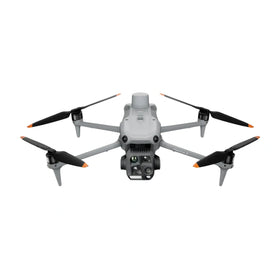
Used DJI for Commercial Work: Evidence Before You Buy
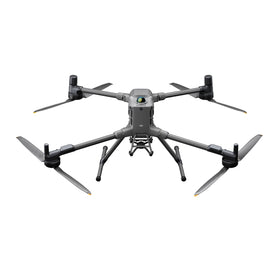
A surge in DJI fleet upgrades coupled with tightening FAA Part 107 Remote ID rules and new BVLOS waivers is flooding the used drone market with premium hardware. For commercial operators running RTK surveying, GSD mapping, or inspection missions, this means inspected pre-owned M300 RTKs and Mavic 3 Enterprise units are available at 40% below retail. But watch out for hefty fines if you skip Part 107 compliance on a second-hand buy. We break down the disruption, the penalties, and the hidden opportunities in this shifting landscape.

編集ノート
- この記事は、指定された外部レポートとReboot Hub独自の分析を組み合わせ、ドローン購入者、フリートオペレーター、修理依頼客、および中古DJI市場の監視者に提供するものです。
- ソースとなる事実は解釈から分離されています。レポートのデータが限定的な場合は、その制限を明記した上で、Reboot Hubの見解を分析として提示します。
- Reboot Hubはドローン製品および修理サービスへの商用リンクを掲載していますが、これらは読者のためのリソースであり、記事の結論を決定付けるものではありません。
Buyer-first answer
A growing used-drone market does not establish the condition or suitability of one aircraft for commercial work. Before commitment, make the exact kit, available condition evidence, intended task, stated unknowns and written support boundary visible together.
Quick answer
Reader resources
Turn this drone news into a practical next step.
Compare inspected pre-owned DJI drones, repair options, and trade-in timing before the market moves again.
A used-market story is not evidence for one commercial aircraft
Read the provider's current official terms for its own service. Then make the buying decision around evidence for the exact DJI kit, clear wording for unknowns and written delivery, warranty and support boundaries.
What should a commercial operator confirm before choosing a used DJI drone?
Separate a broad second-hand market story from the actual unit. The useful record is the exact supplied kit, available condition evidence, intended task, stated unknowns and written terms for the individual aircraft.
The useful comparison is not a claim that a market is rising or falling. It is whether the actual unit, available evidence, stated unknowns and written boundaries are visible before the customer commits.
Second-hand commentary versus exact-unit evidence
Build the commercial-unit record before commitment
- Supplied-item record: identify the aircraft, controller, batteries, charging equipment, accessories and stated omissions.
- Available evidence: keep information that belongs to the exact unit separate from assumptions or generic stock claims.
- Condition and compatibility questions: make observed condition and any unanswered question visible before the buyer decides.
- Written boundaries: understand delivery treatment, warranty, return, repair and support terms for the actual order.
Reboot Hub starts from the customer's concerns. It makes the exact kit, available condition evidence, stated unknowns and written delivery and support boundaries visible before commitment, so a commercial operator can decide from evidence rather than an optimistic market story.
For a unit already obtained elsewhere, retain the supplied-item record, available condition evidence, delivery documents and written correspondence. A repair or support question should be considered against the actual unit and the provider's current terms.
Delivery and customs boundary
For eligible personal-use orders and destinations shown at checkout, Reboot Hub standard international delivery is arranged as DDP unless checkout or written confirmation states otherwise. The customer is responsible for providing accurate recipient information, phone number, tax ID, importer number, or customs information when required by the destination country or carrier. Delays caused by missing or inaccurate customs information are not treated as late dispatch by Reboot Hub.
Visual context for the buying decision

Related Reboot Hub paths
Move from a payment question to a documented buying decision
Reboot Hub helps customers address the concerns that matter before commitment: the exact kit, available evidence, condition discussion, delivery treatment and written support boundaries.