Jersey Airport Drone Disruption Highlights Low-Cost UAV Risk
Flights at Jersey Airport were cancelled or diverted after drone activity disrupted operations, according to an Avi-Go industry report. The incident points to rising availability of low-cost drones and renewed questions about airspace risk, passenger rights, and operator accountability.

Quick answer
Jersey Airport flights were cancelled or diverted due to drone disruption, and an Avi-Go industry report links the incident to the growing availability of low-cost drones while outlining passenger rights.
- Jersey Airport experienced flight cancellations and diversions after drone activity was reported.
- Avi-Go notes the rise of low-cost drones as a contributing market trend.
- The report also explains passenger rights for affected travellers.
- The disruption highlights airspace vulnerability around regional airports.
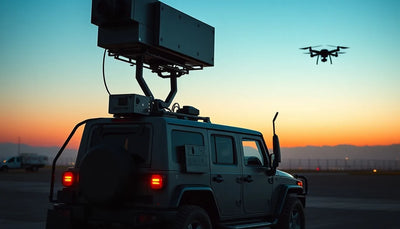
Jersey Airport flights were cancelled or diverted after drone activity disrupted normal operations, according to an industry report published by Avi-Go. The disruption, reported through Google News aggregation, has drawn attention to the increasing presence of low-cost drones near controlled airspace and the operational fragility that can follow even a single airspace incursion.
Market context
Turn market news into a buy, repair, or trade-in decision.
Compare pre-owned availability, resale timing, and repair economics before the market moves again.

Avi-Go's reporting frames the Jersey incident within a broader market shift: inexpensive, widely available consumer drones are entering airspace that was once the near-exclusive domain of crewed aviation. The report also addresses passenger rights for travellers whose journeys were interrupted. For commercial drone operators, fleet buyers, and repair customers, the event is a reminder that airspace incidents can reshape public perception, regulatory pressure, and second-hand market demand almost overnight.
What the Jersey Airport disruption involved
According to the Avi-Go report, flights at Jersey Airport were cancelled or diverted as a direct result of drone disruption. The source does not specify the exact duration of the closure, the number of affected flights, or the drone model involved. Reboot Hub analysis is therefore limited to the confirmed operational impact: a regional airport was forced to interrupt scheduled passenger service because of drone activity in or near its airspace.
The incident matters because regional airports often have fewer contingency options than major hubs. A single disruption can cascade through connecting flights, crew schedules, and passenger rebooking. Avi-Go's decision to pair the disruption with commentary on low-cost drones suggests that the report's authors see affordability and accessibility as central to the rising frequency of such events.
The low-cost drone market shift
Avi-Go points to the rise of low-cost drones as a key factor behind incidents like the one at Jersey Airport. The report does not cite specific sales figures, model names, or regulatory thresholds. What it does establish is a directional observation: cheaper drones are putting more aircraft into the hands of users who may not have formal aviation training or awareness of controlled airspace boundaries.
That shift has commercial implications beyond the immediate disruption. As low-cost hardware expands the total number of active drones, the probability of accidental or deliberate airspace incursions increases. For professional operators who fly inspected pre-owned DJI drones or manage mixed fleets, this environment can raise scrutiny even for compliant missions. A commercial pilot following proper procedures may still face airspace restrictions, temporary flight bans, or client hesitation after a high-profile incident elsewhere.
The pre-owned DJI market is particularly sensitive to this dynamic. Buyers evaluating pristine pre-owned drones often weigh not just hardware condition but also the regulatory climate in which they intend to operate. A widely reported airport disruption can accelerate demand for drones with clear documentation, reliable geofencing behaviour, and service histories that support compliance. Reboot Hub analysis suggests that incidents like Jersey reinforce the value of transparent maintenance records and genuine OEM spare parts, because operators want equipment that performs predictably when airspace rules tighten.
What this means for drone owners and the market
For drone owners, fleet managers, and repair customers, the Jersey Airport event is a signal to review operational readiness before regulators or clients demand it. The Avi-Go report does not announce new rules, but the pattern it describes often precedes stricter local airspace controls, expanded no-fly zones, or additional operator requirements. A buyer or pilot who waits for formal rule changes may face rushed procurement decisions later. For owners evaluating service and lifecycle risk, Drone Wiki explains the relevant repair, parts, resale, or operational path.
Operators should treat the incident as a practical prompt to confirm that current aircraft, batteries, and firmware are in dependable condition. For those running pre-owned DJI platforms, that means checking flight logs, verifying that geofencing features are functioning, and replacing worn components with OEM-pulled parts where necessary. A grounded or unreliable drone is a business risk even without an airspace incident; after one, it becomes a liability. Reboot Hub's Drone Wiki provides reference material that can help owners and buyers understand maintenance and operational considerations without waiting for a regulatory response.
Reboot Hub analysis: The second-hand market may also see a shift in buyer behaviour. When airports close because of drone activity, procurement teams and independent pilots often become more cautious about undocumented hardware. Pristine pre-owned drones with clear histories, verified components, and professional inspection records are likely to hold value better than units with uncertain backgrounds. The Jersey disruption does not change the technical capabilities of any specific drone, but it changes how carefully buyers evaluate the equipment they are willing to fly near sensitive airspace.
Passenger rights and the commercial ripple effect
Avi-Go's report also explains passenger rights for travellers affected by the Jersey Airport disruption. The source does not provide the specific compensation amounts, airline policies, or legal frameworks referenced in its passenger rights section. Reboot Hub cannot confirm which carriers were involved or what remedies were offered. The inclusion of passenger rights in the report does, however, underscore that drone disruptions now carry direct consumer and financial consequences.
For commercial drone operators, that consumer dimension matters. Airlines, airports, and insurers absorb costs when flights are cancelled or diverted. Those costs eventually influence how the aviation industry lobbies for drone restrictions, how insurers price coverage, and how enterprise clients evaluate drone service providers. A single regional airport incident may not trigger national policy, but repeated events connected to low-cost hardware can harden institutional attitudes toward all unmanned traffic.
Fleet managers should consider how their own operations would withstand a temporary airspace closure. Diversified scheduling, spare aircraft availability, and rapid maintenance turnaround all become more valuable when a nearby incident grounds flights or prompts local authorities to issue temporary restrictions. Professional DJI repair support and access to genuine OEM spare parts can reduce downtime when an operator needs to return a fleet to service quickly after an unexpected regulatory pause.
FAQ
Frequently asked questions
What happened at Jersey Airport?
Flights at Jersey Airport were cancelled or diverted after drone disruption, according to an Avi-Go industry report. The report links the incident to the rise of low-cost drones and also explains passenger rights for affected travellers.
Why are low-cost drones a concern for commercial operators?
Low-cost drones increase the total number of aircraft operating near controlled airspace, which raises the probability of accidental incursions. Commercial operators may face stricter airspace controls, client scrutiny, or temporary flight restrictions after high-profile incidents, even if their own operations are compliant.
What should drone owners do after this disruption?
Drone owners and fleet managers should review aircraft condition, verify geofencing and firmware behaviour, and ensure maintenance records are current. For pre-owned DJI platforms, using genuine OEM spare parts and professional inspection support can help keep aircraft dependable when airspace rules tighten.
Which sources support this update?
The article distinguishes reported information from analysis and does not present an unverified source as official confirmation.
What remains subject to change?
Retail pricing, availability, product bundles and regulatory timelines can change. Readers should verify the latest terms with the named retailer, manufacturer or regulator before acting.
How should buyers or operators use this analysis?
Use the verified facts as a starting point, then compare mission fit, lifecycle support, maintenance needs and current procurement terms before making a purchase or fleet decision.
参照ソース
- Avi-Go - primary source
公開時点で、追加の公式ドキュメントは入手できませんでした。
Reboot Hub編集部は、ドローン所有者のために購入、修理、再販、および運用の分析を提供します。誤りを発見した場合は、編集方針に基づき修正レビューを依頼してください。